50 Weird Places in California You Need to See
California doesn't do subtle. Drive far enough in any direction and you'll find a giant folk-art mountain, a house built by a widow chasing ghosts, or a tunnel drilled straight through a living redwood. These aren't roadside curiosities squeezed between the real attractions. They're the reason a lot of us started road-tripping in the first place.
This guide rounds up 50 unusual places in California, sorted by region so you can actually plan a route instead of bouncing across the map. Some are quick photo stops. Others, like Bodie or the Salton Sea's Bombay Beach, reward a longer visit and a little planning. I've flagged where access gets tricky, where the weather calls the shots, and where you'll want cash, boots, or a full tank of gas before you go.
Weird California isn't a theme park. It's a layer underneath the postcard version of the state, and once you start noticing it, you can't stop.
50 Weird Places in California You Need to See
Northern Coast: Strange Shores and Redwood Stops
The North Coast stacks its strangeness along a single stretch of Highway 1 and 101: sea-glass beaches, a tree you can drive through, and a lighthouse perched on one of the foggiest points in the state. Redwood country adds its own oddities, from a pygmy forest stunted by poor soil to a tunnel carved through a live tree trunk.
Glass Beach, Fort Bragg
Glass Beach sits along the Mendocino coastline in Fort Bragg, and its sand sparkles because the area once served as a dump site for decades of broken bottles and household glass. Wave action ground the shards smooth over time, turning trash into something that looks almost gem-like underfoot. Collecting glass is discouraged now since the supply is finite and the site is protected, so bring a camera instead of a bucket. Detailed visiting notes, including tide timing and which cove has the densest glass, show up in this guide to exploring Mendocino's Glass Beach.
Chandelier Tree, Leggett
The Chandelier Tree in Leggett is a coast redwood with a hole cut straight through its trunk, wide enough to drive a car through. It's part of the privately run Drive-Thru Tree Park, and yes, there's a fee to pull through it. The tree earned its name from branches that fan out near the top like arms on a chandelier.
Cypress Tree Tunnel
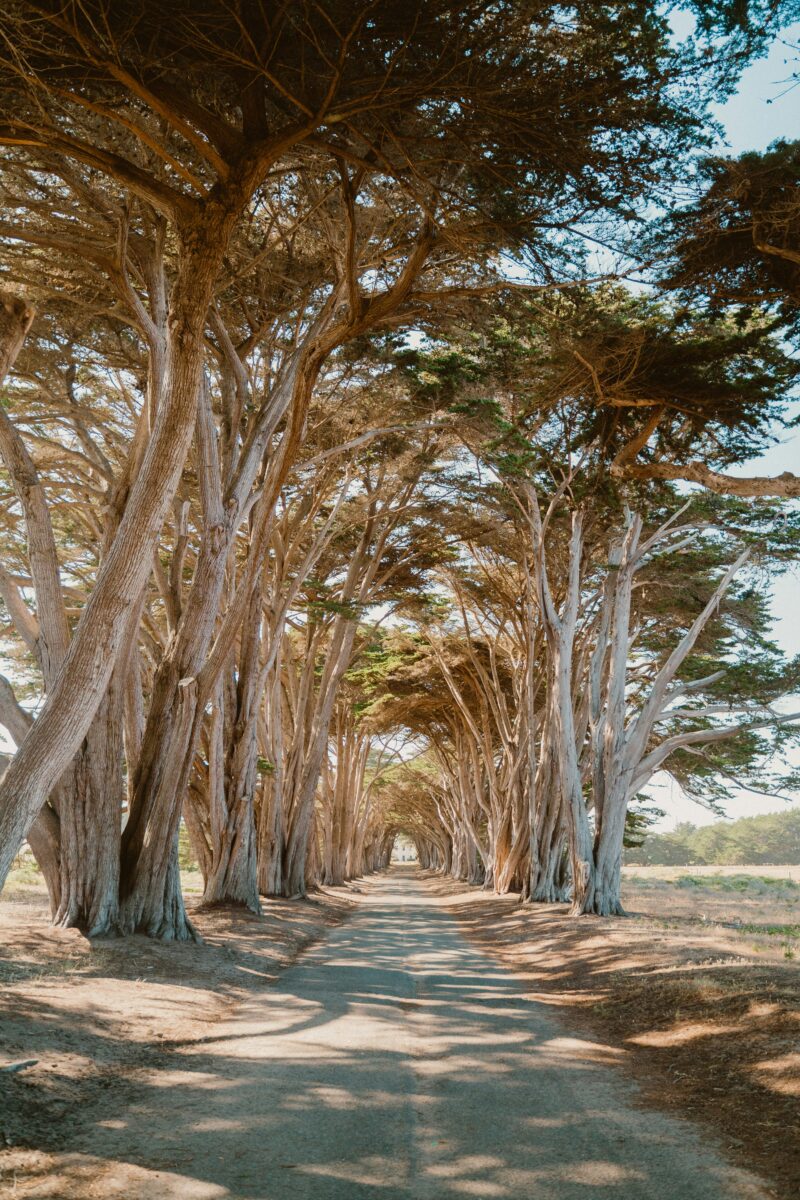
Not far from Leggett, a tunnel of cypress trees arches over a stretch of road, planted decades ago and grown into a leafy canopy. It's a quick, free stop, best photographed midday when light filters through the branches.
Point Reyes and Point Reyes Lighthouse
Point Reyes is a windswept peninsula north of San Francisco, and its lighthouse sits at the tip of a headland famous for fog and gray whale sightings during migration season. Getting to the lighthouse means a steep staircase (over 300 steps) down the cliff face, and the visitor center closes the stairs during high wind for safety. Check conditions before making the drive, since the lighthouse area shuts down in bad weather more often than casual visitors expect.
Fern Canyon
Fern Canyon, inside Redwood National and State Parks, has fifty-foot walls covered edge to edge in ferns, the kind of landscape that looks prehistoric because it basically is one. Streams cross the trail in several spots, so waterproof boots help. Access can close seasonally due to stream flow, so it's worth checking conditions before the drive.
Mendocino Pygmy Forest
The Mendocino Pygmy Forest looks like a bonsai garden that escaped into the wild. Ancient, nutrient-poor soil stunts trees that would normally grow enormous, so full-grown pines and cypress here stand only a few feet tall. A boardwalk loop makes it an easy, short walk, and it's one of the odder natural formations on this whole list because nothing about the surrounding forest prepares you for it.
Trees of Mystery
Near Klamath, the Trees of Mystery greets visitors with a towering Paul Bunyan and Babe the Blue Ox statue before leading into a grove of oddly shaped redwoods and a gondola ride above the canopy. It's part roadside spectacle, part genuine old-growth forest, and it charges admission for the gondola and trail sections.
Bay Area: Mysteries, Museums, and Unexpected Art
The Bay Area's weirdness leans toward the man-made and the unexplained: a cabin where balls roll uphill, a Victorian mansion with staircases to nowhere, and an art-covered peninsula built from decades of dumped construction debris. A short detour south adds a museum shaped like the world's biggest garlic bulb.
Mystery Spot, Santa Cruz
The Mystery Spot near Santa Cruz is a small patch of forest where balls appear to roll uphill and people seem to stand at impossible angles. It's an optical illusion built on sloped ground and tilted structures, not an actual gravitational anomaly, but the effect still messes with your inner ear. Tours run on a timed schedule and tickets sell out on busy weekends, so booking ahead helps.
Winchester Mystery House
In San Jose, the Winchester Mystery House is a sprawling Victorian mansion built (and endlessly rebuilt) by Sarah Winchester, heir to the Winchester rifle fortune. Staircases lead to ceilings, doors open onto walls, and the whole structure feels like it was designed by someone who never wanted the construction crew to leave. Guided tours are the only way inside.
Rosicrucian Egyptian Museum
San Jose's Rosicrucian Egyptian Museum holds a genuinely large collection of ancient Egyptian artifacts, including mummies (both human and animal) and a replica of King Tutankhamun's golden sarcophagus. A life-size composite tomb replica is the highlight for many visitors, per the same account.
Albany Bulb
The Albany Bulb, jutting into the San Francisco Bay, started as a landfill and construction debris dump before artists claimed it for sculpture and graffiti. Walking trails wind past driftwood assemblages and painted concrete chunks with bay views on almost every side. It's an unregulated outdoor gallery, so pieces change or vanish between visits.
Pulgas Water Temple
Tucked into the hills near Redwood City, the Pulgas Water Temple is a Roman-style colonnade marking the endpoint of the Hetch Hetchy Aqueduct, which carries Sierra Nevada water to San Francisco. It's a quiet, almost eerie structure for something built purely for civil engineering.
California Academy of Sciences
San Francisco's California Academy of Sciences combines an aquarium, planetarium, and natural history museum under a living roof covered in native plants. The building itself is worth studying before you even get inside.
Lake Berryessa's Glory Hole
Lake Berryessa, near Napa Valley, has a spillway known as the Glory Hole that turns into a giant funnel-shaped whirlpool when the reservoir overflows. It only activates in wet years when the lake crests the dam, so seeing it drain is a matter of timing and luck, not a guaranteed sight.
Garlic World, Gilroy
Gilroy calls itself the garlic capital of the world, and Garlic World leans into that with garlic-themed snacks, sauces, and souvenirs. It's a fun pit stop between the Bay Area and points south, and the smell alone tells you you're close before you pull into the parking lot.
Central Coast: Eccentric Inns and Storybook Detours
The Central Coast trades big-city weirdness for small-town charm with an odd streak: a hotel with rock-cave bathrooms, an alley plastered in chewed gum, and a Danish village that looks lifted from a children's book. Ostriches, a James Dean memorial, and Big Sur's cliffs round out the stretch.
Madonna Inn, San Luis Obispo
The Madonna Inn is a pink, rock-walled hotel in San Luis Obispo where every one of its rooms carries a wildly different theme, from a caveman-style stone shower to a room dripping in red velvet. Even non-guests wander in to see the lobby and use the waterfall urinal in the men's room, which has become its own minor tourist attraction.
Bubblegum Alley, San Luis Obispo
A block away, Bubblegum Alley is exactly what it sounds like: a narrow alley with walls coated in decades of chewed, stuck gum. It's gross and strangely fascinating in equal measure, and it costs nothing to walk through.
Morro Rock, Morro Bay
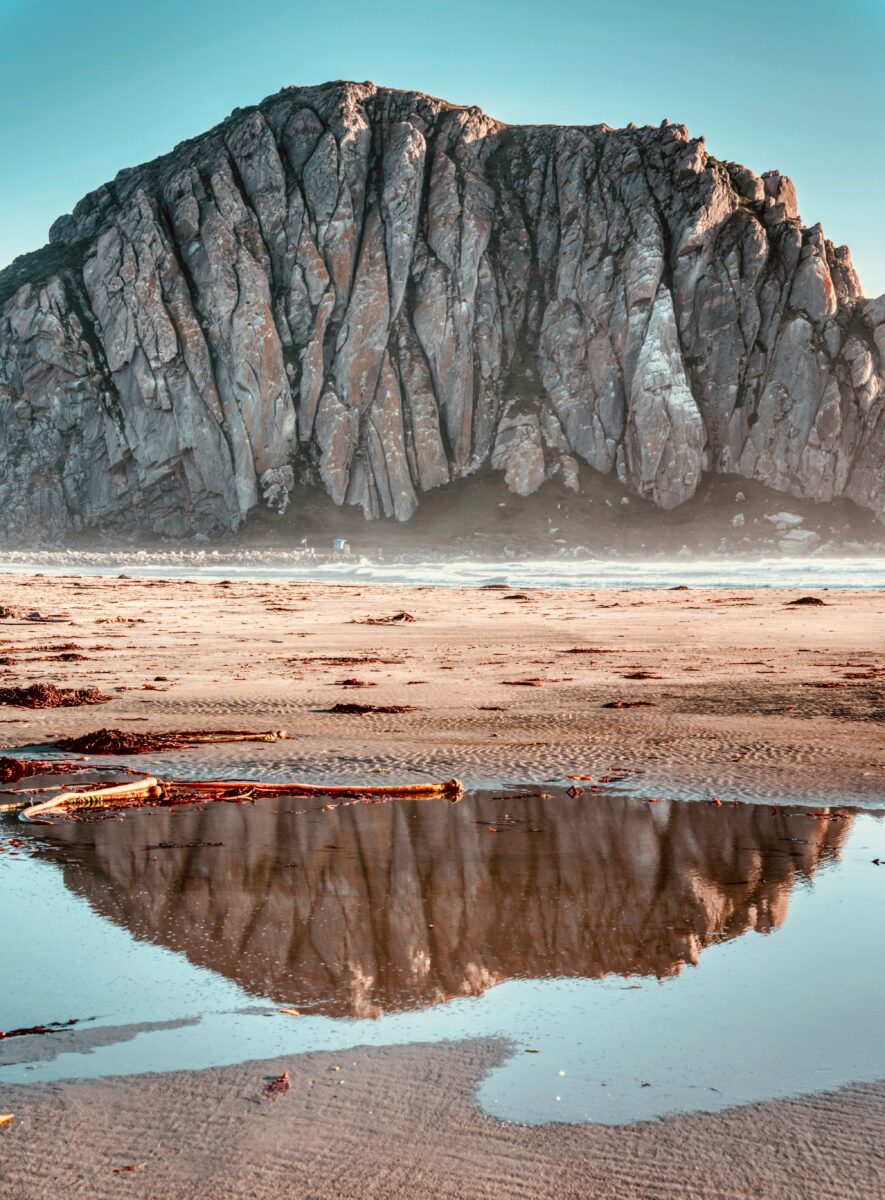
Morro Rock towers 576 feet above the shoreline in Morro Bay, a volcanic plug that dominates the view for miles. Sea otters float in the harbor below, and the rock itself is closed to climbing to protect nesting peregrine falcons.
Solvang's Danish Village
Solvang, about 45 minutes from Santa Barbara, is built to look like a Danish town, complete with working windmills, half-timbered buildings, and bakeries serving aebleskiver. It's touristy by design, and that's part of the appeal.
Ostrichland USA
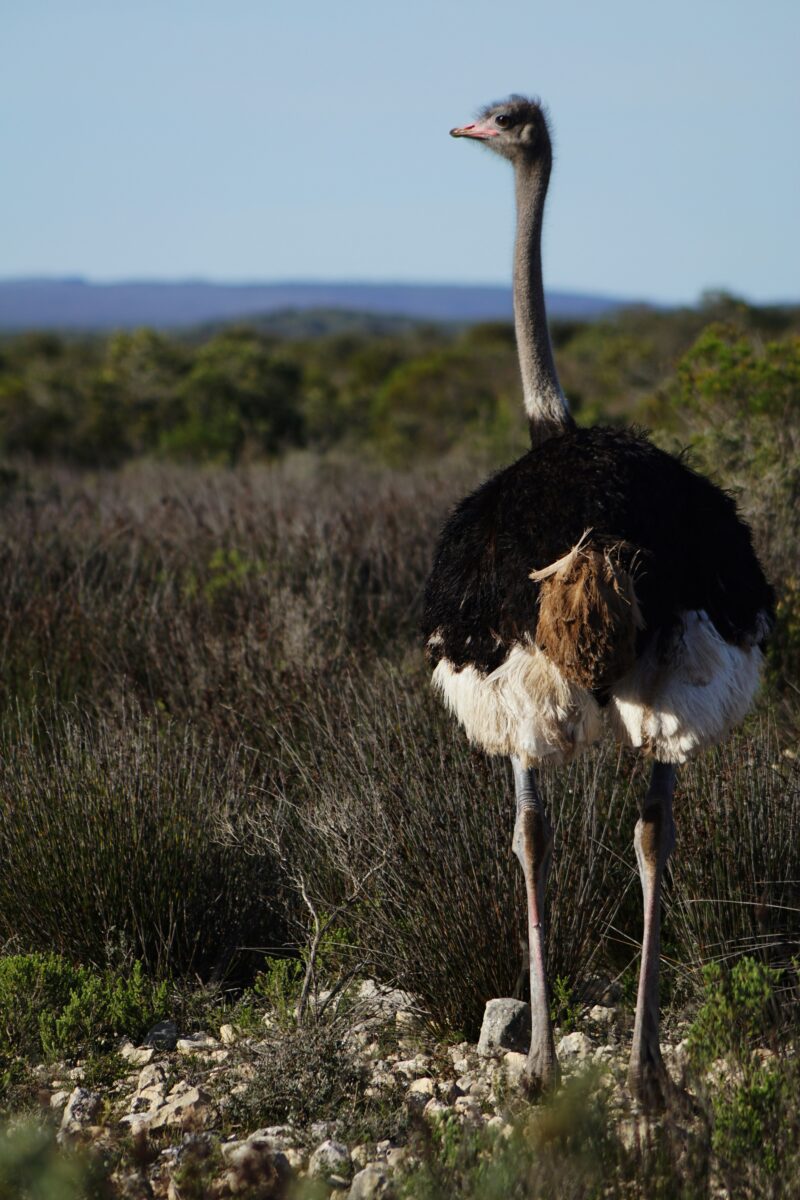
Near Solvang, Ostrichland USA lets visitors buy feed and hand-feed actual ostriches and emus through a fence. It's a strange, slightly nerve-wracking encounter with a bird that can genuinely peck hard, so keep fingers flat when feeding.
Carmel-by-the-Sea
Carmel-by-the-Sea covers exactly one square mile on the Central Coast, about 120 miles south of San Francisco. The village bans high heels without a permit in some old ordinances still on the books, and its storybook cottages look like something out of a fairy tale.
James Dean Memorial, Cholame
Near the junction of Highways 46 and 41 in Cholame sits the James Dean Memorial, a metal sculpture made in Japan in 1977 to mark the spot near where the actor died in a 1955 car crash. It's a quiet, slightly somber stop along an otherwise scenic stretch of road.
Meditation Mount, Ojai
Meditation Mount, above Ojai, offers sweeping views of the valley along with a peaceful, quiet space built specifically for reflection. The drive up alone is worth the detour, especially near sunset when the valley haze turns pink.
Los Angeles: Odd History Behind the Famous Facade
Los Angeles hides plenty of strange history behind its postcard image, from an abandoned zoo you can still walk through to a magic-themed private club hidden inside a Hollywood mansion. Some of these spots require tickets or membership, so it pays to check before showing up.
Old Los Angeles Zoo, Griffith Park
The Old Los Angeles Zoo closed decades ago, and its abandoned animal enclosures now sit scattered through Griffith Park, covered in graffiti and reclaimed by weeds. Visitors can walk right into the old cages, which makes for an oddly haunting picnic spot.
Museum of Death, Hollywood
The Museum of Death, in Hollywood, displays crime scene photos, serial killer artwork, and mortuary artifacts. It's not for the squeamish, and the museum itself warns visitors about the graphic content before they buy a ticket.
Houdini Mansion
The ruins of the so-called Houdini Mansion sit in Laurel Canyon, though the magician's actual connection to the property is murkier than the legend suggests. What remains today are crumbling stone foundations and staircases climbing a hillside, popular with hikers who don't mind a little urban legend mixed into their walk.
Venice Canals
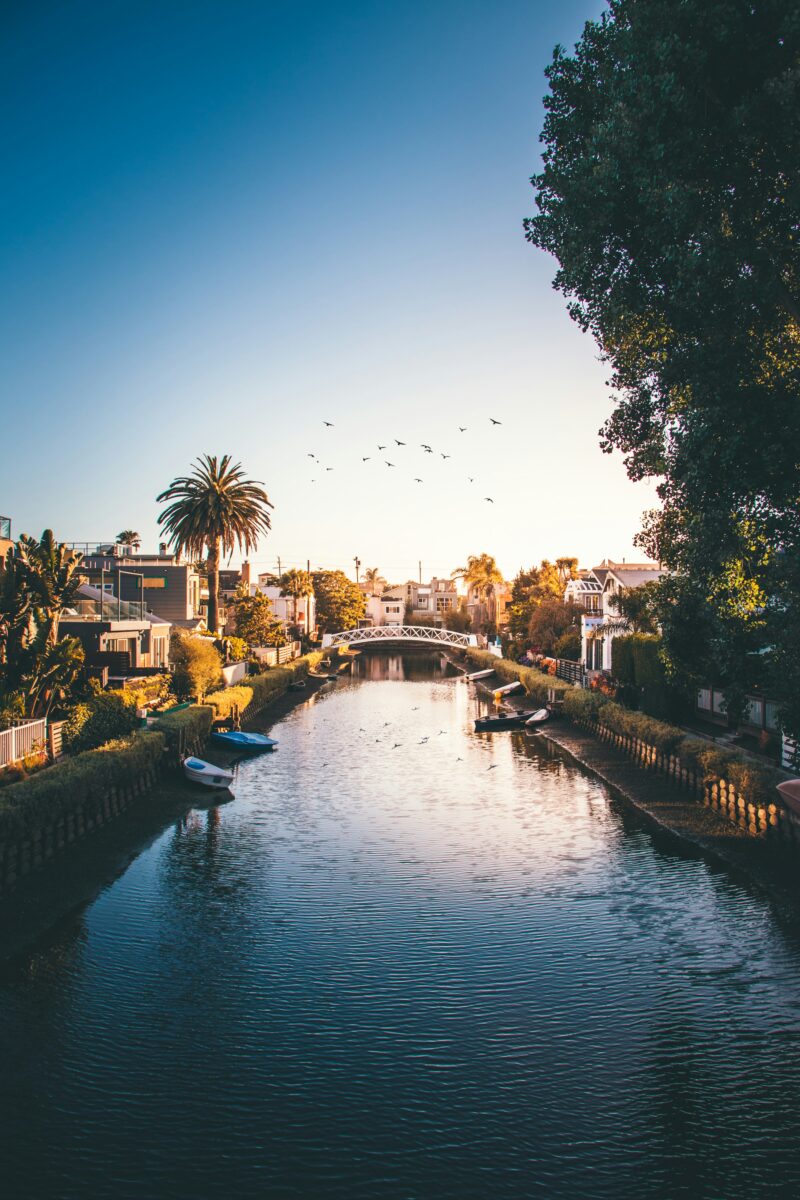
The Venice Canals, dug in the early 1900s to mimic Italy's famous waterways, still wind through a residential neighborhood near Marina del Rey. Small footbridges cross the water, and the homes lining the canals range from modest to architecturally wild.
The Magic Castle
The Magic Castle is a private club for magicians inside a Victorian mansion in Hollywood, and it's members-only or guest-invited, so getting in usually means knowing someone or booking through an affiliated hotel stay. The mystery of not being able to just walk in is part of what makes it a LA legend.
Watts Towers
The Watts Towers are a cluster of towering sculptures built over decades by Italian immigrant Simon Rodia, covered in broken tile, glass, and seashells. They stand as one of the most striking examples of outsider art in the country, built entirely by one man without formal engineering training.
Desert: Outsider Art, Dinosaurs, and Roadside Finds
California's desert is where roadside weirdness gets truly ambitious: a mountain painted entirely by one man's religious vision, a museum devoted entirely to bananas, and dinosaurs the size of buildings looming over the interstate. Some sites, like the communities around Bombay Beach, deserve a respectful, low-key visit since people still live there.
Salvation Mountain, Niland
Salvation Mountain, outside Niland, is a hand-built hill covered in bright paint and religious messages, created over decades by folk artist Leonard Knight using adobe, straw, and thousands of gallons of paint. It's free to visit, though donations are welcomed, and the surface can get slippery and unstable in places, so sturdy shoes matter more than fashion here.
East Jesus
Just past Salvation Mountain, East Jesus is an experimental art community built from salvaged junk, sculpture, and installation pieces scattered across the desert. It grew out of the nearby Slab City squatter community and keeps evolving as new artists pass through.
International Banana Museum
The International Banana Museum, near the Salton Sea, claims one of the largest collections of banana-themed items anywhere, from banana phones to banana-shaped everything else. It's a genuinely odd little museum built entirely around one fruit's cultural footprint.
Bombay Beach on the Salton Sea
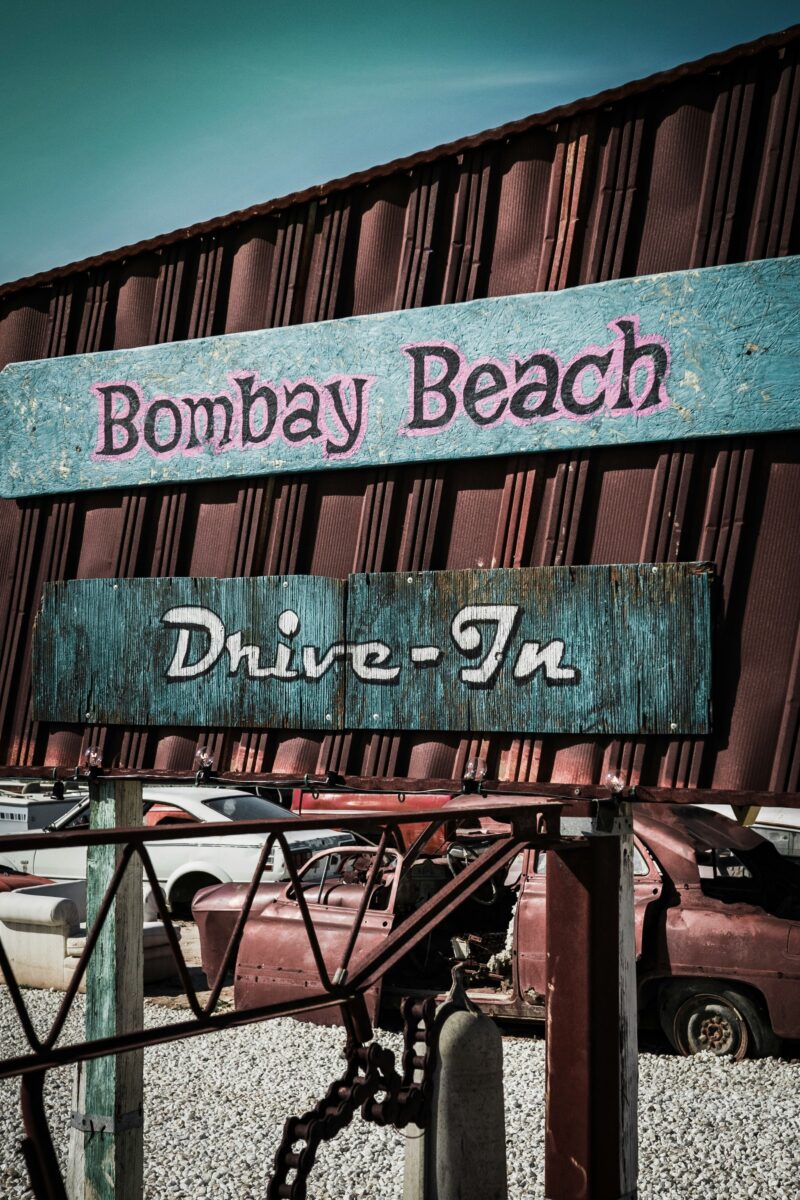
Bombay Beach sits on the shore of the Salton Sea, a landlocked body of water created by an accidental 1905 Colorado River dam overflow. Today the town mixes abandoned structures with a scrappy, growing art scene, and the shoreline itself carries a briny, sometimes unpleasant smell that's worth knowing about before you plan a picnic.
Pioneertown
Pioneertown, near Joshua Tree National Park, was built in 1946 as a movie set styled after an old Western town, according to Visit California's desert road trip itinerary. Pappy & Harriet's, a music venue and restaurant inside town, has hosted major touring acts despite its small-town setting.
World Famous Crochet Museum
The World Famous Crochet Museum is a tiny, converted photo booth in Joshua Tree stuffed with crocheted sculptures. It's one of the smallest museums on this list, and part of the charm is figuring out where to even stand to see inside it.
Cabazon Dinosaurs
The Cabazon Dinosaurs are two massive concrete sculptures, a Tyrannosaurus and an Apatosaurus, visible from Interstate 10 near Palm Springs. They've appeared in film and television for decades, and visitors can climb inside the Apatosaurus for a small fee.
Peggy Sue's 50's Diner and Diner-saur Park
In Yermo, Peggy Sue's 50's Diner pairs a retro diner with an attached lot of metal dinosaur sculptures scattered outside. It's a quirky rest stop for road trippers heading through the Mojave, blending nostalgia with roadside oddity in one parking lot.
Southern California: Curious Trails and Creative Landmarks
Southern California hides its strangeness in unexpected corners: a rock painted like a pumpkin, a boulder that looks exactly like a chip, and a taco shop turned into a folk-art shrine. San Diego and Riverside County both offer easy day-trip detours worth building a loop around.
Pumpkin Rock, Norco
Pumpkin Rock, in Norco, is a large boulder that someone has painted orange with a jack-o'-lantern face, and it gets repainted periodically for different holidays and causes. It's become an unofficial community canvas, sitting right along a road where locals expect to see it change.
Potato Chip Rock, Mt. Woodson
Near Ramona, a thin, curved slab of granite on Mt. Woodson earned the nickname Potato Chip Rock because it genuinely looks like an oversized chip balanced on the mountainside. Reaching it requires a strenuous hike, and the rock's edge drops steeply, so the popular photo op of standing on the tip carries real fall risk.
Tio's Tacos, Riverside
Tio's Tacos in Riverside is a taco shop surrounded by folk-art sculptures made from recycled bottles, tile, and found objects. The food draws locals, but the sculpture garden out back is what makes it worth the detour for visitors passing through.
Annie's Canyon Trail
Annie's Canyon Trail, near Encinitas, includes a narrow slot canyon nicknamed “the Yoga Loft” that hikers squeeze through using metal handholds bolted into the rock. It's a short trail, but the slot section isn't suited for anyone with claustrophobia or larger frames.
Spruce Street Suspension Bridge, San Diego
The Spruce Street Suspension Bridge, in San Diego's Bankers Hill neighborhood, is a wooden pedestrian bridge that sways gently as you cross a deep canyon. It was built in 1912 to connect streetcar lines and now serves as a quiet, slightly wobbly shortcut through a residential area.
Gravity Hill, Altadena
Gravity Hill, in the Altadena foothills, is a stretch of road where cars appear to roll uphill on their own when placed in neutral. Like similar “gravity hills” elsewhere, it's an optical illusion created by the surrounding slope, not an actual defiance of physics.
Queen Califia's Magical Circle, Escondido
Inside Kit Carson Park in Escondido, Queen Califia's Magical Circle is a sculpture garden created by French artist Niki de Saint Phalle, centered on a towering figure of Queen Califia standing on a five-legged eagle. Mosaic-covered walls and mirrored surfaces wind through the garden, drawing on early California myth and Native American imagery.
Inland California: Ghost Towns and Otherworldly Landscapes
Inland California swaps coastal fog for high desert stillness and volcanic remnants: a preserved gold-rush ghost town frozen mid-decay, hot springs steaming next to the Sierra, and a toad tunnel built for a species that mostly ignores it. If ghost towns are your particular obsession, there's a deeper dive into California's abandoned ghost towns worth exploring separately.
Bodie State Historic Park
Bodie is a genuine gold rush ghost town, preserved in a state of “arrested decay” rather than restoration. Buildings still hold furniture, shelves, and even period newspapers stuffed into the walls as insulation, and there are no concessions inside the park, so bring water and food before making the trip out. For a broader look at the state's abandoned settlements, California's ghost towns cover more of the backstory behind places like this one.
Travertine Hot Springs
Near Bridgeport, not far from Bodie, Travertine Hot Springs offers natural mineral pools set against a backdrop of the Eastern Sierra. Mornings bring the best light and fewer crowds, and the terrain around the pools is uneven and slippery in spots.
Lava Beds National Monument
Lava Beds National Monument, in far Northern California, holds hundreds of lava tube caves formed by volcanic activity from Mount Medicine Lake. Some caves require a flashlight and a bit of crawling, and a few are closed seasonally to protect hibernating bats.
Davis Toad Tunnel
The Davis Toad Tunnel is a small underpass built beneath a roadway specifically to help toads cross safely without getting run over. Wildlife advocates have questioned how often toads actually use it, which only adds to its odd, slightly comic reputation among locals.
Mono Lake Tufa Towers
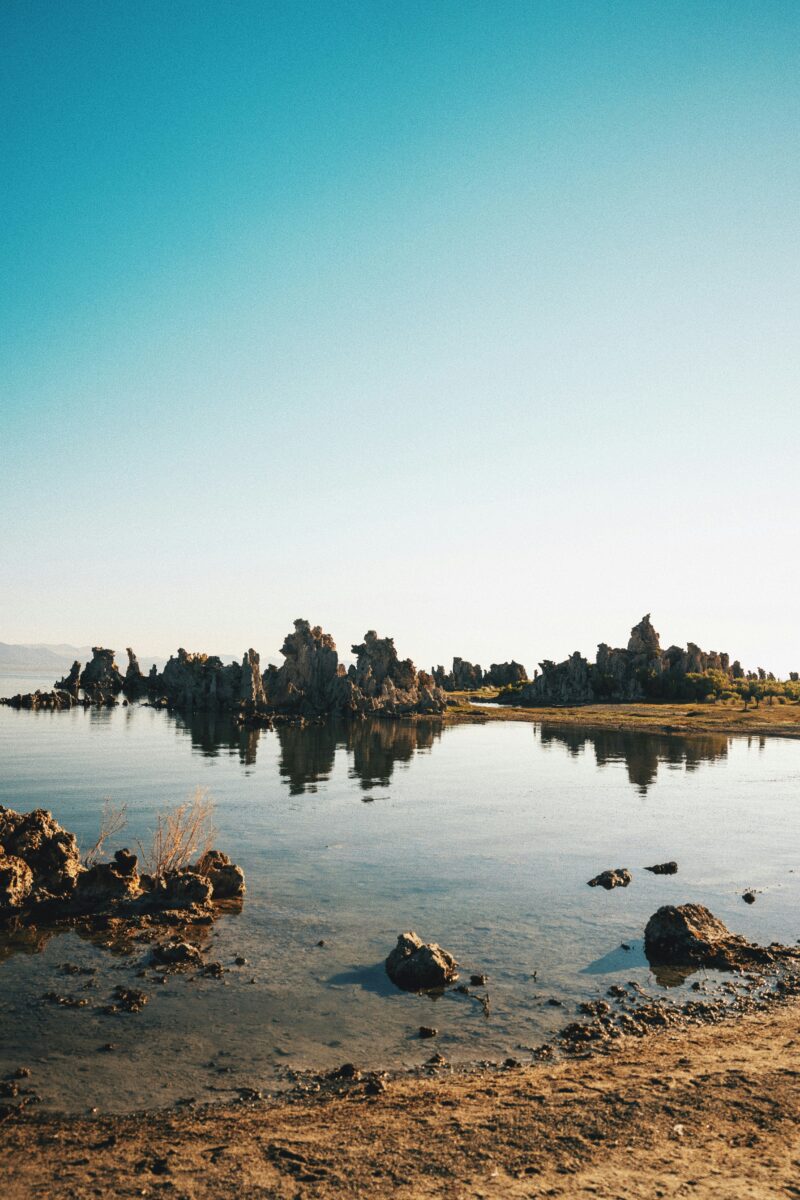
Mono Lake, a sink lake with no outlet, formed possibly over 750,000 years ago from volcanic activity and is fed only by Sierra Nevada runoff. Its limestone tufa towers rise from the water like calcified sculptures, and the lake's high salinity supports brine shrimp that draw millions of migratory birds each year.
Black Chasm Cavern
Black Chasm Cavern, in the Sierra foothills near Volcano, holds a dense cluster of rare helictite crystal formations, delicate mineral spikes that twist in odd directions instead of hanging straight down. Guided tours are the only way inside, and the cave stays a steady, cool temperature year-round.
How Do You Plan a Weird California Road Trip?
Planning a weird California road trip means grouping stops by region first, then checking access rules for the remote or unusual ones before you commit to a route. California is too big to zigzag between the coast and the desert on a single trip, so picking one region cluster, like the Central Coast or the desert, makes for a tighter, less exhausting itinerary.
Which Stops Pair Well on a Coastal Drive?
A Highway 1 run naturally strings together Glass Beach, the Chandelier Tree, and Point Reyes Lighthouse on the North Coast, or the Madonna Inn, Bubblegum Alley, and Morro Rock on the Central Coast. Coastal fog rolls in fast near Pacifica and other headland towns, so morning drives often mean clearer views than afternoon ones.
How Can You Link Desert Stops Without Excessive Backtracking?
Salvation Mountain, East Jesus, and the International Banana Museum all sit near the Salton Sea, so they work as one loop before heading north toward Pioneertown and Cabazon. Route 66 threads through Yermo and other desert towns, making it a logical spine to build a longer eastward leg around.
What Should You Check Before Visiting Remote or Restricted Sites?
Check seasonal closures, road conditions, and cell coverage before heading to places like Bodie, Lava Beds, or Fern Canyon, since desert heat and mountain snow both shut down access at different times of year. Small towns like Aptos and other coastal stops rarely pose access problems, but remote inland sites often do, so a quick call to the local ranger station or park website beats finding a locked gate after a long drive.


