
Golden Mussel (California Mussel) Threat in California: What It Means for Lakes, Water & Boating
California’s dealing with a real mess thanks to a tiny invader that showed up for the first time in North American waters in October 2024. The golden mussel (Limnoperna fortunei) turned up in the Sacramento-San Joaquin Delta near Stockton, and San Joaquin County has already declared a local state of emergency as the infestation keeps spreading. This little mollusk is causing headaches for water infrastructure, native ecosystems, and recreation all over the state.
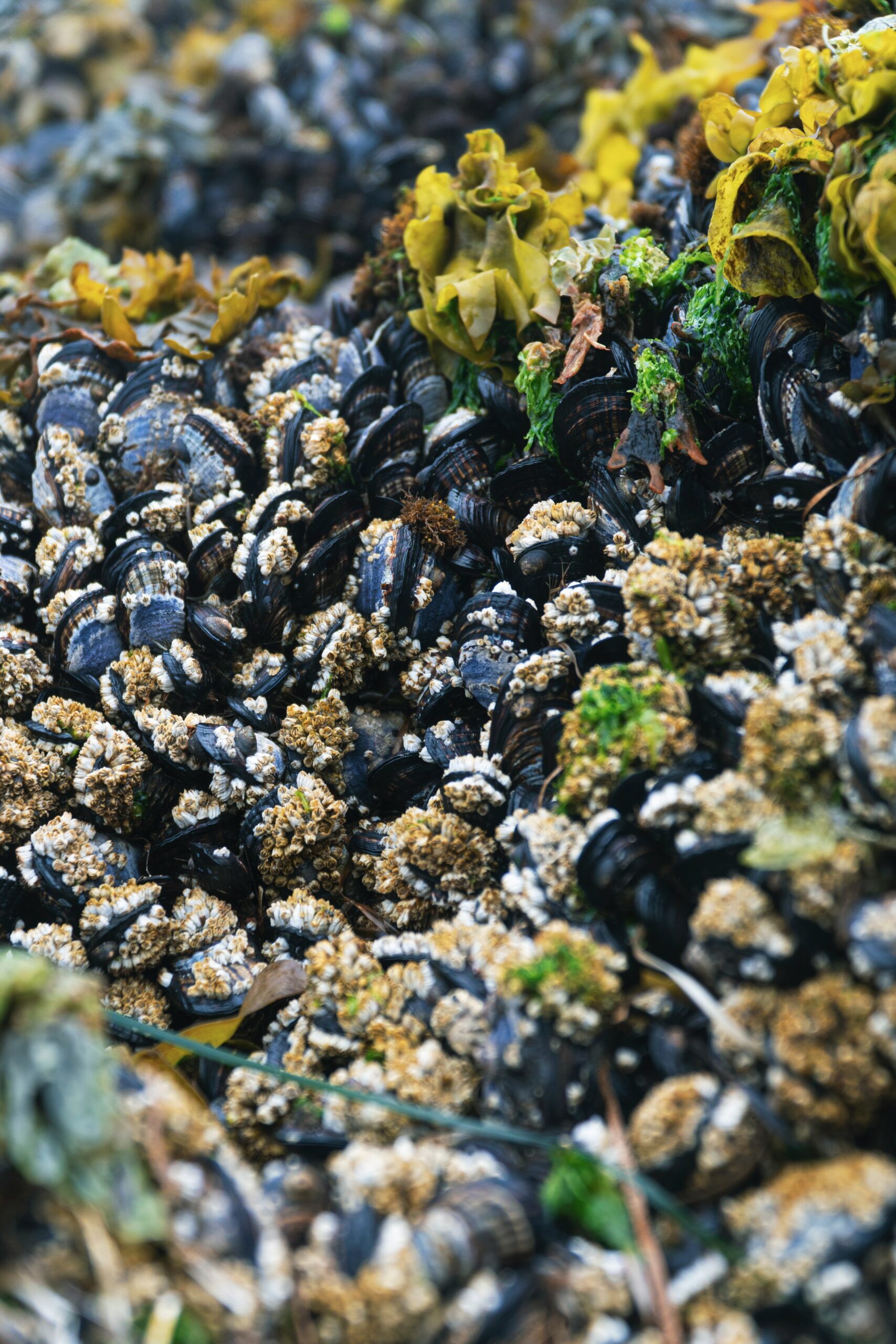
The golden mussel (California Mussel) brings the same kind of trouble as quagga and zebra mussels, but it’s even tougher—it survives in more temperature and salinity ranges. Since the first find in San Joaquin County, golden mussels have spread through California’s waterways. The invasion messes with fish populations and summer lake trips. Now, boat inspections are mandatory at a lot of lakes and rivers.
Let’s talk about how this invasive species got detected, what it’s doing to California’s environment and economy, and what you can actually do to help stop it from spreading. Knowing what’s up with the golden mussel is key to protecting the lakes and waterways we all rely on for fun, farming, and, honestly, just basic water.
Golden Mussel (California Mussel) Threat in California: What It Means for Lakes, Water & Boating
Detection, Spread, and Emergency Response
The golden mussel invasion started with a single detection near the Port of Stockton in October 2024 and quickly spread throughout the Sacramento-San Joaquin Delta system. That’s led to emergency declarations and a scramble among state agencies to respond.
First Discovery in California Waters
Golden mussels first showed up in North America in October 2024, right near the Port of Stockton at a water quality station at Rough and Ready Island. That moment really set off alarms for folks managing invasive species in California.
These mussels look and act a lot like zebra and quagga mussels, which have already wreaked havoc elsewhere. They’re originally from East and Southeast Asia and have caused massive issues in other countries by clogging up water intake systems.
People working in water management and biology got worried fast after that first detection. Since golden mussels can spread so quickly, it felt urgent to act before they really took hold in California’s interconnected water networks.
Current Distribution in Lakes and Reservoirs
Within just two years, golden mussels have spread all over the Delta region. This rapid expansion has already impacted major water infrastructure, including the State Water Project.
Monitoring teams are now zeroing in on the Bay-Delta system, since golden mussels keep popping up in new spots. Water managers at places like San Luis Reservoir and O'Neill Forebay are scrambling to adjust their plans.
Reservoir managers across California are rethinking their recreation plans for the boating season. It’s wild how any boat moving from one lake to another could end up carrying these mussels along for the ride.
Local and Statewide Emergency Declarations
San Joaquin County’s Board of Supervisors declared a local emergency on April 28, 2026, asking for more help and resources from the state to protect the Delta. Supervisor Paul Canepa didn’t mince words—he said things were “out of control in our Delta” when he backed the emergency proclamation, which the board passed unanimously.
The state declared an emergency too, as the infestation started threatening the California Delta. The proclamation calls for urgent, coordinated action to protect this crucial waterway, since golden mussels put water infrastructure, agriculture, and ecosystems at risk.
Role of Task Forces and State Agencies
California pulled together a Golden Mussel Response Framework to tackle this invasive species problem. The Golden Mussel Task Force now brings together state and federal agencies, all trying to stop new introductions and contain the mussels already here.
Key agencies on the case:
- California Department of Fish and Wildlife (CDFW)
- California Department of Water Resources (DWR)
- California State Parks
- California Department of Food and Agriculture
- Federal and local partners
The CDFW is throwing $1 million in grants at boating facility operators to ramp up the fight against invasive mussels. In December 2024, the California Fish and Game Commission added golden mussels to the restricted species list to give managers more legal tools.
The framework mostly focuses on three things: stopping new introductions with boat inspections, keeping mussels contained in already infested waters, and trying to knock down populations with targeted management where possible.
Environmental and Economic Consequences
Golden mussels threaten California’s water infrastructure, native species, and recreation economy. They multiply fast and trigger a cascade of problems for water delivery, wildlife, and the economic health of Delta communities.
Risks to Water Infrastructure and Conveyance Systems
Water infrastructure is in real danger from golden mussel colonization. They clog irrigation siphons that move Delta water to farmland—some siphons have already built up two inches of mussels inside and out.
The Contra Costa Water District found golden mussels in several parts of its system. In Stockton, city utilities discovered the mussels stuck to oil containment booms near their water intakes. Travis Small, who oversees water resources at Stockton’s utilities department, is seriously worried about the raw water pipeline that brings Delta water to treatment plants.
Flood control infrastructure could also get jammed up. If gates get too clogged to close, water can rush through and cause flooding. Christopher Neudeck, president of civil engineering firm Kjeldsen, Sinnock & Neudeck, warned that plugged siphons could lead to billions in lost agricultural production from the region’s $4.6 billion farming output.
Effects on Native Fish, Wildlife, and Water Quality
Golden mussels mess with aquatic ecosystems by eating up plankton that native fish rely on. These filter feeders compete for food in an estuary that’s already home to threatened and endangered species.
The Delta supports nearly three quarters of a million people and half a million acres of farmland. Mussel filtering can shift water quality and shake up the food web. There’s still not a ton of data on algal blooms tied to golden mussels in California, but these invaders could definitely alter nutrient cycles in ways that hurt native wildlife.
UC Davis professor emeritus Ted Grosholz said it bluntly: as mussel populations grow, so do the problems. The rapid spread since October 2024 shows just how fast this species can take over new habitats.
Impact on Recreation, Boating, and Local Economies
The recreation and boating industries are feeling the pain from these infestations. Mussel and clam invasions cost an estimated $1.6 billion a year, mostly in damage to businesses and infrastructure.
Local boaters are dealing with it firsthand. Fred Vijsma, a 75-year-old boat mechanic, keeps golden mussels he scraped off his dinghy in a coffee can, and the stench from dead mussels is enough to make you gag. At Delta Marine Yacht Center, Bob Parsons says his crew is scraping off hundreds of pounds from boat hulls.
There’s a stigma now—people worry about bringing home an infestation like bedbugs. Jeff Wingfield from the Port of Stockton compared it to that exact scenario: “If you’ve been in the Delta now, it’s like you’ve been exposed.” San Joaquin County’s emergency declaration is part of the push for more help and resources to fight back.
Prevention, Control, and Public Participation
California has rolled out mandatory watercraft protocols and new rules to contain the golden mussel, and funding is helping waterbody managers set up inspection and decontamination programs where they’re needed.
Clean, Drain, Dry Initiatives and Launching Requirements
The best way to stop mussels from hitching a ride between lakes is to follow Clean, Drain, Dry protocols every single time you’re out on the water. I’ve got to scrub off any mud, plants, or debris from my boat, drain all the water from the boat, motor, and gear, and let everything dry out completely before I launch somewhere else.
Before I head to any California waterway, I should check with whoever manages it to see what the latest launch requirements are—lots of places now require inspections, and some have new entry rules since golden mussels showed up.
The California Department of Fish and Wildlife even offers outreach materials like an invasive mussels rack card and a Clean, Drain, Dry poster. You can email their invasive species program to get these and learn exactly what to do to avoid spreading mussels on your gear.
Regulatory Actions and Restricted Species List
The California Fish and Game Commission controls the restricted species list, which sets the rules for managing golden mussels statewide. After the October 2024 detection, regulators moved fast to lay down new frameworks for stopping the spread.
The Golden Mussel Response Framework from state agencies spells out how containment and eradication should work. This document guides the California Department of Water Resources and others when they respond to new outbreaks.
The State Water Resources Control Board is working with water operators to speed up Aquatic Animal Invasive Species Control Permits, so qualified teams can jump in and tackle new infestations fast.
Boater Compliance: Inspection, Stickers, and Reporting
I have to buy a Mussel Fee Sticker for every motorized watercraft I use in California freshwater. This fee goes straight into the state's invasive mussel prevention efforts—honestly, it's a small price to pay if we want to keep our lakes and rivers healthy.
| Requirement | Details |
|---|---|
| Fee Sticker | Required for all motorized freshwater vessels |
| Inspections | Possible at launch sites |
| Reporting | Report online right away with photos if you spot mussels |
If I ever spot golden mussels, I snap some clear close-up photos with something in the shot for scale, then report them online to the California Department of Fish and Wildlife. Honestly, catching these things early is the only real shot we've got at stopping them from spreading.
Launch fees have gone up, and inspections at some lakes are just part of boating in California now. It’s not ideal, but it’s the situation we’re in.
Outreach, Grants, and Waterbody Manager Coordination
The California Department of Fish and Wildlife runs an Invasive Mussel Response Grant program that helps waterbody managers set up inspection and decontamination. Agencies can use grant guidelines and workshop materials to find funding and get prevention programs off the ground.
At the 2025 Water Agency Summit, waterbody managers got together to swap ideas and figure out how to handle inspections and decontamination. This kind of collaboration helps everyone stay on the same page, even if they're working in different places.
Water agencies and recreation groups team up on initiatives that encourage people to recreate responsibly. Waterbody managers get help planning inspection programs that fit their own facilities—there's no one-size-fits-all approach here.
I can grab electronic files of educational materials and share them around my community, so more folks know how to stop mussel transport. If I need printed materials, the Department of Water Resources and CDFW Aquatic Invasive Species program will send some out if I ask.