Things to Do in Southern California: Best Places to Visit
Southern California packs in coastline, desert, mountains, and cities, all within a few hours of each other. From the beaches along the Pacific to the wild rock formations out in the desert, this region crams an impressive amount of variety into a pretty compact area. If I'm in the mood for a quiet small town, a scenic road trip, or a hidden gem away from the crowds, SoCal usually comes through.
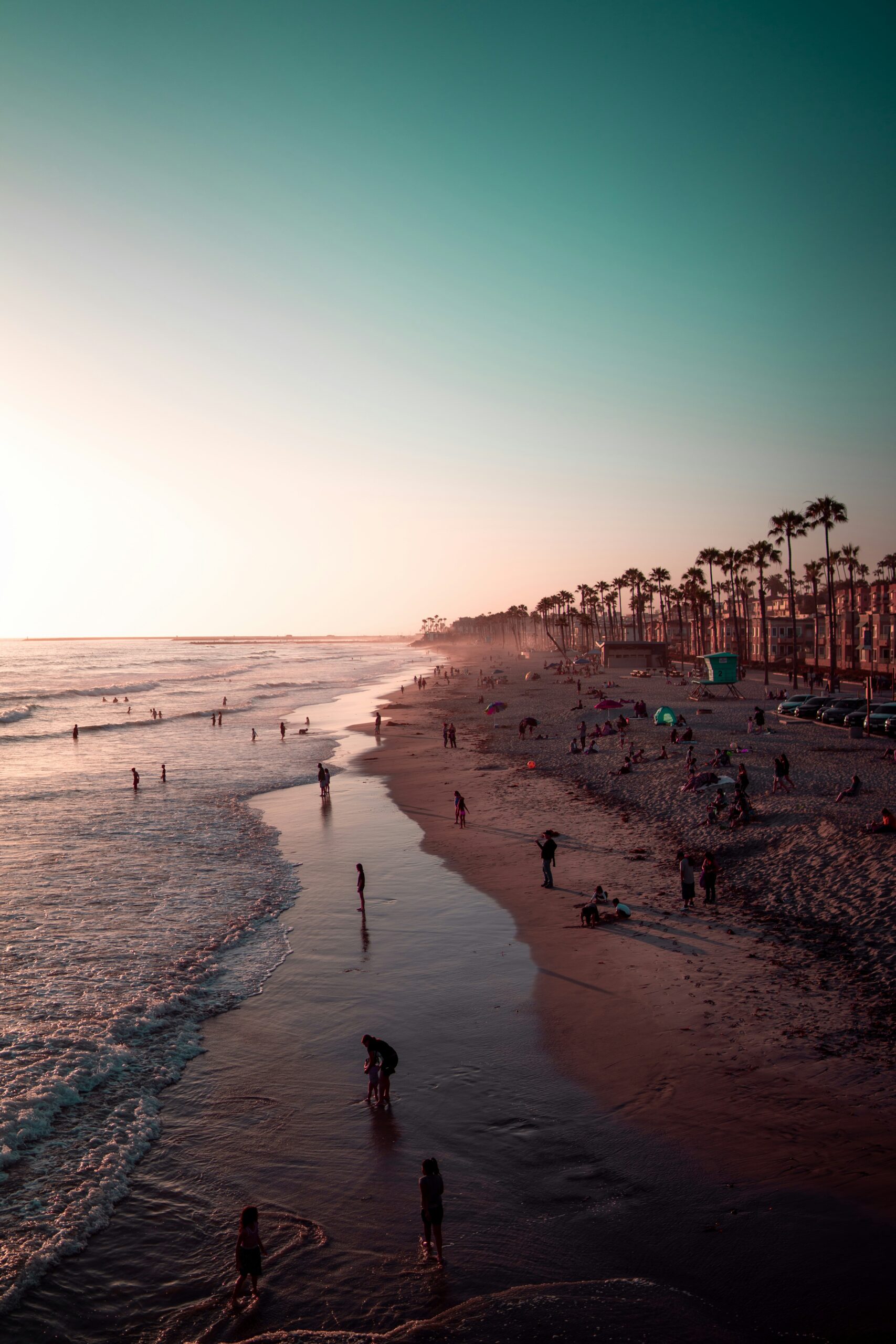
After years wandering through wine country, hiking backroads, and poking around all sorts of outdoor spots, I've narrowed down the destinations that really stand out. Some are classic must-sees, others are quieter and maybe a little overlooked, but they all have something going for them.
This guide covers the beaches, cities, small towns, and desert landscapes that make Southern California such a blast to explore, plus practical details on what to expect when you get there.
Things to Do in Southern California: Best Places to Visit
How to Plan a Southern California Trip
I always tell people that Southern California rewards planning—distances between beaches, deserts, and mountains are bigger than they look on a map. My approach usually starts with where to base myself, how to get around, the best time to go, and what logistics to sort out ahead of time.
Choosing a Base and Trip Length
I pick my base depending on what I want to see most. Los Angeles is handy if I'm splitting time between the coast and city attractions, while San Diego makes it easy to get to the border region and North County beaches.
Palm Springs is my go-to when I want desert scenery and a slower pace. If I'm traveling for 3-4 days, I stick with one base, but for anything longer, a loop just makes more sense.
For a full regional trip, I usually budget:
- 3-4 days: One base, day trips only
- 7 days: Two bases (coast + desert or coast + mountains)
- 10+ days: A full loop through Los Angeles County, San Diego County, and inland desert areas
I've seen 10-day itineraries that mix beaches, cities, and national parks, and honestly, a week and a half feels about right for covering the region without feeling rushed.
Getting Around by Car, Rail, and Local Transit
I always rent a car for Southern California trips because public transit just doesn't reach most of the natural attractions I want to see. Freeways connect Los Angeles, San Diego, Palm Springs, and Ventura County, but the drives are longer than you'd think—LA to Palm Springs is about two hours if traffic cooperates.
When I only need to get between coastal cities like Los Angeles and San Diego, I sometimes use Amtrak's Pacific Surfliner to skip the parking headaches. Inside the cities, Metro in LA or the MTS trolley in San Diego works for short hops.
But if I'm heading into rural or desert areas, I need a car—there just isn't another way once I'm outside the city.
When to Visit for Beaches, Deserts, and Mountains
For beaches, I go from June through September when the water finally warms up and, yeah, the crowds show up too. In the deserts around Palm Springs, I stick to October through April—summer heat there is brutal, no joke.
Mountain areas in LA County and San Diego County are best from late spring through early fall, after the snow melts. Spring (March-May) is usually my sweet spot because it lines up well for most of these regions at once.
Here's a rough breakdown of the best times:
| Region | Best Months | Reason |
|---|---|---|
| Beaches | June-September | Warm water, long days |
| Deserts | October-April | Avoids extreme heat |
| Mountains | May-October | Snow-free trails |
Traffic, Reservations, and Seasonal Safety
I dodge LA and San Diego traffic by steering clear of the 5, 405, and 101 during rush hour. Heading toward Palm Springs or mountain areas on Friday afternoons or Sunday evenings? That's when everyone else is going, too.
I always book lodging and popular activities ahead, especially in Palm Springs during peak winter or along the coast in summer. Wildfire season—usually June through October—is something I keep an eye on, since it can mess with air quality and close roads in Ventura County and other inland spots.
I also check for heat advisories before any desert hikes. That kind of heat isn't something to mess around with.

Signature Cities and Urban Attractions
Southern California's cities each come with their own vibe, from Hollywood landmarks to waterfront parks and old neighborhoods. Every metro area has its own flavor—some lean into culture, others architecture, and a few just have a ton of outdoor space to roam.
Los Angeles: Film, Culture, and Landmark Views
I always start a Los Angeles visit with the entertainment landmarks. The Hollywood Walk of Fame and Chinese Theatreare smack in the middle of Hollywood, and the area still buzzes with TV and movie production.
I never skip Griffith Park. The Art Deco Griffith Observatory has one of the best views of the Hollywood Sign, hands down.
For shopping and people-watching, Rodeo Drive in Beverly Hills is classic, with a walkable stretch of high-end shops. I'd also hit up:
- Universal Studios Hollywood – movie-themed rides and studio tours
- La Brea Tar Pits – a working fossil dig right in the city
- Getty Museum – perched on a hill with killer art collections and gardens
San Diego: Parks, History, and Waterfront Energy
San Diego has a way of mixing history with a lively waterfront that most cities just can't match. Balboa Park anchors the city's culture, with museums and the San Diego Zoo—honestly, it's one of the best zoos anywhere.
Evenings in the Gaslamp Quarter are a must for me, with Victorian-era buildings now packed with restaurants, bars, and live music. The place stays busy well into the night.
For a taste of local history, I stop by Old Town San Diego. The original mission settlement from 1769 is still there, and the combo of old architecture and Mexican-American food stalls makes it a solid stop if you want to get a sense of the city's roots.
Long Beach and the Harborfront
Long Beach is my low-key alternative to LA, with plenty of harbor attractions. The waterfront has the Aquarium of the Pacific, and I like strolling the harbor promenade to watch cargo ships coming and going.
The Queen Mary, a retired ocean liner docked in the harbor, serves as both a historic site and a hotel. Even if I'm not staying overnight, I love checking out the ship's Art Deco interiors.
Downtown Long Beach has grown into a walkable district with restaurants and shops near the water. It's a practical base if you want that harbor vibe without LA's chaos.
Santa Ana, Irvine, Fullerton, and Yorba Linda
Orange County's inland cities move at a different pace than the coast. I like Santa Ana for its historic downtown and the Bowers Museum, which has a good collection of art from the Pacific Rim and the Americas.
Irvine is a planned community with loads of parks, like the Orange County Great Park, and it's a convenient base for families—everything's easy to navigate and pretty mellow.
Fullerton keeps its college-town feel around Cal State Fullerton, with a compact downtown full of places to eat and shop. In Yorba Linda, the Richard Nixon Presidential Library and Museum is worth a visit if you're into presidential history.
The Coast's Essential Beach Destinations
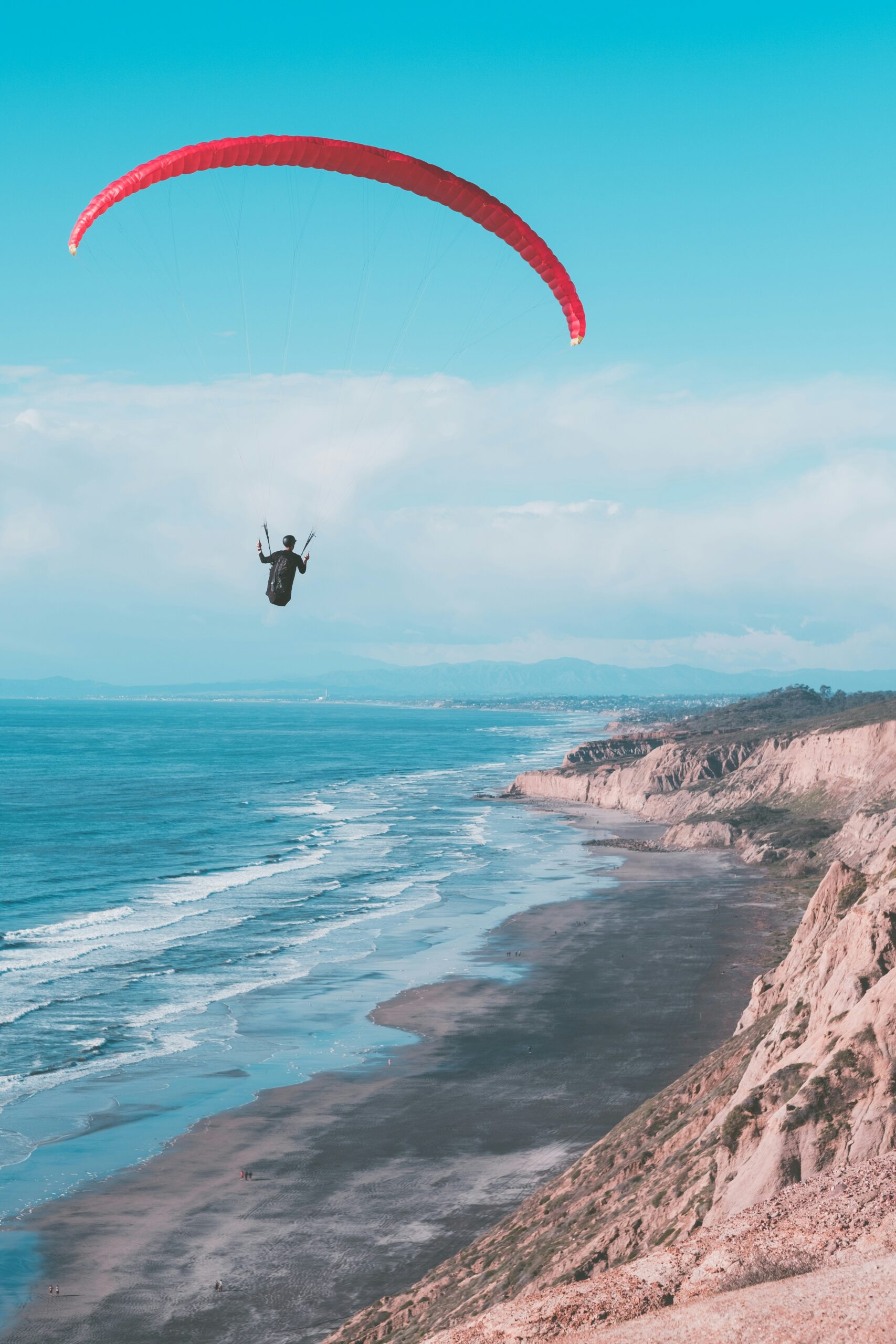
After years exploring the Southern California coastline, I've realized each beach town has its own vibe, shaped by geography, culture, and the crowd it attracts. Whether you're into lively boardwalks or hidden coves, the region's shoreline always has something unexpected.
Santa Monica, Venice, and Manhattan Beach
I usually start with these three because they're close together but couldn't be more different.
Santa Monica is all about its historic pier, which has a Ferris wheel, carousel, and old-school arcade games. The beach itself is wide and great for swimming or volleyball. I like walking from the Santa Monica pier to the Third Street Promenade for shopping and food.
Venice Beach has this raw, chaotic energy. The boardwalk is packed with street performers, vendors, and the famous Muscle Beach gym. The canal district nearby is a surprisingly peaceful spot if you need a break.
Manhattan Beach feels more residential and a bit upscale, with its pier-side aquarium and The Strand bike path that links up several beach towns. It's got a quieter, local feel that I really like.
Malibu and Point Dume
For me, Malibu is the most scenic stretch of coastline in SoCal, with the Pacific Coast Highway winding along cliffs and surf breaks.
Malibu Beach, especially near the pier at Surfrider Beach, is a year-round surfer magnet. Even if I'm not surfing, I like watching from the sand and soaking up the scene.
Farther along, Point Dume has some of the most dramatic bluffs I've seen in Southern California. I hiked up the bluff trail and, on a clear day, could see all the way to Catalina Island. I've spotted sea lions and, if I'm lucky, whales during migration season from up there too.
Orange County Shores From Huntington to Laguna
Orange County gives me some of the most varied beach experiences in the region, ranging from surf culture to upscale coastal towns.
Huntington Beach, nicknamed Surf City USA, has a lively pier and consistent waves that I've watched draw competitive surfers throughout the year.
Farther south, Newport Beach impresses me with its Balboa Peninsula, where I've walked past the Balboa Pier and out toward The Wedge, a spot known for its unusually large, powerful waves.
Nearby, Corona del Mar and Corona del Mar Beach offer a quieter setting with tide pools and cliffside views that I find less crowded than neighboring beaches.
Laguna Beach rounds out the stretch with art galleries, coves, and protected marine areas that reward slower exploration.
La Jolla, Coronado, and San Diego's Coastal Parks
In San Diego, I gravitate toward La Jolla, where La Jolla Cove offers some of the clearest water I've seen along the Pacific Coast, along with a marine reserve where I've watched sea lions gather on the rocks.
Coronado Island sits just across the bay from downtown San Diego, and I've found its beach known for sand that shimmers due to mica content, plus a dog-friendly section I've brought my own dog to.
Beyond these two spots, San Diego's coastal parks, including large aquatic recreation areas, give me additional options for kayaking, paddleboarding, and simply spending a day near the water.
Ocean Activities and Island Escapes
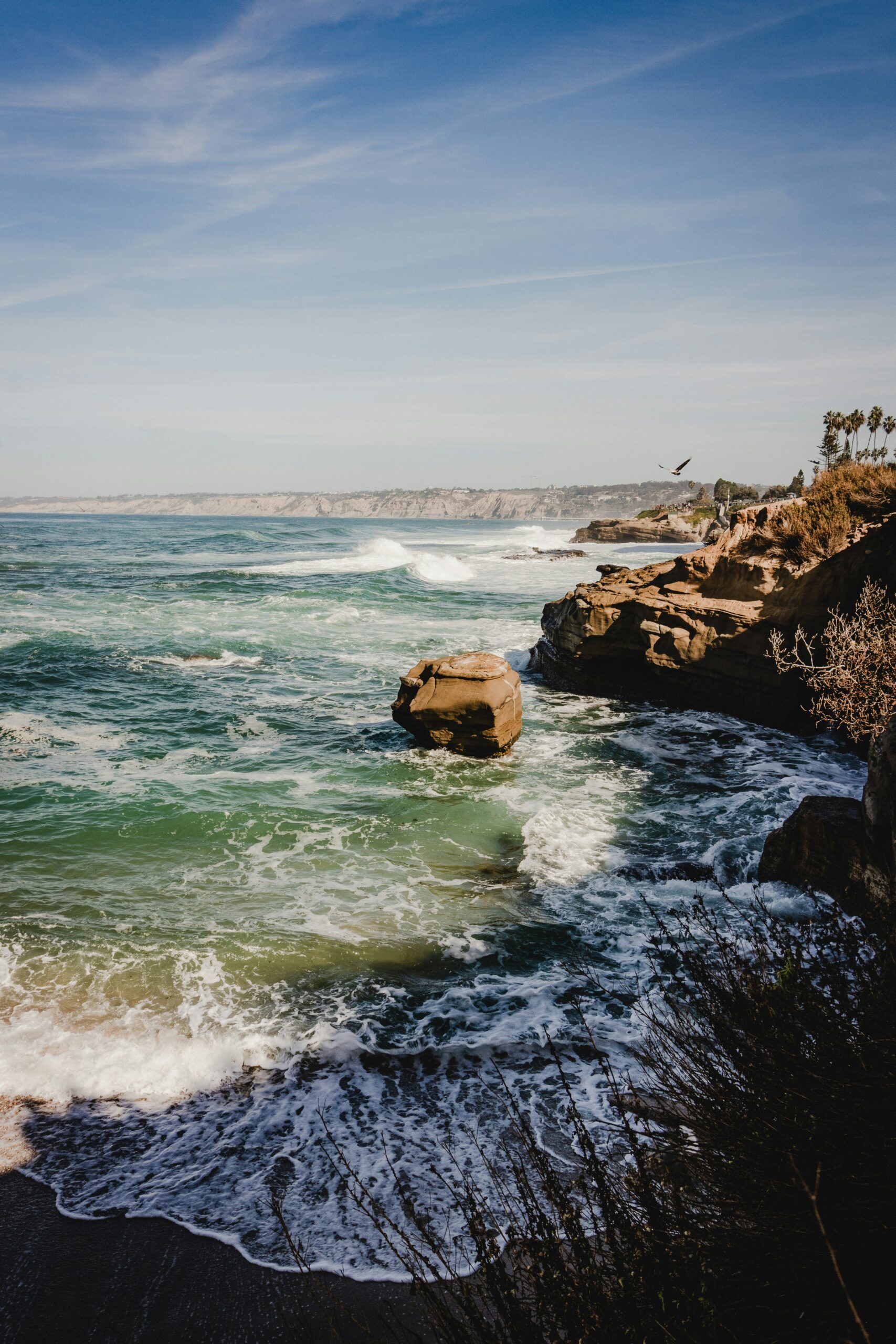
Southern California's coastline gives me access to protected coves for snorkeling, migration routes for whale watching, and offshore islands with their own ecosystems. Each activity requires different timing and preparation, so I plan my trips around tides, seasons, and water conditions.
Surfing, Swimming, and Tide Pool Etiquette
I find beginner-friendly surf breaks at spots like San Onofre and Doheny State Beach, where gentle waves suit new surfers.
More experienced surfers head to Trestles or Rincon for faster, more powerful breaks. I always check surf reports before heading out, since conditions change daily.
Tide pools require a different kind of attention. I visit at low tide, when receding water exposes anemones, crabs, and small fish trapped in rock formations.
I never pick up or remove marine life from tide pools. Stepping only on bare rock, not on mussels or algae, keeps the habitat intact for the next visitor.
Snorkeling and Scuba Diving in Protected Waters
La Jolla's underwater park is one of my go-to spots for snorkeling, since it protects a mix of kelp forests, reef fish, and the occasional leopard shark.
I've also snorkeled through sea caves along the La Jolla coastline, where calm mornings offer the clearest visibility.
Scuba divers get more range here. Catalina Island's dive sites include kelp forests and rock formations home to garibaldi, California's state fish.
If you ask me, diving with a local operator who knows current conditions is always a safer bet, since visibility and water temperature shift throughout the year. Wetsuits are necessary even in summer months.
Whale Watching Along the Coast
I schedule whale watching trips based on the season. Gray whales pass through from December to April during their migration between Alaska and Mexico.
Blue whales and humpbacks show up more reliably from June through September, feeding closer to shore.
I book trips out of San Diego, Dana Point, or Newport Beach, where boat operators track pods using real-time reports from other captains.
Beyond whales, I've spotted dolphins, sea lions, and occasional sea turtles on these same trips. Binoculars help, but most boats get close enough for a clear view without them.
Catalina Island and Channel Islands Adventures
Catalina Island sits about an hour by ferry from the mainland, and I usually base myself in Avalon, the island's main town, for easy access to restaurants and dive shops.
From Avalon, I've hiked into the interior hills and kayaked along the coastline toward quieter coves.
Channel Islands National Park offers a more remote experience. I take a boat from Ventura or Oxnard to reach islands like Anacapa or Santa Cruz, where sea caves and kelp forests attract kayakers and divers.
Back in Newport Beach, Back Bay gives me a calmer alternative for paddling, with estuary wildlife instead of open ocean swells.
Here's a quick comparison:
| Destination | Best For | Access Point |
|---|---|---|
| Catalina Island | Diving, hiking, town amenities | Long Beach, San Pedro |
| Channel Islands | Sea caves, remote hiking | Ventura, Oxnard |
| Back Bay | Calm-water kayaking | Newport Beach |
I've found that sea cave kayaking near La Jolla works well for spotting sea lions and reef fish in a single outing, while trips through Channel Islands sea caves and kelp forests require more planning due to weather and ferry schedules.

Desert Landscapes and National Park Icons
Southern California's deserts range from boulder-strewn national parks to below-sea-level salt flats, each shaped by distinct geology and climate. I've found that these landscapes reward visitors who take time to explore beyond the main overlooks.
Joshua Tree’s Boulders, Views, and Night Skies
I consider Joshua Tree National Park one of the most distinctive landscapes in the region. The park sits at the meeting point of the Mojave and Colorado deserts, and this transition zone is why Joshua trees grow here in such density.
Keys View gives me one of the widest vistas in the park, with the Coachella Valley, the Salton Sea, and on clear days the San Andreas Fault visible from the overlook.
I've watched rock climbers scale the park's granite formations for decades; the boulders here draw climbers of all skill levels, from beginners on short routes to experienced climbers tackling multi-pitch faces. At night, I find the low light pollution makes Joshua Tree a reliable spot for stargazing, with the Milky Way often visible to the naked eye.
Palm Springs and the Coachella Valley
I think of Palm Springs as the resort hub of the desert, known for mid-century modern architecture, golf courses, and natural hot springs. The Palm Springs Aerial Tramway takes me from the desert floor to over 8,500 feet in about ten minutes, moving through several climate zones on the way up to the San Jacinto Mountains.
At the top, temperatures typically drop 30-40 degrees cooler than the valley floor, and I've hiked trails there that lead through pine forest, a sharp contrast to the desert below.
East of Palm Springs, the Salton Sea offers a different kind of landscape. This saline lake, formed by an engineering accident in 1905, serves as a stopover for migratory birds along the Pacific Flyway, and I've visited its shores for birdwatching even as the region undergoes ongoing revitalization efforts.
Death Valley’s Salt Flats and Badlands
Death Valley National Park holds records I find hard to overstate: it's the hottest, driest, and lowest point in North America. Badwater Basin sits at 282 feet below sea level, and I've walked out onto its salt flats, where crystallized minerals form hexagonal patterns across the valley floor.
Zabriskie Point gives me a different view of the park's geology, with eroded badlands in shades of gold, brown, and black that formed from ancient lakebed sediments. I recommend visiting at sunrise, when the light angle brings out the color contrasts most clearly.
Despite the extreme conditions, I've seen wildflower blooms and hardy desert plant life throughout the park, particularly after wet winters.
Mojave and Anza-Borrego Desert Escapes
The Mojave National Preserve covers 1.6 million acres, and I find it far less crowded than nearby national parks. The Kelso Dunes rise nearly 650 feet, and I've climbed them to hear the “singing” sound the sand makes when it shifts underfoot, a rare acoustic phenomenon caused by dry, rounded sand grains.
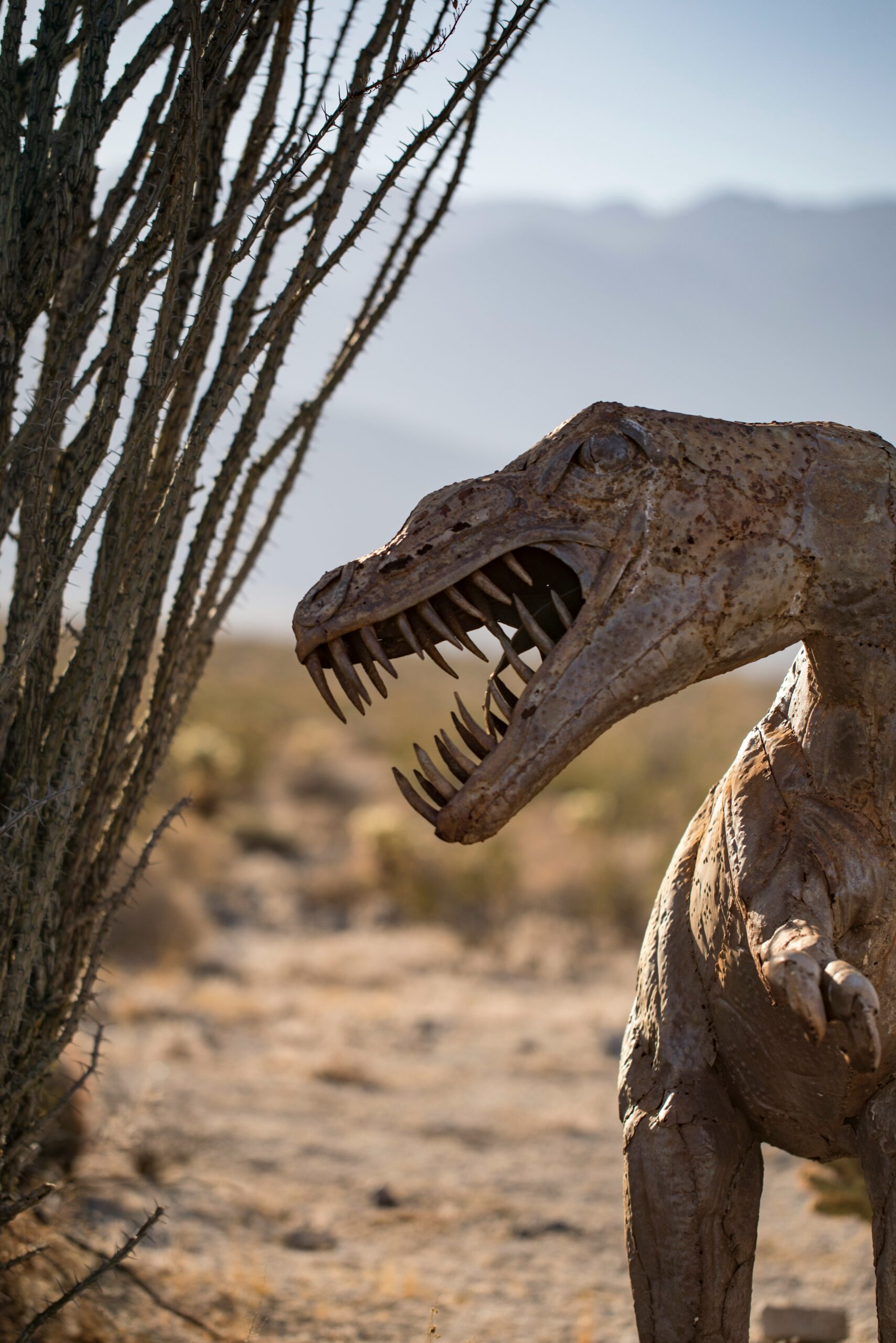
Anza-Borrego Desert State Park, California's largest state park at 600,000 acres, gives me access to slot canyons, badlands, and seasonal wildflower displays. I've spotted Peninsular bighorn sheep here along with kit foxes and mountain lions. Together, these two protected areas represent the quieter side of Southern California desert exploration.
Mountains, Parks, and Outdoor Adventures
Southern California gives me access to coastal peaks, alpine lakes, and desert canyons within a short drive of major cities. I can hike through chaparral in the morning and stand at a mountain overlook by afternoon.
Hiking Trails in the Santa Monica Mountains
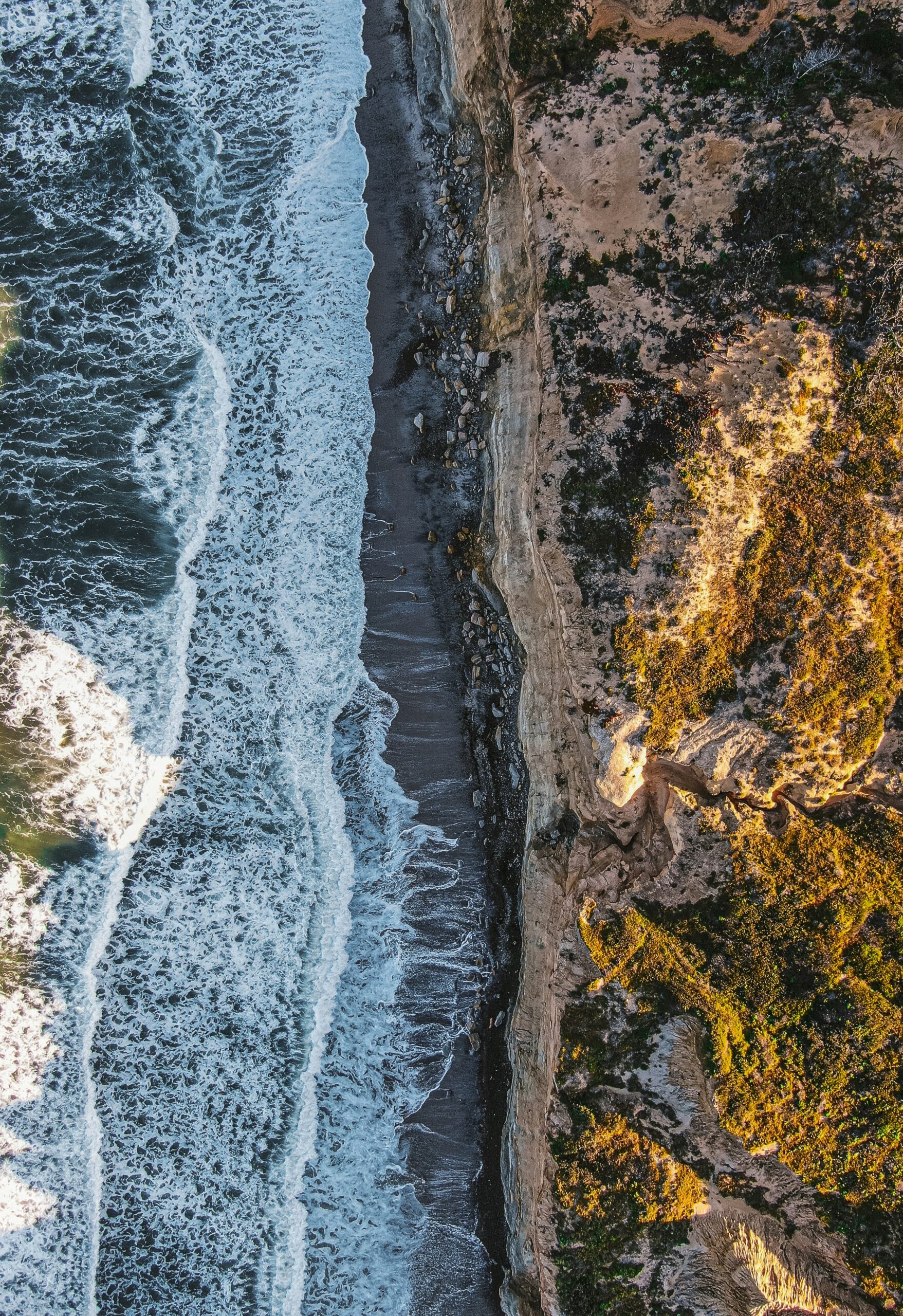
I find the Santa Monica Mountains offer some of the most accessible terrain in the region. The range stretches from Griffith Park to Point Mugu, and I can pick trails based on difficulty and view preference.
Some routes I recommend:
- Solstice Canyon – a shaded, moderate trail with waterfall access
- Backbone Trail – a multi-day route spanning much of the range
- Escondido Falls – shorter hike with a rewarding waterfall payoff
- Point Dume – a bluff-top trail with whale-watching potential in winter months
I always check trail conditions before visiting, since sections close after rain or during high fire danger.
Big Bear, Lake Arrowhead, and the San Bernardino Mountains
When I crave cooler temps and a change of scenery, I drive up to the San Bernardino Mountains. Big Bear and Lake Arrowhead are less than two hours from LA, so it’s an easy escape from summer heat to crisp alpine air.
In summer, I’ll mountain bike the Skyline Trail’s flowing single-track through ponderosa pines or hit the lift-served bike park for some downhill laps. Lake Arrowhead is a bit quieter—nice for hiking, kayaking, or paddleboarding without much fuss.
In winter, both towns flip to ski and snowboard mode. The elevation shift from the valley floor really changes the weather, so I treat this as a four-season area, totally different from lowland cities like Corona.
Coastal Bluffs, Canyons, and Nature Preserves
I like Southern California’s coastal bluffs and inland canyons for shorter adventures with a big payoff. Torrey Pines State Natural Reserve has those sandstone cliffs right over the Pacific, while Peter’s Canyon Regional Park near Orange County gives me an easy reservoir loop through oaks and grassland.
Red Rock Canyon State Park, about 120 miles north of LA, stands out with sandstone formations carved by wind and water—a totally different look from the usual granite and beaches.
Anza-Borrego Desert State Park draws me for its sheer size and those wild spring blooms. Each spot offers a different landscape, and I don’t have to drive forever to get there from the city.
Wildlife Viewing and Responsible Recreation
I run into mule deer, coyotes, and sometimes bobcats on inland trails. Out on the coastal bluffs—Point Dume, for example—I’ll watch for gray whales when it’s migration season. Tidepools along the shore are full of anemones, crabs, and little fish, and I’m careful not to disturb them.
I stick to a few basic rules to help protect these places:
| Practice | Reason |
|---|---|
| Stay on marked trails | Prevents erosion and habitat damage |
| Keep wildlife at a distance | Reduces stress on animals and protects visitors |
| Pack out all trash | Keeps trailheads and beaches clean |
| Check fire restrictions | Limits wildfire risk in dry months |
I treat these guidelines as standard, not optional. Parks like Big Bear and the Santa Monica Mountains see a lot of visitors, so what each person does really matters.
Santa Barbara, Ventura, and the Central Coast Gateway
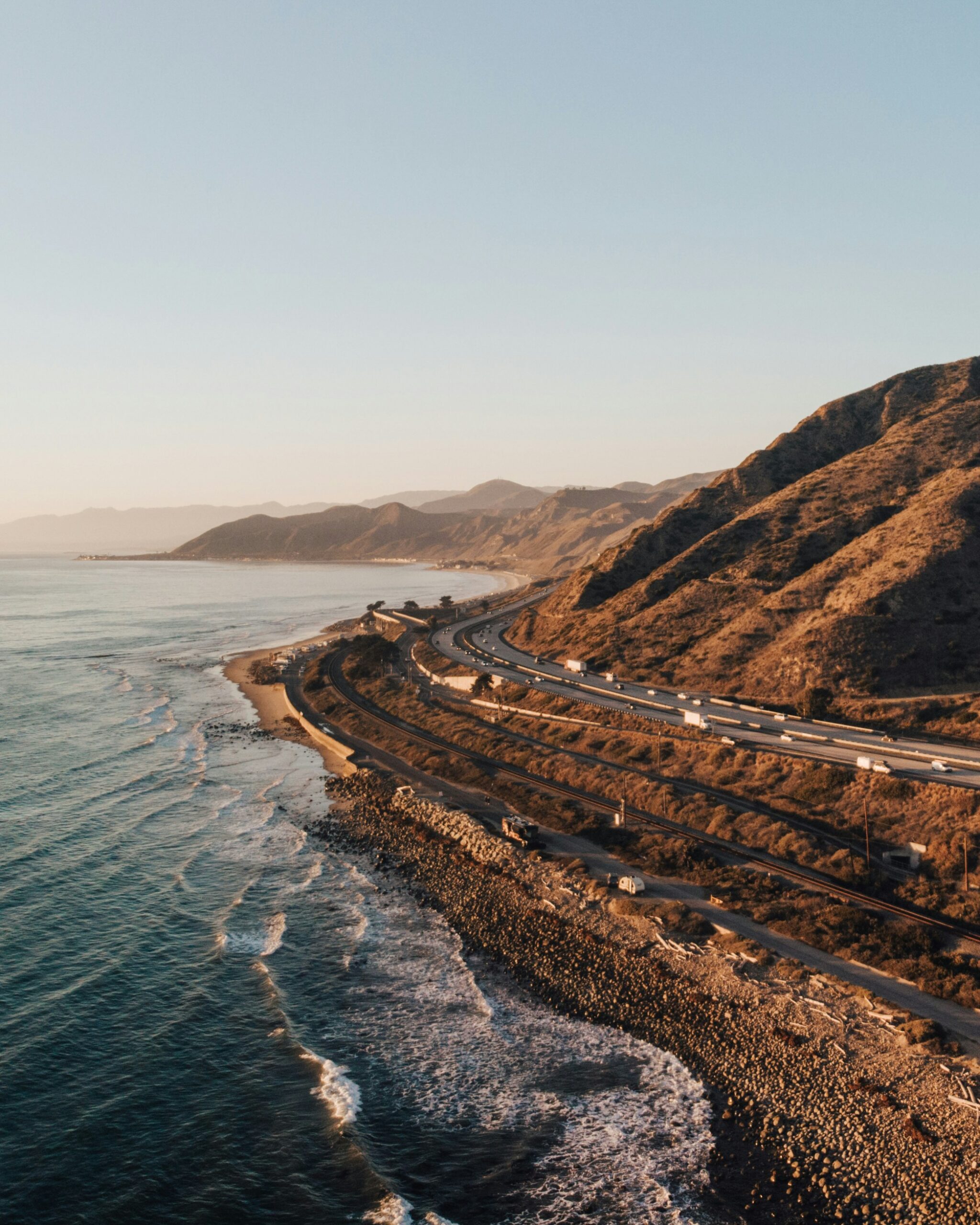
For me, the stretch from Santa Barbara through Ventura County marks where Southern California’s beach vibe starts to blend with the wine country and coastal scenery of the Central Coast. This gateway area puts historic missions, island wilderness, and small-town escapes all within an easy drive.
Santa Barbara's Mission, Waterfront, and Architecture
Whenever I roll into Santa Barbara, I usually start at Mission Santa Barbara, founded in 1786 and often called the “Queen of the Missions” for those twin bell towers and Spanish Colonial style. It’s still an active parish, and you can wander through the chapel, old cemetery, and gardens.
Downtown, the city’s Spanish Colonial Revival rules are everywhere—red tile roofs and white stucco walls, even on the courthouse and the little shops. The Santa Barbara County Courthouse is free, and the clock tower’s view over the city and ocean is worth the climb.
I like walking State Street down to the harbor. Palm trees line the way and the mountains peek out behind the city almost the entire route.
Montecito and Stearns Wharf
Stearns Wharf, built in 1872, is California’s oldest working wooden wharf, and I treat it as my entry to the harbor. I’ll wander out for ocean views, grab something from the seafood stands, or pop into the Sea Center run by the Santa Barbara Museum of Natural History.
A few miles southeast, Montecito is all about quiet luxury—big estates and famous names, but I visit for:
- Low-key shopping on Coast Village Road
- Garden cafés and small restaurants
- That bike path along Coast Village Road connecting back to Santa Barbara
Montecito keeps things mellow, so I just focus on the scenery and food, not nightlife.
Ojai's Art Scene and Valley Retreats
About half an hour inland from Ventura, Ojai sits in a valley famous for the “pink moment”—that sunset glow on the mountains. The town center is walkable, and I like browsing the independent galleries and studios, most of which tie back to a long-running community of artists and craftspeople.
Ojai’s known for its retreat culture, too—there are plenty of wellness-focused inns and spas if you want to slow down. I’ll hit the Ojai Valley Trail (great for biking or walking) and the weekly farmers’ market downtown when I’m around.
Oxnard, Ventura County, and Island Access
I use Oxnard and the Ventura County coast as my base for getting out to Channel Islands National Park. Ventura Harbor and the Channel Islands Visitor Center in Oxnard both run departures, and I book through the park’s concessioner for boat rides to Anacapa or Santa Cruz Island.
Oxnard itself has farmland right up against the beach—sometimes you’ll see strawberry fields practically touching the sand. The beaches, like Oxnard State Beach and Silver Strand, rarely get as crowded as those farther south.
Ventura’s downtown centers on Main Street, where you’ll find the San Buenaventura mission and a pier dating back to the 1870s.
Theme Parks and Family-Friendly Stops
Southern California packs in some of the world’s most recognizable theme parks, each with its own vibe for families. I’ve learned that spacing out park visits and mixing in cultural spots like Balboa Park helps keep a trip balanced and less exhausting.
Disneyland Resort in Anaheim
Disneyland Resort in Anaheim is the anchor for most family trips, for good reason. There are two parks: Disneyland Park (with classics like Space Mountain and Pirates of the Caribbean) and Disney California Adventure, which leans more into thrill rides and California themes.
I always give each park its own full day—trying to split them never works out well. Crowds and wait times climb fast, so I hit the main attractions right after opening.
Comfortable shoes are a must here. The amount of walking between lands is no joke.
Movie Magic at Universal Studios Hollywood
Universal Studios Hollywood sits up in the hills above LA, and the whole place revolves around movies and TV. The Studio Tour is the big draw for me—those working sets and iconic backlots are just fun to see.
The park’s built on different levels, all connected by giant escalators, so it feels totally different from Disneyland or LEGOLAND. I always arrive early and do the Studio Tour before the mid-morning rush.
After that, the themed lands based on blockbuster movies are easy to get lost in. It’s a different energy from the fairy-tale stuff you get elsewhere.
LEGOLAND and Carlsbad Family Fun
LEGOLAND California Resort in Carlsbad is really for younger kids—ages two to twelve, mostly. The pace is gentler than the big parks, and the rides are sized for smaller kids, which is a relief if you’re traveling with little ones.
Miniland USA is a highlight, with those detailed LEGO replicas of American landmarks—honestly, adults get a kick out of them too. There’s a lot of water play, so I always bring sunblock and a spare set of clothes.
Carlsbad itself is a mellow beach town, so pairing LEGOLAND with a beach afternoon is super easy.
Knott's Berry Farm and Educational Attractions
Knott’s Berry Farm in Buena Park mixes old-west rides with legit thrill coasters, giving it a totally different feel from the slick, movie-heavy parks nearby. I like that the crowds are usually lighter than Disneyland, so you can actually ride more in less time.
If you want to add something educational, the San Diego Zoo and Aquarium of the Pacific in Long Beach both offer up-close looks at wildlife and marine life. Balboa Park in San Diego is another favorite, with a bunch of museums and gardens all within walking distance—good for a half-day detour on any Southern California trip.

Wine Country, Small Towns, and Cultural Detours
I’ve found that the inland valleys and coastal towns in Southern California move at a different speed than the beaches and deserts. Vineyards, old mission buildings, and art collections reward slowing down. I like to mix these stops in with outdoor adventures, especially on longer road trips.
Temecula Valley Wine Country
Temecula is about an hour north of San Diego and, for me, it’s the easiest wine region to reach in Southern California. There are 40-plus wineries, mostly lined up along Rancho California Road, so tasting-room hopping is simple and doesn’t require much driving.
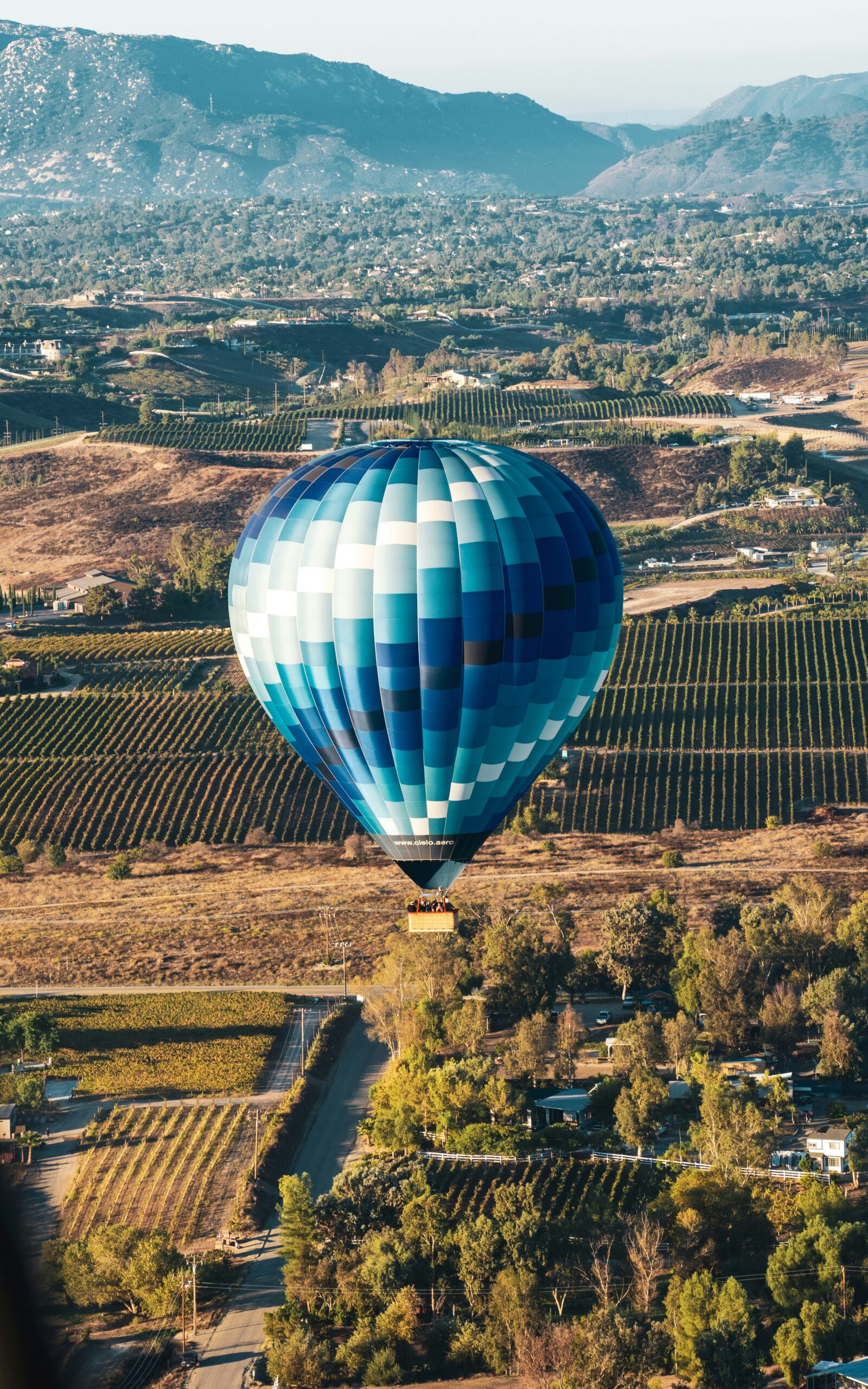
I’ve had good Syrah, Viognier, and Sangiovese here—the climate’s warm by day, cool at night, thanks to a gap in the coastal mountains. Some wineries have vineyard-view restaurants, and those early-morning hot air balloon rides over the valley? Definitely worth booking ahead.
This area is part of a bigger network of Southern California wine regions stretching from Temecula to Santa Barbara County, so it’s a logical place to start or end a wine-focused road trip.
Mission San Juan Capistrano and Heritage Sites
Mission San Juan Capistrano, founded in 1776, is one of the best-kept Spanish missions in California, and I always tell history buffs to check it out. The Great Stone Church ruins, the still-used original chapel, and the gardens all paint a picture of daily life from the mission era.
The town’s famous for its swallows, which used to return every spring—hence “Swallows’ Day.” The downtown keeps a lot of its old adobe buildings and small shops, all within easy walking distance of the mission.
Coastal Art, Gardens, and Museum Stops
Laguna Beach has been an art colony since the early 1900s, and I still think its galleries and the annual Festival of Arts are worth planning a day around. The coves and cliffside paths give it a vibe you don’t get at other coastal towns.
Corona del Mar, just up the coast, has tidepools, a botanical garden, and quieter beaches—a nice pairing with Laguna Beach if you want a slower day.
Head further north and you’ll find the Getty Villa in Pacific Palisades, packed with Greek, Roman, and Etruscan antiquities inside a building styled like an ancient Roman villa. I’d suggest reserving a timed entry ahead of time—admission is free, but they do limit capacity.
Hearst Castle and San Simeon as a Northern Extension
Hearst Castle sits above the town of San Simeon, and honestly, it feels like a natural endpoint if you're pushing a Southern California road trip north along Highway 1. William Randolph Hearst built this sprawling estate between 1919 and 1947—think 165+ rooms, wild gardens, and that iconic Neptune Pool you see in postcards.
Guided tours are the only way in (they've got a bunch of themed ones), and everyone has to take a bus from the visitor center. San Simeon itself is tiny—I've never spent more than a night or two there. The town's really just a pit stop compared to the castle looming above.
Scenic Road Trip Routes and Itinerary Ideas
I've mapped out four routes that, for me, really show off what makes Southern California road trips special: wild coastline, desert weirdness, and all the stuff in between. Each route mixes big-name stops with a few oddball places I keep coming back to.
Pacific Coast Drive From San Diego to Santa Barbara
This is the backbone of any Southern California road trip, at least in my book. I start in San Diego and hug the coast north through Orange County, pausing in Laguna Beach for its little coves and those art galleries that always pull me in.
After that, I roll into Los Angeles, and I always squeeze in the Malibu Canyon to Pacific Coast Highway drive—mountains on one side, ocean on the other. Hard to beat.
El Matador State Beach is a must-stop for me before heading north. Once the road winds into Santa Barbara, everything slows down. Vineyards pop up, Spanish colonial buildings appear, and the city feels like a whole different world from LA sprawl.
If I want to actually get out and explore at each stop, three or four days feels about right for this drive.
Los Angeles to Joshua Tree and Palm Springs
This one’s all about going from city chaos to desert calm in just a few hours. I leave LA heading east, and the scenery flips fast after Redlands.
Palm Springs is usually my first stop. I stick around for a night, mostly for the mid-century houses and, honestly, the hot springs if I’m feeling beat from the drive.
Joshua Tree National Park comes next. I never spend less than a full day here—the rocks and those strange trees look totally different depending on the light, so I try to catch sunrise or sunset if I can.
It works as a weekend trip, but if I want to poke around both the north and south entrances, I’ll stretch it to four days.
Desert Loop Through Death Valley and the Mojave
I don’t rush this one. Death Valley National Park is no joke—extreme heat, long stretches with nothing, so I always plan gas stops and skip the summer entirely.
I usually come in from the east, close to Nevada, and spend the day checking out Badwater Basin and Zabriskie Point before heading south.
After Death Valley, I swing over to Mojave National Preserve. It’s way quieter than the national parks nearby. Wandering the Kelso Dunes, I’ve gone a full hour without seeing another soul.
This loop eats up about four or five days for me. I’d call it one of Southern California’s quieter gems. Most folks just skip the preserve and stick to the famous parks, which is their loss, honestly.
Weekend Itineraries for First-Time and Repeat Visitors
If you’re visiting for the first time, I’d keep it straightforward: start in Los Angeles, cruise up to Santa Barbara, and swing back along the coast. Two days is enough, and honestly, it’s the kind of route that fits the California daydream most folks have.
For those who’ve already done the basics, I usually nudge them toward the desert. A weekend bouncing between Palm Springs and Joshua Tree? It always feels fresh—depends on the weather, your mood, or even who you’re with.
| Itinerary | Best For | Duration |
|---|---|---|
| Coastal loop (LA to Santa Barbara) | First-time visitors | 2 days |
| Desert weekend (Palm Springs, Joshua Tree) | Repeat visitors | 2-3 days |
| Full coast (San Diego to Santa Barbara) | Extended trips | 3-4 days |
| Desert expedition (Death Valley, Mojave) | Experienced desert travelers | 4-5 days |
Honestly, picking the right route for how well you know the area changes the whole trip. Sometimes less really is more.


