Best California Beach Towns: 30 Coastal Towns to Visit
California stretches for hundreds of miles along the Pacific Ocean, and honestly, the coast has some of the most distinct towns in the country. From surf breaks to quiet coves, every community along this shoreline seems to have its own spin on coastal living. The best California beach towns give you easy beach access, walkable downtowns, and those classic ocean views, whether you’re up in Northern California spots like Trinidad and Santa Cruz or down near Los Angeles and San Diego.
I’ve spent a lot of time figuring out what makes a coastal stop worth returning to. Some towns go all-in on surf culture and long sandy stretches, while others lean into art galleries, seafood joints, or historic piers. Central Coast towns like Monterey and Carmel-by-the-Sea move at a slower pace than the busy beaches near LA, and honestly, that variety is what makes this coastline a lot more fun to explore one section at a time.
This guide breaks down the California beach towns that really stand out for their beaches, food, and small-town character. I’m covering options across Northern, Central, and Southern California so you can actually match a destination to the kind of coastal trip you want—whether that’s quiet tide pools or a lively boardwalk.
Best California Beach Towns: 30 Coastal Towns to Visit
How to Choose the Right Seaside Escape
Different parts of the California coast serve different moods, and I usually pick mine based on how active I feel, what I want to spend, and how much quiet I’m hoping for. Some towns cater to surfers and paddlers, others to gallery hoppers and shoppers, and a few somehow work for families or couples, too.
Best Picks for Surfing and Water Sports
If I’m chasing waves, I go for towns with reliable breaks and easy access to the water. Places along the Southern California coast known for surf culture usually have surf schools, board rentals, and a pace that just revolves around the ocean.
But it’s not all about surfing for me:
- Kayaking and paddleboarding in calm coves or the harbor
- Whale watching tours, especially in winter and early spring
- Tide pools for checking out marine life at low tide
- Beach trail access, because a walk before or after being in the water just feels right
Morro Bay and Channel Islands Harbor hit the sweet spot for combining surf with calmer paddling spots nearby.
Best Picks for Culture, Dining, and Shopping
When I want more to do off the sand, I look for towns where you can walk from the beach to galleries, shops, and seafood places without much effort.
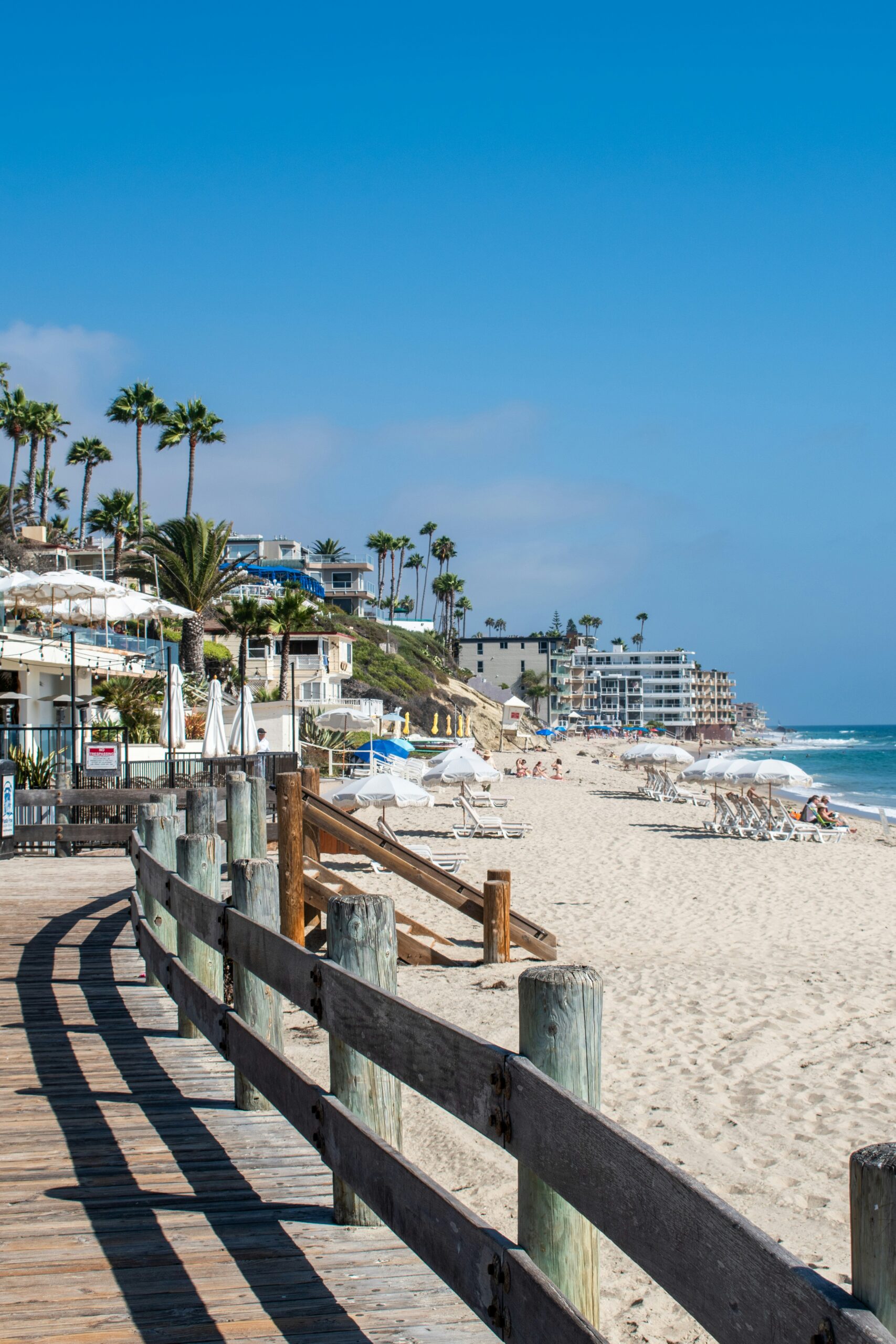
Carmel-by-the-Sea and Laguna Beach have a ton of galleries and independent shops, making them perfect for wandering on foot for a few hours. I also like towns that have live music or events in the evening—it just adds something after a day outside.
Seafood is a must for me in these places. If there’s a working harbor or some fishing history, I figure the menu’s probably more legit and the fish will be fresher.
Best Picks for Families, Couples, and Quiet Getaways
For families, I go with towns that have gentle surf, lifeguards, and flat paths rather than steep hikes. Manhattan Beach and Newport Beach check those boxes—the beaches are wide, and things are spaced out enough that you don’t feel packed in.
For couples or when I just want a slower trip, I lean toward smaller towns like Fort Bragg, where the pace slows down and it’s more about the scenery than the activities. These spots usually pair well with a short hike or a coastal trail that’s not crowded.
I also look at how close these towns are to nature reserves or state parks—having something wild nearby always adds a reason to visit beyond just the beach.
Northern Coast: Rugged Scenery and Small-Town Character
Driving Highway 1, I run into windswept cliffs, working harbors, and towns that somehow kept their character even after decades of visitors. Each stop feels different, with its own mix of hiking, wildlife, and Pacific views.
Mendocino and Fort Bragg
Mendocino sits on a headland surrounded by cliffside trails. I always find myself walking through Mendocino Headlands State Park for those views of the surf below.
The town’s New England-style architecture makes it stand out from other coastal spots I’ve visited in California.
Just a few miles north, Fort Bragg gives me a more practical base with places to stay and eat. I never skip Glass Beach, where decades of sea glass have washed up along the shore.
The Skunk Train leaves from Fort Bragg, taking you through redwood groves inland—a fun way to see a different side of the region, honestly.
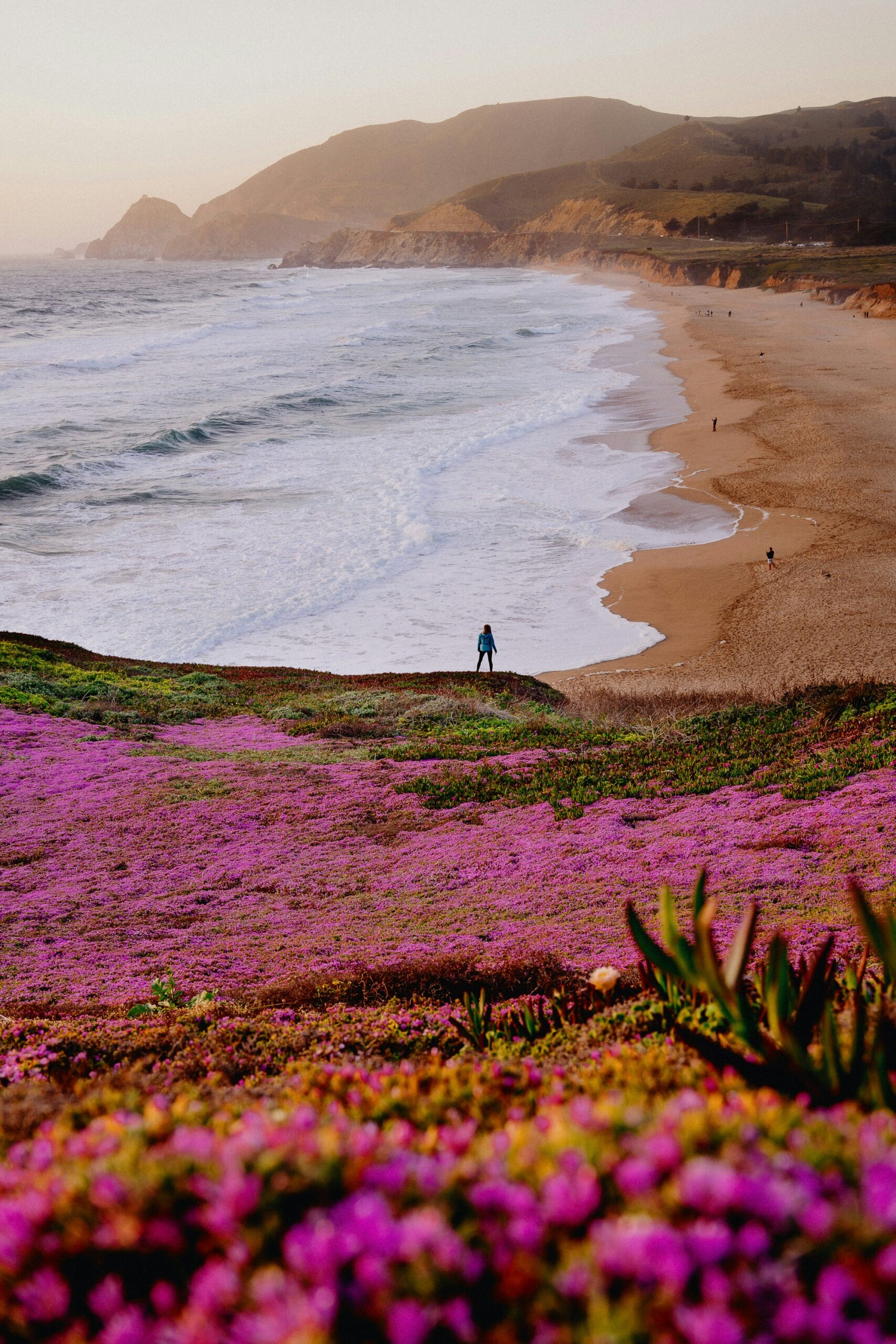
Half Moon Bay and Pillar Point Harbor
Half Moon Bay gives me a quieter option compared to the busier coastline further south.
Half Moon Bay State Beach runs for four miles, and I’ve spent plenty of mornings walking the sand and checking tide pools when the tide’s out.
Pillar Point Harbor is my go-to for that working-harbor vibe. Fishing boats dock here, and in winter, I’ve watched surfers go after the massive waves at Mavericks.
Kayaking in the harbor gives me a mellow way to see the coast, and come December through spring, whale watching boats leave from here as gray whales migrate past.
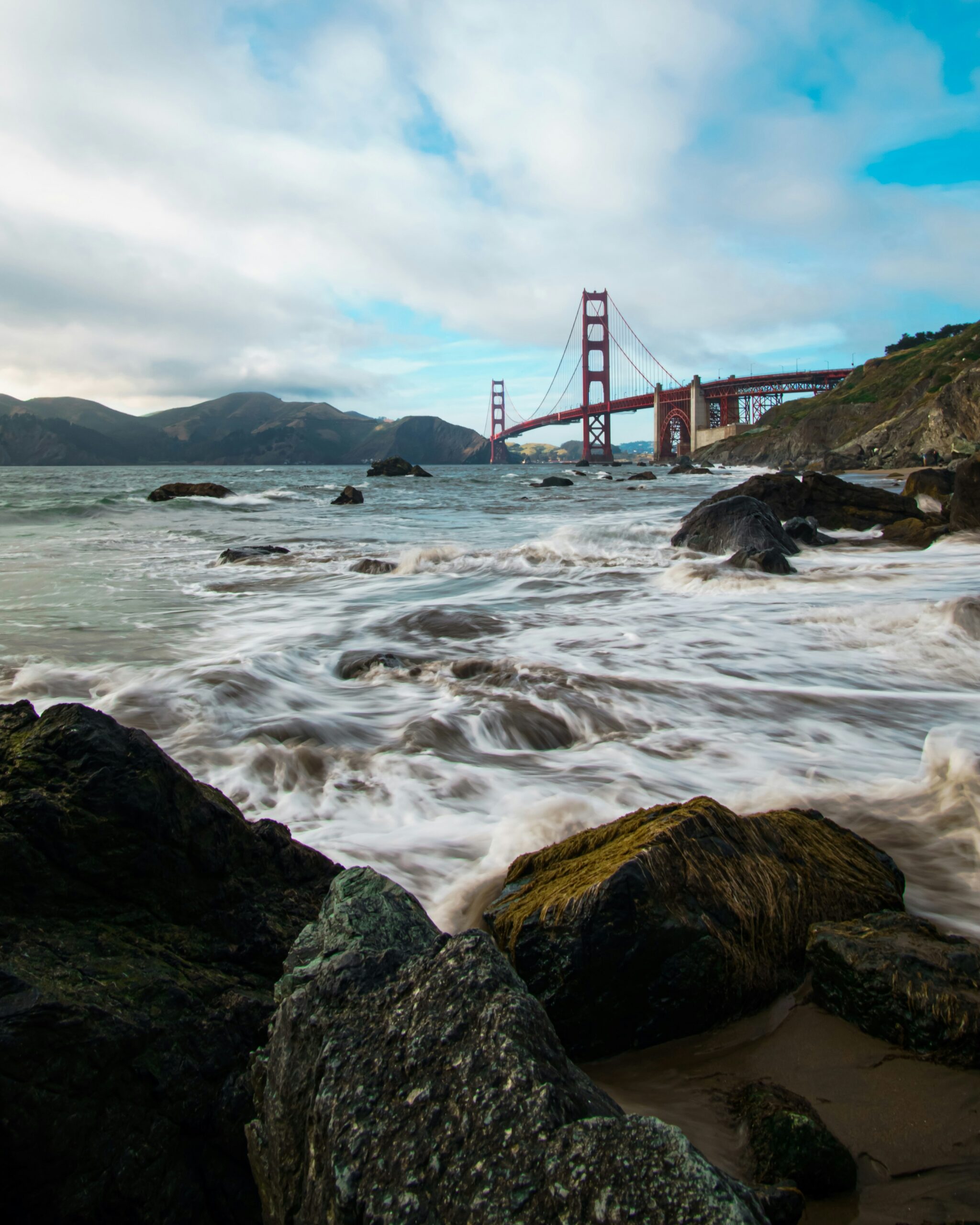
San Francisco and the Gateway to the Coast
I treat San Francisco as my launch point before heading south or north on Highway 1.
The city connects right to the coastal route, and within an hour I can get to Half Moon Bay or the beaches in Marin County.
San Francisco itself gives you coastal access at places like Ocean Beach, where I’ve watched the fog roll in over the Pacific during evening walks.
Using the city as a base works well for day trips to smaller towns, especially if you don’t want to commit to longer drives on unfamiliar roads.
Central Coast: Classic Boardwalks, Bays, and Village Charm
The Central Coast feels like a blend of old-school boardwalks, protected bays, and small villages built around art, food, and ocean views. Every stop along this stretch has its own thing going on, from surf culture to fine dining to rugged bluffs.
Santa Cruz and Capitola
I always start in Santa Cruz for the boardwalk. The Santa Cruz Beach Boardwalk is one of the oldest seaside amusement parks on the West Coast, and the Giant Dipper roller coaster is a must, especially with the ocean right there.
Just a few miles south, Capitola has a slower pace. Capitola Beach sits below those colorful cliffside houses, and I usually grab lunch at one of the little cafes along the creek.
Surfing really shapes both towns. I’ve watched people take on the waves near Steamer Lane—it’s a local favorite for a reason.
Monterey, Pacific Grove, and Pebble Beach
Monterey is my pick for marine life and history. The Monterey Bay Aquarium sits right on the bay, and I can easily lose hours watching sea otters and the kelp forest exhibits.
Cannery Row and Fisherman’s Wharf remind me of the area’s fishing past, now filled with seafood places and shops. I almost always end up with a bowl of clam chowder by the harbor.
Pacific Grove next door feels quieter. I like walking the coastal path there for open ocean views without the crowds.
Pebble Beach rounds out this area with its famous golf courses and 17-Mile Drive. I drive it slow, stopping at turnouts for photos of the cypress trees and rocky coastline.
Carmel-by-the-Sea and Carmel Valley
I’d say Carmel-by-the-Sea is one of the most distinct villages on the coast. Ocean Avenue has galleries, boutiques, and restaurants, and I never rush it.
Carmel Beach is wide and white, with cypress trees in the background, and I usually see dogs running off-leash along the sand. The Carmel Mission nearby gives you a look at the area’s Spanish colonial history, with its stone buildings and peaceful gardens.
Inland, Carmel Valley feels completely different. I go for wine tasting—the valley’s warmer and perfect for grapes, and you can hit a few small tasting rooms in an afternoon.
Morro Bay, Cayucos, and Cambria
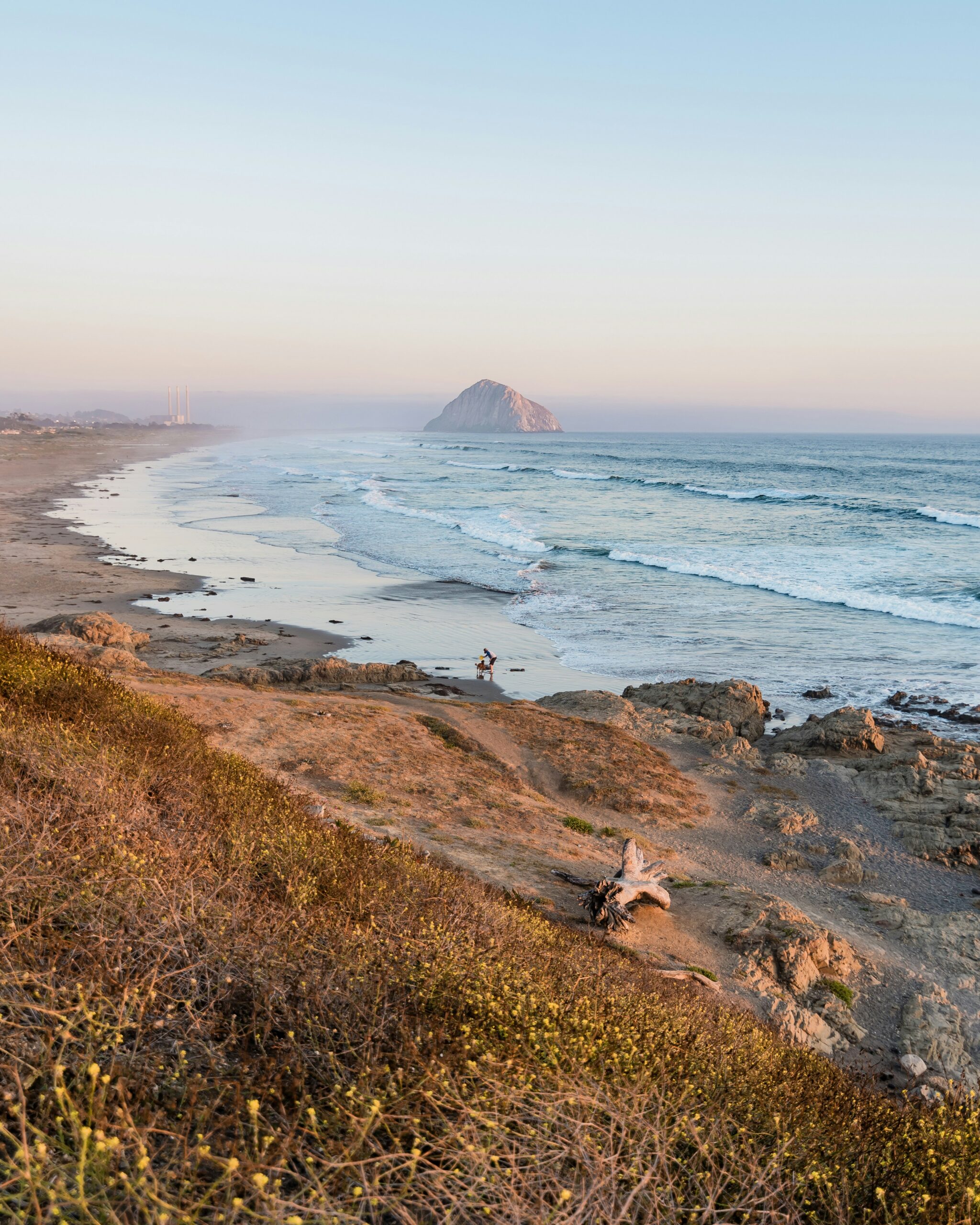
Morro Bay is all about Morro Rock, that big volcanic plug you can see from just about anywhere in town. I like wandering through Morro Bay State Park, where I’ve spotted otters and a bunch of shorebirds.
Morro Strand gives you a long, flat beach for walking, while Cayucos nearby has a chill vibe with an old pier I never skip. Estero Bluffs State Park has trails with strong ocean views, and I usually stop there on my way to Cambria. In Cambria, Moonstone Beach is my go-to for tide pooling and beachcombing, especially along the boardwalk above the shore.
Southern Coast: Surf Culture, Resort Stays, and City Energy
The stretch from Santa Barbara to San Diego really packs in the most variety—quiet resort towns, classic surf breaks, and some of the most recognizable beaches in California. Every region has its own vibe, shaped by the land, the history, and the people who built their lives around the water.
Santa Barbara, Montecito, Carpinteria, and Ventura
Santa Barbara strikes me as one of the more polished coastal cities in the state, with its Spanish colonial architecture and a waterfront that practically begs you to try sailing, paddleboarding, or just lingering over a beachfront meal. Just south, Montecito feels quieter, more residential—if you haven't been, Butterfly Beach is worth a stop for its tide pools and those wide-open views back toward Santa Barbara.
Carpinteria calls itself home to one of California’s safest beaches, and I’ve always found the wide, gently sloping sand great for families. Ventura sits further south and works as a launch point for boat trips out to Channel Islands National Park—whale watching tours run seasonally, depending on what’s migrating through.
Malibu, Santa Monica, Venice, and the South Bay
Malibu's reputation really does come from its surf history, and Surfrider Beach is still the go-to spot for longboarders. The Malibu Pier anchors the main drag, and Malibu Country Mart gives you somewhere to eat or shop without leaving the beach scene. Zuma Beach, just a bit north, has more space and fewer crowds than the stretches closer to the pier.
Santa Monica connects right into Los Angeles and feels like a classic urban beach—there’s the working pier, the boardwalk, and a steady hum of activity. Venice sits just south, and I always think Venice Beach or the Abbot Kinney corridor are perfect for street art, quirky galleries, and indie shops. The South Bay keeps this streak going—Redondo Beach, with its working pier, feels more laid-back compared to the busier beaches up north.
Orange County’s Harbor and Art Towns
To me, Newport Beach is Orange County's definitive harbor town, with Balboa Island offering small-boat rentals and the Balboa Fun Zone adding a splash of old-school amusement right on the water. Fashion Island covers the shopping scene, while Corona del Mar and nearby Crystal Cove State Park have tide pools and coastal bluffs that feel less developed.
Laguna Beach is still known for its art scene, and Main Beach acts as the central gathering spot. The annual Pageant of the Masters draws people for its live re-creations of classic art. Further south, Dana Point brings Doheny State Beach for camping and surfing, and San Clemente sits near Trestles—a surf break that competitive surfers really respect. Huntington Beach, branded as Surf City USA, hosts big surf competitions and keeps that surf museum vibe alive.
San Diego County’s Coastal Communities
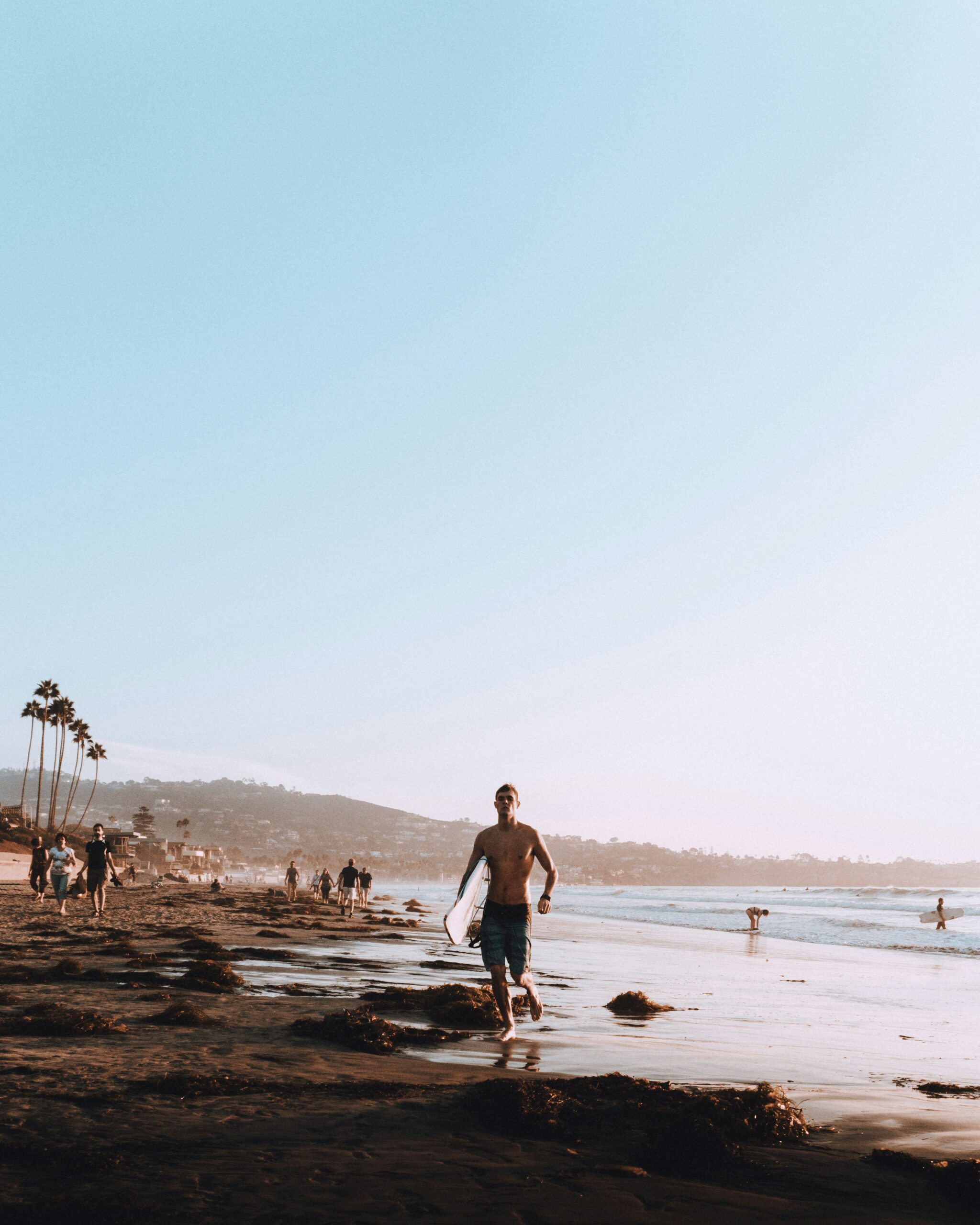
Oceanside makes a good starting point if you want to get a sense of the region’s surf history, mostly thanks to the California Surf Museum. Encinitas keeps the surf culture going, and its reputation as a surf town is known well beyond California. Solana Beach and Del Mar are smaller, quieter—lots of galleries, breweries, and those coastal bluffs that just seem to invite a slow afternoon.
La Jolla, part of San Diego proper, has a calmer vibe with farmers markets and outdoor dining right by the water. Coronado, reached by the Coronado Bridge, is home to the Hotel del Coronado, a Victorian-era landmark you can’t really miss. Resorts like Alila Marea Beach Resort in Encinitas cater to travelers who want direct beach access and oceanfront views.
Plan a Coastal Road Trip With Confidence
Honestly, a good California coast road trip comes down to realistic driving times, knowing the seasonal weather, and having a plan for parking and crowds. Here’s how I tackle each piece to build an itinerary that actually works for me.
Build a Realistic North-to-South Route
I always start by choosing between Highway 1 and U.S. 101, switching it up based on what I want that day. Highway 1 hugs the shoreline and gives you killer ocean views, but it’s definitely slower—lots of curves and, let’s be honest, surprise roadwork. U.S. 101 is quicker if I just need to get somewhere between beach towns.
Instead of trying to do the whole coast in one go, I break my trip into manageable segments. That 16-day itinerary split into Southern, Central, and Northern sections gives me room to skip or combine regions depending on my mood and timeline.
Stops always take more time than you’d think. Even a 75-mile stretch through Big Sur can eat up two hours once you add in scenic pull-offs and crawling behind slow traffic.
Know the Best Seasons for Beach Weather
I always check the local weather before I pick my dates, because the California coast isn’t just one climate zone. Southern California beach towns are usually warm and sunny, but up north you get more fog, wind, and cooler temps—even in the summer.
Late spring and early fall are my sweet spots for clear skies and smaller crowds. Summer brings the tourists and higher hotel prices, and honestly, it can feel a bit much at the big-name stops.
Some activities really depend on the season. Whale watching peaks during winter and early spring, while the best surf conditions bounce around depending on the beach and the swell.
Prepare for Parking, Crowds, and Changing Conditions
I usually figure out parking ahead of time for popular beach towns—public lots fill up fast on weekends and holidays. Streets near the main beaches often have time limits or permit rules, so I always check the signs before I leave my car.
Crowds show up early at the big stops, so I try to get to hiking trails, viewpoints, and coastal parks before everyone else. Places like Point Lobos or Fern Canyon have tiny parking lots, so it’s a bit of a race.
Before I head out, I check road conditions—Highway 1 sometimes closes because of landslides or construction. I keep U.S. 101 in my back pocket as a backup route, just in case.
Frequently Asked Questions
I get these questions a lot, so here’s what usually comes up when people start planning a California coast trip.
What are the most beautiful coastal towns in California?
I usually steer people toward Malibu, La Jolla, and Montecito for those dramatic views and a little extra polish.
Malibu’s got 21 miles of beach, with spots like Topanga State Beach and Point Dume that never disappoint.
La Jolla stands out for its 300-foot sea cliffs at Torrey Pines and the marine life you can spot at La Jolla Cove.
Montecito, just outside Santa Barbara, gets attention for Butterfly Beach and its laid-back, residential vibe.
What are the best beach towns in Southern California?
Encinitas, Newport Beach, and Dana Point are my go-tos for Southern California beach towns.
Encinitas has a bunch of distinct beaches—Moonlight State Beach for sunsets, Swami's for watching surfers tackle the bigger waves.
Newport Beach gives you Balboa Island by ferry and The Wedge, where waves sometimes hit 30 feet.
Dana Point is known for year-round whale watching and the calm water at Baby Beach, which is great if you’ve got little kids in tow.
Which Northern California coastal towns are worth visiting?
Northern California’s coastal towns usually feel quieter and a bit more rugged than the ones down south.
I notice these towns focus more on scenic drives, tide pools, and smaller-scale tourism instead of big resorts.
The landscape changes too—steeper cliffs, cooler air, and that wild, windswept feeling you don’t get farther south.
What are the best coastal towns near San Francisco?
The towns closest to San Francisco mix small-town charm with easy access to the city—pretty ideal for day trips since you don’t have to drive far from downtown.
I’ve found these areas handy for a quick escape, though they’re generally cooler and foggier than Southern California, which can shape what you end up doing.
What is the most affordable beach town to live in California?
Affordability’s all over the map along the California coast, but I’ve noticed towns farther from big cities usually cost less.
Oceanside, for example, feels more laid-back and younger, and people describe it as a working-class alternative to the pricier beach cities nearby.
If you’re serious about moving, it’s smart to compare housing costs directly—prices shift fast depending on how close you are to the water and what’s happening locally.
Which California beach town has the nicest beaches?
Honestly, it really depends on what you're hoping to get out of your beach trip.
If you're chasing good surfing, La Jolla and Encinitas have some of the most reliable waves I've found.
But if you want something quieter and more family-friendly, Seal Beach and Dana Point's Baby Beach usually have gentler water and fewer crowds than the big-name spots.


