California by Month: Best Time to Visit & Travel Guide
I've spent enough Septembers driving Highway 1 and enough Januarys chasing snow in Mammoth to know that California doesn't run on one calendar. It runs on five or six, all overlapping. The coast, the desert, and the mountains can be having completely different seasons on the same afternoon.
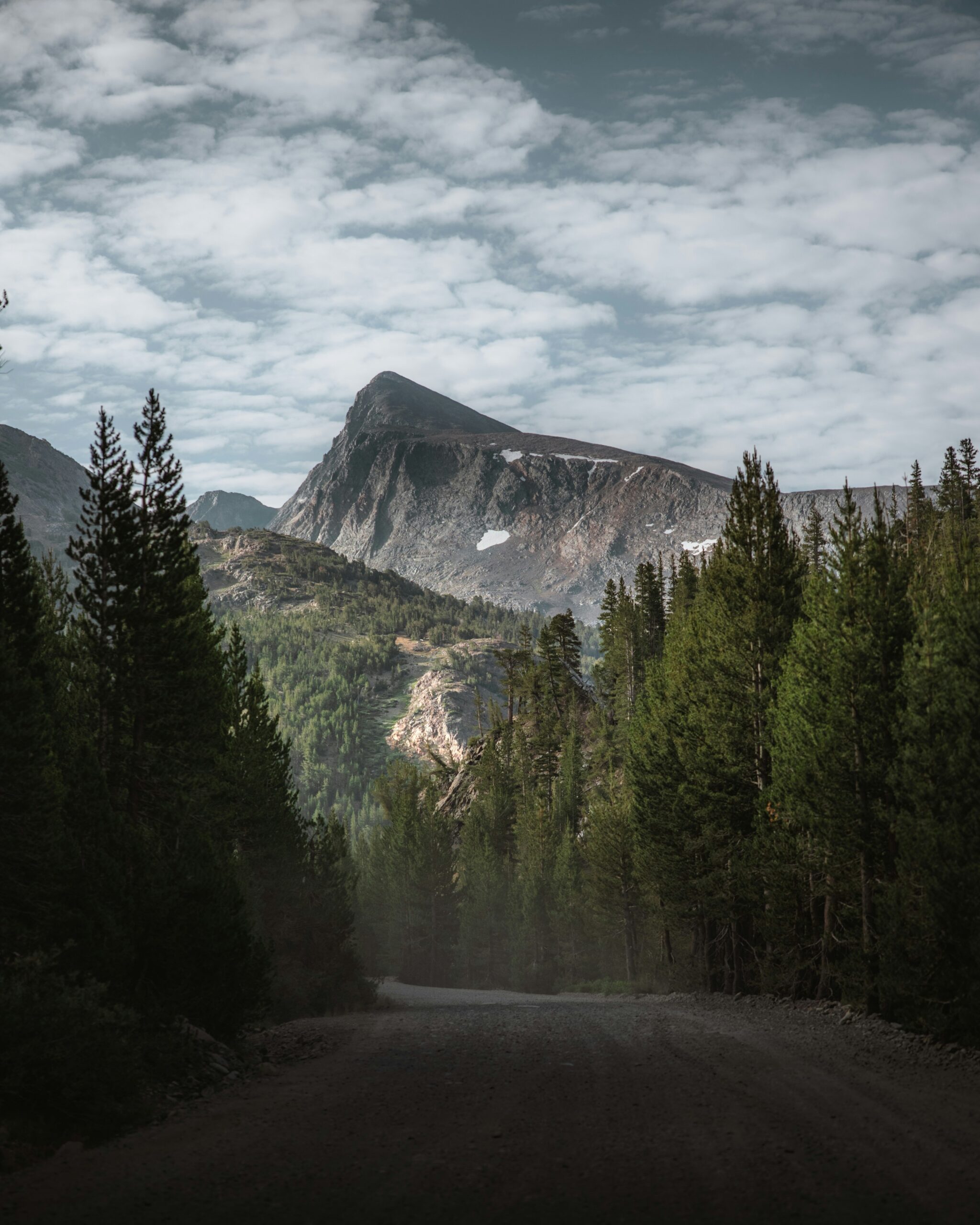
If you're picking one window for a first trip that touches several regions, September through November tends to deliver the best mix of mild weather, thinner crowds, and open roads across California. That said, the right month really depends on what you're chasing. Winter means snowpack in Lake Tahoe and whale watching off San Diego. Spring brings wildflowers to Anza-Borrego and waterfalls to Yosemite. Summer owns the beaches but also brings fog to San Francisco and heat to the desert.
California weather shifts by elevation and distance from the Pacific Ocean more than by the date on the calendar. A good trip plan starts with matching your destination to its own season, not the state's average one.
California by Month: Best Time to Visit & Travel Guide
California by Month Travel at a Glance
California's best time to visit changes by region, so the smartest way to plan is to match your destination to its own seasonal pattern instead of relying on one statewide forecast. A beach day in San Diego and a snow day in the Sierra Nevada mountains can happen the same week, sometimes the same weekend.
How to Use the 12-Month Travel Calendar
Start with your destination, not the month. Pick where you want to go first, then check that region's pattern for temperature, rain, and crowd size. A trip built around Highway 1 and the coast runs on a different clock than one built around desert parks or ski resorts.
Cross-reference two things before booking: typical weather for your target month and any road or park closures tied to snowpack or wildfire season. Mountain passes and some park roads close seasonally, and that can reshape an itinerary fast.
Why California's Regions Have Different Seasons
Three geographic forces drive most of the variation: the Pacific Ocean, the Sierra Nevada mountains, and the Central Valley. The ocean keeps coastal cities mild year-round, rarely dropping below the 40s or climbing past the 70s. The Sierra Nevada holds snow well into spring at higher elevations. The Central Valley, shielded from the ocean's cooling effect, runs hot and dry in summer and can see thick fog in winter.
Northern California and Southern California also diverge sharply by season. Northern California sees more rain and cooler summers along the coast, while Southern California stays warmer and drier most months, with its own fog quirks in late spring.
The Best Months for a First California Trip
September and October give first-time visitors the most forgiving combination of weather, availability, and open roads. Summer fog has cleared from the coast, inland heat has eased, and the Sierra Nevada mountains are typically snow-free for road trips through Yosemite or Lake Tahoe. If those months don't fit your schedule, April and May are the next best window, especially for wildflowers and waterfalls.
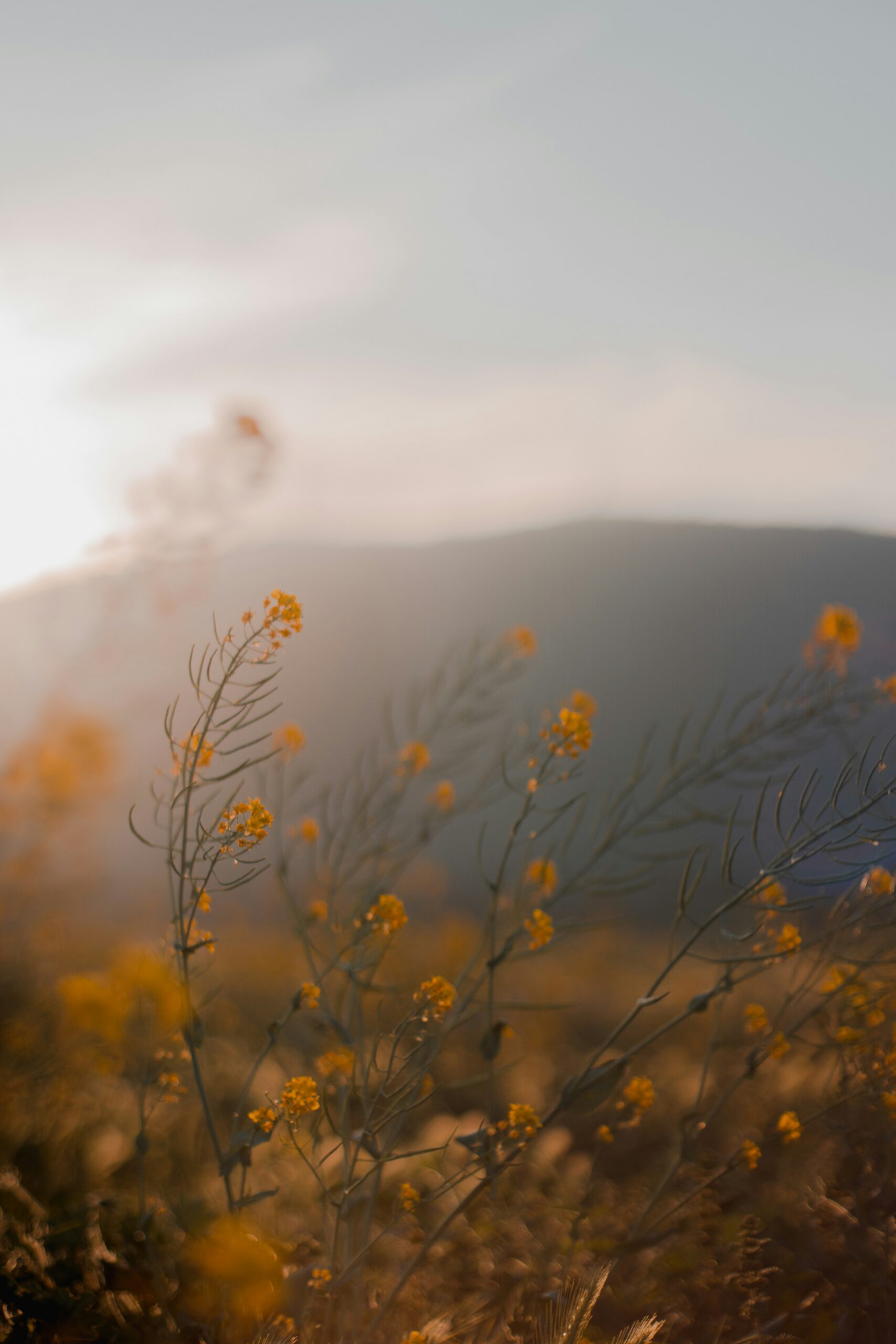
Winter: December Through February
Winter in California splits sharply between coastal mild weather and mountain snow, so the season rewards travelers who pick a lane. Coastal cities like San Diego and Los Angeles stay comfortable for walking and sightseeing, while Lake Tahoe, Mammoth Lakes, and Big Bear turn into serious ski country.
California in December
December opens ski season in earnest. Snowpack typically builds through the month at Mammoth Mountain and around Lake Tahoe, and early storms can bring solid coverage well before the holidays. Coastal cities stay mild, with San Diego often in the mid-60s during the day.
Holiday travel adds crowds and higher prices at both ends of the state. San Diego's Parade of Lights, a boat parade held on San Diego Bay, draws visitors downtown in mid-December. Desert parks like Joshua Tree National Park see comfortable daytime hiking temperatures once summer heat has fully faded.
California in January
January is one of the quietest and cheapest months for California travel outside the ski towns. Coastal weather stays mild, though rain is more likely than in summer. This is prime time to spot gray whales migrating along the coast, with whale watching tours running from San Diego up through Central California.
Ski conditions at Mammoth Mountain and Lake Tahoe are often at their best in January, assuming a normal or strong snow year. Death Valley, by contrast, is one of the most pleasant places in the state to visit this month, with daytime highs typically in the 60s and 70s.
California in February
February keeps the ski season strong while desert parks start warming into ideal hiking range. Big Bear Lake and Lake Tahoe usually still have solid snowpack for skiing and snowboarding. Joshua Tree National Park and Death Valley offer comfortable daytime temperatures before spring crowds arrive.
Coastal rain is still possible, and this is often the wettest stretch of the year in Northern California. Whale watching remains active off the coast near San Diego through February as the migration continues.

Spring: March Through May
Spring is when California's landscape changes the fastest, moving from wildflower blooms in the desert to snowmelt waterfalls in the mountains within a few weeks of each other. It's a strong season for hiking and national parks, provided you track each region's specific bloom or melt window rather than picking one date for the whole state.
California in March
March often brings peak wildflower season to Anza-Borrego, though bloom timing depends heavily on winter rainfall and can shift by several weeks year to year. Coastal Southern California, including Los Angeles, stays mild but can turn cool and damp, a pattern some locals call a preview of the marine layer that dominates early summer.
Sierra Nevada mountain passes are typically still snow-covered in March, so high-elevation road trips should wait. Joshua Tree and Palm Springs offer some of the year's most comfortable daytime temperatures for hiking and pool time alike.
California in April
April is a strong month for Yosemite waterfalls, as snowmelt from the Sierra Nevada often peaks in mid-to-late spring and sends Yosemite Falls and Bridalveil Fall running at full force. National parks across the state see manageable crowds compared to summer.
Wildflowers can still be blooming at higher desert elevations even as Anza-Borrego's lower-elevation bloom fades. Palm Springs and Joshua Tree remain comfortable, though afternoon heat starts climbing by late April.
California in May
May offers reliably good hiking weather across most of California before summer heat sets in. Yosemite waterfalls typically stay strong into May, and many Sierra Nevada trails become accessible as snow retreats from mid-elevation zones.
Coastal Los Angeles starts picking up the “May gray” pattern, a run of overcast mornings caused by cool ocean air meeting warm land, similar to the more famous June Gloom. Desert destinations like Joshua Tree and Palm Springs get noticeably hotter by late May, making early mornings the better window for outdoor activity.
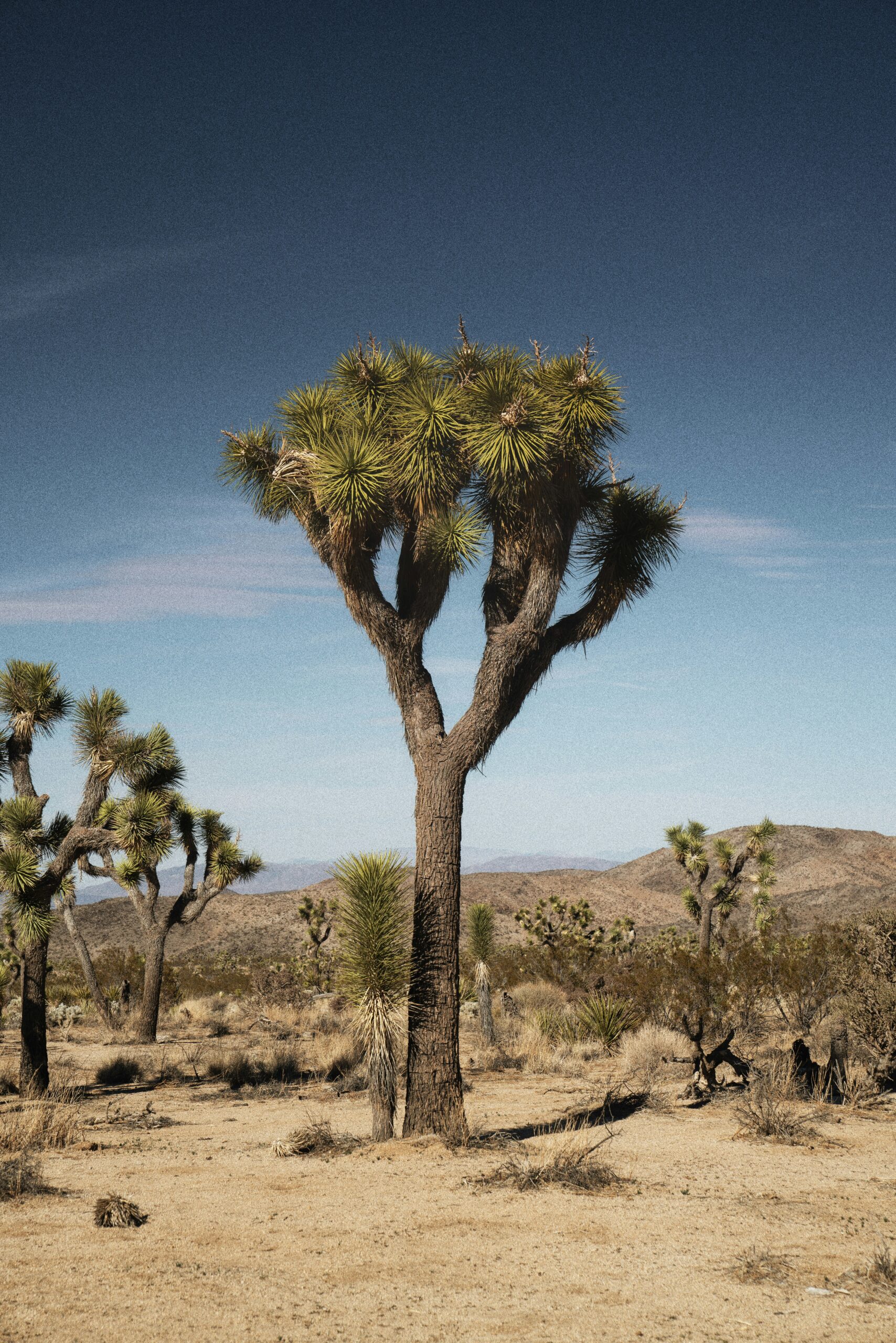
Summer: June Through August
Summer means peak crowds and peak heat inland, paired with a coastal fog pattern that surprises a lot of first-time visitors. San Francisco and the Bay Area often run cooler in summer than in early fall, thanks to the marine layer rolling in off the Pacific Ocean.
California in June
June Gloom is the defining weather pattern of the month along the coast. Cool, moist air meets warm land and creates a persistent marine layer that blankets mornings in San Francisco fog and gray skies as far south as San Diego. It typically burns off by early afternoon, so plan beach time and Fisherman's Wharf visits for later in the day.
Inland areas warm up fast. Palm Desert and Indio start climbing into serious summer heat, often exceeding 100°F by month's end. Surfing conditions along Southern California beaches stay solid despite the morning fog.
California in July
July is peak season for summer crowds statewide, with Big Sur, Yosemite, and coastal towns all busy. Highway 1 through Big Sur is popular this month, though travelers should check current conditions given the route's history of closures from landslides and storm damage.
Desert heat becomes extreme. Palm Desert, Indio, and Death Valley regularly see triple-digit temperatures, making midday outdoor activity risky without heat precautions. California beaches remain the most reliable escape from inland heat.
California in August
August keeps summer crowds high, especially in Anaheim and along Southern California beaches, where families travel before the school year starts. San Francisco Bay Area fog often lingers longer into August than visitors expect, keeping the city cooler than much of the state.
Surfing conditions stay strong along the coast. Desert towns like Palm Desert and Indio remain brutally hot, making this a month better suited to coastal and mountain trips than desert exploring.

Fall: September Through November
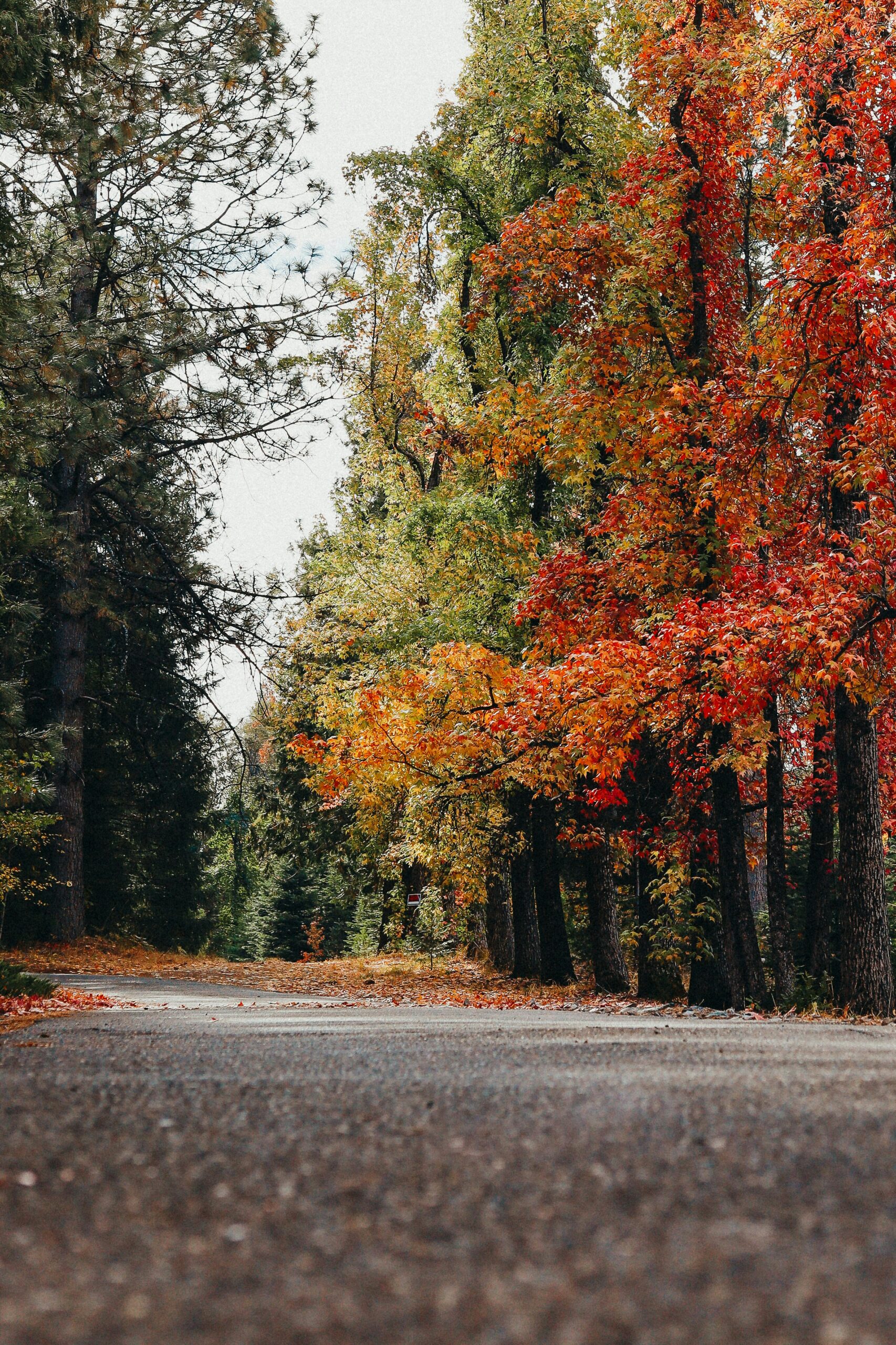
Fall is the strongest all-around season for a California trip that touches multiple regions, combining pleasant weather, thinner crowds, and open roads from the coast to the mountains. September through November lines up well with wine harvest season, calmer beaches, and comfortable temperatures almost everywhere except the higher Sierra Nevada, which starts cooling by November.
California in September
September often delivers the best beach weather of the year in Southern California, since the marine layer has thinned and ocean temperatures are near their annual peak. Laguna Beach, Newport Beach, and Santa Monica see pleasant weather with smaller crowds than July or August.
Wine tasting season ramps up in Napa Valley and Sonoma as harvest begins. Santa Barbara stays warm and dry, making it a strong month for both wine country and coastal stops. My own trips through this stretch in September consistently land on better weather than the summer visits I used to plan by default.
California in October
October is one of the most reliable months for statewide travel, and I've come to treat it as a default choice when someone asks me for a single month to visit. Harvest season peaks in Napa Valley and Sonoma, with wine tasting rooms busy but not overwhelmed. For a deeper look at what the month offers, this California in October travel guide covers regional highlights in more depth.
Pleasant weather holds across the California coast, from Santa Barbara down through Laguna Beach and Newport Beach. Inland heat has eased, making it a strong month for hiking and national park visits too.
California in November
November brings cooler temperatures and thinner crowds, especially after the first couple of weeks. Napa Valley and Sonoma wind down harvest activities, though tasting rooms stay open and less crowded than October. Coastal cities like Santa Monica and Santa Barbara stay mild enough for beach walks, even if swimming water feels cold.
Higher Sierra Nevada elevations start seeing early snow by late November, which can affect mountain road trips.
Best Time to Visit by Travel Interest
Matching a trip to a specific interest, rather than a general season, usually produces a better outcome than picking a month first and hoping the activity lines up. Hiking, skiing, wildflower viewing, wine tasting, and whale watching all peak at different times, sometimes only weeks apart.
When Is the Best Time for a California Road Trip?
September through November is the strongest window for a multi-region road trip, since coastal fog has cleared, inland heat has eased, and mountain passes remain open before winter snow. Spring, particularly April and May, is a close second, especially for a route built around Yosemite waterfalls and wildflower stops. Always check current conditions before a Highway 1 route through Big Sur, since the road has a history of closures from landslides and storm damage. Our California road trip planning resources can help build out a route by season.
When Are California Beaches Best for Swimming and Surfing?
September is typically the best month for swimming, since ocean temperatures peak after a summer of warming and the marine layer has thinned along Southern California beaches. Surfing conditions stay strong from June through October at most breaks, with summer crowds heaviest in July and August. Water stays cold enough in winter that a wetsuit is standard gear for most surfers along the California coast.
When Is the Best Time for Hiking and National Parks?
Spring and fall offer the most comfortable hiking conditions across California's national parks. April and May bring flowing Yosemite waterfalls and mild temperatures before summer crowds and heat arrive. September and October offer a similar payoff with fewer people, since park visitation drops noticeably once schools are back in session.
When Should You Visit for Wildflowers and Waterfalls?
March is typically peak wildflower season in Anza-Borrego, though the exact timing shifts with winter rainfall. Yosemite waterfalls usually peak in April and May as Sierra Nevada snowmelt reaches its high point, with Yosemite Falls and Bridalveil Fall running strongest during that stretch.
When Is California Ski and Snowboard Season?
Ski season generally runs from December through March at Mammoth Mountain and around Lake Tahoe, with January and February typically offering the deepest snowpack in a normal or strong snow year. Big Bear also runs a full ski and snowboard season, usually with a shorter window than the higher-elevation Sierra Nevada resorts.
When Are Wine Country, Fall Color, and Whale Watching Best?
October is the strongest month for wine tasting in Napa Valley and Sonoma, since harvest activity peaks and tasting rooms stay lively without summer's heaviest crowds. Whale watching runs strongest from December through February as gray whales migrate along the coast near San Diego.
How Do Seasons Differ Across California?
California's regions run on separate seasonal clocks, driven by elevation, ocean proximity, and distance from the coast. A single week in October can mean fall foliage in the Sierra Nevada, warm beach days in San Diego, and cooling desert nights in Joshua Tree, all at once.
Northern California and the Redwood Coast
Northern California, including the redwood coast near Crescent City, stays cool and often foggy year-round, with summer temperatures rarely climbing far past the 60s. San Francisco follows a similar pattern, with its warmest, sunniest months often landing in September and October rather than summer. Big Sur sits along this stretch of coast too, and its Highway 1 route can face seasonal closures tied to winter storms and landslides.
The Central Coast and Central Valley
The Central Valley runs hot and dry in summer, with inland cities regularly topping 90°F, and can develop dense tule fog in winter that reduces highway visibility. The Central Coast stays milder thanks to ocean influence, though coastal fog is common in early summer.
Southern California's Cities and Beaches
Los Angeles and San Diego stay mild most of the year, with San Diego's climate staying close to spring-like temperatures across nearly every month. Coastal fog, known locally as May gray and June Gloom, affects mornings from roughly May through July before clearing for warmer, sunnier late summer and fall.
The Sierra Nevada and High-Elevation Routes
The Sierra Nevada holds snow at higher elevations well into spring, sometimes later in a strong snow year. Mountain passes that connect to Yosemite and other high-country routes typically stay closed from late fall through spring, reopening as snowmelt clears the roads.
Desert Travel in Palm Springs, Joshua Tree, and Death Valley
Palm Springs, Joshua Tree National Park, and Death Valley run on an inverted calendar compared to the rest of the state. Winter is the most comfortable season for hiking and outdoor time, while summer brings extreme, sometimes dangerous heat, with Death Valley regularly ranking among the hottest places on the planet.
When Are California Trips Cheapest and Least Crowded?
January, February, and early November typically offer the lowest prices and thinnest crowds for California travel outside the ski towns. Summer crowds and summer pricing peak from June through August, while spring break weeks in March and April create a shorter, sharper price spike.
Low-Season Value and Holiday Exceptions
Coastal cities and inland destinations see their best value in January and February, once holiday travel has cleared out. The exception is ski country, where Lake Tahoe and Mammoth Mountain see strong demand and higher prices throughout winter, especially around Christmas and Presidents' Day weekend. Holiday weeks around Thanksgiving and Christmas also spike prices statewide, even outside the mountains.
How to Avoid Peak Summer and Spring Break Crowds
Booking in September or October avoids both the summer crowds and the spring break rush, while still offering comfortable California weather across most regions. Traveling midweek rather than on weekends also helps at popular spots like Big Sur and the Sierra Nevada, where day-trip traffic from nearby cities peaks on Saturdays and Sundays.
Weather, Road, and Safety Checks Before You Go
Checking road and weather conditions before departure matters most for mountain and desert routes, where snowpack, wildfire activity, and extreme heat can close roads or make travel unsafe with little warning. Death Valley's summer heat requires real precautions, including carrying extra water and avoiding midday hikes. For current advisories and travel updates, our California travel news coverage tracks conditions that can affect a trip in progress.


