Prisoners Harbor Campground: Camping on Santa Cruz Island
Channel Islands National Park opened its newest campground, Prisoners Harbor Campground, on Santa Cruz Island on August 27, 2026. The six-site campground sits a short walk from the Prisoners Harbor Pier and costs $15 per night, offering a quieter alternative to the larger Scorpion Campground while remaining easy to access. It's the first new campground added to Santa Cruz Island in decades, so now there’s a third choice alongside Scorpion and Del Norte.
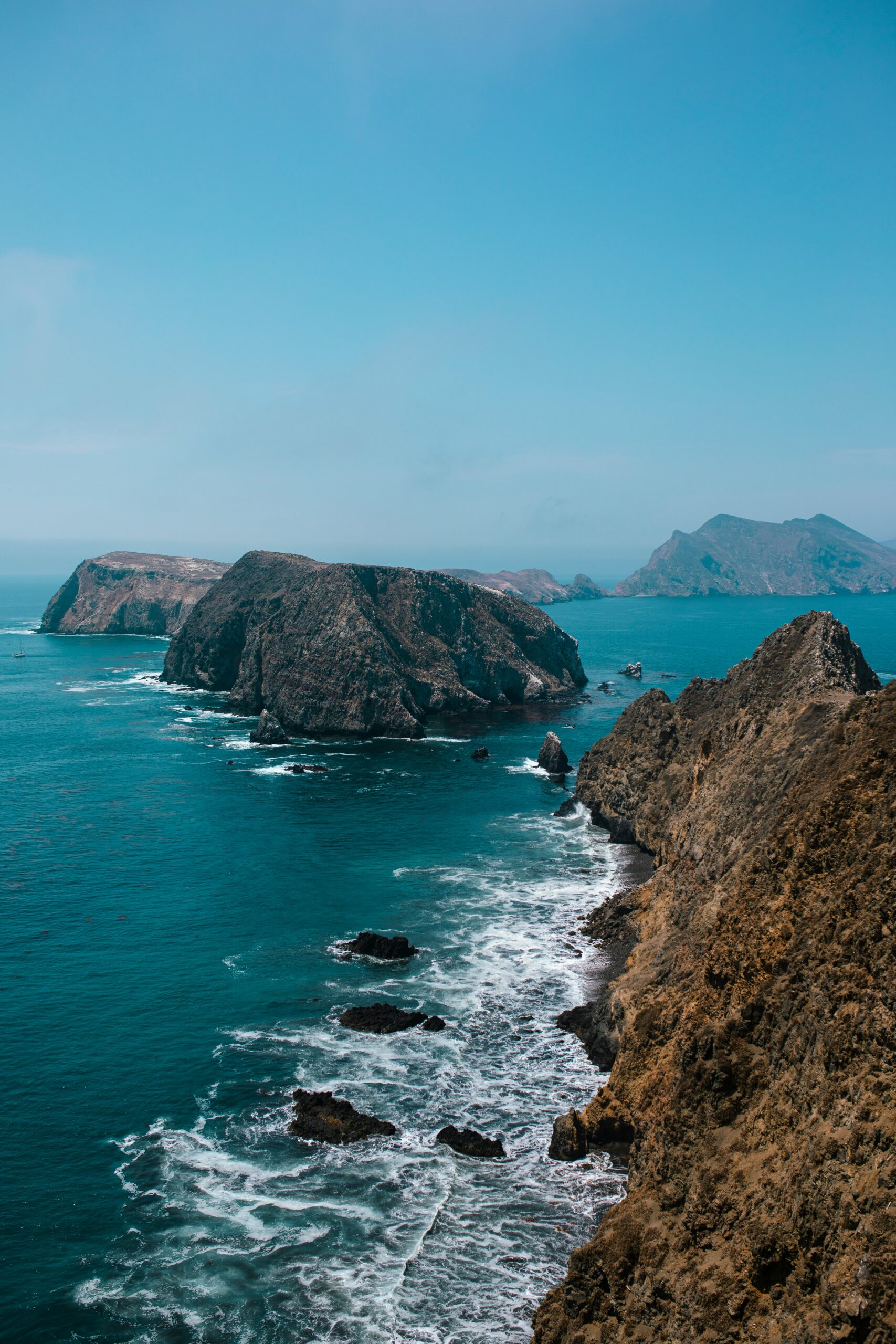
Santa Cruz Island is the largest of the Channel Islands off California’s coast. The National Park Service set up the new campground to blend in with the oak woodland below Eagle Ridge, and each of the six sites fits up to four people. You’ll need to book reservations through recreation.gov, and they open up six months out.
The new campground opens up more ways to explore—think point-to-point hikes between Scorpion Anchorage and Prisoners Harbor or multi-day kayak trips along the coast. If you’re planning a trip, you’ll want to know what to pack, how to get there by ferry, and whether this spot fits your style before grabbing a reservation.
Prisoners Harbor Campground: Camping on Santa Cruz Island
Prisoners Harbor Campground at a Glance
Prisoners Harbor Campground is a small, primitive site with six campsites near the pier. It’s wedged between the bigger Scorpion Campground and the remote Del Norte backcountry site—so it kind of splits the difference for island camping.
Opening Date, Site Count, and Capacity
The campground opened to visitors on August 27, 2026, the first new campground on Santa Cruz Island in decades. There are six designated campsites in total.
Each site fits up to four people, so the campground maxes out at 24 overnight guests. It’s much smaller than Scorpion Campground, which is geared toward larger groups and families.
Reservations opened August 18, 2026, and you can book on Recreation.gov. The nightly rate is $15 per site, matching other primitive campgrounds in the park.
Oak Woodland Setting Below Eagle Ridge
The campground sits tucked into oak woodland beneath Eagle Ridge, so you get a shaded, secluded vibe—definitely more sheltered than the open areas elsewhere on the island. You’re close to nature without having to trek far.
Being below Eagle Ridge, you can hop right onto the island’s trail network. Hikers can head toward Scorpion Anchorage, making point-to-point trips across Santa Cruz Island possible.
They picked this spot to blend in with the landscape. Channel Islands National Park Foundation board member Michael Delaney says the campground is nestled below Eagle Ridge in a wooded area, just a short walk from the boat landing.
Facilities and Primitive Camping Conditions
Prisoners Harbor Campground is primitive—so don’t expect the amenities you’ll find at Scorpion Campground, like drinking water. You’ve got to bring all your own water and supplies for your stay.
The six sites are pretty basic, on purpose, to keep things close to nature. No showers, no fancy facilities—just the bare minimum, which lines up with the rest of Channel Islands National Park.
At least the pier is close, so you don’t have to lug your gear too far from the boat to your site.
Who the Campground Is Best For
This spot is for folks who want something quieter than Scorpion Campground but aren’t up for the tough hike to Del Norte’s backcountry sites. It’s a nice compromise between convenience and solitude.
Backpackers doing multi-day routes between Scorpion Anchorage and Prisoners Harbor will find this a handy stop. Kayakers paddling the coast between the two harbors can use it as a base for overnight stays.
Since it’s small, it’s best for people looking for a low-traffic camping experience with easy pier access—not big groups that need lots of amenities.
Reservations, Cost, and Booking Strategy
If you want a site at Prisoners Harbor Campground, you’ll need to plan ahead. Booking the campsite and the boat ride are two separate steps, and they have to line up. The nightly rate is cheap, but spots are limited—and, honestly, they’ll probably fill up fast.
Prisoners Harbor Campground Cost
It’s $15 per night for a campsite, no matter how many people (up to four) you have. Each of the six sites is 8 by 20 feet and comes with a picnic table and food storage locker.
There aren’t extra camping fees beyond the nightly rate. But the boat trip is on you—getting to Santa Cruz Island isn’t included with your reservation.
You can only reserve two sites per trip, so bigger groups need to plan (and budget) accordingly. There’s no discount for shorter stays, and the price doesn’t change with the season.
How To Book Through Recreation.gov
You have to reserve your spot on Recreation.gov before you go. Walk-up camping isn’t allowed, so you’ll need a confirmed reservation in advance.
Just search “Prisoners Harbor” on Recreation.gov or the app to see which of the six sites are open for your dates. The system updates in real time, so you’ll know what’s available.
After you book, you’ll get a confirmation email with a reservation number. Keep that handy—printed or on your phone—since park staff aren’t always at the harbor to check reservations in person.
Coordinating Campsite and Boat Dates
Since you can only get to the campground by boat, you have to book your campsite and your ferry separately, and they need to match up. Island Packers is the main boat company to Prisoners Harbor.
Their schedule isn’t as frequent as the one to Scorpion Anchorage, so check sailing dates before you lock in your campsite. Miss the boat, and you might miss your whole reservation.
If you have your own boat, you get more flexibility but still need to time your arrival and departure with the campground’s check-in and check-out. Check-in is at 11:00 a.m., and you should confirm your return trip ahead of time—same-day standby isn’t a sure thing.
Reservation Rules and Availability
Each reservation covers up to two sites, with a strict four-person max per site. Figure out your group size and site needs before you book—changing your reservation can be tough once it’s set.
Quiet hours are 10:00 p.m. to 6:00 a.m., and check-out is at 11:00 a.m. Reservations are for specific dates, and spots can disappear quickly during busy times, especially weekends and holidays.
Since bookings only started in August 2026, it’s hard to say exactly how fast sites will go. But if you’re aiming for summer months or peak season, better book early.
Getting to Prisoners Harbor From Ventura
The only way to Prisoners Harbor is by boat, with all trips leaving from Ventura Harbor. How long it takes, how you land, and how you haul your stuff all depend on what the ocean’s doing that day.
Island Packers Service From Ventura Harbor
Island Packers runs the regular trips to Prisoners Harbor from Ventura Harbor. The crossing usually takes 90 minutes to two hours, depending on sea conditions and the route.
Boats to Santa Cruz Island go several days a week in peak season, usually April through early November. Schedules thin out in the off-season, so check before you go.
Island Packers requires reservations, and you should book early—especially for summer weekends. Prices vary by age, with adults paying more than seniors or military.
Give yourself plenty of time to check in and load up at Ventura Harbor.
The Arrival Process at Prisoners Harbor Pier
Getting off the boat at Prisoners Harbor isn’t quite like other island landings. You climb steps from the boat to a steel-rung ladder that takes you up to the pier. It’s a bit of a scramble.
Unlike Scorpion Anchorage, where you just walk up a ramp, this ladder climb takes a bit of balance—and you’ll have to haul your gear up at the same time.
If the pier is closed for weather or repairs, Island Packers switches to a skiff landing right on the beach. That means a wet landing, so pack shoes you don’t mind getting soaked and plan for a different kind of gear haul.
Sea Conditions, Delays, and Backup Planning
The Channel Islands can get rough seas, and sometimes boats get delayed or rerouted. Island Packers watches the weather closely and might change departure times or even cancel if things get bad.
If you’re heading to Prisoners Harbor, try to keep your schedule flexible. If you have a tight camping window or a same-day return, you might not have much wiggle room if there’s a delay.
Print your reservation confirmations and jot down Island Packers’ contact info, just in case you need to change plans last minute. Checking the marine forecast the day before helps you know what you’re in for.
If your plans are strict, maybe get to Ventura a day early—just to be safe.
Carrying Gear From the Landing to Camp
Once you’re ashore, you carry everything from the pier or beach to the Prisoners Harbor Campground. The route is uneven, and there’s no cart or wheelbarrow service. A good backpack beats loose bags or rolling suitcases, hands down.
With the ladder at the pier, you’ll want your gear manageable in one trip—or split into small loads for multiple runs up the rungs. Don’t pack more than you can carry across sand, gravel, and stairs.
Water and heavy stuff add up fast, so keep it light but don’t skip the essentials. Your back will thank you on the walk to camp.
Choosing Between Santa Cruz Island Campgrounds
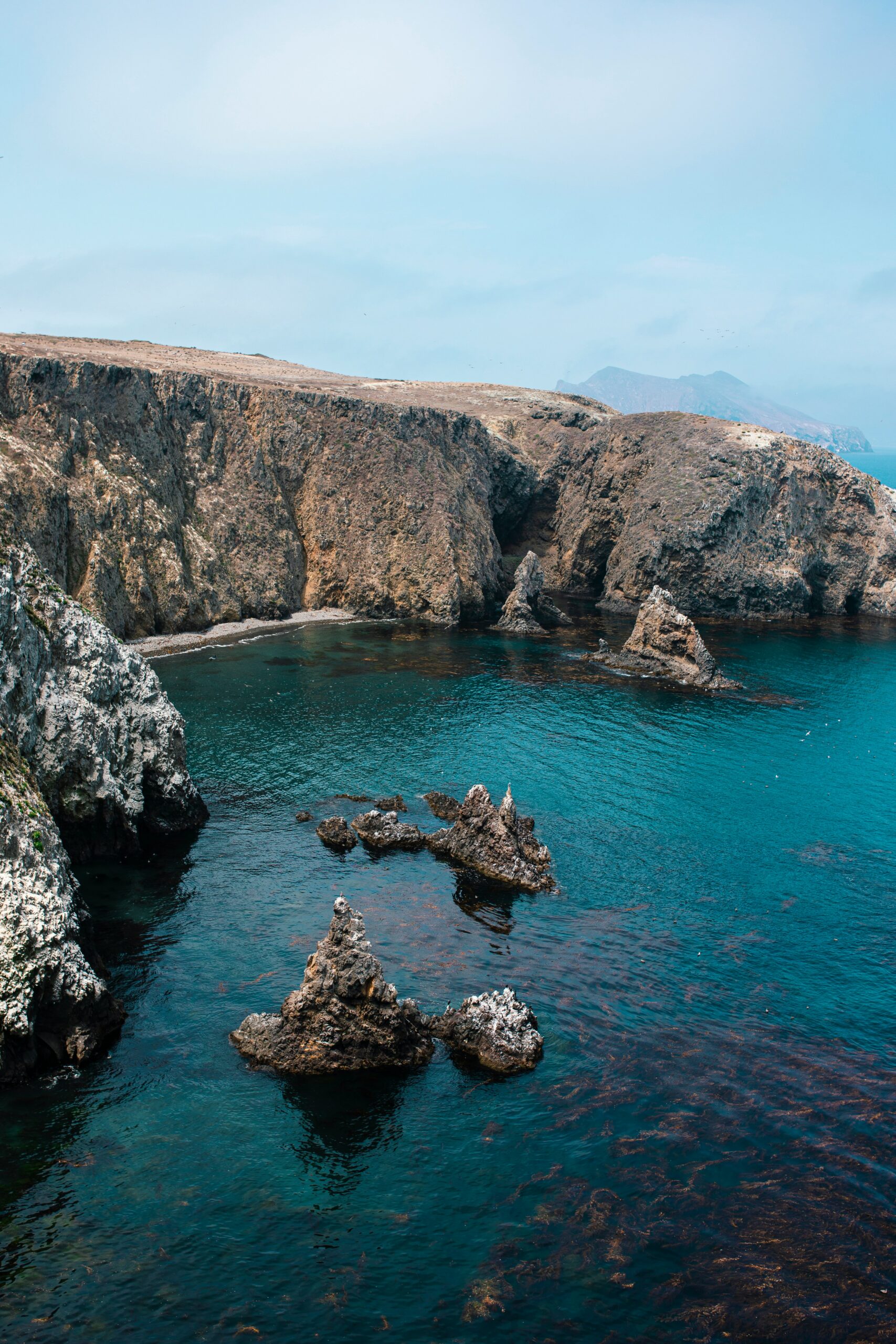
Santa Cruz Island now has three camping options, and each suits a different kind of visitor. It really comes down to group size, how much hiking you want to do, and whether you care about having drinking water on-site.
Prisoners Harbor Campground Versus Scorpion Campground
Prisoners Harbor Campground has just six primitive sites, each maxing out at four people, so you’ll never see more than 24 folks there at once. It’s a much smaller, quieter spot than Scorpion Campground, which draws a bigger crowd and a steady buzz of activity.
Prisoners Harbor sits tucked under an oak grove near the water, just a quick 0.3-mile walk from the pier. Meanwhile, Scorpion Canyon Campground actually offers drinking water—something you won’t find at Prisoners Harbor.
If you’re heading to Prisoners Harbor, you’ll need to haul in all your food and water. In winter and spring, expect to wade through a wet creek at Canada del Puerto on your way in.
Scorpion Anchorage Access and Amenities
Scorpion Anchorage is where most people land for Scorpion Campground, and honestly, it’s the most built-up camping area on Santa Cruz Island. You actually get drinking water here—a real luxury compared to the other campgrounds.
The site works well for families and folks just getting into camping, partly because it’s so much easier to reach and can handle a lot more people. Island Packers Cruises runs regular boats to Scorpion Anchorage, so getting there is about as easy as it gets out here.
It’s not exactly close to Prisoners Harbor, though. Scorpion Anchorage sits about 14 miles away via Navy Road, which hikers can now use for point-to-point treks across the island.
When Del Norte Backcountry Camping Makes Sense
Del Norte is a tiny, four-site backcountry campground you reach after a tough 3.5-mile hike from Prisoners Harbor. It’s meant for backpackers who really want to get away from the crowds and don’t mind roughing it.
There’s no water at Del Norte, so you’ve got to carry everything you’ll need. This spot takes more planning and effort than Prisoners Harbor or Scorpion Campground—no way around it.
Del Norte makes sense for experienced backpackers who are fine with climbing hills and managing their own supplies. If you’re new to Santa Cruz Island or hauling a ton of gear, I’d look elsewhere.
Best Camping Base for Families, Day Hikers, and Backpackers
Scorpion Campground is the easy pick for families and first-timers, mostly thanks to the water spigot and bigger, more organized setup. Day hikers who want to stick to shorter trails also find Scorpion Anchorage a pretty convenient launch point.
Backpackers plotting a cross-island trek now have a solid route linking Scorpion Anchorage and Prisoners Harbor. That 15-mile crossing, which used to be a tedious out-and-back, finally works as a one-way backpacking adventure since Prisoners Harbor Campground opened up.
If you crave solitude and don’t mind the lack of water or the sometimes soggy walk from the pier, Prisoners Harbor could be your spot.
Hiking and Multi-Day Routes From the Harbor
Prisoners Harbor is a pretty great jumping-off point for all sorts of hikes, from mellow interpretive loops to multi-day backpacking trips that run the length of the island. Distances and elevation gain can vary a lot, and water is always an issue, so you really need to plan ahead.
Prisoners Harbor Hiking Options
There’s a handful of trails for both day hikers and backpackers. The most direct is the Del Norte Trail, a 3.5-mile route to Del Norte Campground that winds through chaparral and canyons.
You can also take Navy Road, a gravel track that climbs up and gives you those sweeping south-side island views. Shorter interpretive walks stick closer to the harbor, passing through oak woods and sage scrub.
Some parts of the trail cut through patches of invasive fennel, which the park hopes to restore eventually. Don’t expect much shade—most of the hike is pretty exposed.
Point-to-Point Backpacking Between the Two Harbors
Backpackers can trek between Prisoners Harbor and Scorpion Anchorage by a long-distance route that’s become a favorite for those who want to see more than just the coast. It’s 13.2 miles via the Del Norte Trail or 14.2 miles if you stick to Navy Road.
This cross-island hike usually takes two or three days, depending on your pace and where you grab a campsite. Most folks spend a night at Del Norte Campground, which is about 10 or 11 miles from Scorpion Anchorage, depending on your route.
Water’s a real concern—there’s just none along the way, so you have to bring everything. One trip report I read described backpacking from Prisoners Harbor to Scorpion Cove over two nights as a fantastic way to experience the interior and the coastline all in one go.
Planning a Route Toward Pelican Bay
Pelican Bay is tucked east of Prisoners Harbor along the northern shore and doesn’t see much traffic. There’s no direct, maintained trail from Prisoners Harbor, so you’ll need either a private boat drop or a longer land route to get there.
If you’re eyeing this area, definitely check for up-to-date park info before you go—access can change. Pelican Bay isn’t on the regular ferry circuit, so it’s mostly for private boaters or kayakers who know what they’re doing.
Anyone considering this trip should budget extra time and bring good maps, since cell service and trail markers are pretty much nonexistent out here.
Kayaking as a Multi-Day Coastal Adventure
Kayaking the coast near Prisoners Harbor is a totally different way to see the island. Sea caves, kelp forests, and those dramatic volcanic cliffs line much of the shoreline between the harbor and other coves.
Multi-day kayak trips usually mix paddling with camping at designated sites. You’ve got to plan for changing tides, wind, and boat traffic. The open water near the harbor can get gnarly fast, so solid paddling skills are a must.
Kayakers should arrange drop-off and pickup with a concessionaire ahead of time—launching from the mainland isn’t realistic for most people.
What To Bring and Rules To Follow
Prisoners Harbor is wide open and undeveloped, so you’ve got to show up ready for anything—bring all your water, food, and gear that can handle some serious wind. The National Park Service enforces rules about food storage and fires to keep both wildlife and people safe.
Water, Food, and Waste Planning
No water on tap at Prisoners Harbor, so you’ll have to lug in every drop. The National Park Service recommends at least a gallon per person per day—maybe more if you plan on hiking in the heat.
Bring all your food, and be ready to carry out every bit of trash. There’s nothing for sale on the island, so you really have to plan those meals ahead.
You’ll find pit toilets at the campground, but that’s about it for amenities. Here’s a basic checklist:
- Water (minimum 1 gallon per person per day)
- All meals and snacks
- Trash bags for packing out waste
- Toilet paper and hygiene supplies
Wind-Ready Shelter and Layered Clothing
Wind never really lets up at Prisoners Harbor. Bring a sturdy, freestanding tent with tough stakes and plenty of guy lines, since it can be tricky to anchor down in some spots.
Temperatures bounce around a lot, so go for layers instead of one heavy jacket. Mornings and evenings usually run cool, but the sun can really heat things up during the day.
Brands like Toad & Co make good lightweight layers for this kind of weather. I’d pack a waterproof shell too—fog and drizzle can roll in out of nowhere.
Food Storage, Ravens, and Hantavirus Precautions
Ravens are everywhere at Prisoners Harbor and will go after any food you leave out. Always store food, trash, and anything smelly in the metal boxes at each site—don’t risk it in your tent or pack.
Hantavirus is a real risk here, spread by rodent droppings or nests. Don’t sweep out shelters without a mask, steer clear of obvious rodent spots, and keep your food sealed tight.
These steps might seem like overkill, but with no quick way to get help out here, it’s better to play it safe. Plus, sticking to the food storage rules helps keep the raven problem from getting worse as more people visit.
Campfire Ban and Approved Cooking Stoves
Open fires—including charcoal grills—aren't allowed anywhere in Channel Islands National Park, Prisoners Harbor included. The park really can't risk a blaze out here, especially with all the dry brush and zero fire department on standby.
Campers can use chemical-fuel stoves for cooking, as long as they're careful and don't wander off while it's on. Both canister and liquid-fuel stoves get the green light, but honestly, it's smart to double-check for updated restrictions before you head out—sometimes the rules change if fire danger spikes.
Groups like the Channel Islands National Park Foundation and the Fund for People in Parks pitch in for fire safety and protecting the habitat. Even Aera Energy of Kern has chipped in, helping out with park projects across California’s public lands.