The Ultimate Guide to Backpacking California: Top Trails, Packing Tips, and Essential Safety Information
Backpacking in California offers access to dramatic coastlines, alpine lakes, ancient forests, and expansive deserts, making the state an unmatched destination for outdoor adventure. California features a remarkable diversity of backpacking opportunities, from the iconic John Muir Trail in the Sierra Nevada to the remote beaches of Point Reyes and the rugged desert terrain of Joshua Tree.

Travelers can explore over 840 miles of coastline, nine national parks, and a vast network of trails that accommodate both novice hikers and seasoned trekkers. Planning is straightforward, thanks to the variety of terrains and established routes found throughout the state, and backpackers can choose from hundreds of unique trails that highlight California’s incredible landscapes.
Whether the goal is camping under towering redwoods, hiking to pristine mountain lakes, or experiencing the solitude of the desert, this guide covers the essential tips, best backpacking trips, and practical advice needed for a successful California adventure. For those ready to discover the Golden State on foot, there are endless routes and experiences to consider.
The Ultimate Guide to Backpacking California: Top Trails, Packing Tips, and Essential Safety Information
Essential Planning for Backpacking California
Backpacking trips in California demand careful attention to timing, logistics, and preservation of both personal safety and the natural environment. The choices made during the planning phase significantly impact the overall experience and success of a trip.
Choosing the Best Season
California’s size and geographic variety create notable differences in climate and trail accessibility throughout the year. In the Sierra Nevada, the prime backpacking season generally runs from late June to September when most trails are free of snow and stream crossings are safer. In contrast, coastal areas like Big Sur and Point Reyes are accessible almost year-round, though fog and cooler temperatures are common outside of summer.
Southern California deserts, such as Joshua Tree, are best explored from October to April to avoid extreme heat that poses serious safety risks. Summer brings larger crowds and higher costs, especially in popular parks. For those seeking solitude, planning shoulder-season trips in spring or autumn helps avoid both peak crowds and poor weather. Checking weather forecasts before departure is essential for all regions.
Permits and Regulations
Many backpacking trips in California require wilderness permits, especially in national parks and popular wilderness areas. Securing permits for well-known routes like the John Muir Trail, Lost Coast, and other high-demand destinations often involves entering a lottery system months in advance. Rules may limit group sizes and require campers to use specific zones or designated campsites.
Campfire restrictions are common during dry months due to wildfire risk. Some locations also enforce bear canister requirements for food storage. Carrying and displaying permits is mandatory within many areas, and failure to follow local regulations can result in fines. It’s important to research the rules for each park or forest, as they differ significantly across the state.
Safety and Environmental Considerations
Backpackers should always carry a detailed map, compass or GPS, sufficient water treatment supplies, and basic first aid gear. Trail conditions can change rapidly due to weather, especially in high elevations. Wildlife is a consideration in most areas, with black bears present in parts of the Sierra Nevada and ticks common in coastal and grassland trails.
Following Leave No Trace guidelines is crucial to protect fragile habitats. This includes packing out all trash, keeping a safe distance from wildlife, and staying on marked trails. In certain areas, such as the backcountry of Joshua Tree, specific rules aim to minimize impact and ensure a safe, enjoyable experience for everyone. Reviewing park websites for area-specific hazards and restrictions provides critical information before each trip.

Top Backpacking Destinations in California
California offers a diverse range of landscapes for backpackers, from rugged coastline to dense forests and high mountains. Each region brings unique scenery, trail challenges, and camping options that cater to both new and experienced hikers.
Exploring Northern California Trails
Northern California stands out for its pristine wilderness and alpine scenery. Backpackers flock to areas like Bear Valley and the Sierra Nevada for panoramic mountain views, wildflower meadows, and iconic granite cliffs.
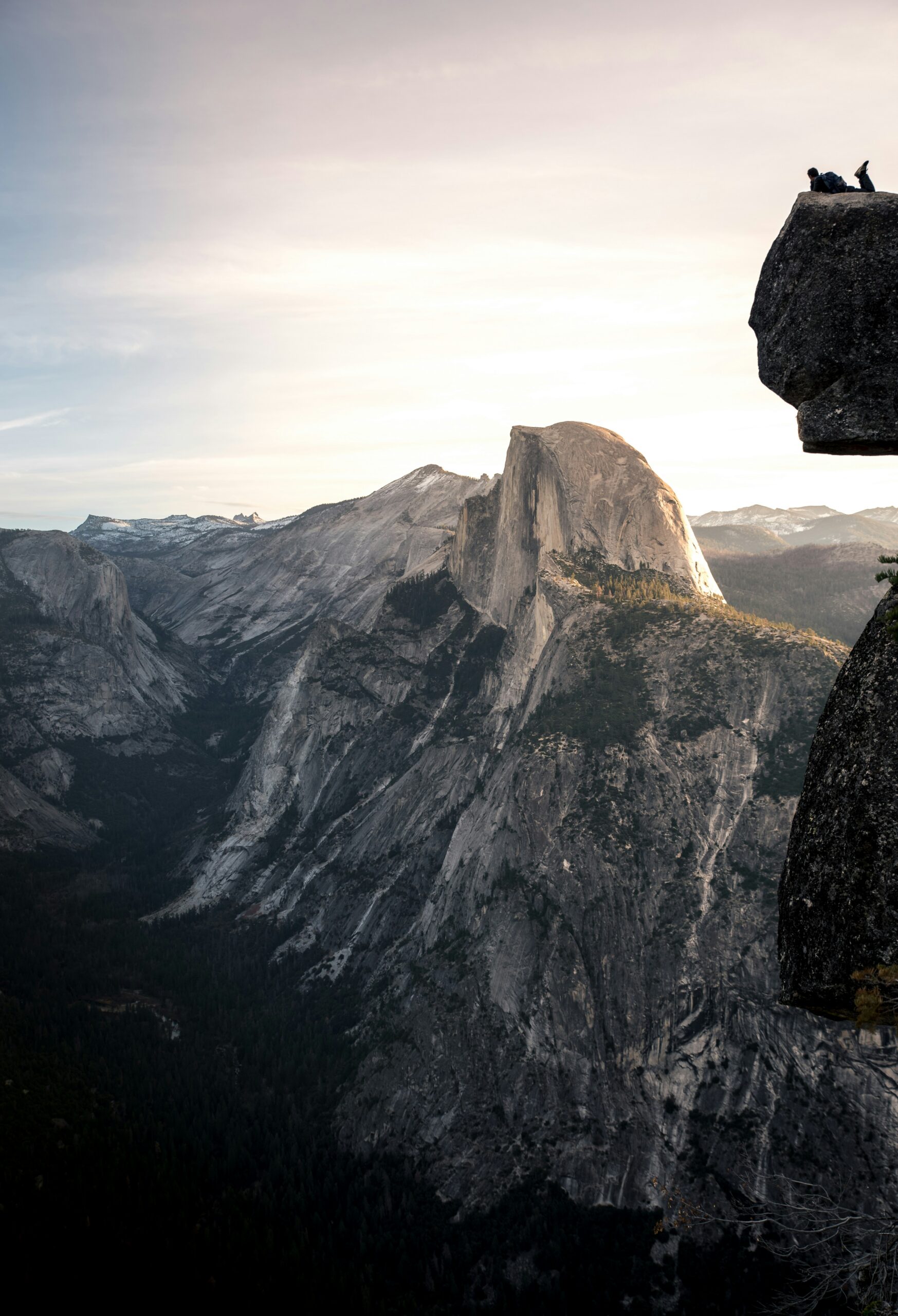
Yosemite National Park remains a staple with world-famous routes such as the John Muir Trail and Half Dome hike. Permits are often required, particularly for overnight camping and popular trails, so early planning is advised. Backcountry campsites and established bear lockers help ensure visitor safety.
Lassen Volcanic National Park is another notable destination, offering a mix of volcanic landscapes, lakes, and geothermal features. Visitors enjoy fishing, photography, and hiking through the park’s accessible but rugged terrain. The best time to visit these regions is late spring through early fall when snow has melted and trails are clear.
Backpacking in the Bay Area
The Bay Area provides a mix of coastal redwoods, rolling hills, and dramatic vistas—ideal for short getaways and multi-day trips. Big Basin Redwoods State Park, California’s oldest state park, features ancient trees and the popular Skyline-to-the-Sea Trail. Fire recovery efforts mean trail conditions can change, so always check current park updates.
Point Reyes National Seashore offers both forested and beachfront campsites. Trails like Bear Valley and Coastal Trails deliver access to waterfalls, meadows, and stunning ocean views. It's common to spot tule elk and diverse birdlife along the route. Reservation systems for campgrounds, like Wildcat and Coast Camp, ensure a managed wilderness experience.
Water availability and fog can be challenges, particularly in summer, so preparation is key. A trek through these preserved open spaces combines accessibility with the sense of escape, making the Bay Area a standout for quick adventures.
Discovering the Lost Coast
The Lost Coast is one of California's most demanding and remote coastal hikes, prized by serious backpackers seeking solitude. The area features rugged cliffs, black sand beaches, and frequent encounters with tidepools and sea lions.
Begin the journey at Mattole Beach and follow the Lost Coast Trail south toward Shelter Cove. Tide timing is crucial since sections of the trail become impassable at high tide. Hikers should plan their itinerary carefully and carry a tide chart for reference.
Backcountry camping is allowed in designated areas, with no potable water sources along the way, so a reliable filtration method is essential. Minimal infrastructure and challenging trail conditions make the Lost Coast rewarding for those prepared for its isolation and raw beauty.

Top Sierra Nevada Backpacking Trails
The Sierra Nevada offers some of the most iconic and diverse backpacking experiences in California. From granite domes and high-altitude lakes to deep valleys and scenic ridgelines, the region provides routes for every skill level and interest.
Yosemite National Park Highlights
Yosemite National Park is a premier destination for backpackers seeking towering granite cliffs, clear alpine lakes, and meadows bursting with wildflowers. The trek from Tuolumne Meadows to Yosemite Valley is a classic multi-day route, offering views of waterfalls, lush forest, and open valleys.
Backpackers aiming for an intense challenge often target the ascent of Half Dome. This demanding trail includes steep switchbacks and cables and requires a permit for the final section. The panorama from the top offers sweeping views of the Yosemite Valley and distant high country.
The Glen Aulin High Sierra Camp is a favorite for those new to backpacking. This area features moderate trails, river views, and access to White Cascade, making it ideal for shorter trips. Late spring and early summer typically offer the most reliable trail conditions.
Pacific Crest Trail Segments
The Pacific Crest Trail (PCT) runs for hundreds of miles through the Sierra Nevada, with some of its most beautiful stretches between Sonora Pass, Mammoth, and the southern reaches near Mount Whitney. This segment is known for its pristine solitude, expansive views, and numerous alpine lakes.
Typical highlights include the traverse near Rae Lakes, passes over 10,000 feet, and encounters with wildlife such as marmots and deer. Hikers often select shorter sections, such as the route between Tuolumne Meadows and Reds Meadow, to experience the variety in scenery without committing to the full trail.
Water sources are generally plentiful, especially early in the season, but trekkers should always carry a filter. Trail conditions can vary, so checking snow and weather reports before departure is recommended.
Little Lakes Valley Routes
Located near Mammoth and Rock Creek, the Little Lakes Valley is famous for its accessibility and abundance of alpine lakes, including Chickenfoot, Gem, and Long Lake. The trailheads begin at high elevation, reducing the overall climb and making it popular for acclimatizing.
Trails are well-marked and travel through meadows filled with wildflowers. Each lake offers unique views of the surrounding granite peaks, making the route ideal for photography and fishing as well as backpacking. Wildlife sightings are common here, with pikas and mountain birds frequently spotted along the banks.
These routes are suitable for both beginners and experienced backpackers. In addition to out-and-back trips, several options exist for connecting loops or extending the journey deeper into the wilderness.
Trail Snapshot Table:
| Lake Name | Distance from Trailhead | Elevation |
|---|---|---|
| Long Lake | 1.5 miles | 10,760 feet |
| Chickenfoot | 3.5 miles | 10,990 feet |
| Gem Lake | 4.5 miles | 11,100 feet |
High Sierra Classics
The High Sierra is home to several legendary multi-day routes such as the Rae Lakes Loop in Kings Canyon National Park. This demanding 40-mile circuit traverses passes above 11,000 feet and encircles turquoise lakes, meadows, and dramatic rock walls.
Backpackers are drawn by the region’s sense of remoteness and the diversity of terrain. The John Muir Trail, which overlaps the Pacific Crest Trail for much of its length, highlights destinations like Evolution Basin and Muir Pass. Conditions in July and August are typically best, but afternoon thunderstorms are common at higher elevations.
Camping requires wilderness permits, and bear-proof food storage is mandatory across most areas.

Unforgettable Wilderness Adventures
The Ventana Wilderness stands out for its remote, rugged backcountry, challenging trails, and natural geothermal features. Both seasoned backpackers and those seeking tranquil escapes will find rewarding experiences deep in these wild landscapes.
Ventana Wilderness Highlights
Ventana Wilderness is located within the Los Padres National Forest and is respected for its dramatic canyons, sharp ridges, and vast stands of redwoods and oak. The area covers over 240,000 acres, providing space for multi-day adventures as well as shorter hikes.
Backpackers often choose routes like the Pine Ridge Trail due to its panoramic coastal mountain views and opportunities to encounter wildlife such as deer, bobcats, and numerous bird species. Most trails are rugged and require sturdy boots as well as good navigation skills. Using detailed topographic maps—such as those recommended by Tom Harrison Maps for California’s wild areas—can be especially helpful for staying oriented in this terrain.
Popular campsites along the way include Barlow Flat and Redwood Camp, both known for access to water and relative solitude. Visitors should be prepared for variable weather and limited cell service, which adds to the backcountry atmosphere but requires careful planning. For a deeper look at California’s renowned backpacking routes, see this comprehensive guide to unforgettable adventures.
Relaxing at Sykes Hot Springs
Sykes Hot Springs is a well-known destination nestled along the Pine Ridge Trail. Reaching the springs typically involves a challenging trek of about 10 miles (one way), crossing rivers and steep switchbacks. The reward is a cluster of natural pools set beside the Big Sur River, offering a chance to relax sore muscles after a demanding hike.
The hot springs are small and can fill up on weekends, so early arrival or weekday visits are recommended for those seeking more quiet. Temperatures in the pools hover around 100°F, creating a soothing experience amidst the serene forest backdrop.
Essential items for the trip include:
- Sturdy footwear for river crossings
- Extra socks
- Plenty of water and a filter
- A lightweight towel
Campfires are often restricted due to fire danger, and all trash should be packed out. Familiarizing oneself with the current trail and camp conditions is important, as area closures and washouts can occasionally alter access. For more ideas on California backpacking destinations, check out this ultimate backpacking bucket list.

Coastal and Redwood Backpacking Adventures
California’s coastline and ancient forests offer backpackers the chance to hike beside dramatic ocean cliffs and beneath some of the world’s tallest and oldest trees. These regions are known for dense groves, diverse trails, and unique opportunities for solitude in nature.
Big Sur Wilderness Treks
Big Sur stretches along rugged shoreline, blending steep mountains with panoramic ocean views. Backpackers in this area can explore the Ventana Wilderness, which features backcountry routes lined with redwoods, oak woodlands, and wildflowers.
Key trails include the Pine Ridge Trail to Sykes Hot Springs, which attracts hikers for its remote thermal pools and forested sections. The trail is moderately strenuous, making it suitable for those with some backpacking experience. Wild camping options are available, though water access points can be seasonal, so proper planning is important.
The region’s weather is variable, with fog and coastal winds common. Backpackers should be aware of trail conditions, as landslides can occasionally impact popular routes. The diversity of landscapes along Big Sur guarantees encounters with both ocean and forest environments on a single trek.
Redwoods and Old Growth Forests
Redwood backpacking trails are renowned for allowing hikers to travel through some of the last remaining stands of old growth coastal redwoods in the world. Jedediah Smith Redwoods State Park and the Redwood National and State Parks system provide varied routes that pass colossal trees and lush understory.
One highlight is the Tall Trees Grove area accessible via permit, offering immersion in ancient redwood groves and access to quiet stretches along Redwood Creek. Another iconic experience is the Coastal Trail, which spans about 70 miles through Prairie Creek Redwoods, Del Norte Coast Redwoods, and Redwood National Park. This trail combines forest canopies with sweeping ocean vistas.
These forests maintain cooler temperatures and high moisture year-round, so hikers should prepare for damp conditions. Bear canisters are required in many spots due to active wildlife populations, and camping is regulated to preserve the delicate ecosystem.
Prairie Creek and Miners Ridge Experiences
The Prairie Creek Redwoods area offers some of the best loop trails for both day hikes and overnight trips. The Miners Ridge and James Irvine Loop is a standout, winding through old growth groves and leading down to Fern Canyon, a lush, moss-covered ravine with seasonal streams.
Backpackers can access multiple backcountry campsites such as Gold Bluffs Beach, where forest meets ocean. The park’s trails are well marked and mostly moderate, suitable for groups or solo trekkers seeking a quiet forest escape. Wildlife sightings are common, including Roosevelt elk and a variety of bird species.
Prairie Creek Redwoods State Park enforces strict Leave No Trace principles to protect these sensitive environments. Trail surfaces can be muddy, especially after rain, and coastal fog is typical in the mornings. The area’s mixture of towering trees, open prairies, and nearby beaches creates a varied and memorable backpacking experience.

Northern California and Lost Coast Trails
Northern California offers some of the most challenging and remote backpacking experiences in the state. Its trails feature dramatic coastal scenery, ancient redwoods, and stretches of wilderness rarely touched by roads or development.
The Lost Coast Trail
The Lost Coast Trail runs along a rugged stretch of coastline in the King Range National Conservation Area. With nearly 25 miles of shoreline between Mattole and Black Sands Beach, this trail is known for its isolation, ocean views, and challenging conditions.
Hikers must time their trek with low tides, as certain beach segments become impassable when the tide is high. The terrain includes sandy beaches, rocky bluffs, and remote campsites, offering solitude unlike anywhere else in California. Proper planning is essential, as permits are limited to control overnight crowd sizes and preserve the area’s wild character.
Wildlife sightings are common, including seals and tidepool life. Drinking water can be scarce, so check seasonal creek flow before starting. Weather can change quickly, and fog is frequent even in summer.
Quick Facts:
| Length | 25 miles (point to point) |
|---|---|
| Trailheads | Mattole, Black Sands Beach |
| Permit Needed | Yes (overnight) |
Mattole to Black Sands Beach
The classic route of the Lost Coast Trail goes from Mattole in the north to Black Sands Beach near Shelter Cove in the south. This section traverses the longest undeveloped stretch of California coastline and is most often hiked north to south.
Backpackers cross creek mouths such as the South Fork and traverse both sandy and rocky shoreline. A few camp areas, including Big Flat and Miller Flat, provide suitable overnight stops. Tides significantly affect hiking—it is crucial to consult a tide chart and plan your itinerary so you do not get trapped by rising water.
The area between Miller Flat and Black Sands Beach is especially rugged, featuring steep cliffs and frequent landslides. Section hikers often arrange for a shuttle, as the route is not a loop. Strong winds and persistent fog are common, so appropriate gear is necessary.
Highlights:
- Mattole trailhead: starting point, vehicle access, water sometimes available
- Black Sands Beach: finish point, parking, pit toilets
- Wildlife: sea lions, elk, marine birds
Redwood National and State Parks Routes
Redwood National and State Parks stretch from Orick to Crescent City, with several backcountry routes passing through towering redwood groves and along the Klamath River. Popular trails include sections near Elam Camp and longer traverses near the James Irvine Trail and Fern Canyon.
Backpackers encounter old-growth redwoods, lush ferns, and primeval canyon landscapes. Many routes are shaded, with soft forest floors and regular water sources, including streams flowing from the South Fork areas. Summer fog is common, keeping temperatures cool even in July and August.
Permits are required for backcountry camping, and some zones, such as those near Crescent City, are limited to protect sensitive habitats. Campsites are basic—expect pit toilets and no potable water.
Backpacking Tips:
- Camps: Elam Camp, Flint Ridge, Gold Bluffs
- Trail towns: Orick (services, supplies), Klamath, Crescent City
- Major routes: James Irvine Trail, Coastal Trail, Miners Ridge Trail

Island and Bay Area Backpacking Destinations
California offers unique opportunities for backpackers, stretching from remote islands off the coast to urban trails just minutes from downtown San Francisco. With diverse ecosystems, wildlife encounters, and iconic views, these destinations combine natural beauty with accessibility.
Channel Islands National Park Explorations
Channel Islands National Park features rugged terrain, quiet campsites, and a wealth of biodiversity. Accessible only by boat or small plane, the park preserves five distinct islands that remain largely undeveloped. Backpackers can hike along dramatic cliffs, snorkel in kelp forests, and spot unique wildlife, including the island fox and nesting seabirds.
Camping is permitted on Santa Cruz, Santa Rosa, Santa Barbara, Anacapa, and San Miguel Islands. Reservations are required, and backpackers should be prepared to carry all supplies, as there are no stores or services on the islands. Hikes like the Scorpion Canyon Loop on Santa Cruz Island deliver panoramic ocean views and peaceful solitude.
Weather is generally mild, but high winds and fog can occur at any time. Visitors should pack accordingly and be aware of boat schedules for transport to and from the islands.
San Francisco Region Trails
The San Francisco Bay Area boasts a network of trails that features redwood forests, coastal bluffs, and open grasslands. Well-known routes include the Skyline-to-the-Sea Trail, which descends 25 miles from the Santa Cruz Mountains to the Pacific Ocean, and the Bay Area Ridge Trail, a developing loop with sweeping city views.
Angel Island State Park offers an introductory island backpacking experience close to the city, with ferry access and designated campsites. Trails on the island provide historic sites and views of the San Francisco skyline, Golden Gate Bridge, and Marin Headlands.
Many regional parks near San Francisco allow overnight backpacking, and trail options can suit both novice and experienced hikers. Beach camping, redwoods, and urban proximity make the Bay Area a standout region for diverse backpacking trips. Get more ideas for bay hiking adventures from this list of top backpacking trips in California.
Crossing the Golden Gate Bridge
Hiking across the Golden Gate Bridge merges urban adventure with scenic exposure. The bridge is accessible from both San Francisco and Marin County, with designated pedestrian walkways open daily.
Backpackers often include the bridge as a striking starting or finishing segment for multi-day treks, such as connecting the Presidio to the Marin Headlands via the Coastal Trail. The overlooks on either side offer exceptional photo opportunities and views of Alcatraz, the Bay, and the Pacific.
While camping is not permitted on the bridge itself, backpackers can find campgrounds and backcountry sites in nearby areas like Kirby Cove, which is just north of the bridge. This adds a unique urban–wilderness crossover that is rare in large metropolitan areas. Trail suggestions in the region can be found in this guide to backpacking California.

Packing Tips and Trail Etiquette
Successful backpacking in California demands careful gear selection and responsible actions on the trail. Being prepared and aware helps keep hikers safe and protects natural spaces.
Essential Gear Checklist
Backpackers need reliable equipment to stay safe and comfortable. A well-fitted backpack, dependable shelter like a lightweight tent, and a warm sleeping bag matched to expected temperatures all provide the foundation.
Hydration is crucial. Water bottles or reservoirs and a water filtration system are a must. For meals, many hikers use a simple stove, fuel, matches or a lighter, lightweight cookware, and utensils. Packing resealable bags can help with portioning food and reducing bulk; remember to pack out all trash. For clothing, layer with moisture-wicking shirts, an insulating layer, and a waterproof jacket.
Navigation matters. Carry a map, compass, or GPS. Other essentials: headlamp, first aid kit, knife or multitool, sunscreen, insect repellent, and a small trowel to bury human waste at least 200 feet from water. For a comprehensive packing list, the REI backpacking checklist is a helpful resource.
Leave No Trace Principles
Hikers are responsible for minimizing their impact while exploring California’s wild places. The Leave No Trace guidelines help preserve the environment and maintain positive experiences for all.
Key principles include planning ahead, traveling and camping on durable surfaces, and disposing of waste properly. Dig a cat hole with a trowel at least 200 feet away from water sources when needed. Pack out all trash, leftover food, and hygiene products. Avoid disturbing wildlife, and keep noise to a minimum.
Respect fellow hikers by yielding to uphill traffic and communicating clearly at crossings. By following these practices, backpackers protect ecosystems and ensure trails remain accessible for everyone. For more on etiquette and best practices, see this introduction to backpacking etiquette and safety.
Planning Your California Backpacking Trip
California’s diverse landscapes demand careful preparation for a safe and enjoyable backpacking experience. Understanding seasonal factors, legal requirements, and smart packing choices can make a significant difference.
Best Times to Visit and Seasonal Tips
The ideal time for backpacking in California depends on location and elevation. In the Sierra Nevada, late June through September offers reliable trail access, as snow has usually melted and stream crossings are manageable. Coastal regions like Point Reyes and Big Sur are best visited in spring or fall to avoid summer fog and heavy winter rains.
Summer heat in desert locations—such as Joshua Tree or Anza-Borrego—can be dangerous. These areas are safest for backpackers from October through April, when temperatures are milder. Wildfire risk peaks in late summer and fall, so always check current conditions.
Bringing layers is essential, as weather can shift quickly. High elevations may be warm during the day but drop near freezing at night. Rain and snow are possible well into June in some mountain areas.
Permit and Regulations Overview
Permits are required for many of California’s most popular backpacking routes, especially within national parks and wilderness areas. Trails like the Rae Lakes Loop in Sequoia and Kings Canyon demand backcountry permits, often reservable several months in advance through the relevant park service website. Securing permits early is critical, particularly for summer weekends when spots fill fast.
Some regions, such as Point Reyes, also limit group sizes and assign specific campsites to minimize environmental impact. Always familiarize yourself with local fire regulations, food storage requirements, and Leave No Trace principles before your trip. Check for any seasonal restrictions or closures due to wildfire, flooding, or maintenance updates, which are common in high-traffic wilderness areas.
Preparation and Gear Recommendations
Backpacking in California varies from rugged mountains to remote coastlines, so gear choices should reflect trip specifics. A well-fitted backpack, lightweight tent, sleeping bag rated for expected temperatures, and durable footwear are core essentials. For water, carry a filter or purification tablets for use at natural sources.
Bring a map, compass, or GPS, as cell coverage is often unreliable. In drier areas, plan water resupply points carefully. Sun protection—including high-SPF sunscreen, sunglasses, and a hat—is vital in exposed regions.
Creating a checklist can help ensure nothing is forgotten. Essentials should also include a first aid kit, layered clothing, rain gear, ample food, and a bear canister when required by regulations. For trail ideas and packing tips, see the complete guide to backpacking in California.