California State Parks Guide: Best Parks & More
California’s state park system is huge—hundreds of parks, from foggy redwood forests to blazing desert canyons and endless stretches of coastline. I’ve pulled together this guide to help you find a park that fits your vibe, whether you want a mellow camping weekend, a tough hike, or just a chill beach where your dog’s welcome.
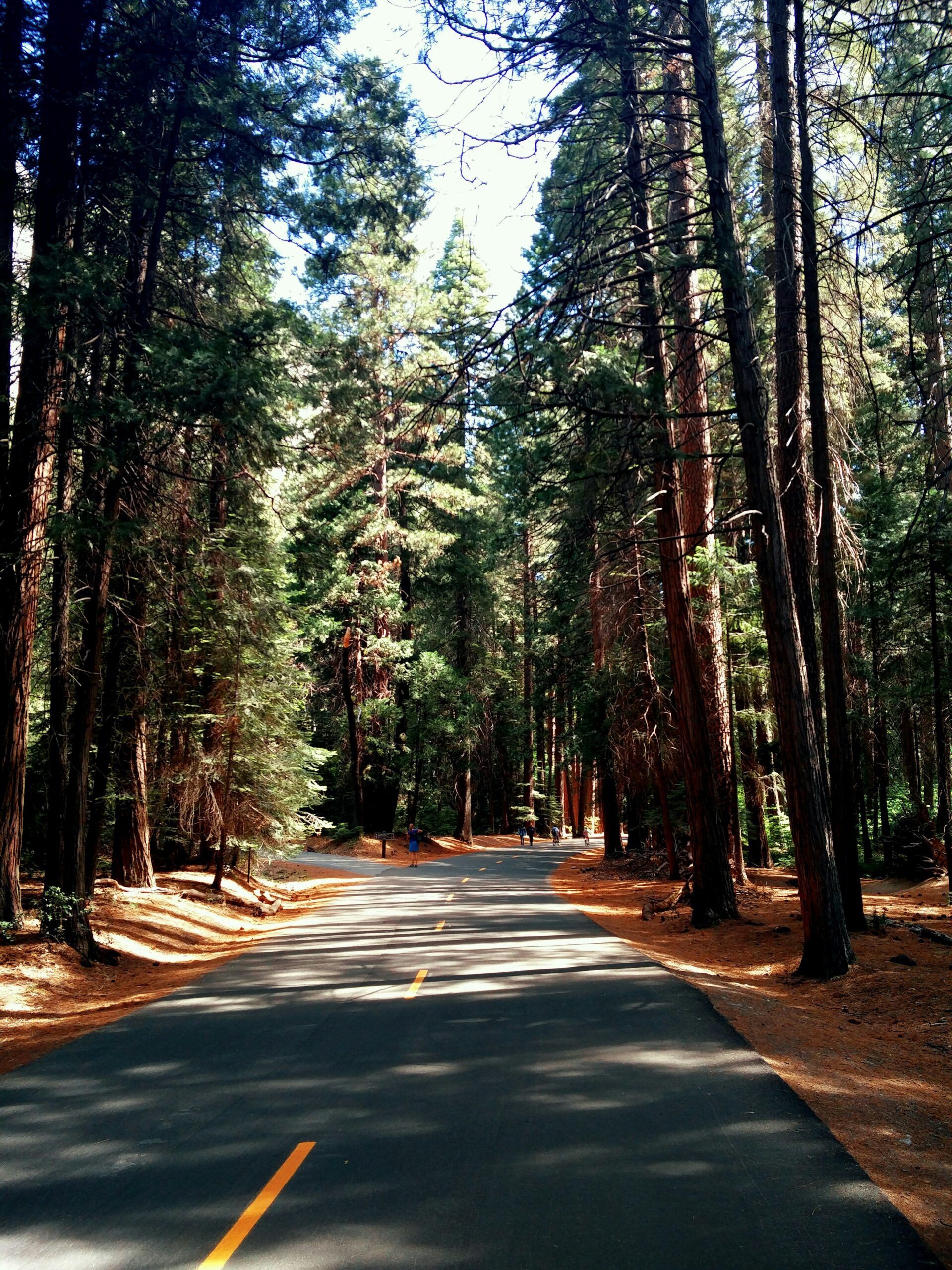
Honestly, picking a park can get overwhelming. You’ve got ancient redwoods up north, wildflower deserts down south, and everything in between. Here, I dig into my favorite parks for camping, hiking, and coastal wandering, plus the nitty-gritty on reservations and when to go.
I’ve tossed in some road trip ideas that link up multiple parks and a quick rundown of dog-friendly stops if your pup’s coming along.
California State Parks Guide: Best Parks & More
How to Choose the Right Park
With 280 state parks on the table, I whittle my list by matching the landscape to whatever I want to do, checking logistics, and double-checking conditions right before I head out.
Match Activities, Seasons, and Travel Time
First, I figure out what I actually want out of the trip. If I’m camping, I look for parks with real campgrounds and water access. If it’s history or cultural stuff I’m after, I’ll pick parks with preserved buildings or indigenous sites instead of just open wilderness.
Season totally matters. Desert parks? I go from late fall to early spring, long before it hits triple digits. Redwood and coastal parks stay mild, but summer fog can be a drag if you’re hoping for ocean views.
And travel time? I try to keep it real:
- Under 2 hours: easy day trip or quick overnighter
- 2-4 hours: makes sense for a weekend
- 4+ hours: not worth it unless I can stay at least two nights
Check Reservations, Fees, and Access
If you want to camp at a popular park on a summer weekend, you’ve got to book months ahead. I use the California state park guides or the official reservation system and set reminders for the opening window.
Day-use fees usually fall in the $8–$15 range per car, but some places charge more for beaches or tours. If I’m planning to hit five or more parks in a year, I look into an annual pass—it usually pays off.
Right before leaving, I make sure I know about:
- Any fire bans or closures
- Road conditions, especially if dirt roads are involved
- If ranger tours or programs are happening
- Pet rules—just because a park says “dog-friendly” doesn’t mean every trail is
Wildfire season changes everything fast. I always check for alerts within a couple days of my trip, not weeks out.
Use Official Maps and Visitor Resources
I stick with the official park finder to sort by region, activities, and amenities. It’s way more reliable than random travel blogs for up-to-date info on stuff like showers, EV charging, or ADA trails.
For trails, I’ll cross-check with AllTrails or similar apps to see what other hikers say about conditions and difficulty.
I also skim each park’s site for notes on landscape changes—drought, erosion, wildfire recovery can mess with trail access. Sometimes I stumble on updates about arts in California parks programs, which add pop-up exhibits or guided walks that are surprisingly cool.
Signature Destinations Across the State
The coast, the mountains, the deserts—they all have their own vibe. I’ve learned to match the park to the kind of adventure I want. Here’s how I break it down by region so I don’t end up somewhere that doesn’t fit my mood.
Coastal Icons and Ocean Viewpoints
If I’m craving cliffs and wild surf, I make a beeline for Julia Pfeiffer Burns State Park in Big Sur. McWay Falls drops 80 feet right onto the sand, and you can see it from a quick overlook walk.
Big Sur isn’t just one stop—I treat Highway 1 as a whole adventure and pull over for redwoods, tide pools, and bluff views all along the way.
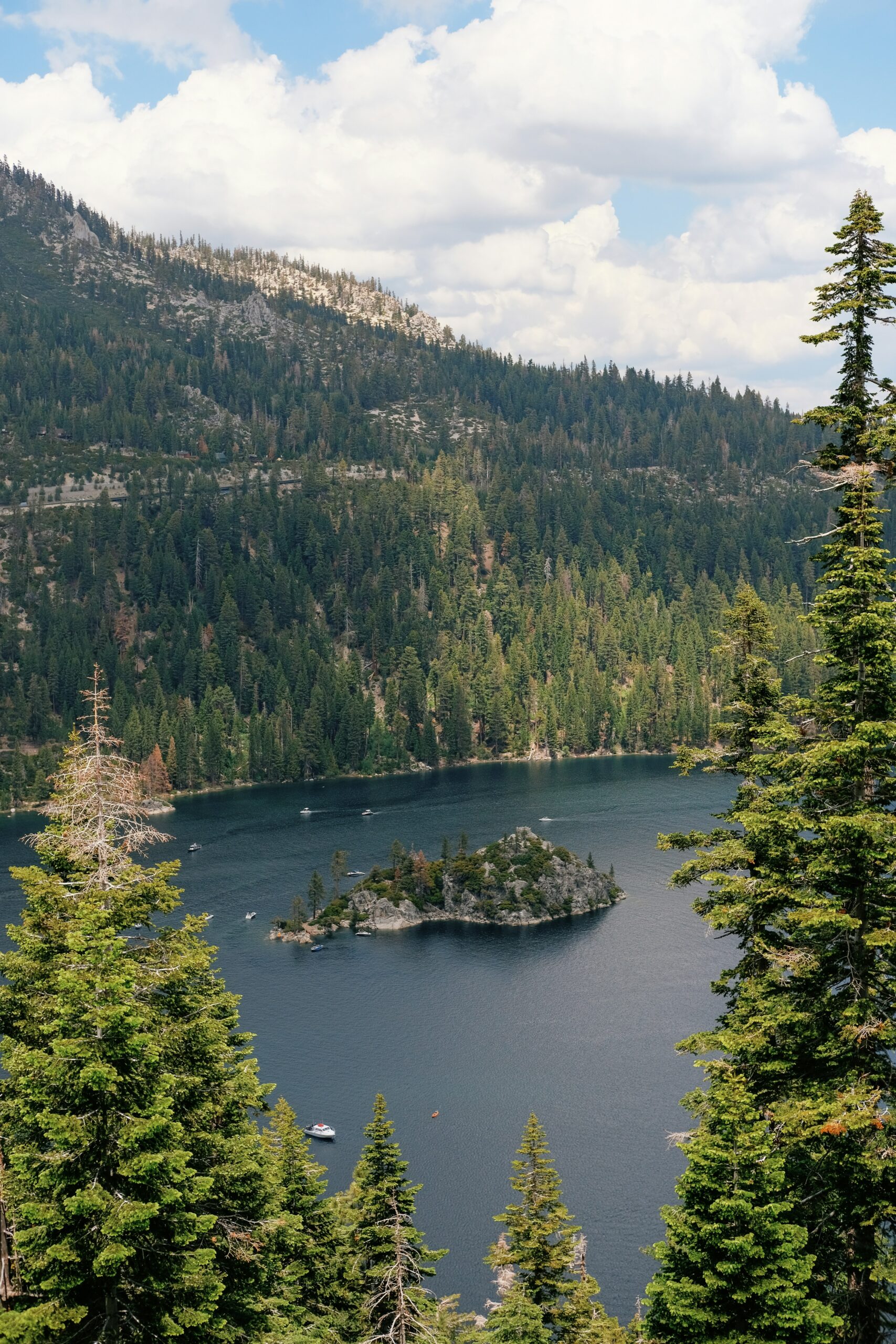
Sometimes I want something different—like the calm blue of Lake Tahoe. At Emerald Bay State Park, I’ll hike or paddle out to Fannette Island and poke around the old stone teahouse ruins.
Mountain Lakes, Waterfalls, and Giant Trees
McArthur-Burney Falls Memorial State Park is all about Burney Falls—100 million gallons a day, tumbling 129 feet. The loop trail’s short, and pretty much anyone can handle it.
For giant trees, I head to Calaveras Big Trees State Park in the Sierra foothills. The sequoias there are older than most countries, and you don’t need to hike far to feel tiny under them.
Castle Crags State Park? That’s where I go for granite spires. If I’m up for it, I’ll tackle the three-mile climb to the base of Castle Dome—tough, but worth it for the views.
Desert Landscapes and Remote Adventures
When I need space and quiet, Anza-Borrego Desert State Park always delivers. I wander The Slot, a narrow canyon in San Diego County’s badlands—a mellow two-mile hike, but the rock layers are wild.
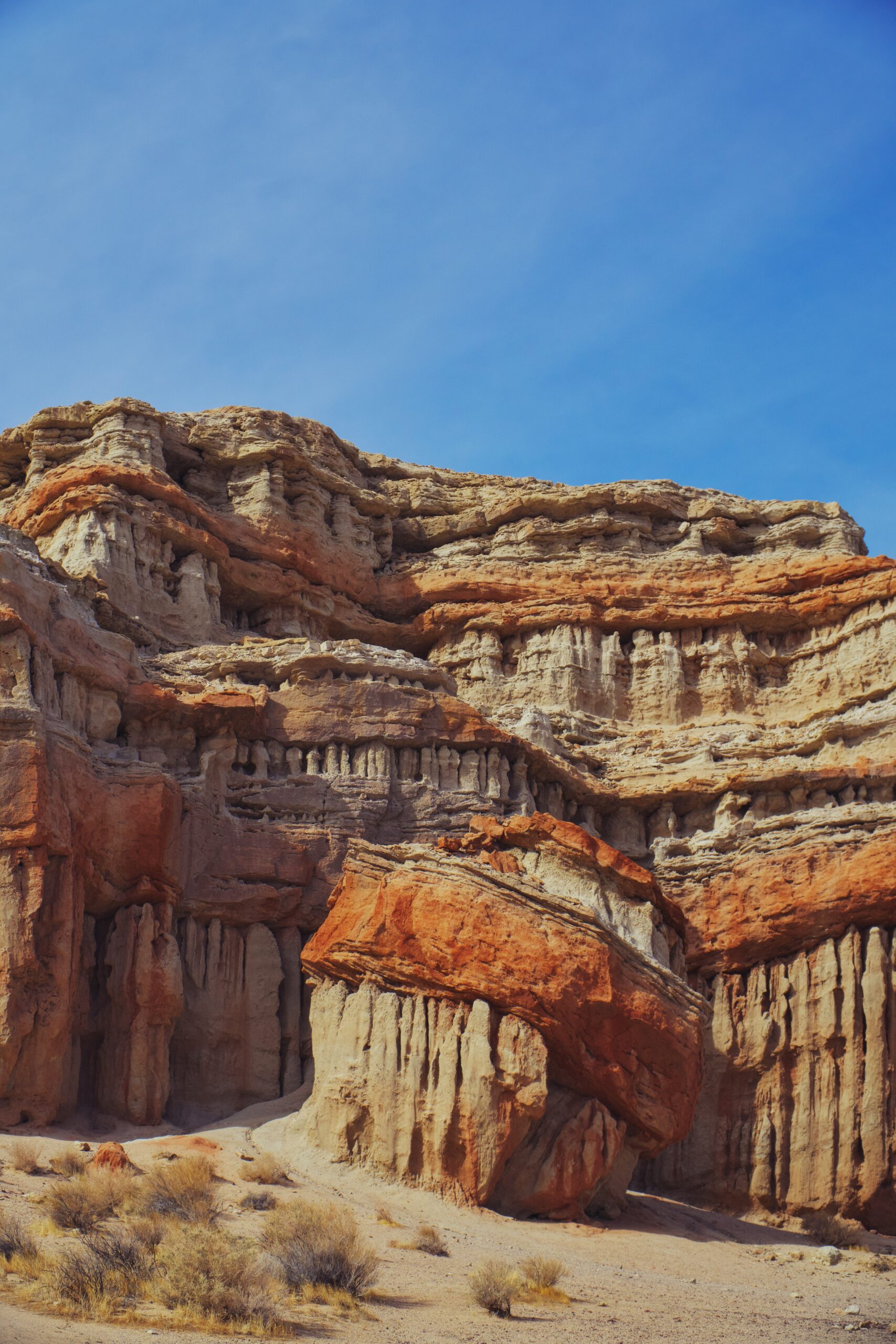
Red Rock Canyon State Park has its own thing going on—colorful cliffs, weird eroded towers, and way fewer people than the big-name desert parks. I go here when I want solitude.
I try to hit both early or late in the day. The light’s better, and I dodge the worst of the heat.
Where to Camp Overnight
Camping in California is all about matching your gear and expectations to the landscape. Coastal, forest, and desert sites each have their quirks—different booking windows, weather, and what you’ll actually find at your site.
Coastal Campgrounds With Beach Access
Crystal Cove State Park is my top pick for a walk-in site right above the sand and killer bluff views. Leo Carrillo State Park is another favorite—tide pools, quick stroll to the beach, and easy to get to from the campground.
These spots book up fast. I’m on ReserveCalifornia the second the six-month window opens. Coastal sites cost more, but that’s the price for ocean views, I guess.
Don’t trust the weather app—coastal camping means cold, damp nights even if the forecast looks clear. I always bring a tarp or rainfly, not just for rain but for the fog.
Redwood and Mountain Campgrounds
Prairie Creek Redwoods State Park has some of the tallest trees anywhere, and I usually spot Roosevelt elk near camp. I’ll pair it with Big Basin Redwoods State Park now that camping’s back post-fire.
Pfeiffer Big Sur State Park is great for coastal hikes but still gives you that shady forest feel. Bothe-Napa Valley State Park is a quieter option if you want wine country trails without the crowds.
Mountain and redwood parks often limit how many nights you can stay during busy months, so I always check before booking more than a couple nights.
Desert Camping Essentials
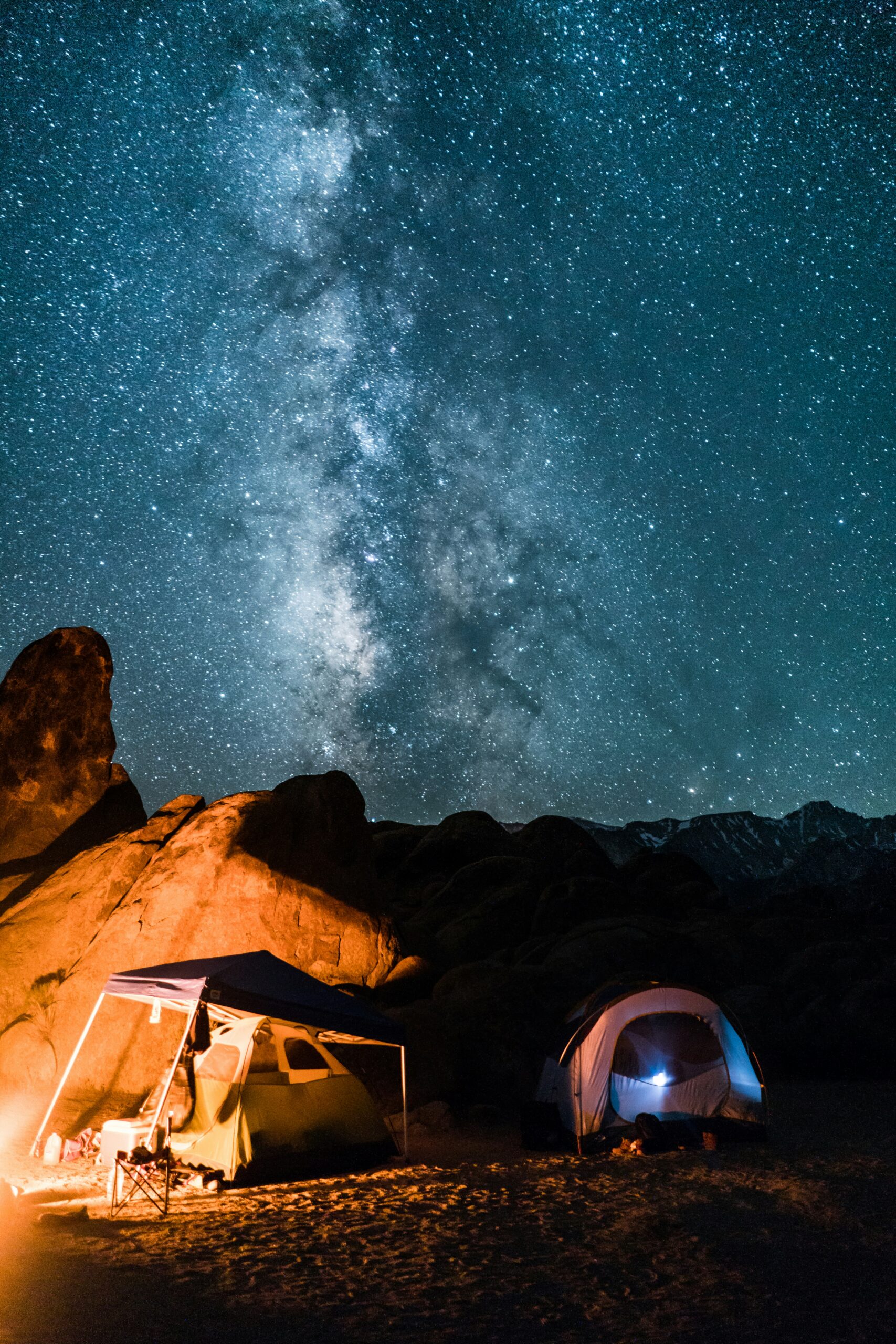
Anza-Borrego Desert State Park is my go-to for desert camping, partly because you can camp just about anywhere, not just in developed sites. Water’s everything out here—I always pack more than I think I’ll use, since you can’t count on finding any.
Desert camping means wild temperature swings: blazing hot by day, freezing at night. I bring layers instead of trusting my sleeping bag’s rating. If I’m heading to a canyon campground, I double-check road conditions since a little rain can turn the drive into a mess for anything but high-clearance vehicles.
Shade is huge in the desert—no trees, so I bring my own if I want any relief.
Hikes for Every Ability
California state parks have everything from paved stroller paths to brutal multi-day routes with thousands of feet of climbing. Here’s how I break down my favorite hikes by difficulty and landscape so you can pick something that actually fits your energy and schedule.
Easy Walks to Waterfalls, Groves, and Beaches
For beginners, I always suggest the short trail to McWay Falls at Julia Pfeiffer Burns State Park. It’s barely a mile round trip and almost no climbing, but you get that 80-foot waterfall dropping onto the sand—hard to beat.
At Crystal Cove, I like the Moro Canyon Trail for a chill walk through coastal sage before it loops up to the bluffs. You can keep it short or tack on extra miles if you’re feeling it.
Torrey Pines State Natural Reserve is another easy win. The Guy Fleming Trail is a flat 0.7-mile loop with ocean views and a chance to see the rare Torrey pine up close.
Big Sur and Central Coast Trails
The Central Coast has a mix of moderate hikes with dramatic scenery. I recommend the Bluff Trail at Montaña de Oro State Park, a mostly flat coastal path with views of tide pools and eroded sandstone cliffs. It’s about seven miles if you walk the full stretch, but honestly, the shorter sections are just as satisfying if you’re not in the mood for a long trek.
Point Mugu State Park, near Malibu, has moderate trails through Sycamore Canyon that lead to ridgeline views of the Pacific. I like the loop that combines Overlook Trail and La Jolla Valley Loop Trail—it’s a good sampler of the park’s range, from oak woodlands to open grassland, and usually clocks in around six or seven miles.
Longer Backcountry Routes and Ridge Hikes
If you’re after distance and a little solitude, I’d look at Henry W. Coe State Park in the South Bay. It’s the biggest state park in Northern California, with more than 250 miles of trails, and you can easily stretch backcountry routes into multi-day backpacking trips through those rolling, oak-dotted hills.
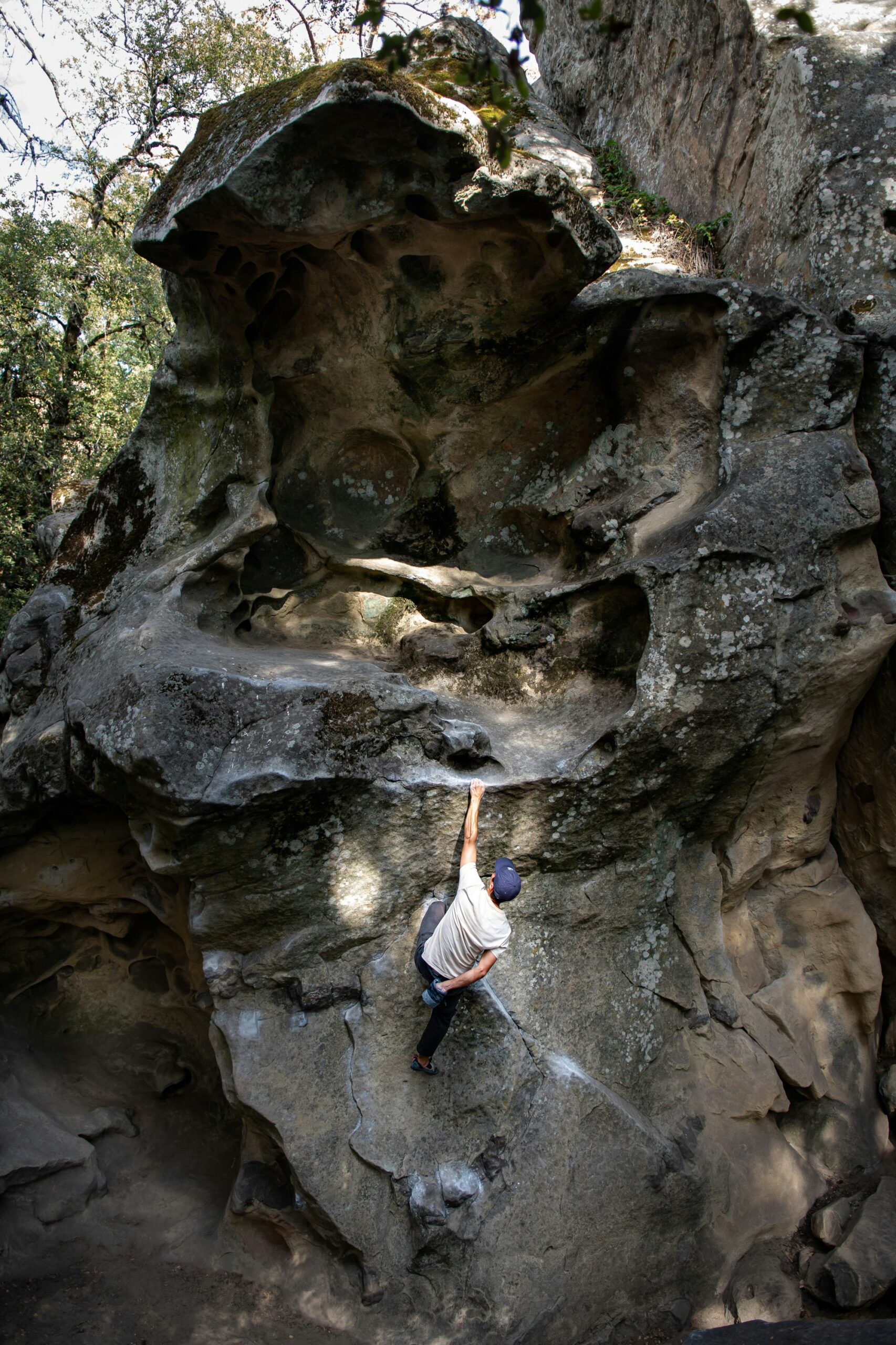
Castle Rock State Park, up in the Santa Cruz Mountains, offers steeper terrain and sandstone rock formations that pull in climbers and hikers alike. The Saratoga Gap Trail links into longer loops through redwood-fringed canyons, and the elevation change is enough to keep experienced hikers interested without getting into anything too technical.
Beach, Bay, and Water Escapes
California’s water-based state parks split into three pretty distinct zones: sandy Southern California beaches, kelp-rich Central Coast waters, and freshwater lakes tucked into the Sierra Nevada. I’ve grouped my picks by region so you can match the vibe to what you’re after.
Southern California Beaches
I always point people toward Leo Carrillo State Park and Point Mugu State Park when they ask about Malibu-adjacent coastline without the crowds. Both have tide pools, sea caves, and trails that climb from the sand up into the coastal bluffs.
Doheny State Beach in Dana Point is a solid spot for swimming and paddling since its cove is naturally sheltered from heavy surf. I’ve used it as a base for poking around Laguna Beach, which has its own network of tiny, state-protected coves along Pacific Coast Highway.
Camping’s available at Leo Carrillo, but reservations fill up fast in summer. I try to book at least two months ahead for a weekend spot.
| Park | Best For |
|---|---|
| Leo Carrillo State Park | Tide pools, camping |
| Point Mugu State Park | Bluff hiking, beach access |
| Doheny State Beach | Swimming, paddling |
Central Coast Paddling and Wildlife
I think the Central Coast is better for wildlife viewing than swimming, since the water’s colder and the terrain leans toward estuaries and bays. Morro Bay State Park sits beside a natural harbor where I’ve kayaked past sea otters and great blue herons without even trying too hard.
Monterey State Beach connects to a longer stretch of protected coastline near the Monterey Bay National Marine Sanctuary, and I’ve had decent luck spotting harbor seals from the sand there. Neither park needs technical paddling skills, but I always check tide charts before launching a kayak—bay currents can get weird fast.
Birdwatchers, don’t forget binoculars. The estuaries draw in migratory species year-round, and I’ve counted dozens in the fall.
Lake Tahoe and Inland Water Recreation
Lake Tahoe anchors the inland water scene, and I’d say Emerald Bay State Park is the best stop on the western shore. The hike down to Vikingsholm, a Scandinavian-style estate from 1929, drops about 500 feet and usually takes me half an hour each way.
I’ve kayaked the bay itself, and the turquoise water against those granite peaks—photos just can’t do it justice. Fannette Island, visible from the trail, is actually the only island in Lake Tahoe.
Up north, Clear Lake State Park has calmer, warmer water that’s great for families and casual boating. I’ve found it less crowded than Tahoe, and lakeside camping is easier to snag in peak summer months.
Redwood Forests and Northern Coast
Northern California’s redwood parks stretch from Mendocino County to the Oregon border, and honestly, each one brings its own mix of old-growth forest, river access, and coastline. I plan my visits around three things: driving through ancient groves, connecting between the four main redwood parks, and watching for elk out in the dunes and prairies.
The Avenue of the Giants
The Avenue of the Giants is a 31-mile scenic drive through Humboldt Redwoods State Park, and it’s probably the most straightforward way to see coast redwoods without hiking for miles.
The road parallels Highway 101 and runs under a canopy of old-growth trees, some over 300 feet tall.
I always stop at the marked groves—many of the biggest, oldest trees are just a few steps from the parking areas. Founders Grove is a highlight I return to, since its loop trail is super accessible.
Redwood National and State Park Connections
I treat Redwood National and State Parks as one big system, since the National Park Service and California State Parks manage four adjoining parks together: Redwood National Park, Jedediah Smith Redwoods State Park, Del Norte Coast Redwoods State Park, and Prairie Creek Redwoods State Park.
Driving between them, I notice the landscape shifting from river canyons to coastal bluffs, but the redwood canopy stays the same.
Jedediah Smith sits along the Smith River and has some of the least disturbed old-growth groves I’ve ever walked through. Del Norte Coast pairs redwood forest with direct ocean views, while Prairie Creek is where I’ve spotted elk most often.
Wild Coast, Dunes, and Elk Viewing
North of the main redwood groves, I find a totally different terrain at Tolowa Dunes State Park and MacKerricher State Park, where dune systems and coastal wetlands replace dense forest.
Sinkyone Wilderness State Park, farther south, offers a more remote stretch of coastline with steep trails and tough access—I’d only recommend it if you’re up for rougher conditions.
Manchester State Park adds another quiet beach and dune spot along this stretch.
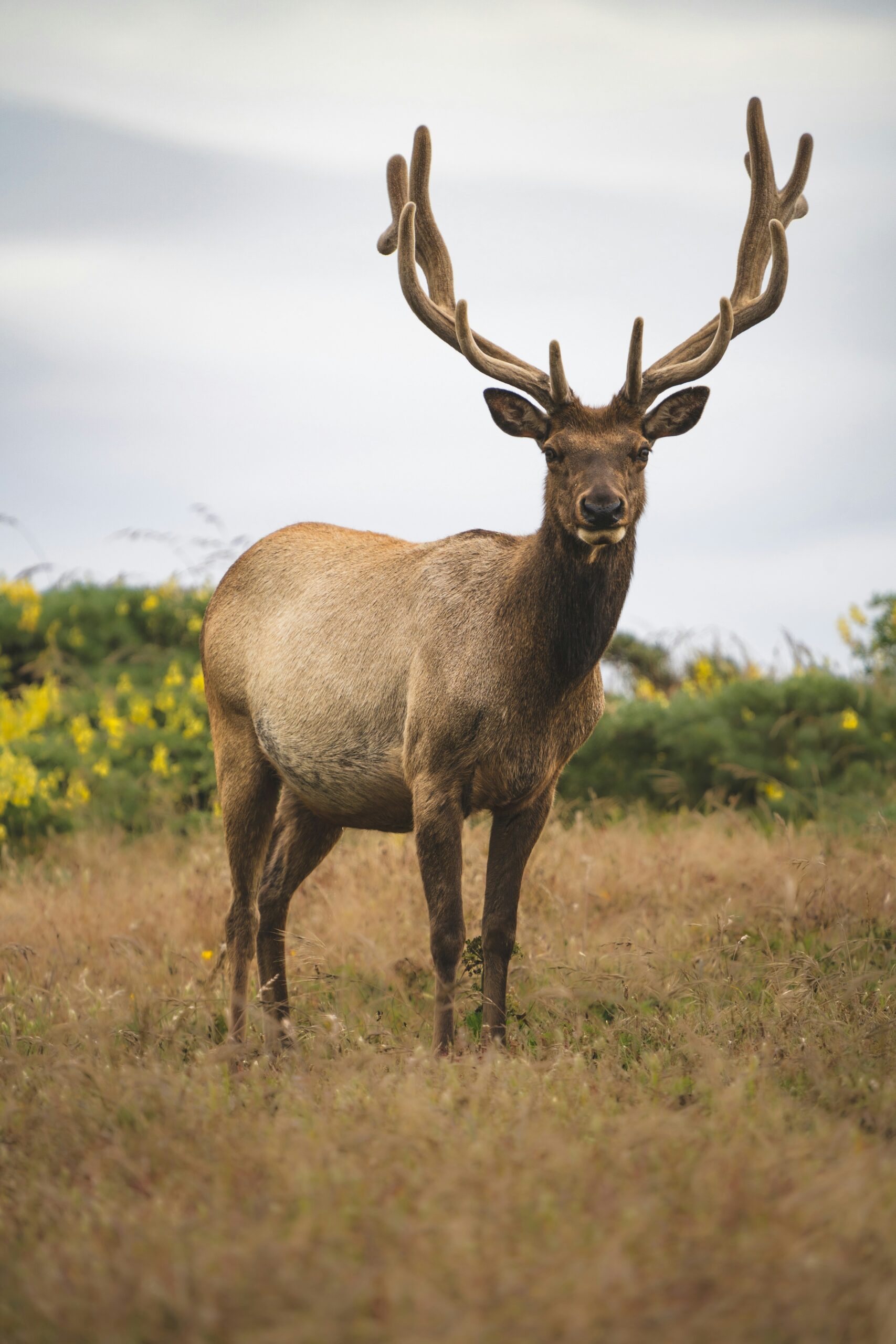
For wildlife, I watch for tule elk in the prairies near Prairie Creek Redwoods, where grassland meets the forest edge. Sightings are pretty common, so I plan early morning or evening drives just to look for them.
Desert Blooms, Wildlife, and Dark Skies
I’ve noticed the desert parks really reward people who plan around season, light, and animal behavior instead of just showing up whenever. Getting the timing right has honestly made the difference between a totally forgettable landscape and a trip I can’t stop thinking about.
Spring Wildflowers and Heat-Smart Visits
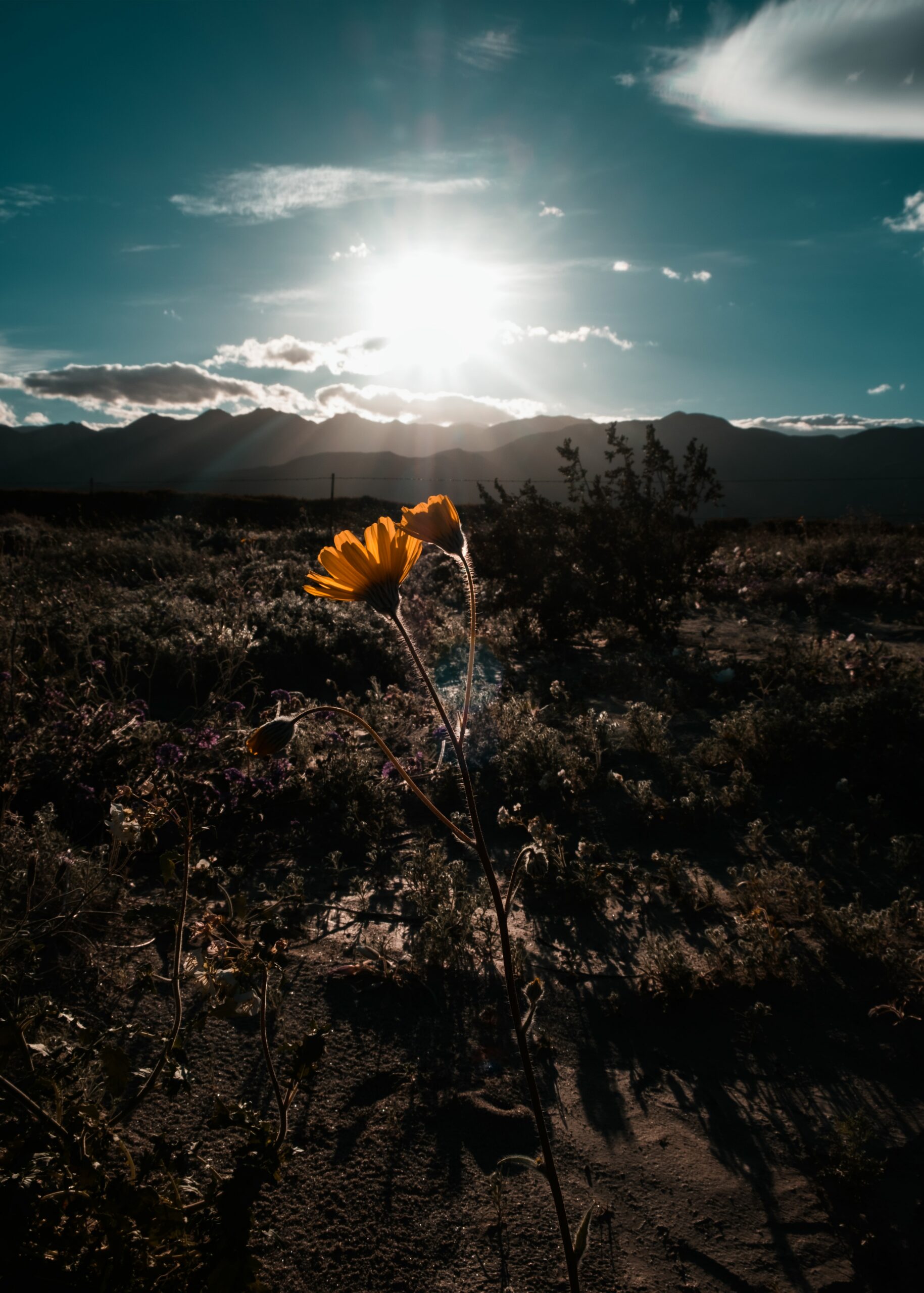
I always check bloom reports before heading to Anza-Borrego Desert State Park, since its wildflower displays depend on winter rainfall and timing shifts every year. In good years, I’ve seen sand verbena and desert sunflower cover the washes from late February through April.
I also like Saddleback Butte State Park and Arthur B. Ripley Desert Woodland State Park for smaller, quieter blooms in the Antelope Valley area.
My rules for the desert:
- Arrive early: I start hikes by 7 a.m. before the heat gets brutal.
- Bring more water than you think you’ll need: I carry at least a gallon per person for a half-day hike.
- Avoid midday sun: I schedule driving or breaks from 11 a.m. to 3 p.m.
Joshua Tree Woodlands and High Desert Scenery
I make a point to visit Providence Mountains State Recreation Area, where the high desert terrain and limestone caverns feel totally different from the sandy lowlands nearby. The elevation here supports piñon-juniper woodland alongside desert scrub.
Arthur B. Ripley Desert Woodland State Park protects one of the last stands of native Joshua trees in this part of the state, and I’ve noticed the grove feels more intact and less trampled than most roadside stops. Walking through it is the best way I know to see undisturbed high desert vegetation.
I always try to catch these spots in early morning or late afternoon, since the low sun brings out the texture in the rocks and trees.
Elk Habitats and Responsible Wildlife Viewing
Tule Elk State Natural Reserve is my go-to for seeing tule elk, a subspecies that almost disappeared before conservation efforts brought them back. I keep my distance and use binoculars, especially during the fall rut when bulls get aggressive.
I’ve also had great wildlife sightings at Henry W. Coe State Park and Pacheco State Park—deer, wild pigs, a mix of raptors across the oak grasslands. Ahjumawi Lava Springs State Park, only accessible by boat, adds waterfowl and osprey around its spring-fed wetlands.
Here’s how I try to view wildlife responsibly:
- Stick to marked trails and viewing areas.
- Don’t feed or approach animals, even if they seem calm.
- Use a zoom lens or binoculars instead of getting closer for photos.
History, Culture, and Scenic Road Trips
California’s state parks preserve stories from the Gold Rush, the railroad era, and the pioneers who shaped the state, along with mansions, museums, and landmarks that reflect a wild range of cultural experiences. I’ve found that stringing these sites together into a road trip gives a way better sense of California’s past than any single stop can offer.
Gold Rush, Pioneer, and Railroad Stories
I always recommend Bodie State Historic Park to anyone curious about the Gold Rush era. The town just sits there, frozen in “arrested decay,” with buildings left more or less as they were when folks packed up and left.
Donner Memorial State Park tells a different kind of pioneer story—this one's about the Donner Party and their disastrous attempt to cross the Sierra Nevada back in 1846. The park's museum and monument really dig into the brutal hardships settlers faced heading west.
South Yuba River State Park layers on even more history. The river corridor saw heavy mining during the Gold Rush, and you can still spot remains from that wild era along the trails.
When it comes to railroad history, I always think of the California State Railroad Museum. They’ve got these beautifully restored locomotives and old railcars that once connected California to the rest of the country.
Mansions, Museums, and Cultural Landmarks
Some parks keep the stories of influential Californians alive. Leland Stanford Mansion State Historic Park in Sacramento pretty much screams 19th-century railroad and political wealth, while Bidwell Mansion State Historic Park in Chico lets you peek into the world of one of Northern California's founding families.
Hearst San Simeon State Park, down in San Luis Obispo County, is all about the extravagant estate built by publisher William Randolph Hearst. It's hard not to be a little awestruck by the place.
But cultural history isn’t just about grand estates. Colonel Allensworth State Historic Park preserves the only California town that African Americans founded, governed, and populated. The Antelope Valley Indian Museum digs into Native American cultures from the Mojave Desert and Great Basin—honestly, it's a perspective you don't get everywhere.
Watts Towers, part of the Watts Towers of Simon Rodia State Historic Park, stands as this wild burst of folk art—built out of steel, mortar, and whatever else Simon Rodia could get his hands on.
California Citrus State Historic Park in Riverside highlights how the citrus industry shaped the state's agricultural economy. It’s not just about oranges, but the whole story of how California grew.
A North-to-South Itinerary
I usually plan my history-focused road trips to run north to south—it just feels more efficient, and I hate doubling back unless I absolutely have to.
- Start at Angel Island State Park in the Bay Area, where immigration processing stations and old military installations still linger
- Continue through Sacramento for the mansions and the railroad museum
- Detour east to Donner Memorial State Park and South Yuba River State Park tucked in the Sierra foothills
- Head south to Hearst San Simeon State Park along the Central Coast
- Stop at Malibu Creek State Park—once a movie ranch, now full of hiking trails and surprisingly varied terrain
- Pass Schooner Gulch State Beach for a coastal break if you’re taking the North Coast route instead
- Finish in Southern California at Watts Towers, Colonel Allensworth State Historic Park, or maybe the Antelope Valley Indian Museum if you’re up for something different
It’s not a perfect system, but I end up seeing more eras of California history than I’d expect on just one trip.