California Ghost Town Road Trip: Eerie Places You Can Visit
I've driven enough backroads through the Mojave and the Eastern Sierra to know that a California ghost town road trip rewards patience more than horsepower. The best stops aren't clustered together. They're scattered across deserts and mountain ranges that take real time to cross.
The strongest route links Calico, Randsburg, and Ballarat in the Southern California desert with Cerro Gordo and Bodie farther north along Highway 395, with Northern California gold country treated as its own separate trip.Trying to squeeze all five into one weekend means long driving days and rushed visits to places that deserve a slower look.
Some of these towns, like Calico, have paved paths, gift shops, and bathrooms. Others, like Cerro Gordo, demand a 4WD vehicle and a full tank of gas before you leave pavement behind. Knowing the difference before you pack the car saves a lot of frustration on the road.
California Ghost Town Road Trip: Eerie Places You Can Visit
Which Route Connects the Best Ghost Town Stops?
The ghost towns worth visiting fall into two geographic clusters, and planning around that split makes the whole trip easier. One cluster sits in the Mojave Desert near Barstow, and the other stretches along the Eastern Sierra near Lone Pine and Bridgeport.
Compare the Stops by Atmosphere, Access, and Time Needed
Each stop asks something different of a driver. Calico suits a quick family stop. Cerro Gordo and Bodie ask for more planning and a sturdier vehicle.
| Stop | Access | Time Needed | Best For |
|---|---|---|---|
| Calico | Paved road, easy | 2-4 hours | Families, first-timers |
| Randsburg | Paved road, easy | 1-2 hours | History buffs, casual stop |
| Ballarat | Graded dirt road | 1-2 hours | Death Valley detour |
| Cerro Gordo | 8-mile dirt road, 4WD recommended | Half day | Adventurous drivers |
| Bodie | Paved plus 3 miles rough dirt | 2-3 hours | Serious ghost town fans |
A Southern California Weekend From Los Angeles
A two-day loop from Los Angeles can comfortably cover Calico and Randsburg, with Ballarat as an optional add-on for travelers continuing toward Death Valley. Calico sits near Barstow, an easy two-hour drive from LA, making it a practical first stop. Randsburg is less than an hour beyond that. This weekend version skips the long drive north to Bodie entirely, keeping total driving time reasonable for a short trip. Families with young kids or anyone short on vacation days get a genuine taste of mining history without an overnight haul through the desert.
A Four- to Six-Day Route From Calico to Bodie
For travelers with more time, a longer route runs from Calico up through Randsburg, Ballarat, Cerro Gordo near Lone Pine, and finally Bodie near Bridgeport. This path follows the general shape of a highway 395 road trip, tracing the eastern edge of the Sierra Nevada. Budget at least four days to avoid rushing the mountain roads, and six if you want real time at each stop instead of a drive-by.
Why Northern California Needs Extra Days
Northern California's gold rush sites sit far from the Mojave and Eastern Sierra towns, often 300 or more highway miles away. Shasta State Historic Park, Malakoff Diggins, and Empire Mine cluster near Redding and Grass Valley, a separate region that deserves its own multi-day trip rather than a rushed add-on to a desert itinerary.
Calico and Randsburg: Two Different Takes on the Old West
Calico and Randsburg both trace back to Mojave Desert silver and gold mining, but they offer very different experiences today. One is a restored regional park built for visitors; the other is a small, still-inhabited community where daily life continues among the old storefronts.
Calico Ghost Town: Restored Streets and Family Attractions
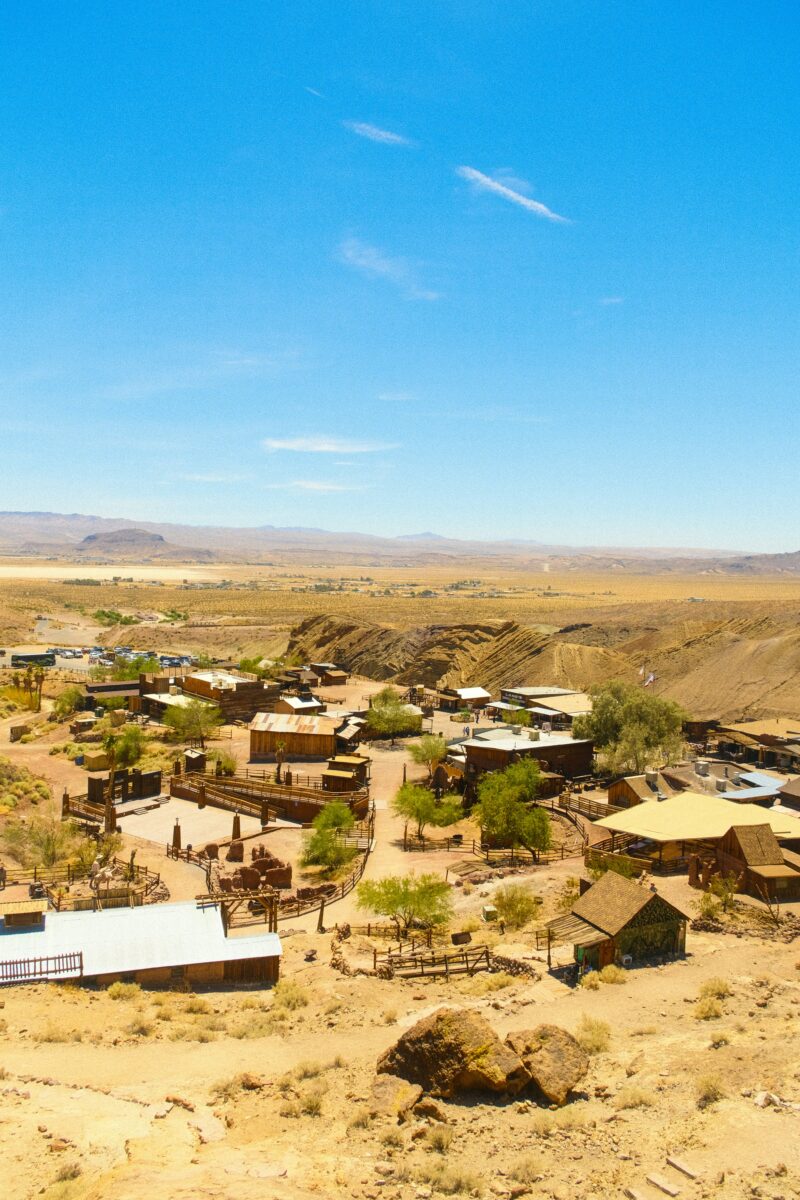
Calico began as a silver mining town in 1881 and was largely abandoned by the mid-1890s once silver prices collapsed. Walter Knott bought the town in the 1950s and rebuilt most of the buildings to resemble their 1880s appearance, leaving five original structures intact, according to Calico Ghost Town Regional Park. The site is now part of the San Bernardino County Regional Parks system and sits at 36600 Ghost Town Road in Yermo.
Daily admission runs $8 for adults and $5 for youth ages 4 to 11, with kids three and under free. The park is open daily from 9 AM to 5 PM except Christmas. Attractions like the Maggie Mine, the Calico Odessa Railroad, and the Mystery Shack carry separate fees, while the Lucy Lane Museum is free. Cabins and a bunkhouse are available for overnight stays, and the park also hosts off-roading and mountain biking trails.
Randsburg: A Living Mining Town With Weathered Storefronts
Randsburg never became a formal regional park and still has year-round residents, which gives it a rougher, more lived-in feel than Calico's restored streets. The Rand Desert Museum in town preserves the history of the Rand Mining District, which also includes nearby Johannesburg and Red Mountain. The museum keeps limited hours, open Saturday and Sunday from 11 AM to 2 PM and by appointment.
The Randsburg General Store on Butte Avenue has operated for decades and keeps its own posted hours, typically Thursday through Sunday in winter. Original buildings, including old saloons and shops, still line the main street.
Which Stop Works Best for Your Travel Style?
Calico works best for families or anyone wanting restrooms, food, and clear interpretive signage close to Barstow. Randsburg suits visitors who want a quieter, less polished stop and don't mind limited hours at the museum and shops. Both fit easily into a broader mojave desert road trip.
Ballarat: Desert Ruins in the Panamint Valley
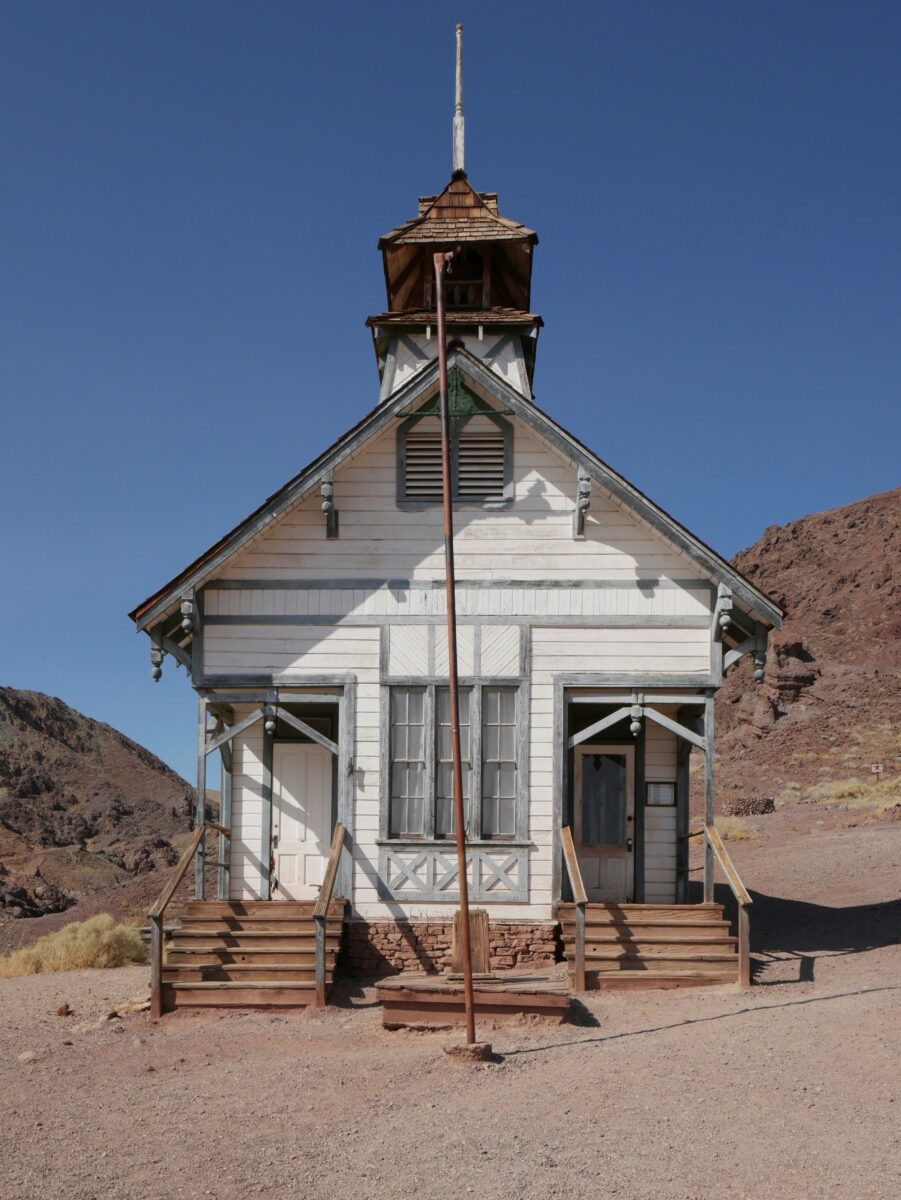
Ballarat is a true abandoned settlement, with adobe ruins and weathered wood structures sitting quietly in the Panamint Valley beneath the Panamint Mountains. Unlike Calico, nothing here has been rebuilt or restored for visitors.
What Remains of This Former Mining Supply Town?
Ballarat served as a supply town for miners working the surrounding hills, and its population reportedly reached around 400 in 1898 after gold strikes in the Panamint Mountains. Today only crumbling adobe walls and a few wooden structures remain, scattered across a dry, open valley floor. The isolation here feels real rather than staged, with few other visitors and long sightlines across the valley.
How to Fit Ballarat Into a Death Valley Detour
Ballarat sits north of Trona and makes a natural stop for travelers heading toward Death Valley National Park. Death Valley itself holds its own share of abandoned mining sites, documented by the National Park Service's overview of Death Valley's ghost towns. Road conditions around the park change often after storms, so checking the park's current alerts and conditions before heading toward Ballarat or deeper into the valley is worth the five minutes it takes. As of October 2026, several park roads including Titus Canyon Road and sections of Hunter Mountain Road were closed due to flood damage.
Cerro Gordo: A Remote Silver Town Above Owens Valley
Cerro Gordo is a former silver mining town perched high in the Inyo Mountains above the Owens Valley, and it rewards drivers willing to tackle a rough access road with one of the most dramatic settings on this trip. Founded in 1865, it once supported roughly 4,000 miners working 30 miles of tunnels.
The Cerro Gordo Mines and Ongoing Preservation
Nearly $500 million worth of minerals in today's dollars came out of the Cerro Gordo Mines before operations wound down in the 1940s. The town sat largely dormant for decades until it was purchased in 2018 by a small group aiming to preserve and restore it, a project that continues with volunteer help today.
What Should You Confirm Before Driving the Mountain Road?
Cerro Gordo is open daily from 9 AM to 5 PM and free to visit, but reaching it requires an 8-mile dirt road, and a 4WD vehicle is recommended. There's no postal address for the town itself; GPS navigation using “Cerro Gordo Ghost Town” is the simplest way to find it from Lone Pine. Checking Inyo County's road status reports before the drive is a smart habit, since conditions on unpaved mountain roads can shift quickly after storms.
Bodie: Preserved Buildings and High-Country Isolation
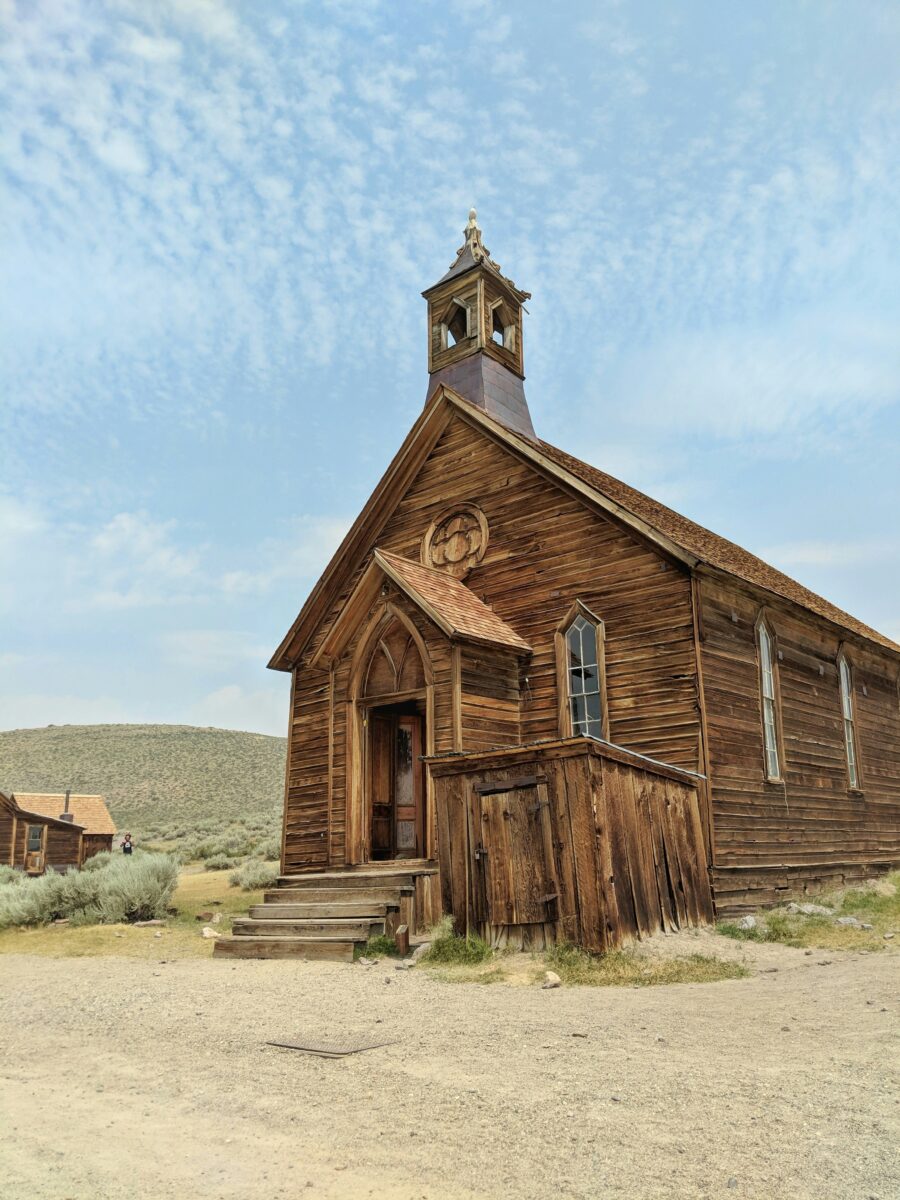
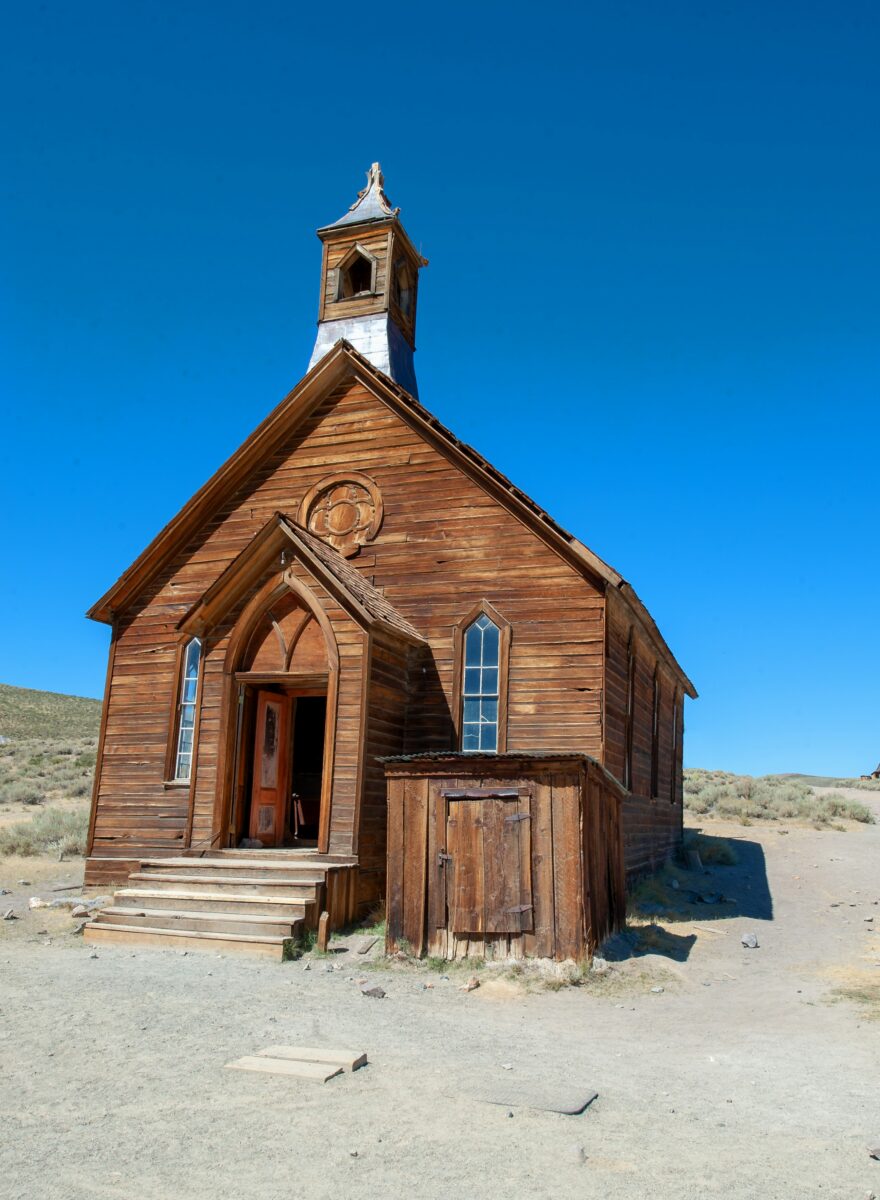
Bodie is the most completely preserved ghost town on this list, a genuine mining boomtown frozen in the exact state it was found in when California acquired it in 1962. Walking its empty streets near Bridgeport feels different from the restored charm of Calico, mostly because nothing here has been touched up for visitors.
What Does Arrested Decay Actually Mean?
Arrested decay means buildings are stabilized but never restored, so Bodie looks today much as it did when the last residents left. According to California State Parks, the agreement that created the park required everything, down to items left inside buildings, to stay frozen in place. Only necessary repairs happen, like roof patching and window replacement, to keep structures from collapsing.
What Can You See Inside Bodie State Historic Park?
Bodie once held around 2,000 structures and a population that peaked near 8,000, though California State Parks notes that less than 10% of those buildings survived two major fires in 1892 and 1932. What remains includes homes, shops, and a stamp mill, with interiors still stocked with goods left behind decades ago. Adult admission is $8, with youth ages 4 to 17 at $5, and children three and under free. A $3 self-guided tour booklet, sold through the nonprofit Bodie Foundation, is worth picking up since the town itself has no interpretive signs.
Reaching Bodie From Bridgeport or Lee Vining
The main route follows Highway 270, known as the Bodie Road, which is 10 miles of pavement followed by 3 miles of rough dirt, taking about 45 minutes from either Bridgeport or Lee Vining. This road is not plowed and closes for winter. An alternate route, Cottonwood Canyon Road, runs from near Mono Lake but gets muddy in spring and snow-impacted in winter. Summer hours run 9 AM to 6 PM, while winter hours shrink to 9 AM to 4 PM. This stop pairs naturally with a broader look at Bodie California ghost town history or a wider loop through must-visit ghost towns in California.
Northern California Extensions Through Gold Rush Country
Northern California's gold rush sites sit far enough from the desert and Eastern Sierra towns that they work best as a separate trip built around a California gold country road trip. These three stops cluster loosely between Redding and Grass Valley, connected by Highway 49 and smaller mountain roads.
Shasta State Historic Park: Brick Ruins Near Redding
Shasta sits six miles west of Redding on Highway 299 and preserves rows of half-ruined brick buildings from the town once known as the “Queen City” of Northern California mining. The restored 1861 County Courthouse now holds historical exhibits, and the museum charges $3 for adults and $2 for youth. The Courthouse Museum and gift shop keep limited hours, Thursday through Sunday from 10 AM to 4 PM.
North Bloomfield and Malakoff Diggins: A Hydraulic Mining Legacy
North Bloomfield's preserved main street sits inside Malakoff Diggins State Historic Park, once the site of the world's largest hydraulic gold mine until the practice was outlawed in 1884. The park includes huge, colorful cliffs carved away by mining water cannons, along with a saloon, barbershop, and general store. Vehicle day use costs $10, and the park sits about 26 miles from Nevada City on mostly paved roads, a trip worth pairing with time spent visiting Nevada County California.
Empire Mine in Grass Valley: A Mining Heritage Stop, Not a Ghost Town
Empire Mine is a working heritage site rather than an abandoned town, preserving the owner's home, gardens, and mine entrance rather than empty streets. The mine operated for more than 100 years and produced 5.8 million ounces of gold before closing in 1956. Entry costs $5 for adults, and guided 45-minute tours are included with admission.
Which Optional Detours Are Worth the Extra Miles?
A handful of sites near the main route reward travelers willing to add a few hours or a full extra day, though they vary widely in how much effort they demand. Each one fits a different kind of traveler, from casual railroad history fans to backcountry hikers.
Bennettville: A Seasonal High-Country Hike Near Yosemite
Bennettville was a silver-mining camp built at roughly 10,000 feet elevation near what is now Yosemite National Park, with a short hike leading to an assay office, bunkhouse, and ore-car tunnel. Access depends on snow conditions, since high Sierra trailheads near Tioga Road typically close from November into late spring.
Kelso Depot: Railroad History in the Mojave Desert
Kelso Depot is a restored 1924 train station inside Mojave National Preserve, though the visitor center building itself has been closed for rehabilitation, with restrooms nearby remaining open. It's a worthwhile stop for anyone already exploring the preserve as part of a visit to Mojave National Preserve.
Silver City: Relocated Historic Buildings Near Lake Isabella
Silver City in Bodfish brings together more than 20 historic buildings physically relocated from mining camps like Keyesville and Whiskey Flat, rather than preserving a single town in its original location. The Mills family began the relocation project in the late 1960s, and admission runs around $7.50 per the site's own description.
Panamint City: A Strenuous Backcountry Alternative
Panamint City sits deep in the Panamint Mountains and requires a demanding hike to reach, making it a backcountry alternative for experienced hikers rather than a casual stop. It pairs naturally with time spent near Ballarat and the Panamint Valley for travelers comfortable with rugged terrain.
Rhyolite: A Nevada Side Trip, Not a California Stop
Rhyolite sits just across the state line in Nevada, four miles west of Beatty, and is best treated as a side trip rather than part of a California-only itinerary. The town's Cook Bank Building is one of the most photographed ghost town structures in the West, and Death Valley visitors often pass through on their way into the park. It's day use only, with no camping allowed.
When Should You Go, and What Should You Budget?
Spring and fall offer the best balance across this entire route, avoiding both desert heat and Sierra snow that can close roads to Bodie and Cerro Gordo. Timing a trip around these shoulder seasons also means fewer crowds at the more popular stops like Calico.
Balancing Desert Heat With Sierra Snow and Road Closures
Death Valley's summer temperatures can reach 130°F, with nighttime lows still near 90°F. That heat makes the Mojave Desert stops rough in July and August. Meanwhile, Bodie's access road closes for winter and can remain snow-affected into May. Spring and fall avoid both extremes across Barstow, Lone Pine, and Bridgeport.
Admission, Tours, and Attractions That May Cost Extra
Entry fees across these stops stay modest. Calico charges $8 for adults, Bodie charges the same, and Empire Mine asks $5. Separate fees apply for extras like Calico's Maggie Mine tour or Bodie's $3 self-guided booklet, so a day's total cost depends on how many add-ons you choose.
Where to Sleep, Refuel, and Restock Along the Route
Bridgeport and Lee Vining offer the closest restaurants and lodging to Bodie, since the park itself has no food or gas service. Barstow serves as the main supply point for Calico and Randsburg. Fuel up before heading toward Death Valley or Cerro Gordo, since services thin out quickly once you leave the highway.
How Can You Explore Safely Without Damaging the Sites?
Safe ghost town exploring means checking road and weather conditions ahead of time, carrying real supplies, and staying out of structures and mine openings that aren't maintained for visitors. These places are fragile, and a little preparation keeps both you and the site intact.
Check Road Conditions, Vehicle Requirements, and Private Access
Roads to Cerro Gordo and Bodie change condition quickly after storms, and Death Valley's road status page gets updated regularly with current closures. Caltrans also posts live highway conditions through its travel information page for the paved routes connecting these stops.
Carry Water, Offline Maps, and Emergency Supplies
Cell service disappears along most desert and mountain routes on this trip. The National Park Service recommends drinking at least one gallon of water a day in desert heat and bringing the Ten Essentials for any backcountry travel. A paper map backs up your phone when GPS signal drops in remote stretches.
Stay Out of Mine Shafts and Unstable Buildings
Old mine shafts can hide unstable ground, bad air, and hidden drops, and the National Park Service warns visitors never to enter mine tunnels around Death Valley. Calico's own park notices repeat this warning for the mines near its boundaries, calling them extremely hazardous. Bodie closes off certain unstable sections of town entirely to protect visitors.
Separate Haunted Legends From Documented History
Some ghost towns carry ghost stories alongside their mining history, like the folklore tied to Silver City's relocated jail building, but these remain local legend rather than documented fact. Enjoying the atmosphere of an empty desert town doesn't require treating every creak as proof of something supernatural. For readers drawn to that side of the trip, a look at haunted places in California keeps folklore and history clearly separated.
Leave Artifacts in Place and Respect Remaining Residents
Nothing should be removed from these sites, including rocks, nails, and broken glass, since every item left behind is part of the historic record. Bodie's own rules make clear that removing or disturbing any natural or historic feature is illegal, a policy shared by most California State Parks sites. Randsburg and Cerro Gordo have active residents and ongoing preservation work, so visitors should treat these as lived-in places, not abandoned film sets.