Best California Wine Regions to Visit in September: 2026 Guide
September might be the single best month to plan a California wine trip, and the reason comes down to timing. This is when California Wine Month lands, and it overlaps with the grape harvest across nearly every wine region in the state.

I have wandered through crush pads sticky with fresh-pressed juice, watched pickers move through Zinfandel rows before sunrise, and sat down to harvest dinners where the winemaker pouring your glass is the same person who picked that fruit weeks earlier. September delivers all of it at once.
Napa Valley and Sonoma County offer the most polished harvest experiences, but Paso Robles, Santa Barbara wine country, Lodi, and a half dozen other regions give September visitors real crush-season access without the crowds or the price tag. Your best pick depends on the wines you love, how far you want to drive, and whether you want a festival crowd or a quiet Tuesday morning beside a crush pad.
California wine country stretches from Mendocino's redwood-shaded valleys to Temecula's rolling hills near San Diego, and wine lovers touring during harvest season get a rare front-row seat to fermentation, sorting tables, and the smell of ripening fruit in the vineyards. This guide moves region by region, matching wine style and travel distance to what September actually delivers on the ground.
Best California Wine Regions to Visit in September: 2026 Guide
Why September Is California Wine Country's Signature Season
September earns its reputation because two things happen at once: the official California Wine Month kicks off, and the grape harvest hits its stride across most American Viticultural Areas in the state. That combination means wineries roll out tastings, harvest tours, and winemaker dinners right as fermentation tanks fill up with fresh-picked fruit.
What Is California Wine Month?
California Wine Month is a statewide celebration held every September, not a single event but a month-long series of festivals, tastings, and tours. The state is home to more than 4,800 wineries spread across 39 American Viticultural Areas, and California produces 81 percent of the wine made in the United States, according to Visit California. Wineries mark the month with grape stomps, blending workshops, and behind-the-scenes tours that let visitors watch winemaking in progress.
When Does the Annual Harvest Season Peak?
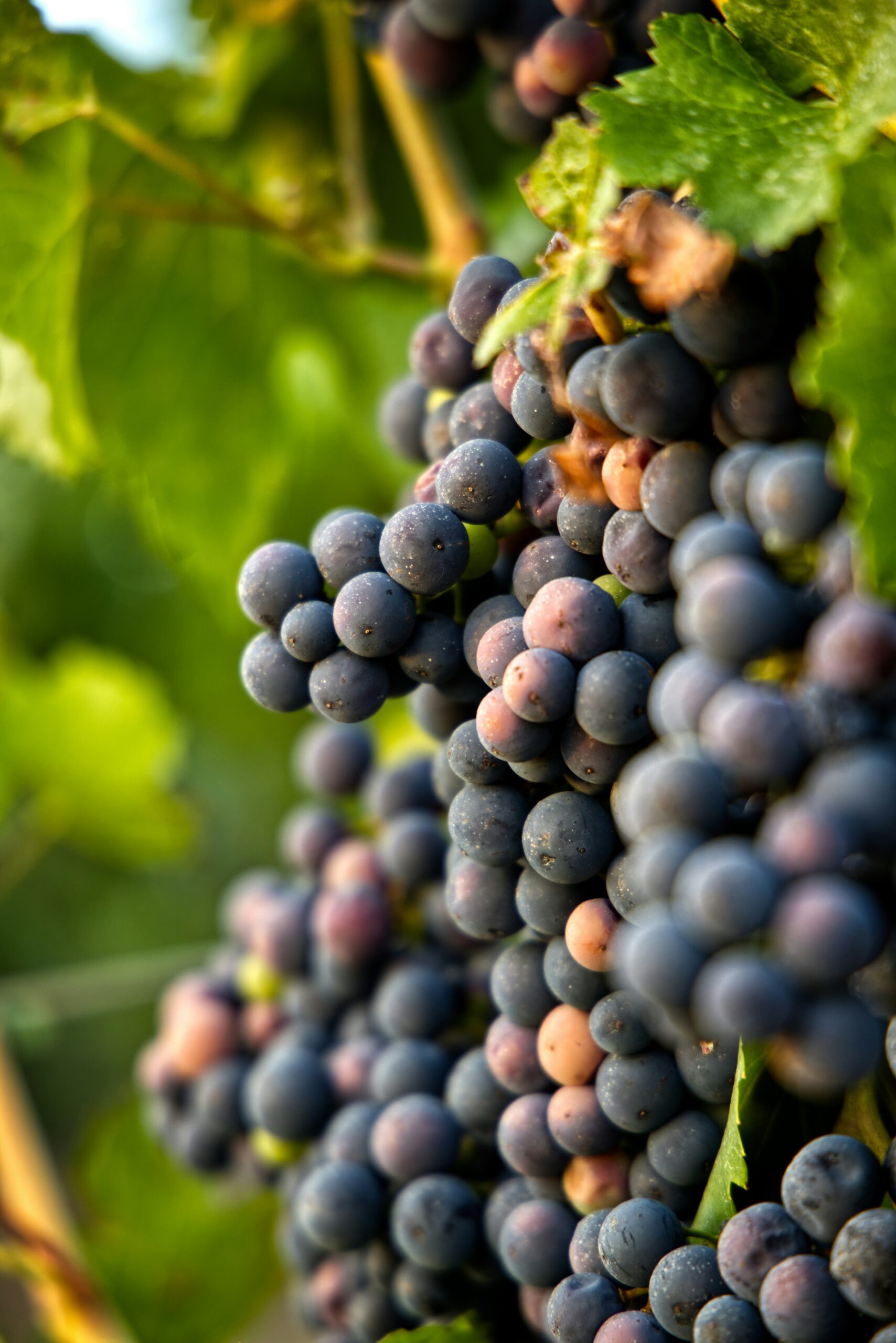
The annual harvest season generally runs from August through October, though timing shifts by grape and region. Sparkling wine grapes and other early varietals often come off the vine first, while Cabernet Sauvignon, especially from mountain vineyards, can hang until late October or even November. Sonoma County's harvest turns vineyards from green to gold to red, and the air fills with the scent of ripening fruit and new oak barrels.
Why Harvest Weather, Crowds, and Prices Vary by Region
Inland valleys like Napa and Paso Robles run hot and dry in September, often in the 80s or 90s during the day, while coastal regions like Santa Barbara and Mendocino stay milder thanks to marine fog. Crowds and hotel rates climb everywhere during named festival weekends, so a quieter weekday visit often means easier reservations and a closer look at real crush activity.
Napa Valley and Sonoma County for Classic Harvest Experiences
Napa Valley and Sonoma County remain the most established harvest destinations in the state, pairing serious winemaking with polished visitor programs. Between the two, you get everything from cave tours and formal tasting rooms to laid-back farmhouse pours, plus distinct sub-regions like Carneros, Russian River Valley, and Alexander Valley that each specialize in different grapes.
Napa Valley: Cabernet Sauvignon, Culinary Stays, and Behind-the-Scenes Tours
Napa Valley wine built its reputation on Cabernet Sauvignon, and September is when that grape is often still ripening on the vine while earlier varietals get pressed. Towns like Yountville, St. Helena, and Calistoga anchor the valley, each with its own pace and dining scene. The Calistoga Harvest Table turns Lincoln Avenue into a 1,000-foot communal table on September 13, with 12 local restaurants and 12 Calistoga wineries pouring alongside live music.
Groth Vineyard & Winery in Oakville runs a Vineyard and Cellar Walk on September 19, pairing a tour of the vines with a behind-the-scenes cellar visit and a picnic lunch on the lawn. Hands-on harvest tours and grape-stomping events run from August through October across the valley. If you want a taste of the region without leaving your Napa Valley Wine Train plans behind, that experience pairs well with a day of vineyard hopping; see this guide to the Napa Valley Wine Train for details.
Sonoma Valley and Sonoma County: Diverse AVAs and a More Relaxed Pace
Sonoma County spreads across 19 AVAs and more than 425 wineries, and it produces more Pinot Noir than any other county in the state. The pace here feels looser than Napa, with more family-run tasting rooms and fewer reservation-only experiences.
The Valley of the Moon Vintage Festival runs September 24 through 27 on the historic Sonoma Plaza, marking 200 years of winegrowing with a harvest dinner, a blessing of the grapes, and a competitive grape stomp. Alexander Valley Vineyards hosts pizza pairings on Saturdays through September, and Kendall-Jackson Wine Estate & Gardens runs an open-air winemaker dinner series.
Carneros: Sparkling Wine, Chardonnay, and Pinot Noir
Carneros sits at the cool, foggy southern edge of both Napa and Sonoma, where coastal air keeps temperatures down and favors early-ripening grapes. Domaine Carneros built its name on sparkling wine here, and the same cool climate suits Chardonnay and Pinot Noir. September visitors often catch sparkling grapes coming in first, weeks ahead of the valley's Cabernet harvest.
Russian River Valley and Alexander Valley: Pinot Noir or Zinfandel?
Russian River Valley leans into Pinot Noir and Chardonnay thanks to fog rolling in from the Sonoma Coast, while Alexander Valley's warmer inland pockets favor Zinfandel and Cabernet Sauvignon. Access Alexander Valley Wine Week runs September 21 through 27, giving visitors a concentrated window to taste the valley's reds. Choosing between the two comes down to whether you want bright, fog-cooled Pinot Noir or bolder, sun-ripened Zinfandel.
Central Coast Escapes From Paso Robles to Carmel Valley
The Central Coast covers a huge stretch of wine country, running from Paso Robles down through San Luis Obispo County and Monterey County, and it trades Napa's polish for wide-open ranchland and a more relaxed dress code. Grapes here range from bold Rhône-style reds to cool-climate Pinot Noir, depending on how close you are to the coast.
Paso Robles: Bold Reds, Rhône Styles, and Hands-On Harvest Experiences
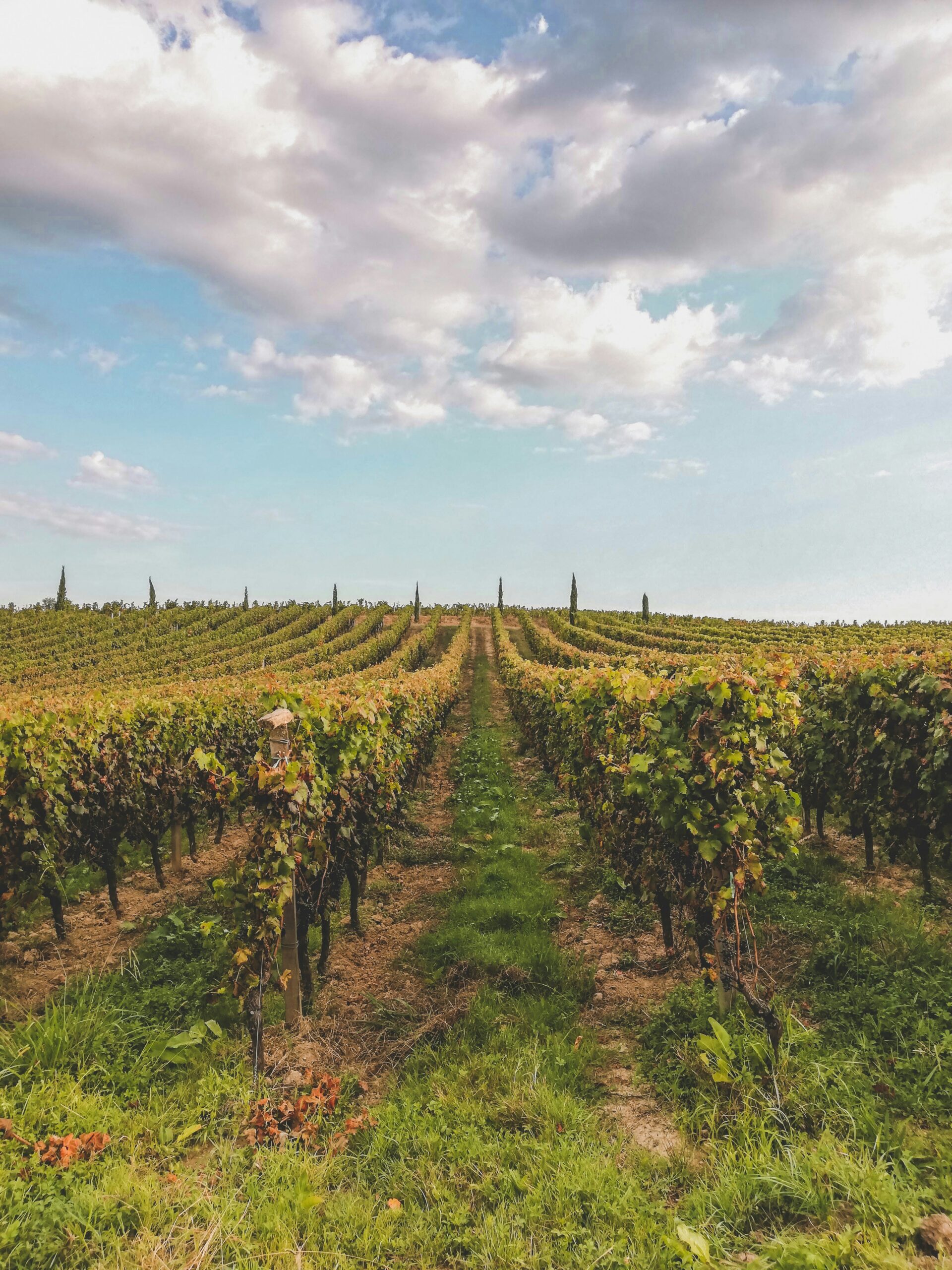
Paso Robles has more than 200 wineries across 26,000 acres of vineyards, and it built its name on Rhône-style reds like Syrah alongside Zinfandel and Cabernet Sauvignon. The region runs hot, with August and September days regularly hitting the mid-90s to low 100s, and that wide day-to-night temperature swing is exactly what gives Paso's reds their ripeness without losing acidity. Grape stomps here, like the one at CASS Winery, typically run in October rather than September, so confirm dates before planning a trip around one.
San Luis Obispo County and Edna Valley: A Laid-Back Mid-Coast Base
San Luis Obispo County makes an easy home base between Paso Robles and the coast, and Edna Valley's cool, wind-swept vineyards specialize in Chardonnay and Pinot Noir. Paso Robles and San Luis Obispo share a roughly 70-mile SLO Sustainable Wine Trail covering about 50 wineries along Highway 101. Dine in the Vines, a multicourse winemaker dinner at ONX Estate Vineyard in the Templeton Gap District, runs September 19.
Monterey County and Carmel Valley: Cool-Climate Wines Near the Coast
Monterey County's cooler climate suits Chardonnay, Pinot Noir, and other varieties that need extra hang time near the fog line. The Monterey Wine Trail covers a dozen stops, and the walkable Carmel-by-the-Sea Wine Walk lets visitors sample tasting rooms and wine bars without driving between stops. Carmel Valley itself sits inland from Carmel-by-the-Sea and offers a quieter, warmer alternative for an afternoon of tastings.
Santa Barbara and Santa Ynez Valley for Coastal Character
Santa Barbara wine country grows an unusually wide range of grapes because its valleys run east-west instead of the typical California north-south orientation, funneling cool Pacific air straight inland. That layout means Pinot Noir and warm-climate Syrah can grow within a short drive of each other.
Santa Barbara Wine Country: Which Varietals Shine in September?
Santa Barbara County grows around 42 varietals across its diverse microclimates, with Pinot Noir and Chardonnay favoring cooler, fog-touched sites near the coast. Santa Barbara itself has a Funk Zone filled with urban tasting rooms tucked into former industrial warehouses. Harvest here tends to start early for cool-climate reds, sometimes in August, with warmer inland pockets stretching into October.
Santa Ynez Valley: Tasting Routes, Vineyard Views, and Small-Town Stays
Santa Ynez Valley sits just north of Santa Barbara and splits into distinct microclimates: cool, foggy conditions near the coast suit Chardonnay and Pinot Noir, while Happy Canyon, about 30 miles inland, runs hot enough for Bordeaux varieties like Cabernet Franc and Merlot. Small towns like Solvang and Los Olivos make good bases for a tasting-room crawl, and a pass from the Santa Ynez Valley Wine Country Association covers discounted tastings at 15 boutique wineries. For more Santa Barbara wine options beyond the valley's main routes, see this guide to Santa Barbara County's best-kept secrets.
Mendocino and Anderson Valley for a Quieter Northern Getaway
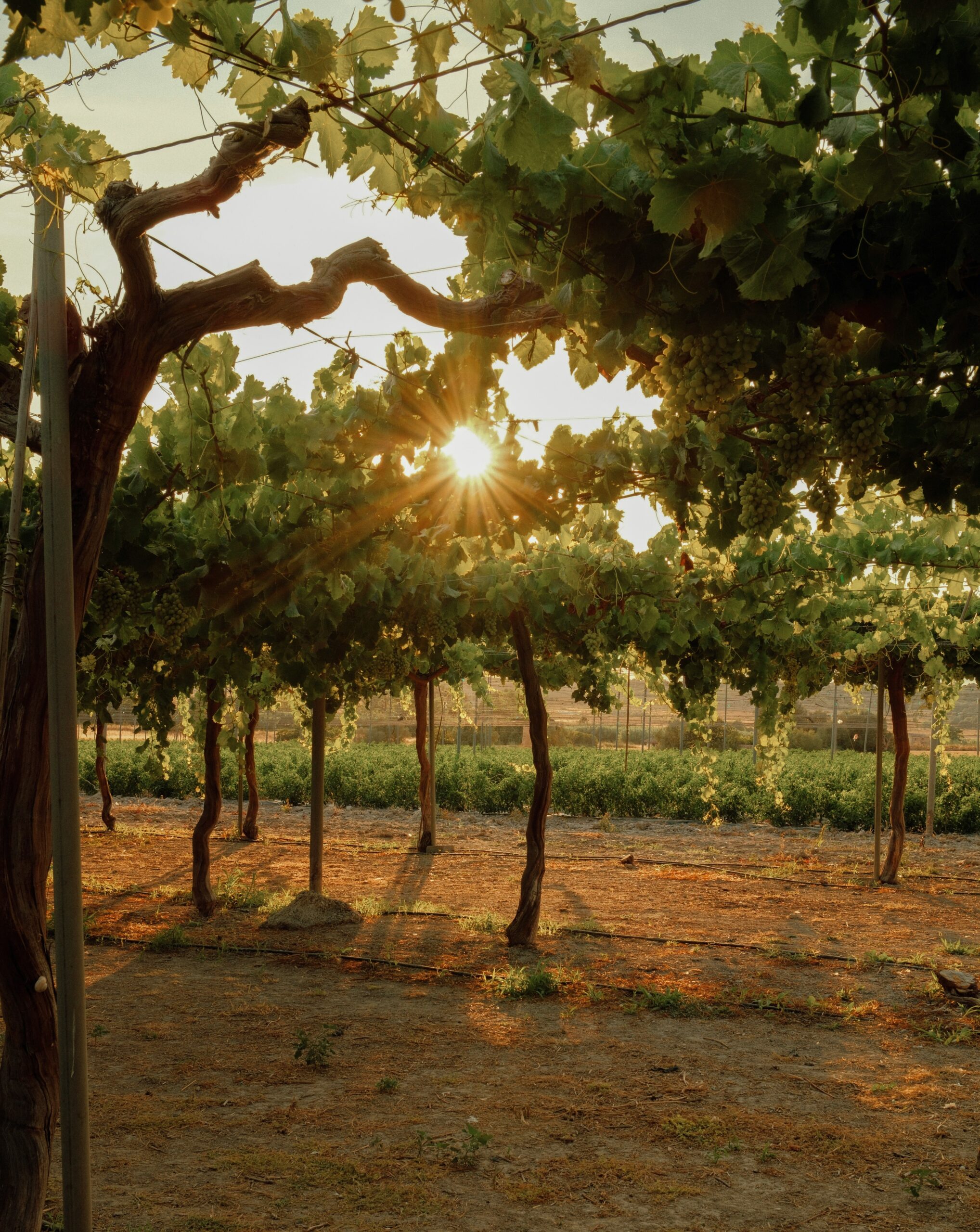
Mendocino County offers the quietest harvest experience on this list, trading crowds for redwood groves and a rugged coastline. Anderson Valley, tucked inland along Highway 128, is the wine hub, while the Mendocino Coast adds fog, cliffs, and small fishing-village charm.
Anderson Valley: Pinot Noir, Sparkling Wine, and Redwoods
Anderson Valley has more than 30 boutique wineries producing estate Pinot Noir and sparkling wine. Cool coastal air rolls in through the valley, making it ideal Pinot territory, and stops like Pennyroyal Farm pair wine and cheese tastings with views over the vines. Hendy Woods State Park sits nearby, home to two groves of old-growth redwoods and five miles of trails, so a wine day here easily turns into a hiking day too.
Mendocino County: Harvest Events Beyond the Tasting Room
Mendocino County hosts its own harvest festival, and the Mendocino County Fair Wine Competition, held September 18 through 20 at the Boonville fairgrounds, showcases gold-medal wines alongside local apples and produce. Farther along the coast, Old Town Mendocino offers galleries, bookshops, and headland hikes that round out a wine weekend. Readers looking for tasting rooms that welcome walk-ins can check this list of walk-in Mendocino wineries.
Lodi, Livermore Valley, and Gold Country for Value and Variety
Lodi, Livermore Valley, and Gold Country give budget-minded wine lovers a genuine alternative to Napa's price tags, without giving up variety or hospitality. All three sit within easy reach of the Bay Area or Sacramento, making them easy add-ons to a bigger California trip.
Lodi: Old-Vine Zinfandel and the Lodi Grape Festival
Lodi calls itself the Zinfandel capital of the world, with some vines dating back to the 1880s, and the region grows more than 135 grape varietals, making it the most diverse wine-growing area in the country according to Visit Lodi. Lodi has more than 85 wineries, most family-owned, and tasting fees typically run under $20 with walk-ins welcome, per the same source. The Lodi Grape Festival runs September 17 through 20, and Bokisch Vineyards hosts a farmland-preservation 5K and 10K race on September 13 that ends with a paella lunch.
Livermore Valley: Convenient Bay Area Tastings and Vineyard Events
Livermore Valley traces its wine roots back to the 1800s, making it one of California's oldest wine regions, and it sits close enough to San Francisco and San Jose for an easy day trip, according to the Livermore Valley Winegrowers Association. McGrail Vineyards runs its Friday Night Live series through September 25, pairing live music on the vineyard lawn with wine and rotating food trucks.
Amador County: Gold Country Reds on the Way to the Sierra
Amador County, in California's Gold Country, specializes in Zinfandel, Sangiovese, and Barbera, and it makes a natural stop for travelers heading toward Yosemite National Park or Lake Tahoe. The Foothills Wine & Brewfest at the Gold Country Fairgrounds in Auburn pairs local wine and beer with barbecue and live music. Readers planning a longer Sierra foothills loop might also enjoy this California Gold Country road trip guide.
Temecula Valley for a Convenient Southern California Wine Trip
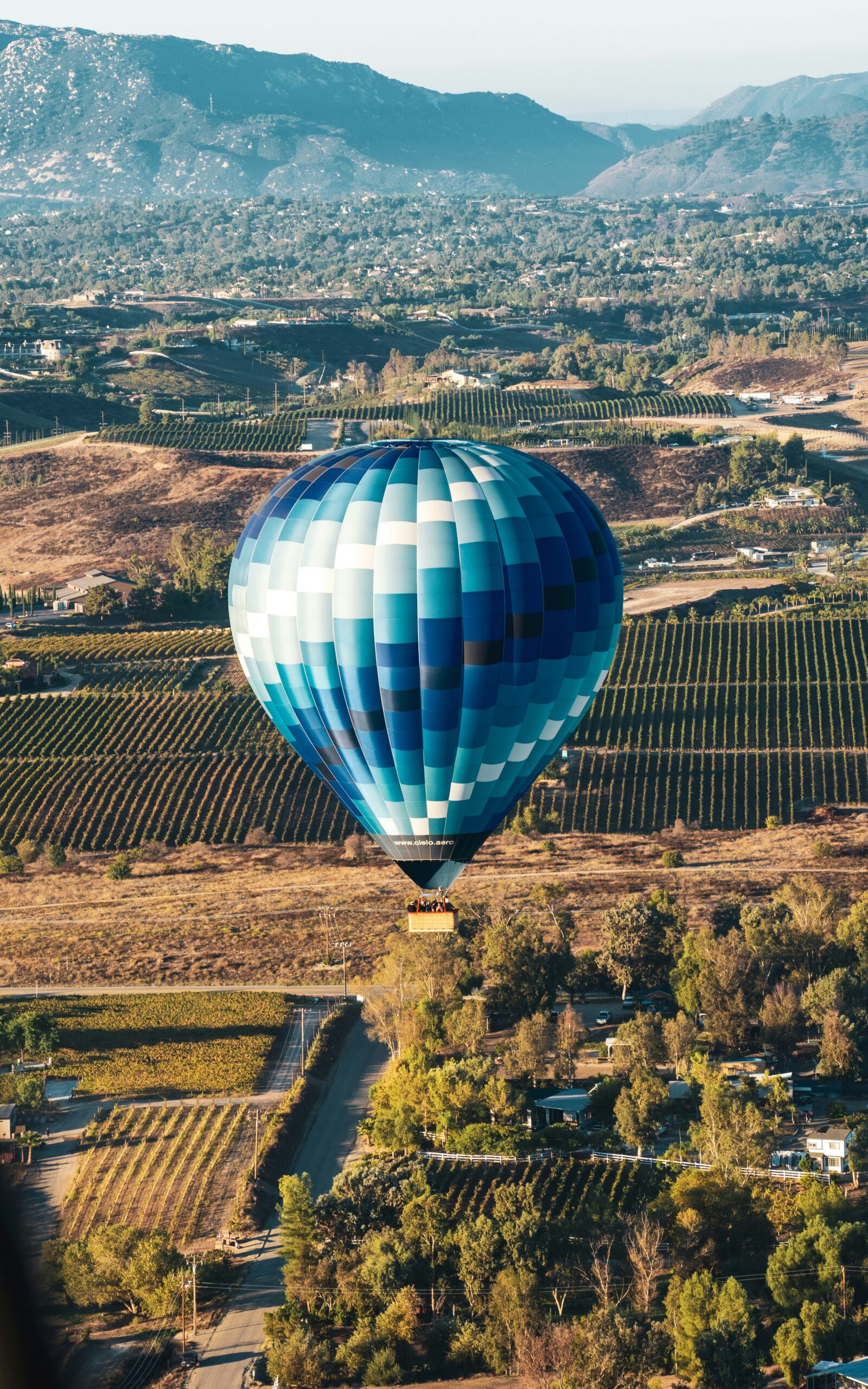
Temecula Valley gives Southern California wine lovers a harvest-season destination without the drive to Napa or the Central Coast. Nearly 50 wineries operate here, and September brings the region's own California Wine Month programming alongside active harvest work.
What Makes Temecula Valley Ideal for a Weekend Getaway?
Temecula sits roughly an hour from San Diego and about 90 minutes from Los Angeles, making it an easy weekend add-on for Southern California travelers. Nearly 50 wineries offer tastings and tours during September. The Great Taste of Europa Wine & Food Festival at Europa Village Wineries & Resort pours European-inspired wines from France, Italy, Spain, and Portugal alongside live entertainment, per the same source. Readers wanting a shortlist of stops can check this guide to Temecula Valley's best wineries.
Harvest Experiences and Blending Sessions at Local Wineries
Grape stomps run at select wineries throughout Temecula Valley during September, giving visitors a hands-on feel for winemaking tradition. The Temecula Barrel Art Trail adds a self-guided route past hand-painted wine barrels scattered across wineries and local businesses. Popular events and accommodations fill quickly during harvest season, so booking ahead matters more here than in quieter months, per the same source.
What to Expect During September Harvest
September harvest means grapes coming off the vine on a rolling schedule, not all at once, and it means crush pads, fermentation tanks, and sorting tables running at full speed across the state. What you see depends on when you show up and which grape a winery is picking that week.
From Early Sparkling-Wine Picks to Late Cabernet Sauvignon
Sparkling wine grapes and other early varietals often get picked in August, while Napa's signature Cabernet Sauvignon frequently isn't harvested until late September into October. Cooler AVAs like Russian River Valley pick Pinot Noir and Chardonnay early, while warmer inland spots bring in Zinfandel and Cabernet later, per the same source. Many wineries pick at night or before dawn to keep grapes cool and limit oxidation before they even reach the crush pad.
Can Visitors Join Grape Stomps and Crush Activities?
Grape stomps are widely available in September, from Sonoma's competitive stomp at the Valley of the Moon Vintage Festival to Temecula's winery-hosted stomps. Real crush work, the actual picking and pressing, often wraps up weeks before the festival celebrations begin, so a quiet weekday visit can show more genuine harvest activity than a festival weekend. Smaller, family-run wineries tend to allow closer access to crush pads and sorting tables than big-name estates, and it rarely hurts to simply ask if a look behind the scenes is possible.
How to Choose Meaningful Tours, Tastings, and Winemaker Dinners
Production-focused tours, like cave visits paired with barrel tastings or vineyard-and-cellar walks, tend to give a closer look at actual winemaking than a standard tasting-room flight. Winemaker dinners, such as Kenwood Vineyards' Paella Harvest Celebration on September 13, put you across the table from the person who made the wine. Dress for mess if a stomp or crush pad visit is on the itinerary, and expect sticky, staining juice.
How to Plan a September Wine Country Weekend
A two- or three-day trip works best when it's built around one or two regions rather than a sprint across the whole state. September's overlap of harvest and Wine Month events makes early booking the single most useful habit for any visitor.
Which Regions Are Best for a Two- or Three-Day Trip?
Napa Valley and Sonoma County pair naturally into one long weekend, since they sit less than an hour apart and cover very different paces. Paso Robles and San Luis Obispo County work well together along the SLO Sustainable Wine Trail's roughly 70-mile stretch of Highway 101. Santa Barbara and Santa Ynez Valley combine into a similar two-region loop, and Temecula Valley stands well on its own for a Southern California weekend.
How Far Ahead Should You Book September Tastings?
Popular events and accommodations fill quickly during harvest season, especially around named festival dates. Booking a month or more ahead gives the best shot at securing reservation-only tastings and harvest dinners. Lodi and Livermore Valley remain more forgiving for last-minute plans, since most tasting rooms there welcome walk-ins.
2026 California Wine Month Events Worth Checking Before You Go
Several dated events anchor September across the state, including Alexander Valley Wine Week (September 21 to 27), the Lodi Grape Festival (September 17 to 20), and the Valley of the Moon Vintage Festival on Sonoma Plaza (September 24 to 27). Conejo Valley and Temecula Valley run Wine Month experiences all month long, per the same source. Dates and prices can shift year to year, so confirm details directly with each winery or event organizer before building a trip around them.
How to Taste Responsibly and Get Around Safely
Spacing out tastings, eating between stops, and sharing a driver, car service, or guided tour keeps a wine country day both enjoyable and safe. Many regions, including Santa Ynez Valley and Napa Valley, offer guided van, bike, or Jeep tours that handle the driving so nobody in the group has to skip pours. Building in one non-wine stop, whether a redwood hike in Mendocino or a coastal walk near Carmel, also helps pace a long tasting day without feeling rushed.


