
Tide Pooling Secrets in California: Best Low Tide Days & Top Spots
California's coastline hides some of the most fascinating tide pools on the planet. If you’re lucky, you’ll spot sea stars, anemones, crabs, and maybe even an octopus or two. April 2026 is shaping up to be a great month for tide pooling, especially in the early mornings when negative tides reveal all sorts of marine life along the beaches from La Jolla to the Pacific Coast Highway.
The best low tide days in April 2026 fall around the new moon, April 17-20, when minus tides uncover areas usually hidden underwater and crawling with creatures. If you time your visit for these low tide windows, you’ll have a much better shot at spotting elusive animals like octopuses, especially at beaches with lots of rocky nooks and crannies.
From Laguna Beach and Crystal Cove in Orange County up to the protected waters near Ventura and Santa Barbara, each tide pool spot has something unique to offer. I’ll walk you through my favorite locations, how to read the tide schedules, and a few tricks I’ve picked up for getting the most out of California’s April tide pooling—without harming these fragile habitats.
Tide Pooling Secrets in California: Best Low Tide Days & Top Spots
Best Low Tide Days and California Low Tide Schedule for April 2026
April 2026 will bring some fantastic minus tide mornings along California’s coast. I’ve picked out the dates when rocky shorelines open up for the best exploring.
How to Read Tide Tables and Schedules
Tide tables show you the highs and lows for each day, with tide heights in feet. A minus tide means the water drops below the usual low mark—look for negative numbers like -0.29 ft or -0.33 ft.
I zero in on three things: the time of low tide, the height, and whether it’s a minus tide. The lower (and more negative) the number, the more tide pools you’ll see. For California tide times, every spot lists several tides per day—usually two highs and two lows.
Daylight minus tides are the jackpot. I always check that low tide lands between sunrise and early afternoon so I have enough time to wander before the water creeps back in.
April 2026 Minus Tides: Days and Times
According to the Laguna Beach monthly tide chart for April 2026, the best minus tides show up April 17-20. On April 17th, you get -0.79 ft at 3:49 AM. April 18th hits -1.10 ft at 4:35 AM, and April 19th is even better at -1.17 ft at 5:25AM.
These early morning minus tides expose the most shoreline.
| Date | Low Tide Time | Tide Height |
|---|---|---|
| April 17 | 3:49 AM | -0.79 ft |
| April 18 | 4:35 AM | -1.10ft |
| April 19 | 5:25 AM | -1.17 ft |
Essential Tips for Planning Tide Pool Visits
I try to get there at least 30 minutes before low tide. That way, I get a solid two-hour window before the water starts to rise. I check tide tables the night before and note the exact time for my chosen spot.
I always check weather and surf forecasts. If there’s a storm or high surf warning, I skip it—sneaker waves aren’t worth the risk. Boots with decent grip are a must; wet rocks are basically nature’s ice rink.
For those pre-dawn minus tides, I bring a headlamp. My usual gear: a bucket for a closer look (and I always put critters back where I found them), a camera, and reef-safe sunscreen. I’m careful to replace any rocks I move and stick to the “look, don’t touch” rule with most marine life.
Regional Variations in Tides Along the California Coast
California’s coastline stretches so far that tides can vary by 15-30 minutes between spots just 50 miles apart. Northern California generally gets bigger tidal swings than the south, but minus tides happen around the same time up and down the state.
Ventura County and Santa Barbara hit low tide about 10-15 minutes before Laguna Beach and Crystal Cove. La Jolla lags 5-10 minutes behind Orange County. Palos Verdes falls somewhere in between.
I always double-check tide predictions for the exact beach I’m headed to. Local geography—headlands, bays, the shape of the seafloor—can change things. Some spots drain faster, so even with the same tide chart, the pools might appear at different times.
Top Tide Pooling Locations and Where to See Octopus in California
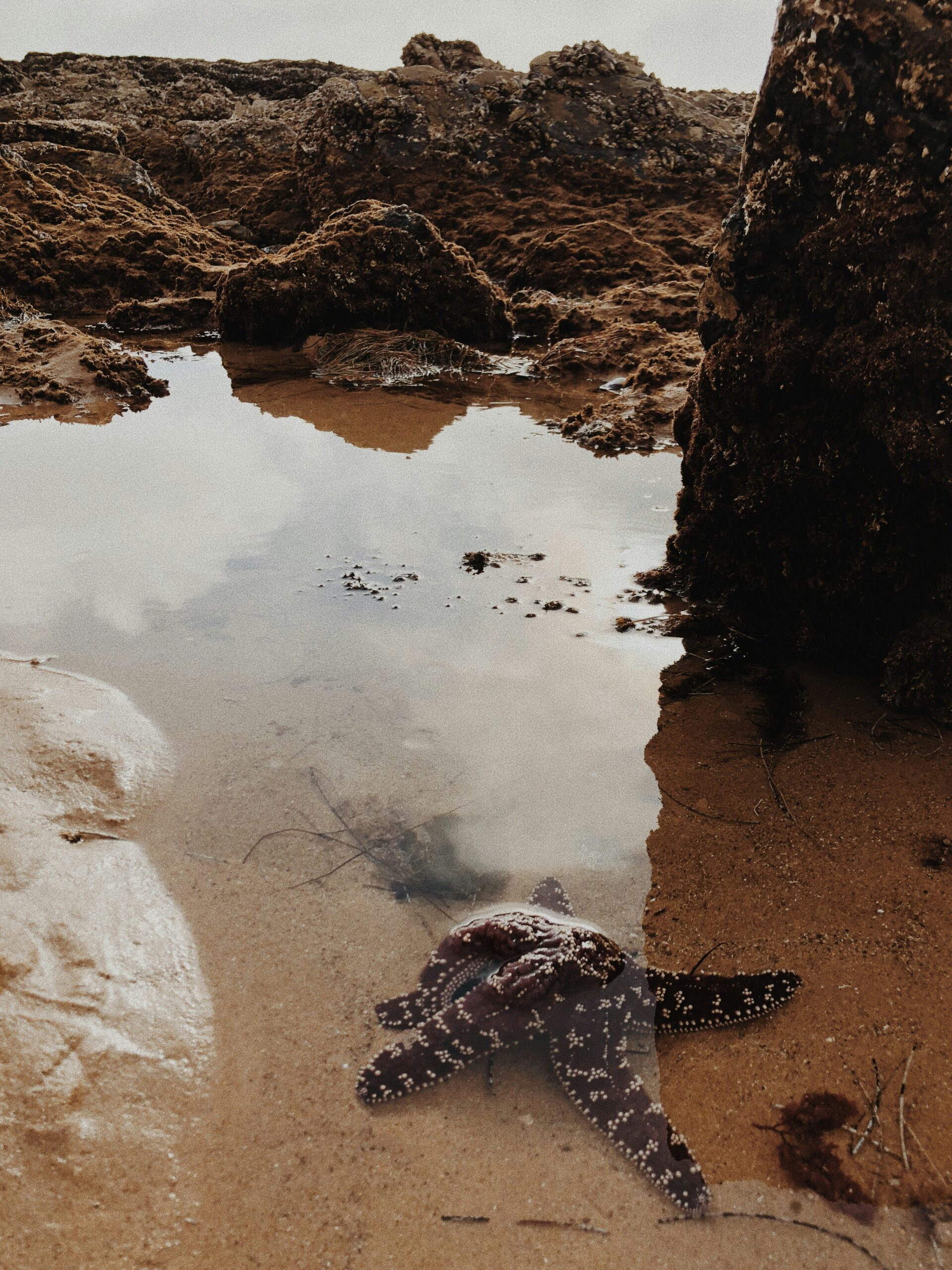
California’s coast is a goldmine for tide pool life, from hermit crabs and green anemones to the occasional octopus. Here are the places where I’ve had the best luck during low tides.
Best Tide Pools Near Ventura County
Ventura County’s tide pools are easy to reach and packed with sea stars and all sorts of critters. I like Emma Wood State Beach for its rocky reefs and calm waters—great for families, honestly.
Faria Beach is another solid pick, with coves that shelter clusters of hermit crabs, anemones, and more. During spring low tides, the rocks stretch out hundreds of feet from shore.
McGrath State Beach feels different, with big boulders and a surprising amount of diversity once the tide drops.
Tide Pools Near Santa Barbara
The Santa Barbara area has some of the best tide pools in the state. Carpinteria State Beach tops my list—the reef goes on for almost a mile and is loaded with sea stars, anemones, and sometimes octopus deep in the crevices.
Arroyo Burro Beach is easy to access, with parking right by the tide pools. The north end is especially good, where sandstone shapes create safe little habitats. The giant green anemones here look almost neon in the sunlight.
Refugio State Beach is quieter. The rocky outcrops here are home to all sorts of creatures, and I’ve spotted octopus hiding under ledges on really low tides.
Octopus Hotspots: Where and When to See Them
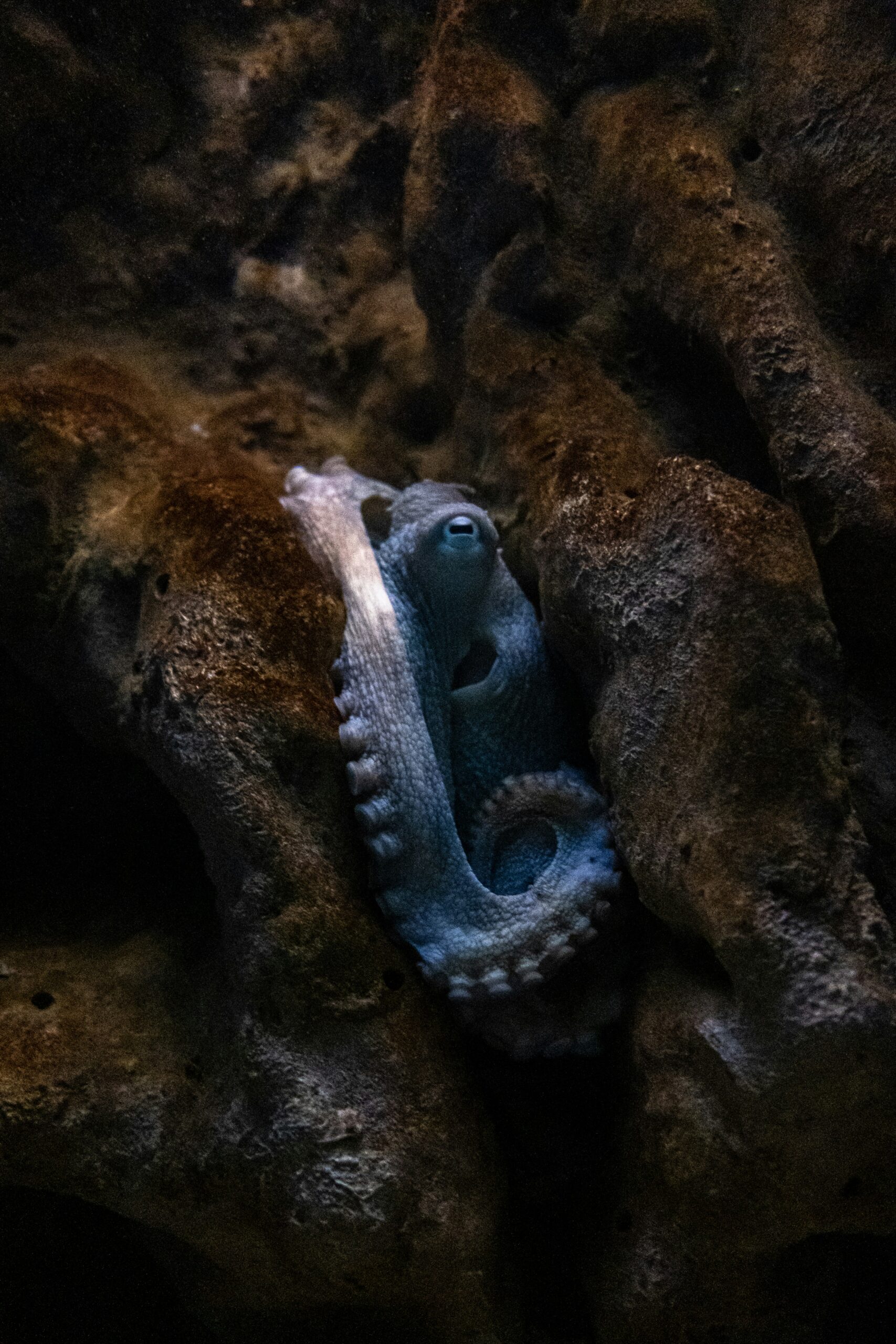
Finding octopus takes patience and a little luck. I search in deep cracks, under ledges, and among rocks during the lowest tides. They usually stay hidden during the day, so early morning or late afternoon gives you the best odds.
La Jolla’s tide pools at Hospitals Reef and La Jolla Cove are top spots for octopus. The two-spotted octopus likes to hang out in pools with rocky overhangs.
I’ve also had luck at Crystal Cove State Park near Treasure Cove. If you see disturbed rocks or scattered shells, there’s probably an octopus nearby.
Palos Verdes Tide Pools for Octopus Encounters
Palos Verdes is one of Southern California’s best bets for seeing octopus in the wild. Abalone Cove Shoreline Park is my favorite—the marine reserve keeps the ecosystem healthy, and the deeper pools are prime octopus territory during minus tides.
White Point and Point Fermin are also solid, with plenty of rocky hideouts. Octopuses love spots with lots of escape routes, and the volcanic rocks here create perfect conditions.
Best practices for octopus observation:
- Go during minus tides below -0.5 feet
- Check pools deeper than 12 inches
- Peek under ledges and into crevices
- Don’t mess with their dens
- Never take them out of the water
Most of my best octopus sightings in Palos Verdes have happened during April’s lowest tides, usually just after sunrise.
Exploring Southern California: Laguna Beach, Crystal Cove, and La Jolla
Southern California has some of the most accessible and vibrant tide pools around. April’s longer days and better low tide windows make places like Laguna Beach, Crystal Cove State Park, and La Jolla even more appealing.
Laguna Beach Tide Pools and Low Tide Tips
Laguna Beach is packed with easy-to-reach tide pools along its rugged coastline. The rocks here trap seawater and create little worlds full of marine life.
Check tide charts before you go and aim for negative low tides. April afternoons often line up perfectly for exploring. The best action happens when tides drop to -0.5 feet or lower.
What to bring:
- Non-slip water shoes with solid grip
- Sun protection—hat, sunscreen, sunglasses
- Camera if you want to snap photos
- Tide chart app or a printout
The rocks can be tricky. I always keep an eye on the ocean and never turn my back—rogue waves surprise people all the time. Move slow and test each step; wet rocks are no joke.
Crystal Cove Tide Pools Best Visiting Times
Crystal Cove State Park has four main tide pool areas: Reef Point, Rocky Bight, Pelican Point, and Treasure Cove. It sits between Corona del Mar and Laguna Beach right on the Pacific Coast Highway.
In April 2026, low tides will shift from late afternoon to early evening. I always check the dates for subzero tides for the best viewing. The park’s protected status keeps marine life thriving, which makes it a standout for tide pooling in SoCal.
I try to arrive 30-60 minutes before the lowest tide so I can watch the pools open up as the water drops. Crystal Cove’s pools are loaded with life—sea stars, crabs, little fish. The deeper pools hold the most surprises between tides.
La Jolla Tide Pools in April: What to Expect
La Jolla tide pools in April face transitional conditions as the prime winter season ends. Early April still brings some decent low tides, but those start shifting later toward the evenings as the month goes on.
I usually stick to three favorite spots: Shell Beach, Dike Rock, and South Casa Beach. Dike Rock, north of Scripps Pier, mixes sandy stretches with big rock formations. Juvenile fish and various shrimp species seem to love it there.
Shell Beach is easy to reach—just take the cement stairs right off Coast Boulevard. At low tide, I often spot hermit crabs, limpets, and sea anemones. South Casa Beach, tucked behind the Children’s Pool sea wall, is another family-friendly option with a nice blend of sand and rocks.
If you’re visiting in April, you’ll need to stay flexible with timing. Early in the month, tide pool life is still pretty active, but as the tides shift to nighttime lows, you’ll notice fewer critters out and about.
Unique Finds: Starfish, Sea Hares, and Sea Anemones
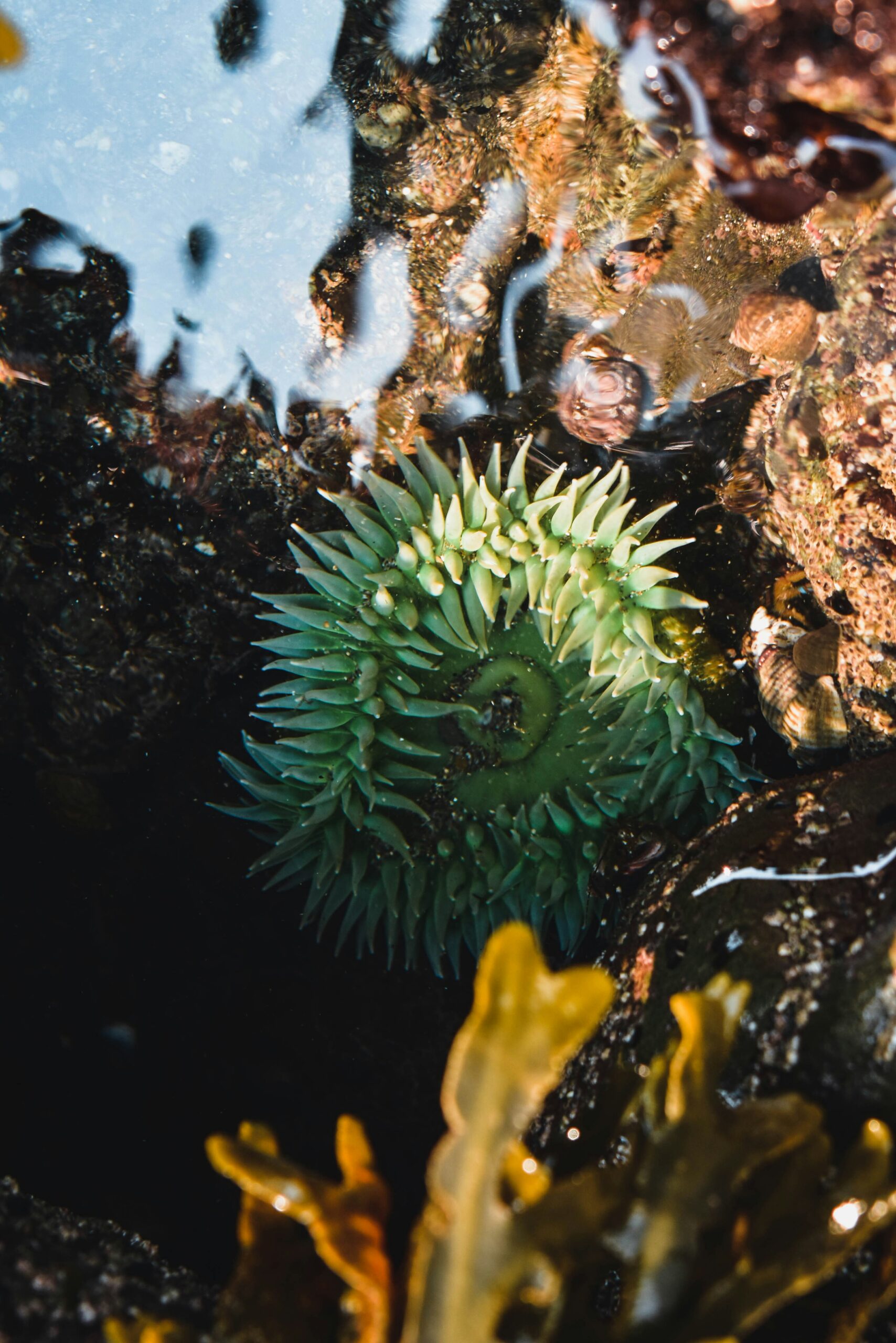
The intertidal zones at these Southern California spots always surprise me with their marine life. Giant green anemones cling to rocks in the pools, their neon tentacles waving in the water. Once the tide drops and they’re left in the air, they close up tight.
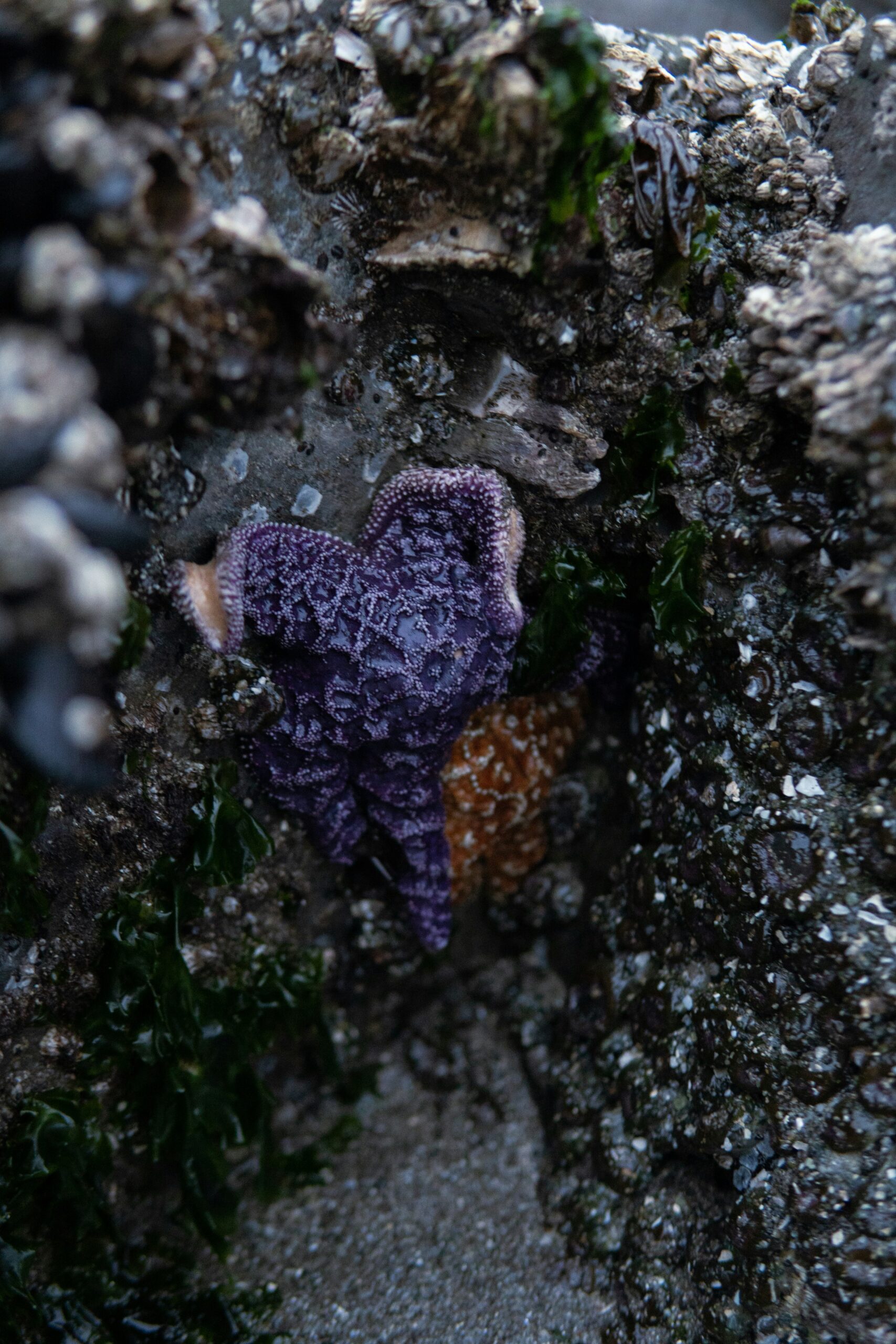
I run into bat stars all the time—sometimes purple, sometimes orange. They stick to rocks and munch on algae or whatever small animals they can find. Sea hares, those big sea slugs, are common at Dike Rock, and their jelly-like egg masses are hard to miss.
There’s always a mix of snails in the pools:
- Turban snails munch on algae
- Limpets suction themselves to rocks
- Periwinkles gather higher up
Beyond the giant green kind, sea anemones come in all shapes and sizes. I keep an eye out for those smaller aggregating ones—sometimes they cluster together in bright colonies. I never touch anything, though. It’s tempting, but handling these animals messes with their protective mucus and can really stress them out.
Northern and Central California Gems: Must-See Tide Pools
The northern and central California coastlines have some of the best tide pooling in the state. Fitzgerald Marine Reserve is famous for its incredible biodiversity, and Duxbury Reef boasts one of the biggest exposed intertidal areas anywhere on the Pacific.
Fitzgerald Marine Reserve and Moss Beach Wonders
I’d call Fitzgerald Marine Reserve one of California’s best tide pooling spots. The reserve protects about three miles of shoreline, with rocky zones packed with marine life.
At low tide, I wander through shallow pools full of sea urchins, colorful sea anemones, and different sea stars. The rocks here make a perfect home for mussels and barnacles, which cluster together in thick mats.
You can get here easily from San Francisco or San Jose, so it’s perfect for a day trip. I always try to arrive during minus tides—you’ll get farther out on the reef, where the biggest creatures hang out. If you run into volunteer naturalists, they’re usually happy to help ID what you find or chat about the local ecology.
Duxbury Reef and Agate County Park Highlights
Duxbury Reef at Agate County Park near Bolinas is actually the largest shale intertidal reef in North America. When the tide is extra low, huge stretches of reef appear, and the place almost feels like another planet.
The reef stretches almost a mile out from shore at the lowest tides. I think the diversity here matches just about anywhere in California—so many microhabitats, each with their own little communities. Mussels dominate the rocky areas, creating beds that support a ton of other invertebrates.
I always check tide tables before heading to Duxbury Reef. The tide comes in fast, and it’s easy to get caught off guard. I make sure to give myself plenty of time to get back before the water rises.
Pacifica Tide Pools and Monterey Peninsula
Pacifica’s coastline has a handful of good tide pooling spots. I like the pools near Rockaway Beach, especially during morning low tides when you can actually see what’s there.
The Monterey Peninsula is another highlight for its amazing marine biodiversity. Asilomar State Beach has a bunch of little coves and a scenic trail connecting them, so you can check out several tide pools in one go. The rocky intertidalareas here support loads of chitons, limpets, and hermit crabs.
Point Lobos State Natural Reserve, just south of Carmel, is home to some pristine tide pools at Weston Beach and other tucked-away coves. I’ve noticed the reserve status really makes a difference—you see bigger animals and more species than at more crowded spots.
Other Notable Sites: Point Loma, Asilomar, and Beyond
Point Loma tide pools at Cabrillo National Monument are technically in Southern California, but they’re worth mentioning. They’re easy to reach and you might even spot fossils in the sandstone cliffs. Sea stars, crabs, and sometimes octopuses hide out in the crevices here.
Natural Bridges State Beach in Santa Cruz is another favorite of mine—it’s got that iconic natural arch and productive tide pools along the west side. The combo of cool rock formations and marine life makes it a photographer’s dream.
Hazard Reef at Montana de Oro State Park, near Los Osos, feels more remote. The hike down Hazard Canyon isn’t long, but the pools get fewer visitors, so you’re more likely to catch wildlife just doing their thing.
Essential Tide Pooling Guide: Safety, Conservation, and Marine Life
If you want to get the most out of tide pooling, you’ve got to know how to stay safe on slippery rocks and how to treat marine life with care. These creatures are tough, but a careless step can do real harm.
Tide Pool Safety and Respectful Exploration
I always wear rubber boots with deep treads. Wet rocks with algae are like ice, and regular sneakers just don’t cut it. I’ve watched people in flip-flops slip and nearly fall on barnacle-covered boulders—definitely not ideal.
Watch where you step—I try to plant my feet only on bare rock, never on living things. Crushing mussels, barnacles, or anemones kills them instantly. I scan before each step and sometimes use a walking stick for extra balance.
It’s important to stay alert for waves and the incoming tide. Rogue waves can sweep in out of nowhere, and rising water can trap you. I set a phone alarm for 30 minutes before the tide turns and always keep an eye on the ocean. You really shouldn’t turn your back on the water for long.
Common Tide Pool Creatures of California
California’s tide pools are full of fascinating life. Sea stars come in purple, orange, ochre—you name it—and they grip rocks with hundreds of tiny tube feet. I usually see them in the mid and low tide zones.
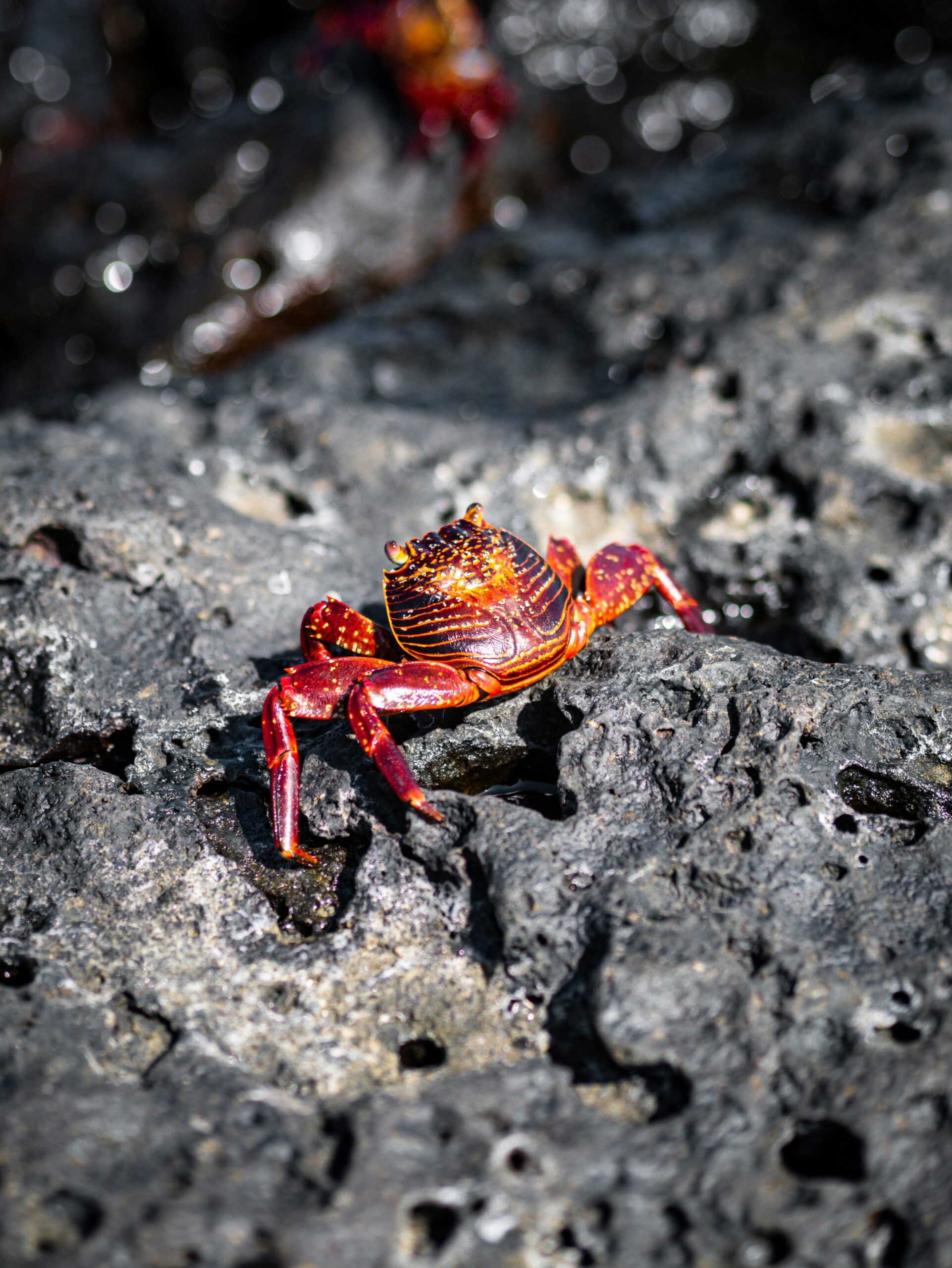
Hermit crabs scuttle around looking for new shells as they grow. Shore crabs hide under rocks and dart sideways, always quick to disappear.
Anemones look like underwater flowers but they’re actually predators with stinging tentacles. Green anemones can get huge—some as big as dinner plates. Limpets are those little cone-shaped shells stuck to rocks, slowly scraping up algae.
Gooseneck barnacles cling to wave-battered rocks, with leathery stalks and white shells. Sea urchins bristle with purple, red, or green spines. Every now and then, if I’m lucky, I’ll spot an octopus blending in perfectly with the rocks in a deeper pool.
Conservation Tips and Responsible Practices
Don’t take anything from tide pools—not even empty shells. Hermit crabs need those for homes. I stick to the “look but don’t touch” idea because handling animals stresses them out and can scrape off the protective mucus that sea stars and others rely on.
If you move a rock to peek underneath, put it right back where you found it. Lots of creatures glue themselves to certain rock surfaces, and flipping rocks can kill them. I usually just snap photos of animals where they are instead of picking them up for a better look.
Try not to touch marine life—especially anemones, which have stinging cells that can hurt you and the animal. Only visit tide pools during low tide and leave before the water comes back in. Always pack out your trash, and skip the sunscreen before tide pooling—those chemicals end up in the water and can hurt the creatures living there.


