Skip the Crowds: 12 Underrated California Day Trips
August in California? You’ll find packed parking lots at Yosemite, long lines at Disneyland, and beaches in Malibu so crowded you can barely see the sand. I’ve learned the hard way that the state’s quieter alternatives usually deliver a better experience, and with way fewer people around.
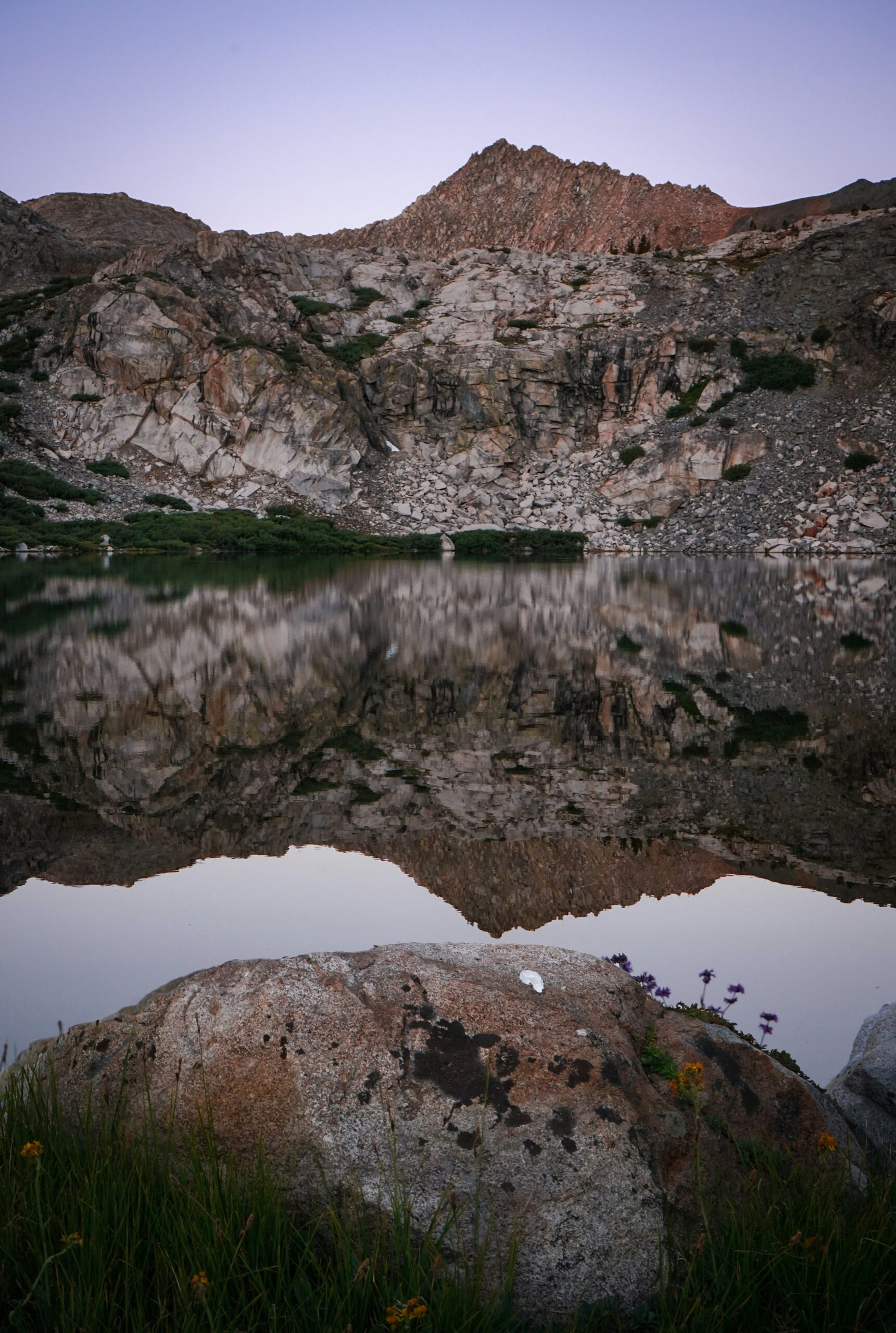
Swapping Yosemite for the Eastern Sierra, Big Sur for Cambria, or Lake Tahoe for a smaller alpine lake—honestly, you get similar scenery without the gridlock and reservation headaches. Here’s my list of underrated California day trips and weekend escapes that have actually worked for me when I just want to dodge the tourist madness.
This guide jumps from coastal towns in Ventura County to high-elevation spots near Joshua Tree that stay cool, and even some Orange County beaches where you don’t need a theme park ticket. Each of these hidden gems in California makes a solid road trip, whether you’re after a quick day out or a whole weekend away.
Skip the Crowds: 12 Underrated California Day Trips
How to Choose a Quieter California Escape
I usually pick based on three things: the season, how far I feel like driving, and what I actually want to do when I get there. After that, I check logistics and think a bit about my impact on the place.
Match Your Trip to Season, Drive Time, and Activity
First up, I check what the destination offers that month—California’s climate zones can shift wildly by latitude and elevation. A Northern California coastal town near San Francisco stays cool and foggy in August, while a desert spot near San Diego can feel like an oven.
I try to match my plans to the region:
- Whale watching: Central California harbor towns, December through April
- Kayaking: Sheltered bays beat open Pacific swells every time
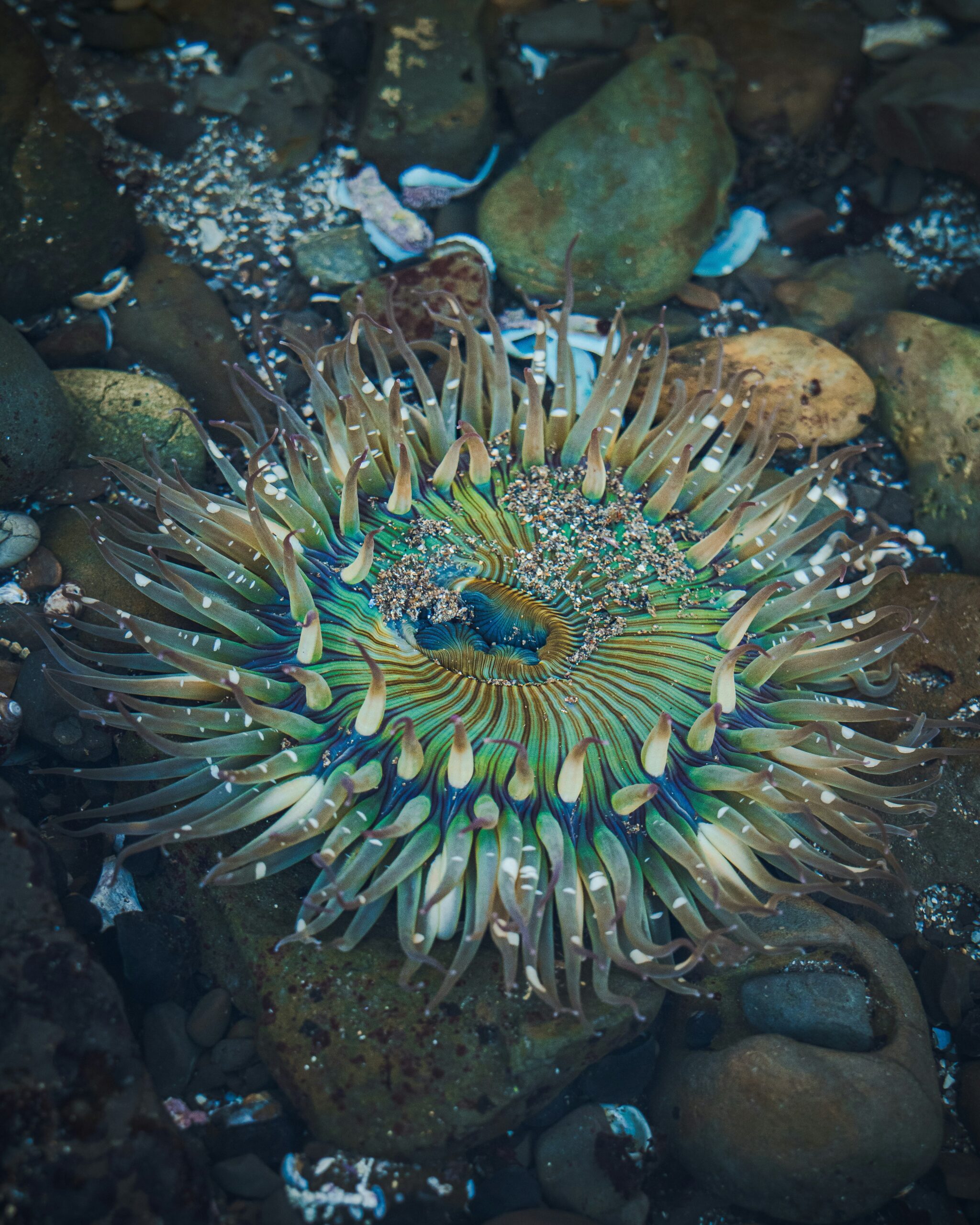
- Tide pools: Only at low tide, along Highway 1 or the Pacific Coast Highway
- Mountain hiking: I wait for the Sierra trailheads to clear of snow, usually June or later
Drive time matters—three hours is doable for me, but six? That’s a whole different energy.
Plan Around Reservations, Tides, Heat, and Road Conditions
Before I go, I check if I need a reservation—alpine lakes and coastal parks often cap daily visitors now. Permits can disappear weeks ahead in summer.
Tides are a big deal for anything on the coast. I only hit tide pools at low tide, and I skip kayaking if the swells are up or there’s a wind advisory.
Heat changes everything. If I’m eyeing a high-elevation escape instead of the desert, I always check temps first—mountain weather can swing 30 degrees cooler than the valleys.
Highway 1 and the Pacific Coast Highway sometimes close after storms or landslides. I just check Caltrans before I commit to a Central or Northern California coastal drive. No one wants to get halfway and hit a hard stop.
Travel Responsibly in Fragile Coastal, Desert, and Historic Sites
I stick to marked trails near tide pools—stepping on rocks crushes marine life that takes forever to recover. I don’t touch or take anything from a tide pool, even if that little crab looks tempting.
In the desert, I keep to established paths. The soil crust and plant roots out there can take decades to bounce back if you trample them.
At historic sites, I actually follow the rules—no touching, no sneaky artifact “souvenirs.” Many places have no staff, so it’s on us to not mess it up for everyone else.
I always pack out my trash, food scraps included. Wildlife in these areas can get hooked on human food if we leave anything behind, and that never ends well.
Northern California and Eastern Sierra Alternatives
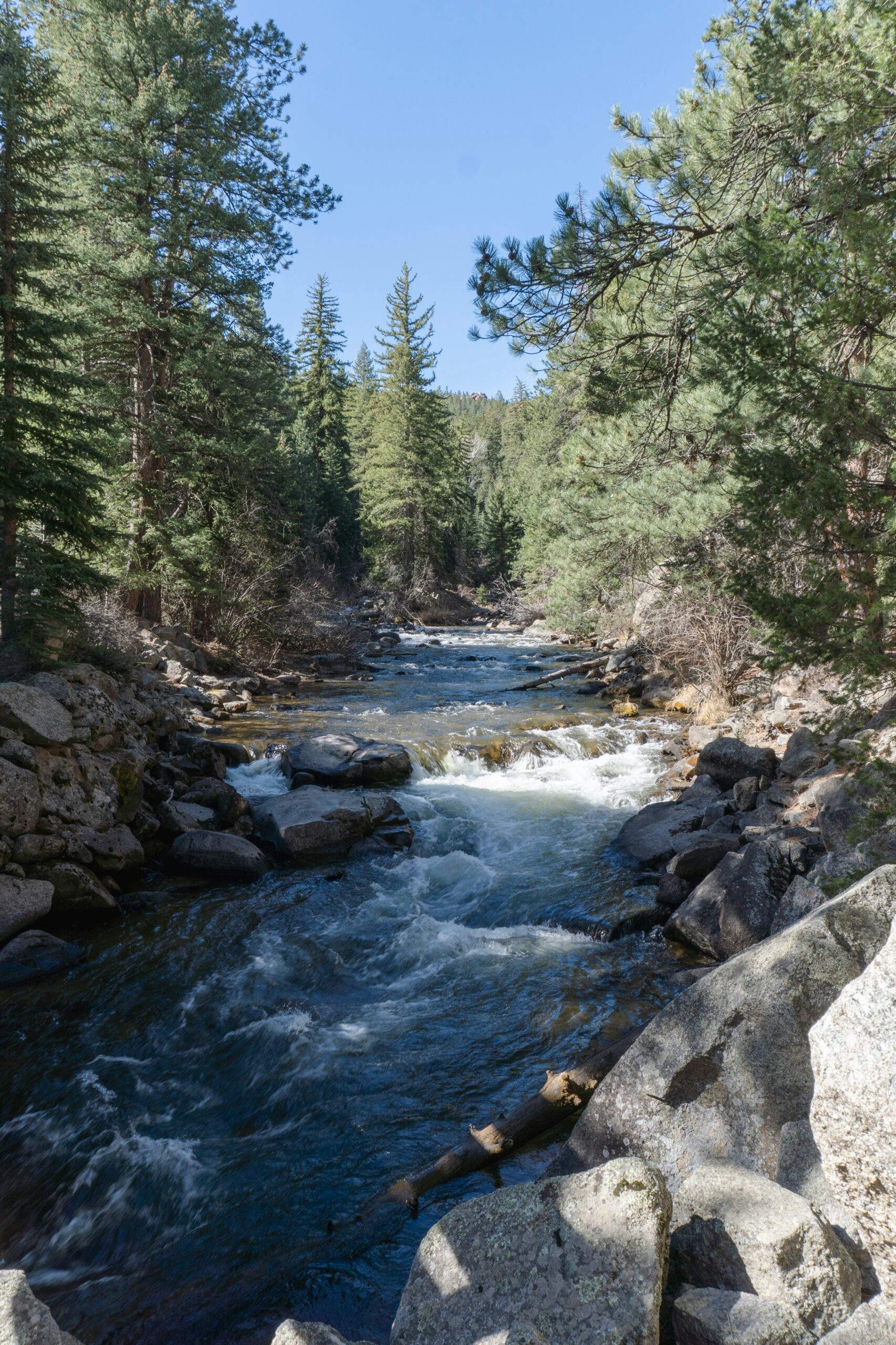
Northern California really rewards you if you skip the big-name stops. From alpine basins near Mammoth to volcanic vents by Shasta and quiet gold rush towns tucked in the Sierra foothills, there’s just more to explore—and less elbowing for space.
Eastern Sierra Instead of Yosemite
If you want Yosemite’s granite drama but not the permit circus, I’d point you to the Eastern Sierra. Mammoth Lakes opens up alpine basins, volcanic craters, and hiking trails that honestly rival the national park’s High Sierra vibe.
Bodie State Historic Park is worth a detour—a preserved gold mining ghost town where it feels like the last residents just stepped out for lunch and never came back.
The June Lake Loop, right off Highway 395, links up four lakes and several trailheads into the Ansel Adams Wilderness. Silver Lake stays the quietest in my experience—perfect if you just want to paddle in peace.
Alpine Lakes in the Sierra Instead of Lake Tahoe
Lake Tahoe is gorgeous, of course, but the Sierra Nevada hides smaller alpine lakes with a fraction of the traffic. June Lake, Gull Lake, and Grant Lake all sit in the same loop, each with its own flavor.
Grant Lake lets speedboats rip after 10 a.m., while June and Gull are better for fishing or a lazy paddle. When Tahoe’s overrun or parking is hopeless, these lakes are my go-to backup plan.
The nearby Sierra foothills have smaller reservoirs and creek-fed pools that barely make any guidebooks.
Redwoods, Fern Canyons, and the Mendocino Coast
When I’m craving redwoods and rugged coastline, I head to Mendocino County. Fern Canyon inside Prairie Creek Redwoods State Park has these fern-draped walls that rise up along a narrow creek—a totally unique walk in California.
Mendocino itself gives you cliffside views and a bit of small-town magic, while Fort Bragg has:
- Glass Beach, scattered with sea-worn glass pebbles
- MacKerricher State Park, with tide pools and coastal trails
- The Skunk Train, a historic rail line through redwood groves
I often spot sea lions and sea otters along this stretch, especially near river mouths and harbors.
Volcanic Landscapes and Shasta Water Adventures
Lassen Volcanic National Park gets way less love than it deserves. Bumpass Hell lets you stroll on a boardwalk past bubbling mud pots and steaming vents—no hardcore hiking required, just a sense of curiosity.
Mount Shasta looms over the region near Redding. I like to pair a Shasta trip with time at Lake Shasta for houseboating or swimming, and maybe a tour of the Shasta Caverns (you can only get there by boat, then a guided walk through limestone caves).
The Sacramento River flows through Redding itself—good for a mellow kayak outing or a riverside walk if the lake feels too busy.
Gold Rush Towns for a Historic Detour
Grass Valley and Nevada City anchor my Gold Rush history detours in the Sierra foothills. Both towns have kept their 19th-century architecture—brick storefronts, old mining gear, the works.
Sutter’s Mill, out in Coloma by the American River, marks the spot where gold was first found in 1848. I treat it as a quick history lesson with a scenic drive thrown in.
They’re easy for a day trip or as a pit stop between the Bay Area and the Eastern Sierra.
Central Coast, Wine Country, and Point Reyes Escapes
The stretch between Big Sur and Marin County? Some of the best alternatives to California’s most overrun spots. You get coastal drama, wildlife, and wine country charm—minus the gridlock I’ve come to expect from the big-name places.
Cambria Instead of Big Sur
Cambria is my pick for Big Sur vibes without the chaos. The town sits just south of Hearst Castle, so you can do a historic tour and a quiet beach walk in one day.
Moonstone Beach gives you that rugged coastline, and I’ve found tide pools and rock formations with actual parking. If I’m set on seeing McWay Falls or Pfeiffer Beach, I’ll still drive north, but Cambria makes a great base—and you won’t get gouged on hotel prices.
The elephant seals near San Simeon are a quick side trip from Cambria. I swing by to watch them, and I rarely have to fight for a spot.
Morro Bay, Cayucos, and San Luis Obispo for Coastal Recreation
Morro Bay feels like a real fishing village, centered on Morro Rock, that volcanic plug on the horizon. I rent kayaks by the Embarcadero and paddle near the rock—no advance booking required.
Cayucos, just north, is one of my favorite California hidden gems because even in peak summer, it’s quieter than Cambria or Morro Bay.
San Luis Obispo rounds out the trio with a walkable downtown and the old mission. I like staying there when I want food and shops within easy reach—no driving required.
Point Reyes and Tomales Bay for Wildlife and Dramatic Shorelines
Point Reyes in Marin County serves up cliffs, wildlife, and that moody, foggy light you just don’t get anywhere else in the Bay Area. I hike out to the Point Reyes Lighthouse for winter whale watching—just be ready for steep stairs and check the tides first.
Tomales Bay sits on the park’s east side, and I paddle its calm water when I need a break from the wind and waves. Inverness is a tiny town along the bay where I grab oysters after a day outside.
The Cypress Tree Tunnel near the old RCA buildings is one of my favorite photo stops before heading out of the park.
Solvang and Santa Ynez Valley for Food, History, and Wine
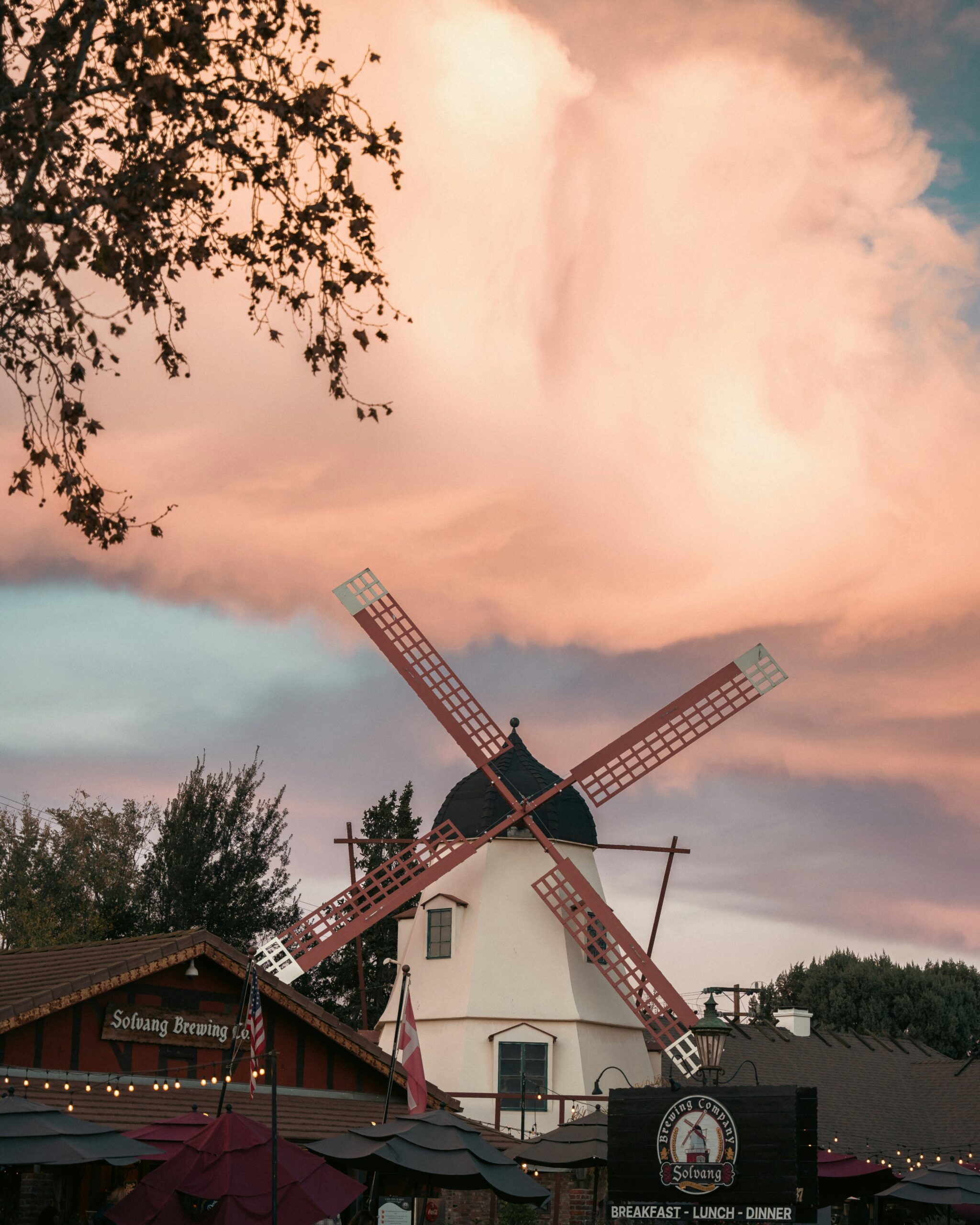
Solvang gives me a genuinely different cultural experience within California's Central Coast. The town's Danish architecture and windmills shout out its Danish immigrant roots from 1911, and honestly, I never skip the aebleskiver at one of the bakeries—it's practically a ritual at this point.
I try to time my visits for Danish Days in September, when the whole place goes all-in on its heritage with parades and folk dancing. It's quirky and a little over the top, but I love it.
Mission Santa Inés sits right at the edge of town, and I use it as a jumping-off point to dig into the history of the Chumash people who lived in the Santa Ynez Valley long before the Danes showed up.
The Santa Ynez area has dozens of boutique wineries scattered around, and I find the tasting rooms here so much more relaxed than anything in Napa. No elbowing through crowds—just good wine and some peace.
Southern California Coast, Desert, and Mountain Detours
I’ve spent years poking around the coastline, deserts, and mountains south of Los Angeles, and honestly, some of the best stuff is tucked away just off the main tourist drag. Quiet fishing towns, dark-sky deserts, weird volcanic leftovers near the Salton Sea—if you’re willing to veer off the obvious route, this region keeps surprising you.
Ventura County's Quieter Coastal Towns Instead of Malibu
Whenever I want coastal scenery without Malibu’s gridlock and crowds, I pick Ventura County. Ventura, Ojai, and Oxnard all have their own thing going on—working harbors, farmland views, and beaches that don’t break the bank like Malibu does.
Ventura’s historic downtown is only a few blocks from the sand, so I can grab coffee and be at the beach in minutes. Ojai, just inland, has this slower pace and a mountain backdrop that Malibu just can’t match.
Ventura Harbor also works great as a launch point for Channel Islands trips, which I’ll get into later. The drive up the 101 from LA takes about as long as battling Malibu traffic, but I always arrive in a much better mood.
Orange County Beach Day Instead of Disneyland
If I’m craving a beach day, I skip Disneyland and head for Orange County’s coastline. Laguna Beach, Newport Beach, and San Clemente all have different vibes, and I’ll rotate between them depending on what I’m after.
Laguna Beach has tide pools and little coves you can actually reach from public parking. Newport Beach stretches out with a long sandy shoreline and a pier that’s perfect for sunset walks. San Clemente feels more chill, with a surf scene that reminds me of SoCal before it got overrun by big tourism.
No theme park tickets, no timed reservations. I just pack my own food, find a public lot, and let the day unfold however it wants to.
Higher-Elevation Mountain Escape Instead of Joshua Tree
When the summer heat turns Joshua Tree National Park into an oven, I bail and head up to the San Bernardino Mountains. Lake Arrowhead sits over 5,000 feet up, and you feel the temperature drop almost as soon as you start climbing.
Lake Arrowhead gives me hiking, boating, and a real break from the dry heat that bakes Joshua Tree most of the year. Pine forests and lake views—it’s a totally different side of Southern California than the desert’s rocks and Joshua trees.
I’ll still visit Joshua Tree when it’s cooler, but in the summer, the San Bernardino Mountains are my go-to. Palm Springs is nearby too, but honestly, I’m more into its retro architecture than the actual heat.
Anza-Borrego and the Salton Sea for Desert Solitude
I head to Anza-Borrego Desert State Park when I want some real desert solitude—none of the crowds that swarm Joshua Tree. The park wraps around Borrego Springs, which became California's first International Dark Sky Community, and I’ll use any excuse for a late-night stargazing trip out there.
Ricardo Breceda’s metal sculptures are scattered all over the desert floor, and they’re weirdly captivating. If you catch wildflower season, the whole place can burst into color for a few weeks—blink and you’ll miss it.
Sometimes I’ll keep driving east to the Salton Sea, California’s biggest lake, but honestly, I go more for the stark, almost post-apocalyptic vibe than for any real recreation. Death Valley is farther north and turns the whole desert solitude thing up to eleven, but I save that for a bigger trip, not just a quick detour.
Channel Islands for Sea Caves, Wildlife, and Island Hiking
I catch a boat from Ventura Harbor out to Channel Islands National Park, and Santa Cruz Island usually calls my name. There are sea caves you can kayak through, plus hiking trails that wind along cliffs above the Pacific. It’s wild out there.
I’ve spotted the tiny island foxes on Santa Cruz—nowhere else on earth has them—and sea lions hang out on the rocky shores near where the boats land. The islands feel so much more remote than any mainland beach, and I almost never run into crowds.
I plan for a full day, since the boat schedule doesn’t really allow for quick visits. I always bring my own water and food, because once you’re off the boat, services are basically nonexistent.
Pioneertown and Pala for Unusual Inland Stops
I swing by Pioneertown when I’m craving a quick, weird detour near Joshua Tree. Back in the 1940s, folks built the town as a movie set, and Mane Street still rocks those old Western false-front buildings.
Pappy and Harriet's sits right on Mane Street—part music venue, part restaurant—and honestly, it’s the main reason I stick around after dark. I’ve caught some wild live shows there, and it’s kind of wild how many musicians trek out here for such a tiny place.
Pala, tucked away in San Diego County, has a totally different vibe. There’s the old mission, and if you’re into it, a casino resort nearby. I usually stop in Pala when I’m threading a desert trip with a San Diego drive—it’s almost smack in the middle, so it just makes sense.


