Things to Do in Fillmore, California: A Small-Town Guide
Fillmore, California sits about 70 miles northwest of downtown Los Angeles, tucked into the Santa Clara River Valley in Ventura County. Most drivers only know it as a blur on Highway 126 between Interstate 5 and the coast. That's a mistake.
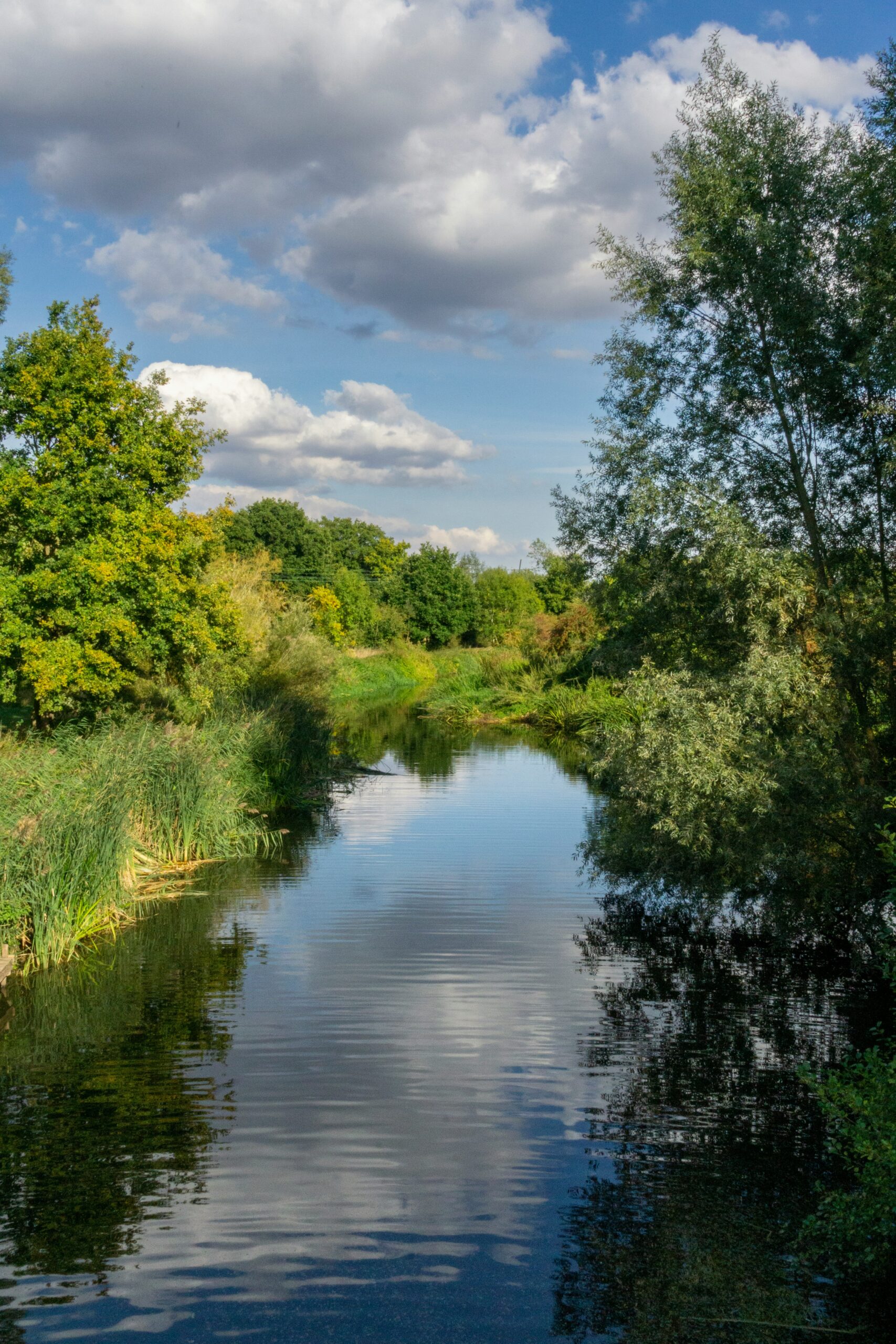
This small town packs a surprising amount into a compact downtown and the farmland around it. There's a working railroad depot, a museum campus with buildings dating back over a century, citrus groves that still perfume the air, and a wilderness edge where condors sometimes soar over the Topatopa Mountains. Fillmore anchors what locals call Heritage Valley, a stretch of Southern California that still runs on agriculture and quiet roads instead of freeways and strip malls.
Fillmore rewards visitors who slow down, offering a walkable historic core, easy access to Sespe Creek and Los Padres National Forest, and a front-row seat to Ventura County's citrus country. I've spent enough time wandering Central Avenue and driving the farm roads around town to know it works well as a half-day stop or a full weekend base for exploring the wider valley.
Things to Do in Fillmore, California: A Small-Town Guide
Start With Fillmore's Railroad and Historic Core
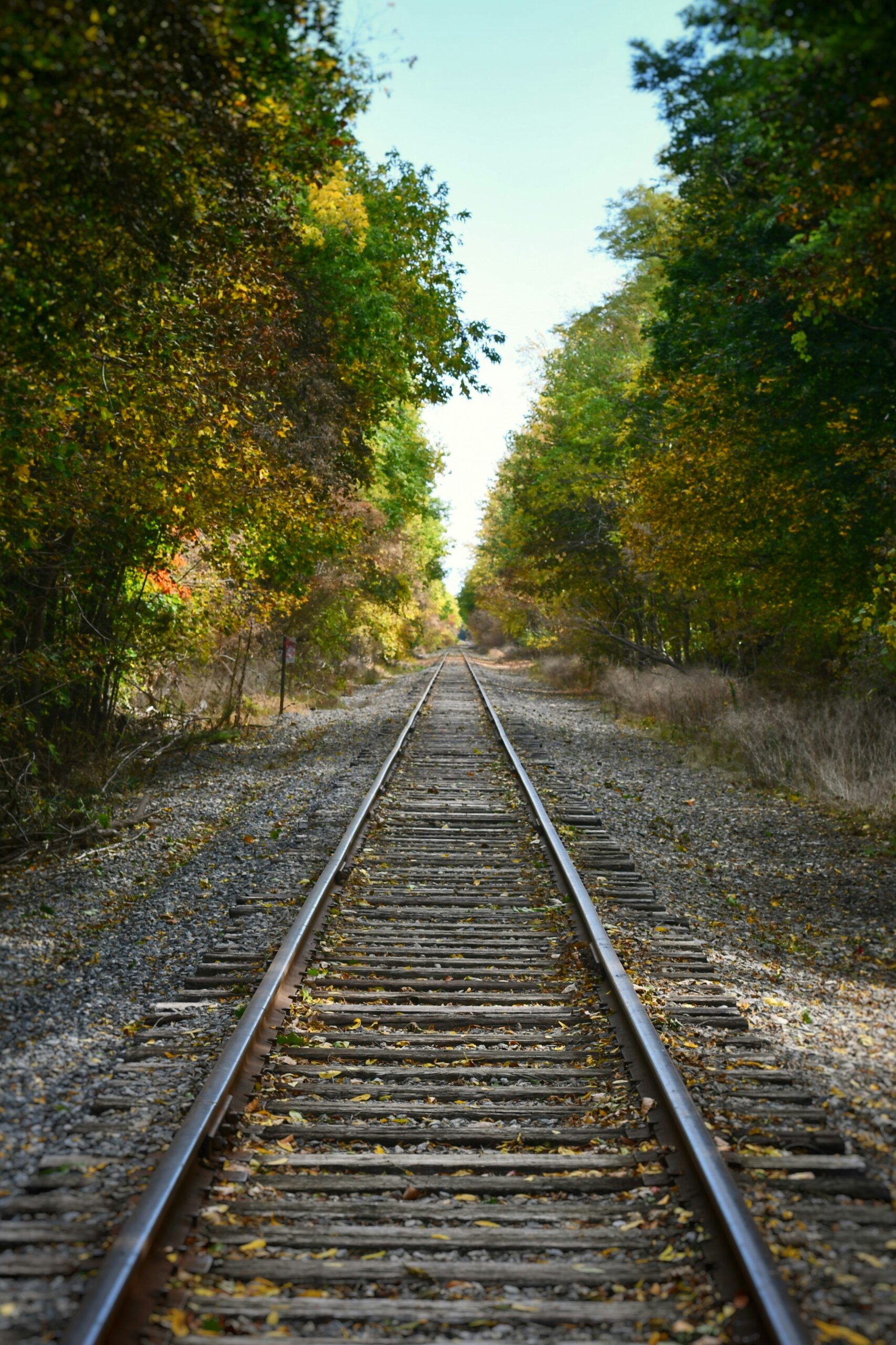
Fillmore's identity traces directly back to the Southern Pacific Railroad, which built the town in 1887 and gave it both its name and its layout. Walking downtown today still feels like stepping into that era, with brick storefronts, a restored depot, and a small museum campus that holds onto the details most towns paved over.
Tour the Fillmore Historical Museum and Hinckley House
The Fillmore Historical Museum is built around the original 1887 Southern Pacific Railroad Depot, making the building itself as much an exhibit as anything inside it. The grounds function more like a historical park than a single museum, and they include the 1919 Rancho Sespe bunkhouse, an early post office moved from the Bardsdale and Piru area, and the Hinckley House, a 1905 Craftsman bungalow designed for Fillmore's first dentist.
Walking the grounds gives a clearer sense of daily life in early Fillmore than any single display case could. Give yourself time to circle all four structures rather than rushing through just the depot.
What to Know About the Fillmore & Western Railway
The Fillmore & Western Railway built its reputation on vintage train cars running through citrus country, and the historic equipment still sits in the heart of downtown along Highway 126. The rail line no longer runs regular tourist excursions for the public, though the vintage cars and depot buildings remain a familiar sight and a popular filming location for productions looking for small-town America.
Anyone hoping to ride the rails should check current status before planning a visit, since access and offerings around the railway have changed in recent years.
Walk Central Avenue and Historic Downtown Fillmore
Central Avenue is where Fillmore's 1920s-era business district still stands, greeting visitors as they turn off rural Highway 126 into what feels like a preserved slice of old California, as described in this overview of the Fillmore & Western Railway's surroundings. The block is compact enough to walk in twenty minutes, but the storefronts, awnings, and signage reward a slower pace.
Locally owned shops and cafes fill in the gaps between historic buildings, giving the street a lived-in feel rather than a staged one.
See the Southern Pacific Railroad Depot and Local Architecture
The Southern Pacific Railroad Depot anchors both the museum grounds and the town's architectural identity, its wood siding and covered platform echoing the same railroad-era style found throughout downtown Fillmore. Look for matching design details on nearby buildings along Central Avenue, since many went up in the same construction boom that followed the railroad's arrival in 1887.
The result is a downtown where the architecture tells a consistent story, block after block.
Update: The Fillmore & Western Railway officially ceased its excursion and tourist train operations on June 30, 2021, with its final scheduled run on June 26, 2021, after the owners retired.
Get Outside in the Sespe and Santa Clara River Valley
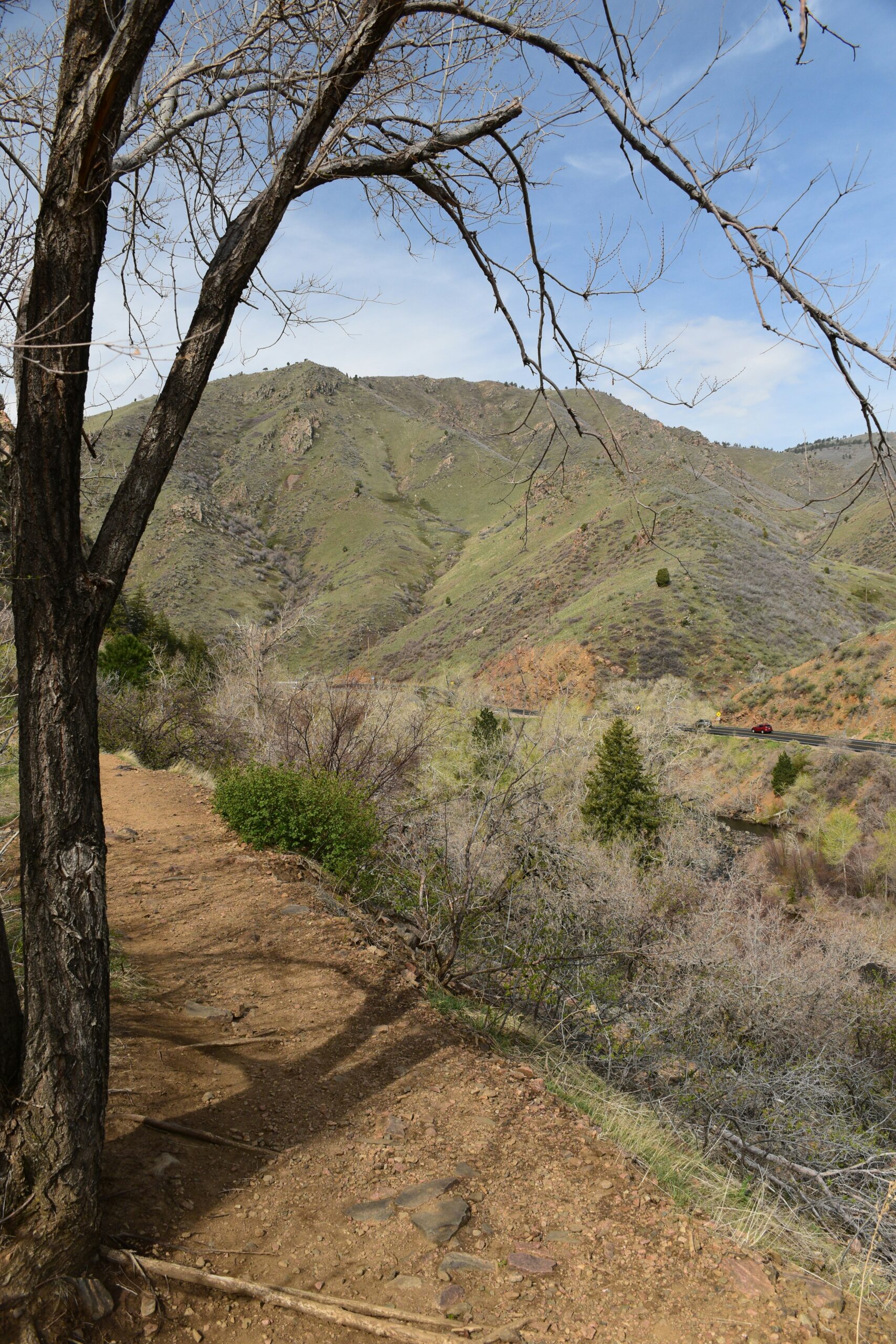
Fillmore sits at the edge of some genuinely wild country, with Sespe Creek and the Topatopa Mountains rising just north of town. The Santa Clara River runs through the valley floor, and Los Padres National Forest starts not far past the last citrus grove, giving day-trippers real outdoor options without a long drive.
Explore Sespe Creek Safely
Sespe Creek stretches roughly 61 miles through Ventura County, starting at Potrero Seco in the Sierra Madre Mountains and picking up more than thirty tributary streams before emptying into the Santa Clara River right in Fillmore, according to Los Padres National Forest trail information. The creek runs free without a single dam along much of its length, which keeps its canyon wild and its water quality high.
Conditions along Sespe Creek shift with the season, running high and fast after winter rain and dropping to a trickle by late summer. Check current flow and access conditions before hiking or wading, since trailhead reach and creek crossings depend heavily on recent weather.
Hike Near Los Padres National Forest and the Topatopa Mountains
Fillmore works as a natural jumping-off point for hikes into the Los Padres backcountry, with trailheads reachable within about an hour of town. The Sespe River Trail carves through a canyon in the Topatopa Mountains, and its free-flowing water supports a diverse ecosystem, including the endangered California condor and the rare southern steelhead trout.
Hikers can choose routes ranging from short valley-view climbs to longer backcountry treks, depending on how much elevation gain and remoteness they want.
Where to Go for Wildlife Viewing and California Condor Spotting
California condors range over the Topatopa Mountains and the Sespe backcountry north of Fillmore, though sightings depend on timing, weather, and luck. Early morning hikes with clear skies tend to offer the best chance, since condors ride thermals that build once the sun warms the canyon walls.
Binoculars help more than a fast pace here. Scanning ridgelines from a fixed spot often beats covering more trail miles.
Fishing, Biking, and Easy Outdoor Recreation
The Fillmore Bike Path offers an easy, paved option for walkers, runners, and cyclists, combining a rail trail through downtown with a northern extension along the Sespe Creek corridor. Riders get clear views of the Topatopa Mountains along the way, with access to local parks built into the route.
Fishing opportunities follow the same seasonal creek conditions as hiking, so it pays to check water levels before packing a rod.
Experience Citrus Country and Fillmore's Farm Heritage
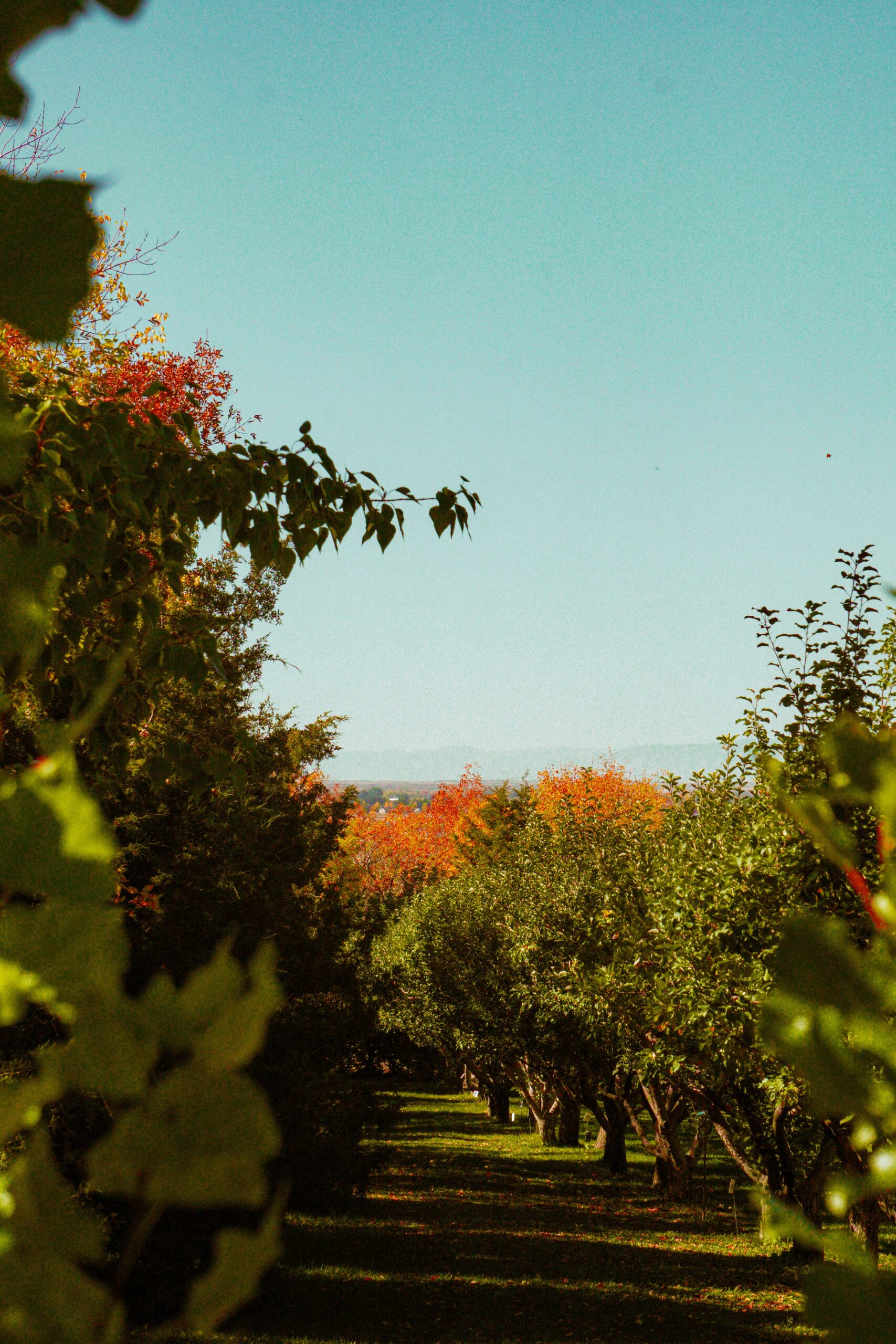
Fillmore earned its reputation as a citrus town honestly, and that agricultural identity still shapes the drive into and out of the valley. Groves of oranges and lemons line Highway 126 for miles, with avocado orchards mixed in on the hillsides above the flatter citrus rows.
Drive Past Citrus Groves and Avocado Orchards
Highway 126 runs through the Santa Clara River Valley connecting Santa Clarita to Ventura, carving a path through Piru, Fillmore, and Santa Paula that stays sun-drenched and agricultural even as much of Southern California has built over similar land, according to a guide to Highway 126's farm stands and orchards. Citrus dominates the harvest in winter and early spring, while avocados and vegetables take over through summer and fall.
Rolling the windows down near Fillmore in January often means catching the scent of orange blossoms before the groves even come into view.
Shop for Local Produce at the Fillmore Farmers Market
Local produce sold direct from growers is part of daily life in this stretch of the valley, with farm stands and markets offering fruit picked the same morning it's sold. Shoppers looking for the freshest citrus or avocados do better buying directly from these local sources than at a chain grocery store miles away.
Visit Bennett's Honey Farm and Learn About Beekeeping
Bennett's Honey Farm sits down Honey Lane just off Highway 126, where the family-run shop sells raw, unfiltered honey in varieties including wildflower, orange blossom, sage, and avocado. Visitors can sample flavors in a cozy tasting room and check out a bee wall in the gift shop that lets guests watch bees at work from a safe distance.
The Bennett family has kept this operation running for generations, and the honey varieties shift with what's blooming nearby that season.
Find Farm Stands Along the Valley Roads
Highway 126 is dotted with small, family-run fruit stands, some easy to spot and others tucked just off the main road. Francisco's Fruit Stand in Fillmore offers oranges, lemons, avocados, and vegetables, while smaller operators like J & J Fruit Stand keep more modest, quickly-changing selections depending on what got picked that morning.
Bringing cash helps, since not every stand accepts cards, and a small cooler keeps produce fresh on a warm afternoon.
Plan Family-Friendly Stops and Small-Town Fun
Fillmore works well for families because most of its attractions are low-key, outdoor, and easy to string together in an afternoon. None of it requires reservations or long waits, which makes it forgiving for trips with young kids.
Visit the Fillmore Fish Hatchery
The Fillmore Fish Hatchery, dedicated in 1932, is one of the older fish hatcheries in California and has played a role in the state's fish stocking program for nearly a century. It sits adjacent to the Santa Clara riverbed and stays open to the public year-round, with vending machines selling fish food that visitors can toss into the trout runs.
Kids tend to enjoy this stop more than any museum on the route, since watching fish surface for food gives them something active to do.
Relax and Play at Shiells Park
Shiells Park gives families a straightforward spot for picnics, playground time, and open green space without any planning required. It works well as a midday break between museum visits and farm stops, letting kids burn off energy before the next stretch of driving.
Browse Antique Shops and Vintage Finds
Fillmore's downtown holds a handful of antique shops carrying vintage furniture, old signage, and small collectibles that reflect the town's railroad-era history. Browsing these shops pairs naturally with a walk down Central Avenue, since many sit within a block or two of the historic storefronts.
Catch a Community Event or Seasonal Festival
Fillmore hosts festivals and shopping events tied to its agricultural calendar, often built around citrus harvests or local heritage celebrations. Checking the town's event calendar before a visit helps, since timing a trip around one of these gatherings adds a layer of local flavor that a regular weekday visit won't have.
Hollywood in Fillmore
If you've spent much time around Fillmore, you probably already know that our little town has a bit of a Hollywood history. At first glance, Fillmore might seem like a quiet agricultural community surrounded by citrus groves and mountains—and that's exactly what makes it so appealing to filmmakers.
Our historic downtown, old-fashioned storefronts, railroad tracks, bridges, orchards, and wide-open countryside can easily be transformed to look like somewhere completely different. Over the years, Fillmore has played the part of everything from a small Western town to 1940s-era Arizona, as well as fictional towns that don't actually exist.
And with Los Angeles only about an hour away, it's easy to see why filmmakers have found their way out here.
Movies Filmed in Fillmore
Once you start looking into Fillmore's filming history, the list gets pretty impressive. Movies have been filmed here for more than a century, with some of our local landmarks making appearances on the big screen.
One of the earliest examples is Ramona (1910), a silent film starring Mary Pickford that was filmed at nearby Rancho Camulos. Yes, Fillmore's connection to Hollywood goes all the way back to the silent-film era!
Some of the other movies filmed in and around Fillmore include:
- La Bamba (1987) — If you've watched this classic, you may recognize several Fillmore locations, including the palm trees along Highway 23 and the green bridge crossing the Santa Clara River.
- In the Mood (1987) — Central Avenue was given a Hollywood makeover, complete with sand and cactus, to make Fillmore look like 1940s Arizona.
- Almost an Angel (1990) — Several familiar Fillmore locations were used, including a home on Foothill Drive, the building that once housed Roan Mills Bakery, and the Towne Theatre.
- City Slickers II: The Legend of Curly's Gold (1994) — Fillmore's historic depot made an appearance in this Western comedy.
- Seabiscuit (2003) — The historic railway and surrounding area were used during filming.
- Get Smart (2008) — Fillmore's railway once again provided the backdrop for this big-screen comedy.
- Water for Elephants (2011) — The railway and agricultural scenery helped create the movie's period setting.
- The Lone Ranger (2013) — Filming also took place along Fillmore's historic railway.
And that's only scratching the surface. The Heritage Valley's filmography includes productions such as Bullitt, Chaplin, The Circle, Live by Night, The Unit, The Enforcer, Hero, and Pee-wee's Big Holiday, among many others.
Fillmore on Television
Movies aren't the only place you'll find Fillmore. Our town has had quite a television career, too.
One of the more recognizable examples is CSI: Crime Scene Investigation, which used historic downtown Fillmore to portray the fictional town of Larkston, Nevada. If you know Fillmore's downtown, it's pretty fun to watch an episode and recognize familiar streets while they're pretending to be somewhere hundreds of miles away.
Other television productions filmed in Fillmore have included Jericho and Big Love.
And then there's the railroad. For years, Fillmore's historic railway was one of the area's biggest draws for film and television productions. Shows including Criminal Minds, NCIS: Los Angeles, Agents of S.H.I.E.L.D., The X-Files, Buffy the Vampire Slayer, Numb3rs, Westworld, and Rescue 911 have all been associated with filming in the area.
Build a Heritage Valley Road Trip From Fillmore
Fillmore works best as the middle link in a longer Heritage Valley drive, not an isolated stop. Highway 126 connects it directly to Piru on one side and Santa Paula on the other, with Ventura and Ojai reachable as short extensions for travelers with a full day to spend.
Follow Highway 126 Toward Piru
Piru sits just east of Fillmore along Highway 126, offering quiet streets, mountain views, and a small-town pace even more relaxed than Fillmore's own downtown. The Heritage Valley stretches about twenty-six miles along the Santa Clara River through Santa Paula, Fillmore, and Piru, with citrus groves on one side of the road and oak-covered foothills on the other.
Add Bardsdale and Santa Paula to Your Route
Bardsdale sits just south of Fillmore across the Santa Clara River, tied historically to the same ranching and agricultural families documented at the Fillmore Historical Museum. Santa Paula extends the trip west, offering its own historic depot, murals, and landmarks that share the same railroad-and-citrus story running through Fillmore.
Where to Eat and Drink in Town
Fillmore's dining options lean casual and local, fitting for a town built around farming and rail work rather than tourism. Central Station Bar and Grill and El Pescador serve as familiar names for travelers looking for a sit-down meal downtown, while craft beer options at Red Engine Brewing Company have appeared alongside the more traditional diners and taquerias that have anchored Central Avenue for decades.
When to Visit and How to Plan Your Day
Winter and early spring bring peak citrus season to Fillmore, filling roadside stands with fresh oranges and lemons and giving the groves their fullest, most fragrant look. Summer shifts the harvest toward avocados and vegetables, while outdoor plans around Sespe Creek and Los Padres National Forest depend heavily on recent rain and current trail conditions.
Planning a Fillmore day around a loose loop, museum and downtown in the morning, a farm stand or two at midday, and a short drive toward Piru or Santa Paula in the afternoon, tends to work better than trying to cover the whole valley in one stretch. Travelers piecing together a longer Southern California itinerary might also look at other underrated California day trips or explore the coast further along Highway 395 on a separate leg of the trip.


