Sequoia & Kings Canyon National Parks: Ultimate Travel Guide
Sequoia and Kings Canyon National Parks sit side by side in the southern Sierra Nevada of California, and together they hold some of the most remarkable scenery I’ve found in the national park system. These two parks protect groves of giant sequoias, deep river canyons, and high alpine wilderness, and I’ve put together this guide with 25 things to do, key hikes, scenic drives, and camping tips to help you plan a complete visit. I cover both parks as one destination since they operate under a single National Park Service unit, similar to what I found on the official Sequoia and Kings Canyon planning page.
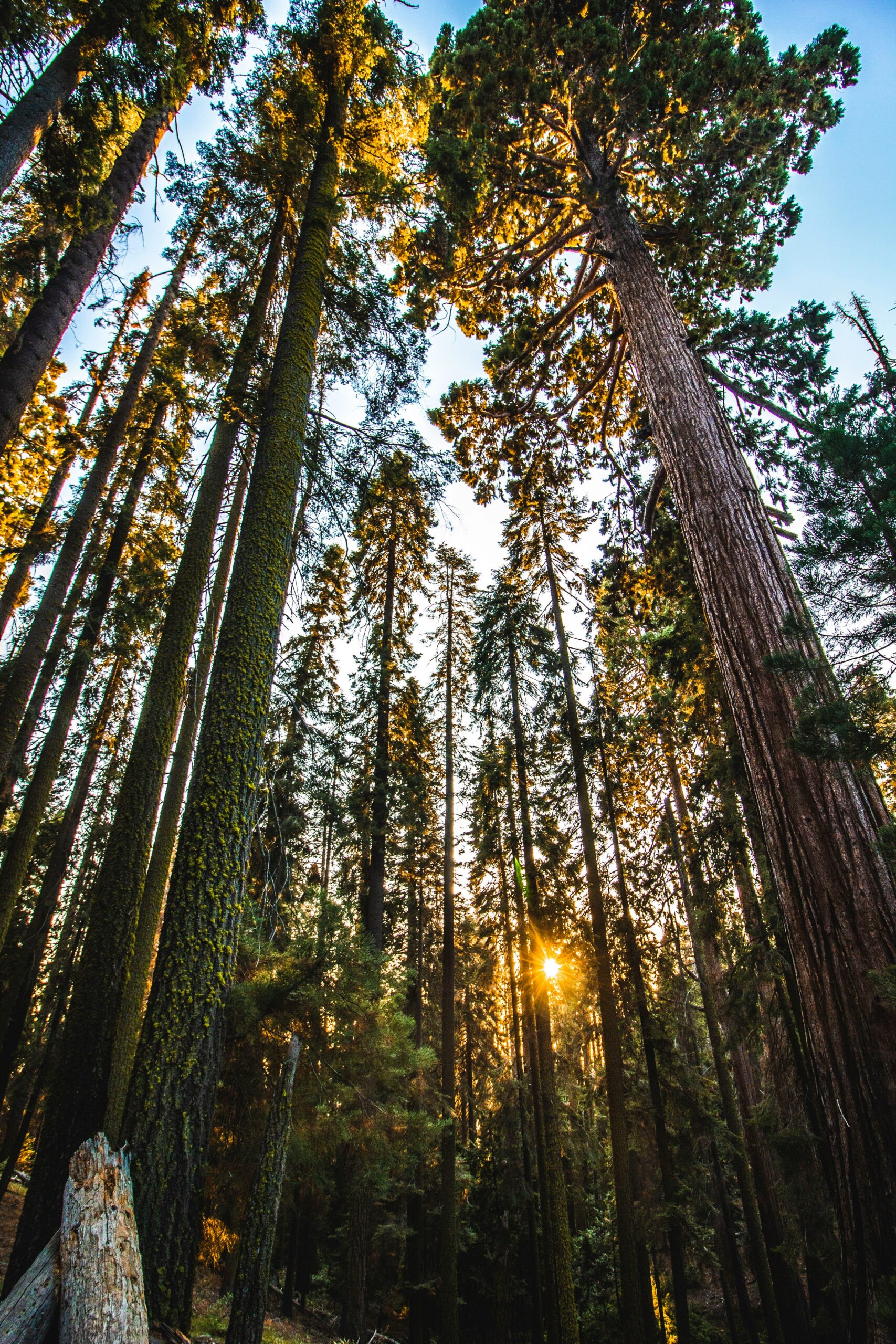
I organized this guide around the areas I think matter most: where to find the largest trees on Earth, which trails offer the best views without overwhelming crowds, and when the roads and campgrounds are actually open. Sequoia National Park includes the Giant Forest and Mineral King areas, while Kings Canyon holds Grant Grove and Cedar Grove, each with its own character and access points.
I also get into the practical side of visiting—seasonal weather patterns, road conditions in the Sierra Nevada, and how to structure an itinerary if you have a few days or a full week. Whether you’re after the giant sequoias, the canyon overlooks, or the backcountry wilderness beyond the main roads, I wanted to give you a realistic starting point for your trip.
Sequoia & Kings Canyon National Parks: Ultimate Travel Guide
Plan Your Visit: Timing, Access, and Park Logistics
Honestly, timing and route planning shape a Sequoia and Kings Canyon trip more than anything else. Season controls road access and crowd levels, while your entry point and vehicle type decide how much of the parks you’ll actually see.
Best Time to Visit Sequoia and Kings Canyon
From what I’ve seen, late spring through early autumn gives you the widest access to both parks. Summer (June through August) opens Kings Canyon’s Cedar Grove and the high country, but it also brings the big crowds and the hottest days in the foothills.
Spring has waterfalls and blooming dogwoods, but snow sometimes closes Generals Highway sections well into May. Autumn—my personal favorite—means fewer visitors and crisp air, and most facilities stay open through October.
Winter turns the parks into a quiet, snow-covered landscape. I love the solitude near the Giant Forest then, but Cedar Grove, Mineral King, and much of Kings Canyon Scenic Byway close entirely. Tire chains? Pretty much a must.
Getting There by Car, Air, Train, or Bus
I almost always drive in, since the parks sit in California’s Sierra Nevada east of the San Joaquin Valley. The nearest airports: Fresno Yosemite International Airport (about 55 miles from the Big Stump Entrance) and the smaller Visalia Municipal Airport (closer to Sequoia’s Ash Mountain side). LAX works too, but you’re tacking on four hours of driving, easy.
For train travel, I connect through Amtrak to Hanford or Visalia, then grab a rental car or shuttle. Greyhound buses serve Fresno and Visalia, but neither one gets you right to the park entrances.
Usually, I route through Fresno, Visalia, Three Rivers, Dunlap, or Tulare, depending on which entrance I’m aiming for. Those towns have the last reliable gas, lodging, and supplies.
Entrances, Roads, Shuttles, and Driving Expectations
I enter Sequoia through the Ash Mountain Entrance on Highway 198, climbing steeply from Three Rivers into the Giant Forest via Generals Highway. Kings Canyon’s Big Stump Entrance sits on Highway 180 out of Fresno, and eventually connects to Cedar Grove when the weather allows.
These entrances aren’t directly linked by a fast road; if you drive between them, you’re looking at a couple hours on Generals Highway. I always check road conditions with the National Park Service before heading out—winter storms, rockfall, and construction shut things down more often than you’d think.
When it’s peak summer, I’ll ride the Sequoia Shuttle from Visalia. It cuts down on parking headaches and the ticket includes your park entrance fee, which is pretty handy (details on the official NPS trip planning page).
Visitor Centers, Fees, Reservations, and Essential Preparation
I usually stop at Foothills, Lodgepole, or Giant Forest visitor centers in Sequoia, or Kings Canyon Visitor Center or Cedar Grove Visitor Center on the Kings Canyon side. You’ll find maps, ranger advice, and small museums about sequoia ecology and park history at each one.
Entrance fees are $35 per vehicle for a seven-day pass that covers both parks. I bring cash or a card—remote entrance stations sometimes have spotty connectivity.
No timed-entry reservations right now, but I still book campgrounds and lodges well ahead for summer. I always pack layers, extra water, and a paper map, since cell service basically vanishes once you’re inside. That’s echoed in the Sequoia and Kings Canyon planning overview too.
Essential Things to Do Across Both Parks
I’ve narrowed down the best activities into five categories: giant sequoia groves, granite landmarks, water features, and family-friendly programs. Each one really captures what makes this part of the Sierra Nevada worth your time.
Walk Among the Giant Sequoias in Sequoia National Park
I always start in Giant Forest, where you’ll see the densest concentration of giant sequoia trees anywhere. The General Sherman Tree is the star, and I’d take the short paved trail down to its base for the classic photo.
After that, I like the Congress Trail, a 2-mile loop that passes several named sequoias and, honestly, feels way less crowded than the Sherman area. If I’m short on time or with kids, the Big Trees Trail is an easy 1.5-mile loop around a meadow with interpretive signs that are actually pretty interesting.
I always try to fit in Crescent Meadow—they call it the “Gem of the Sierra”—and the drive-through Tunnel Log nearby. The Giant Forest Museum is worth a quick stop for its exhibits on sequoia biology and fire ecology.
See the Landmark Groves and Big Trees of Kings Canyon
For sequoias in Kings Canyon, I head to Grant Grove. The General Grant Tree, sometimes called the “nation’s Christmas tree,” anchors this grove and rivals General Sherman in sheer girth.
The General Grant Grove trail is a flat, half-mile loop I can walk in under half an hour, so it’s accessible for just about anyone. Early mornings here are peaceful—filtered light, quiet trails, no rush.
Grant Grove doesn’t draw quite the same crowds as Giant Forest, so I find it easier to linger and just take in the scale of these trees. If I’m coming from Fresno, it’s a convenient first stop.
Take in Granite Views, Meadows, and Foothill Landscapes
Moro Rock is my pick for big views of the Great Western Divide. The 400-step staircase up the granite dome is a workout, but what a payoff at the top.
I like driving through the park’s lower-elevation foothills, where oak woodlands and chaparral create a totally different vibe compared to the high-country forests. I’ve spotted black bears along the roadside here—always a thrill, but keep your distance.
Kings Canyon puts on its own granite show at Zumwalt Meadow, where I walk a flat 1.5-mile loop under towering cliffs. The granite domes and cliffs across both parks make this region one of the most geologically striking places I’ve explored in the Sierra Nevada.
Explore Waterfalls, Rivers, Caverns, and Lakes
Water shapes my trips every time. I’ve hiked to Tokopah Falls in Sequoia, a 3.4-mile round-trip along the Kaweah Riverthat ends at a dramatic cascade.
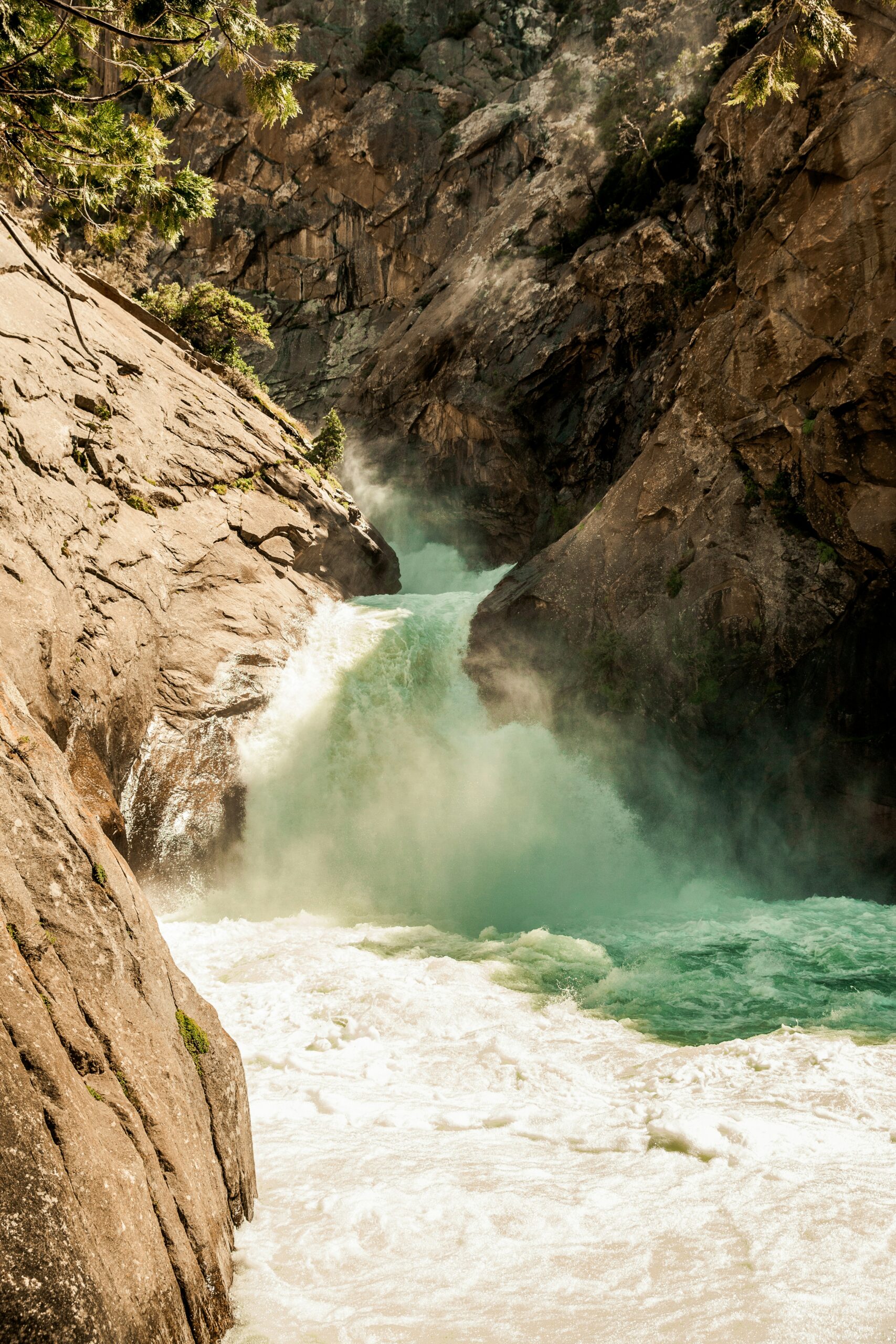
In Kings Canyon, I follow the Kings River to Roaring River Falls and Mist Falls (the latter’s an 8-mile round-trip, so plan ahead). Grizzly Falls is an easy roadside stop—great for stretching your legs.
If I want something different, I’ll tour Crystal Cave in Sequoia or Boyden Cavern in Kings Canyon—both are marble caverns with guided walks. On sunny afternoons, I hang out at Hume Lake, maybe fish or rent a kayak if the mood strikes.
Find Family Activities, Ranger Programs, and Evening Experiences
I try to catch ranger programs when I can—they run seasonally and cover everything from sequoia ecology to night skies. The Dark Sky Festival in September is a standout; stargazing up here is next level.
Picnic areas are scattered throughout the parks, and I use them for lunch between hikes. Walking trails that work for kids make Cedar Grove and Grant Grove especially good for families.
I keep an eye out for wildlife every time, especially marmots sunning on granite outcrops along the higher trails. These little moments, plus the ranger programs, really round out a trip to both Sequoia National Park and Kings Canyon National Park.
Hikes, Scenic Drives, and Backcountry Adventures
I’ve found these parks reward you at every activity level, from short paved walks among the sequoias to multi-day trips deep into the High Sierra. Between the two scenic byways and a web of trails, you can build an itinerary around waterfalls, granite domes, or just pure wilderness solitude—pick your adventure.
Choose the Right Day Hike for Your Ability and Season
I always try to match my hike to the season and my own fitness here, since elevation and snowpack can change things a ton between April and October.
The Big Trees Trail near Giant Forest is a flat, paved loop I recommend for anyone—families with strollers, folks with limited mobility, or honestly anyone who just wants an easy stroll.
For something a bit more moderate, I tend to pick the Congress Trail, a 2-mile paved loop that winds past the General Sherman Tree and a bunch of other named giants.
If I'm craving some elevation and mountain views, the Tokopah Falls Trail out of Lodgepole makes for a solid 3.6-mile round trip leading to a granite amphitheater.
Mineral King has steeper, quieter trails that suit hikers looking for solitude and comfortable with a steady climb.
Follow the Best Routes for Waterfalls and Canyon Scenery
I chase waterfalls and canyon views on a handful of trails that always seem to deliver the best payoff for the effort.
Tokopah Falls tumbles over granite near Lodgepole, and I found the trail well-maintained and pretty accessible for most hikers.
In the Cedar Grove area, Mist Falls is a 9-mile round trip that I consider one of the better workouts in the parks, ending at a broad, powerful waterfall on the South Fork Kings River.
Zumwalt Meadow, also near Cedar Grove, gives me an easier option: a short loop with views of granite cliffs, the meandering river, and talus slopes, as detailed in the National Park Service's guide to summer drives and viewpoints.
I always stop at Roaring River Falls, a brief paved walk to a narrow, forceful chute.
Crescent Meadow, reached via a side road off Generals Highway, rounds out my waterfall-and-meadow circuit with some quiet, open scenery.
Drive the Generals Highway and Kings Canyon Scenic Byway
I treat the drive itself as an attraction, not just a way to get between trailheads.
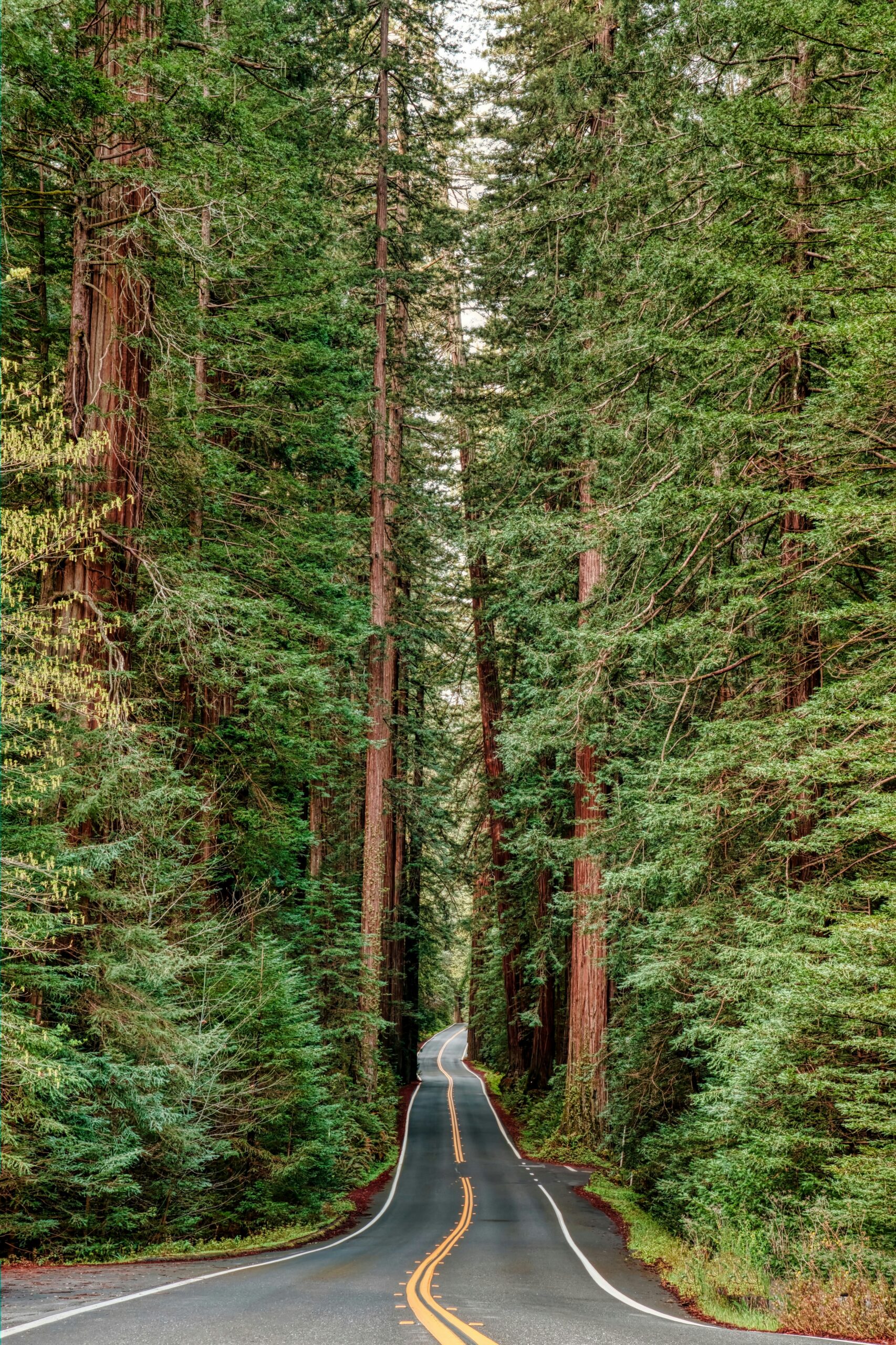
Generals Highway connects Sequoia and Kings Canyon along Highway 198, linking the two parks' famous sequoia groves with overlooks like Amphitheater Point and the Redwood Mountain Overlook, according to the National Park Service's scenic drives page.
The Kings Canyon Scenic Byway, part of Highway 180, runs from Grant Grove down into Cedar Grove and Roads End. The stretch between Yucca Point and Boyden Cave is especially dramatic, carved right into the canyon walls, as described in this Kings Canyon Scenic Byway guide.
I always check road conditions before this drive, since sections are narrow and can close seasonally.
Plan Responsibly for Wilderness, Climbing, and High Sierra Travel
I never head into the backcountry without a permit—most overnight wilderness routes require one from the National Park Service.
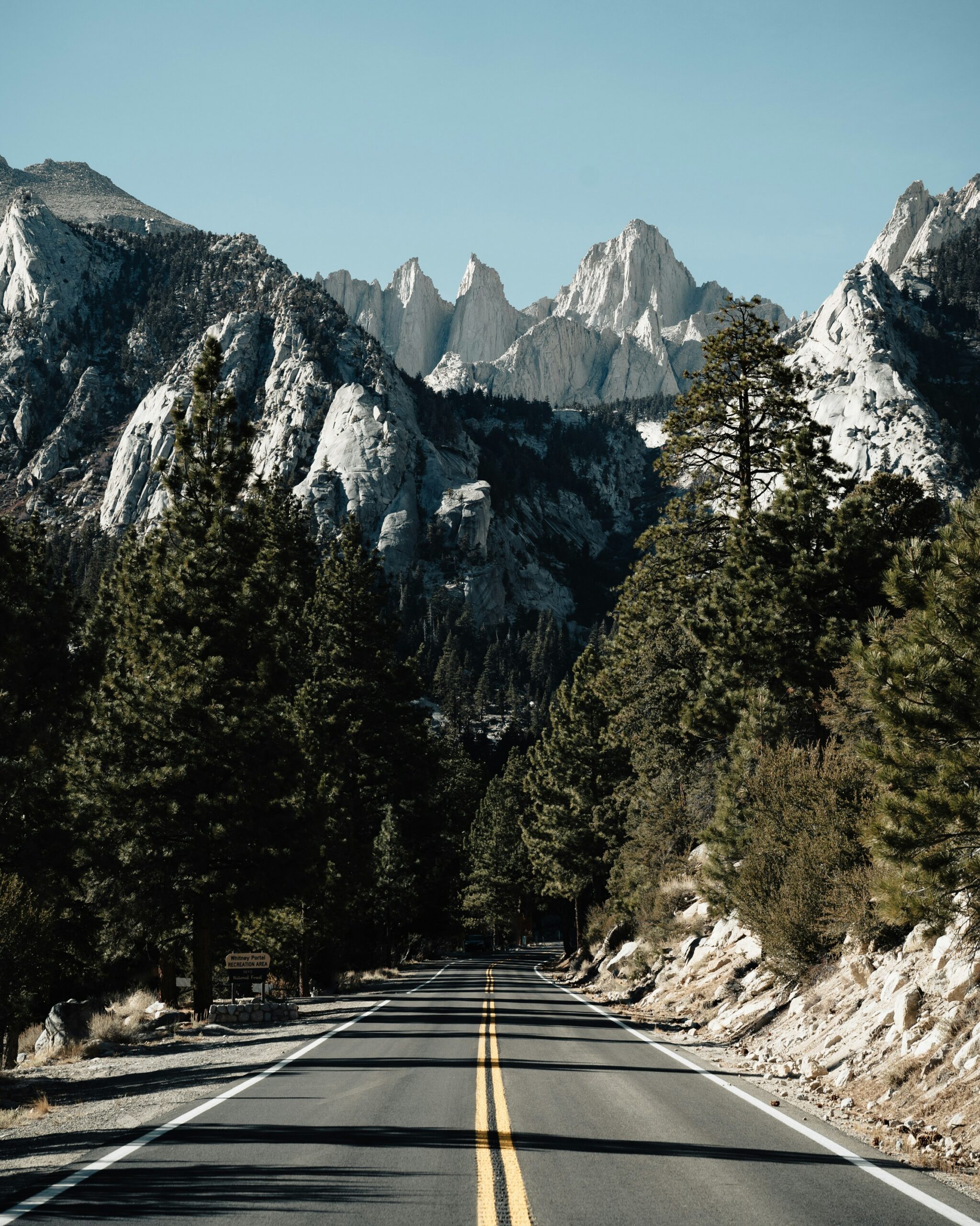
Mount Whitney, the tallest peak in the lower 48, anchors the High Sierra part of these parks, and I know summiting it takes serious prep, permits, and a bit of acclimatization.
For a different overnight option, I've looked into Bearpaw High Sierra Camp, a tent camp you reach by a tough day hike from Crescent Meadow.
Rock climbing on the parks' granite cliffs draws experienced climbers, especially around Moro Rock and up in the high country.
I also pack a fishing license if I plan to fish the Kings or Kaweah Rivers, since state regulations apply inside park boundaries.
Where to Stay, Eat, Camp, and Build an Itinerary
Choosing the right base camp shapes my whole trip, from how early I catch sunrise at Moro Rock to how far I have to drive for dinner. I plan my lodging, meals, and daily route before I arrive, since options inside the parks are limited and fill up fast.
Compare Lodges, Cabins, Campgrounds, and Gateway Hotels
I've got four main lodges to choose from inside the parks. Wuksachi Lodge near Lodgepole is my pick for year-round comfort, with modern rooms and easy access to the Giant Forest. John Muir Lodge in Grant Grove offers a quieter, mountain-lodge vibe, while Grant Grove Cabins give a rustic option with or without private baths. Over in Kings Canyon's high country, Cedar Grove Lodge puts me closest to the canyon floor and river trails, though it's only open seasonally.
If I can't book inside the parks, I stay in Three Rivers, right at the Ash Mountain entrance, with the widest range of hotels and cabins. Visalia and Fresno work as larger gateway cities with more chain hotels, restaurants, and flight access, though I end up adding 45–90 minutes of driving each way.
| Option | Location | Best For |
|---|---|---|
| Wuksachi Lodge | Near Lodgepole | Year-round comfort, Giant Forest access |
| John Muir Lodge | Grant Grove | Quiet lodge stays |
| Grant Grove Cabins | Grant Grove | Budget-friendly, rustic |
| Cedar Grove Lodge | Kings Canyon floor | River access, seasonal |
| Three Rivers | Park entrance | Wide lodging variety |
Know Where to Eat and Stock Up on Supplies
I rarely go hungry inside the parks, but I keep my expectations realistic—dining options are simple and pretty spread out. Lodgepole Café is my go-to for quick breakfasts and casual lunches. In Grant Grove, Grant Grove Restaurant serves full sit-down meals, while The Peaks Restaurant at Wuksachi Lodge offers the most polished dinner in the park. On warm evenings, I grab a slice from the Wuksachi Pizza Deck.
Out in Cedar Grove, the Cedar Grove Snack Bar covers basic meals near the canyon. I also pack my own food for picnic areas, which I find at Foothills, Hospital Rock, and along the Generals Highway. For groceries and gas, I stock up in Three Rivers or near Hume Lake, since in-park markets have limited supplies at higher prices.
One-Day, Weekend, and Four-Day Itinerary Ideas
For a one-day visit, I focus on Giant Forest: General Sherman Tree, Moro Rock, and Crescent Meadow, then grab lunch at Lodgepole Café.
A weekend trip lets me add Crystal Cave and Tokopah Falls on day one, then drive into Kings Canyon on day two for Zumwalt Meadow and Roaring River Falls.
With four days, I split my time: two days in Sequoia for Giant Forest, Moro Rock, and the Foothills, then two days in Kings Canyon exploring Cedar Grove, Mist Falls, and the scenic byway. I always build in buffer time—shuttle waits and parking at popular trailheads can slow things down in summer.
Camping Tips, Wildlife Safety, and Leave No Trace Practices
I camp most often at Lodgepole—it’s right in the middle of everything and super close to the Giant Forest trails I love. If you want a site in July or August, you’ll need to jump on reservations through the National Park Service website months ahead. They vanish fast, so don’t wait around.
Black bears roam all over both parks, so I always stash my food, trash, and anything that smells in those big metal bear boxes at camp. I never risk leaving stuff in the car overnight. I try to keep things tidy and, honestly, I don’t mess with wildlife—deer, marmots, whatever wanders by. It’s just not worth it.
I try to stick to Leave No Trace basics: I pack out my trash, stay on the trails, and only use fire rings if it’s actually allowed. Fire rules change a lot with the weather and drought, so I usually swing by the visitor center to check before lighting anything. Better safe than sorry, right?


