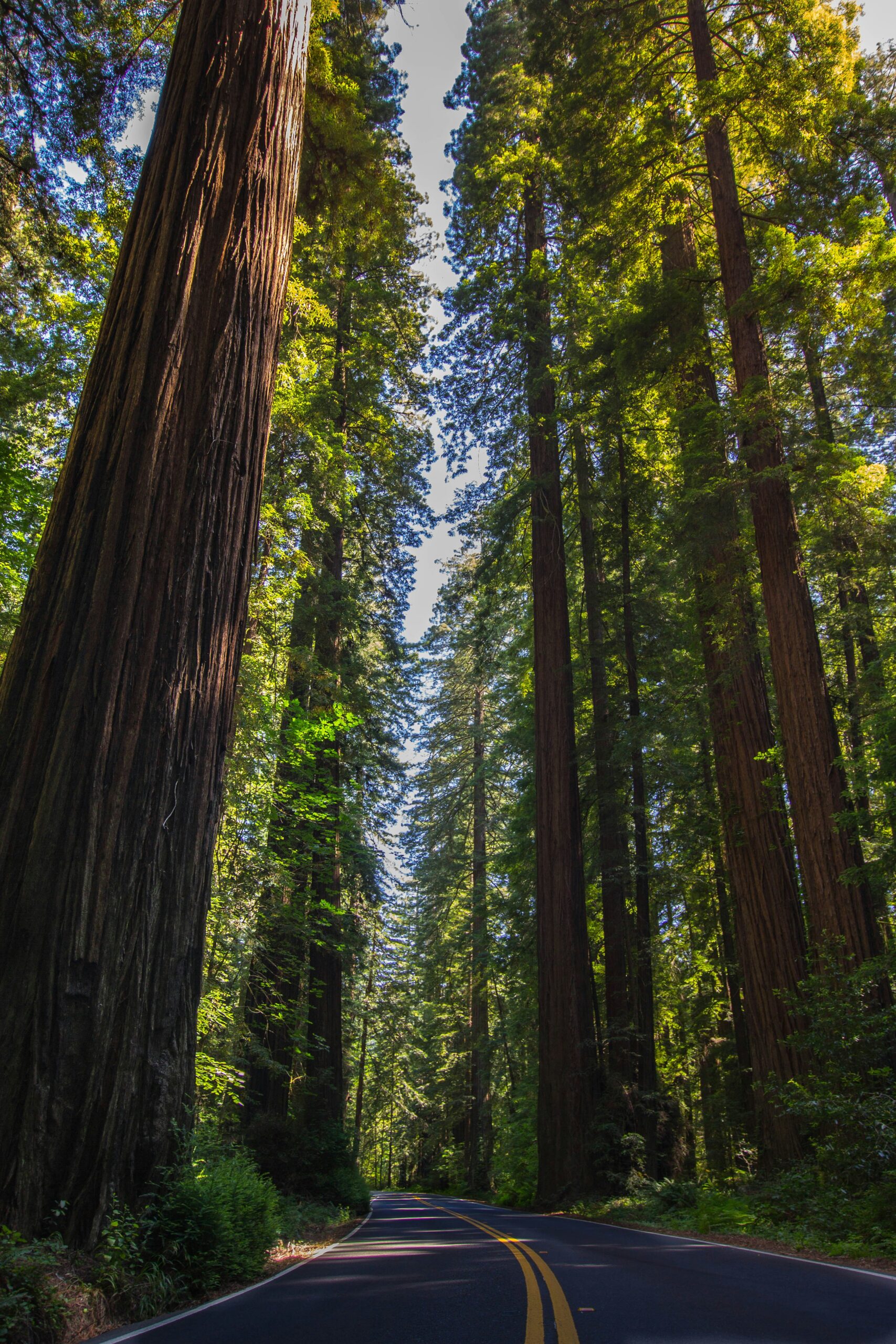
Best End of Summer Getaways in California: August to September
Summer in California is winding down, but honestly, the best weeks for travel are just getting started. The end of August through September brings lighter crowds, better prices, and comfortable weather across Northern, Southern, and Central California.
I’ve found this window works well whether I want a quick weekend escape or a longer road trip. For my California travel ideas 2026, I’m leaning into a mix of classic destinations and lesser-known spots.
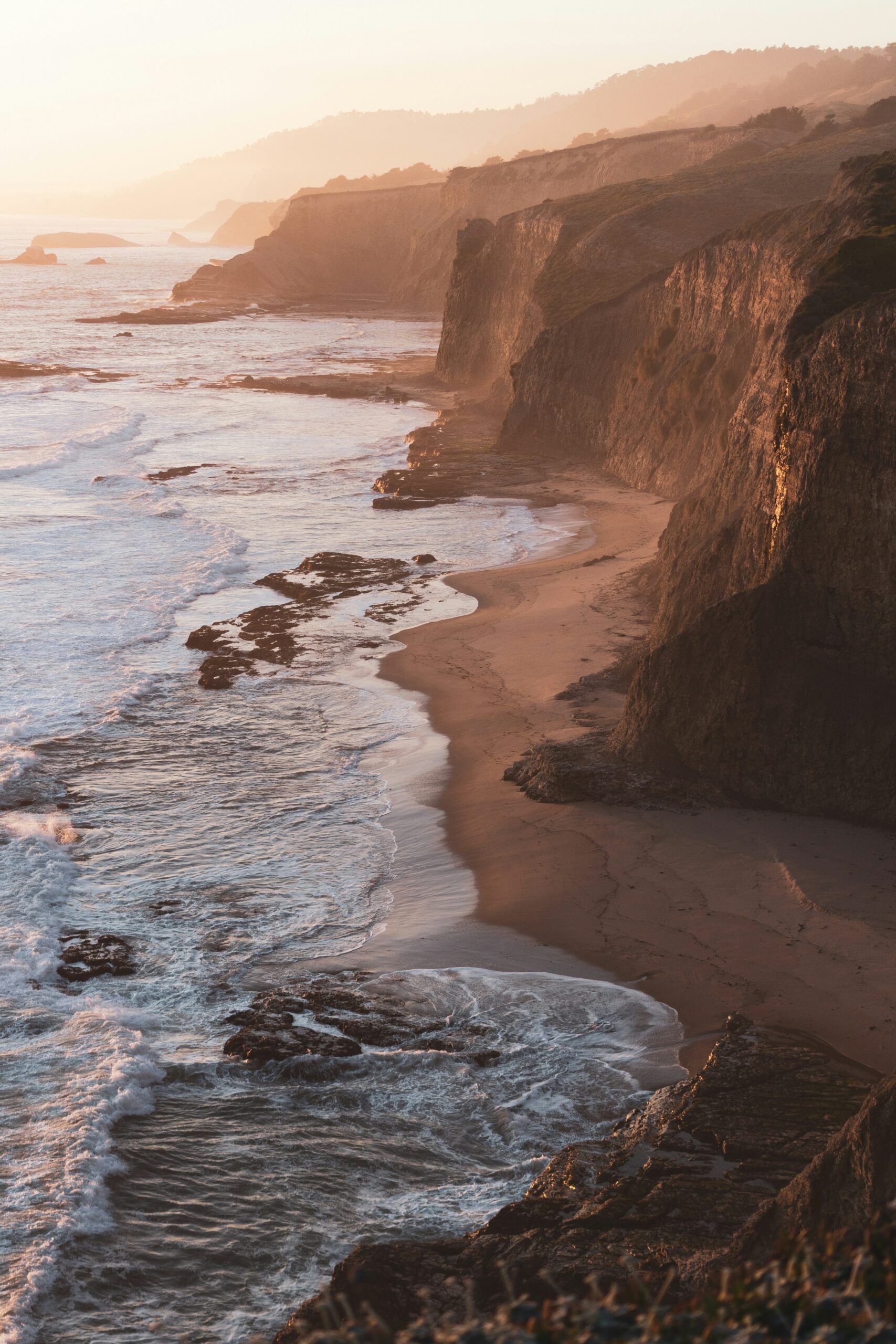
Coastal towns, desert parks, and mountain retreats all make sense this time of year. I can plan a beach vacation one weekend and a national park trip the next.
Southern California draws me toward laid-back coastal escapes. Northern California, on the other hand, pulls me in with cooler air and forested trails.
In this guide, I’m sharing the getaways I keep coming back to, plus a few hidden gems I think deserve more attention. These are practical suggestions I’d actually plan around, whether I have a weekend or a full week to spare.
Best End of Summer Getaways in California: August to September
Match the Destination to August and September Conditions
California’s size means I can find nearly any climate I want in late summer. Coastal fog, alpine air, harvest heat, or desert warmth—all within a few hours’ drive.
Where to Go for Cool Coastal Weather
When I want to escape inland heat, I head straight for the California coast. San Francisco and Monterey usually stay in the 60s through August, with marine layer keeping mornings cool and afternoons mild.
This is one of the best places to visit in California in August if humidity and heat aren’t my thing. By September, the fog thins out and I get clearer views of the Pacific Ocean without losing that coastal chill.
Half Moon Bay and Mendocino are my picks for quiet beach walks and tide pooling, and I don’t even need to go full wetsuit mode.
Where to Go for Alpine Hiking and Lake Days
I save my Sierra Nevada trips for late summer, when snowmelt has cleared most trails and the July crowds have thinned. Lake Tahoe’s water warms up enough for swimming, so I’ll pair a lake day with a morning hike on trails like Eagle Falls or Emerald Bay.
Higher elevations in the Sierra Nevada mountains, including parts of Yosemite and Mammoth Lakes, stay comfortable into September before the first snow closes passes. I treat this window as prime hiking season: daytime temps in the 70s, cool nights, and fewer bugs than earlier in the summer.
Where to Go for Harvest Season and Wine Tasting
September is harvest season in Napa and Sonoma, so I plan my wine tasting trips around it. Grapes are picked, crushed, and fermented during this stretch, and wineries feel more alive than in the off-season.
I get to watch the actual crush happening at smaller family-run vineyards, which is something I can’t see in spring or early summer. Temperatures in wine country still climb into the 80s and 90s, so I stick to outdoor tastings in the morning or early evening.
Paso Robles is another spot I consider for California late summer vacations built around wine and food.
When Desert Heat Makes More Sense in September
I avoid the desert in peak August heat. By mid-to-late September, though, temperatures start dropping into a more tolerable range.
Joshua Tree and Palm Springs shift from brutal triple digits to highs in the 90s, which I find workable for early morning hikes. I use September as my transition month, booking desert trips toward the end when evening temperatures cool enough for stargazing and outdoor dining.
This timing also lines up with fewer crowds, since most visitors wait until October or November when the desert fully cools down.
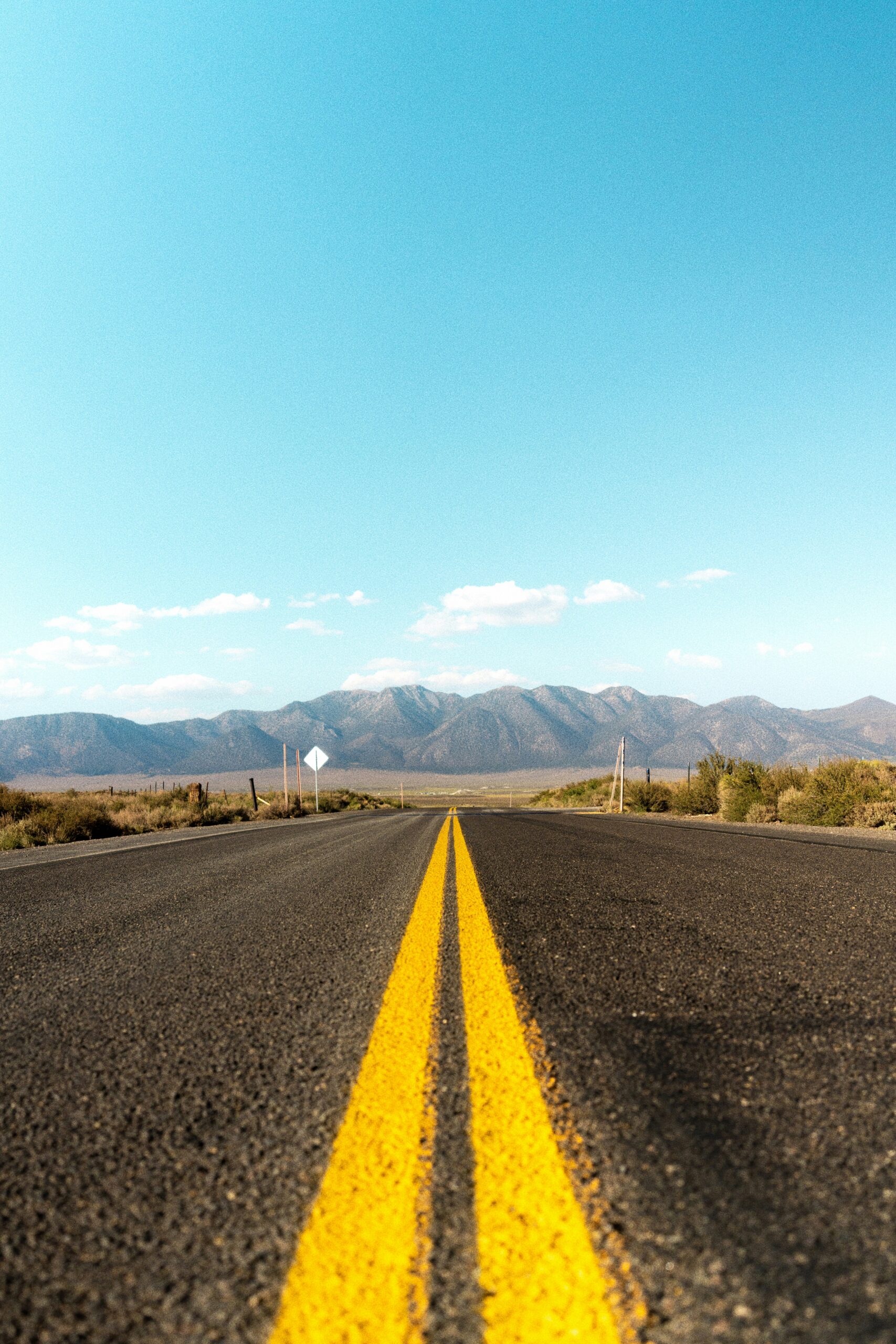
Coastal Routes for Cooler Days
As summer heat lingers inland, I find the California coastline offers a natural escape with fog-cooled mornings and ocean breezes. From San Diego’s harbor towns to the redwood-lined roads near Mendocino, each stretch of coast has its own rhythm and reasons to visit.
San Diego, La Jolla, and Coronado
I always start a San Diego trip with a walk through Balboa Park. Spanish Colonial architecture and museums set the tone for the city’s laid-back energy.
The Gaslamp Quarter delivers a livelier scene with restaurants and nightlife packed into a compact historic district. La Jolla is where I go for the coastline itself.
Torrey Pines State Natural Reserve offers cliffside trails with sweeping Pacific views, while the cove waters below are ideal for kayaking and snorkeling among sea caves and marine life. Surfing conditions along this stretch stay consistent into September.
I like finishing the day in Coronado, where wide beaches and the historic Hotel del Coronado create a quieter contrast to downtown San Diego. There’s more on this in my California coastal road trip guide.
Santa Barbara, Ventura, and the Channel Islands
Santa Barbara earns its “American Riviera” nickname with palm-lined streets, Spanish-style buildings, and a coastline that stays mild well into fall. I spend mornings at East Beach before touring Mission Santa Barbara, one of the best-preserved of California’s historic missions.
The Funk Zone is my go-to for an afternoon break, packed with wine tasting rooms, breweries, and murals within walking distance of the waterfront. Inland, the Santa Ynez Mountains provide a scenic backdrop and cooler hiking options when coastal fog clears.
Ventura, just south, serves as my launch point for the Channel Islands. Ferries depart regularly for day trips to explore sea caves, kelp forests, and wildlife largely undisturbed by mainland development, which I saw highlighted in this roundup of California summer destinations.
Big Sur, Monterey, and Carmel-by-the-Sea
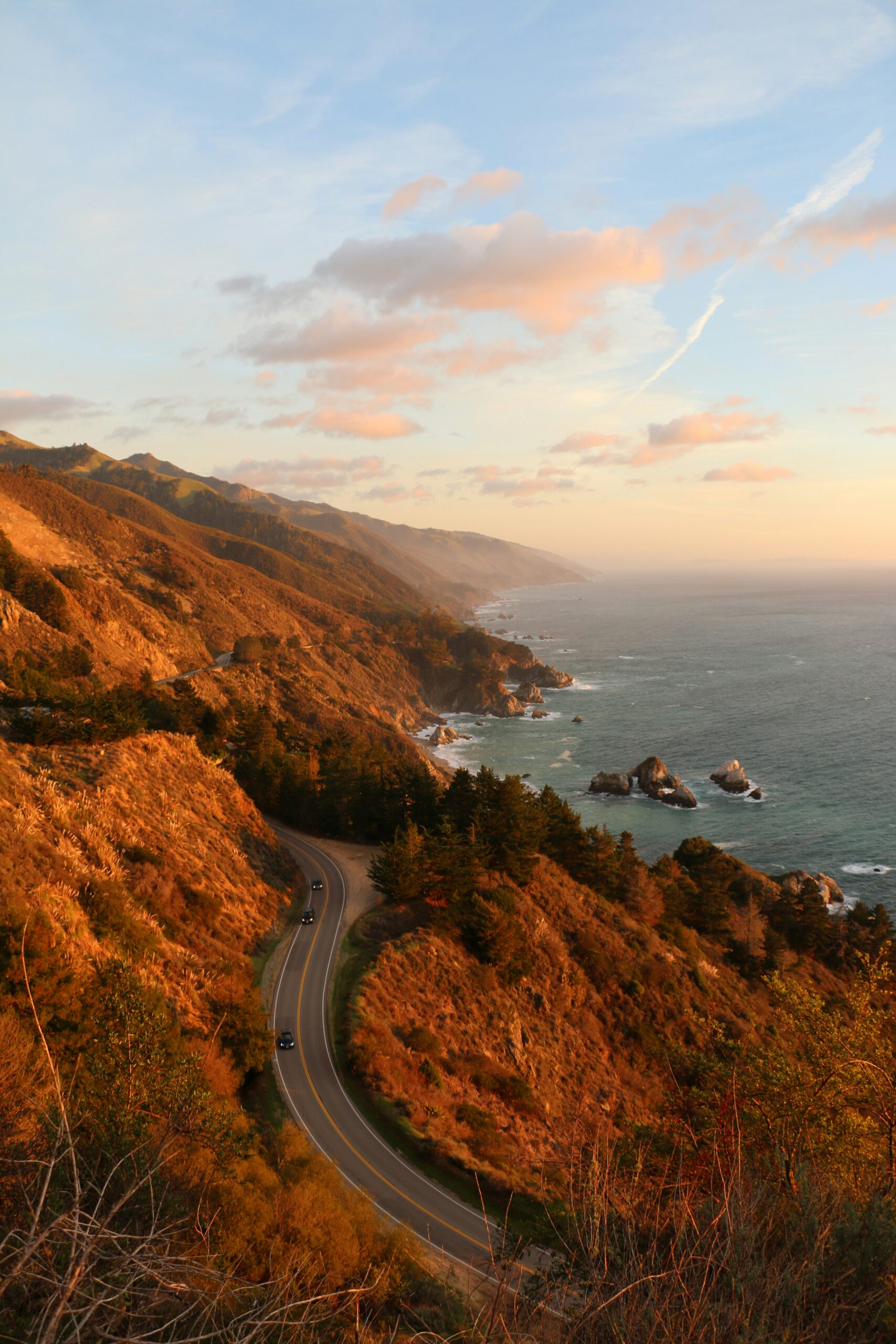
Highway 1 through Big Sur remains one of my favorite drives in the state. Cliffside turnouts reveal views that always tempt me to pull over.
McWay Falls, a rare waterfall that drops directly onto a beach, and Pfeiffer Beach, with its purple-tinted sand, are two stops I never skip. Garrapata State Park adds quieter trails and tide pools without the crowds found at more famous sites.
For overnight stays, Ventana Big Sur offers a rustic-luxury basecamp surrounded by redwoods and ridgeline views. Further north, Monterey Bay and the Monterey Bay Aquarium give me a closer look at local marine ecosystems.
Carmel-by-the-Sea, with its storybook cottages, and the scenic 17-Mile Drive round out this stretch with some of the coast’s most photographed scenery.
Mendocino and Fort Bragg
Mendocino County offers a cooler, foggier alternative to the busier stretches of coast further south. The town of Mendocino itself sits on a headland with Victorian architecture and coastal bluffs that remind me more of New England than typical California scenery.
Fort Bragg, just up the Mendocino Coast, is home to Glass Beach, where decades-old sea glass still washes up along the shoreline. I also make time for a ride on the Skunk Train, which winds through old-growth redwood forests on tracks first built for logging.
The redwoods here grow closer to the coast than in many other parts of the state, giving this area a distinct microclimate. Details on planning a visit appear in this guide to relaxed California beach towns.
Vineyards, Food, and Central Coast Towns
Late summer is when I plan my wine country routes. August and September bring warm days, active harvests, and fewer crowds than peak season.
I split my time between Northern California’s established vineyards and the Central Coast’s mix of wine, beach towns, and historic sites.
Napa Valley and Sonoma County
I treat Napa Valley as the anchor of any California wine country trip. Yountville gives me some of the state’s best restaurants, while Calistoga offers mud baths and mineral springs alongside its tasting rooms.
I always try to fit in a hot air balloon ride over the valley at sunrise. It’s the clearest way to see the vineyard grid before the day heats up.
Sonoma County feels less crowded to me than Napa. I head to Healdsburg for its walkable square and wineries, then follow the Russian River Valley for cooler-climate Pinot Noir and Chardonnay.
The Russian River itself gives me a place to kayak or swim between tastings.
Paso Robles and San Luis Obispo
Paso Robles is where I go for Rhône-style wines and a more relaxed tasting room scene. I’ve found over 200 wineries here, spread across 26,000 acres of vineyards, so there’s always somewhere new to try.
San Luis Obispo gives me a college-town base with easy access to the Edna Valley, where I taste Pinot Noir and Chardonnay grown in a cooler, fog-influenced climate.
I like that both towns sit along the SLO Sustainable Wine Trail, a roughly 70-mile stretch on Highway 101 connecting nearly 50 wineries that follow sustainable growing practices. It’s an easy day trip if I’m short on time.
Santa Ynez Valley and Solvang
The Santa Ynez Valley is my choice for Pinot Noir, thanks to coastal fog that moves through the east-west valley. I’ve counted around 42 varietals grown here, which tells me just how much the growing conditions vary within a small area.
Solvang breaks up my wine tasting with a completely different experience. The town was settled by Danish immigrants, and I still find bakeries, half-timbered buildings, and windmill architecture that reflect that history.
Nearby Los Olivos is where I stop for Grenache, a varietal I’ve noticed gaining more attention here in recent vintages.
Pismo Beach, Avila Beach, and Cambria
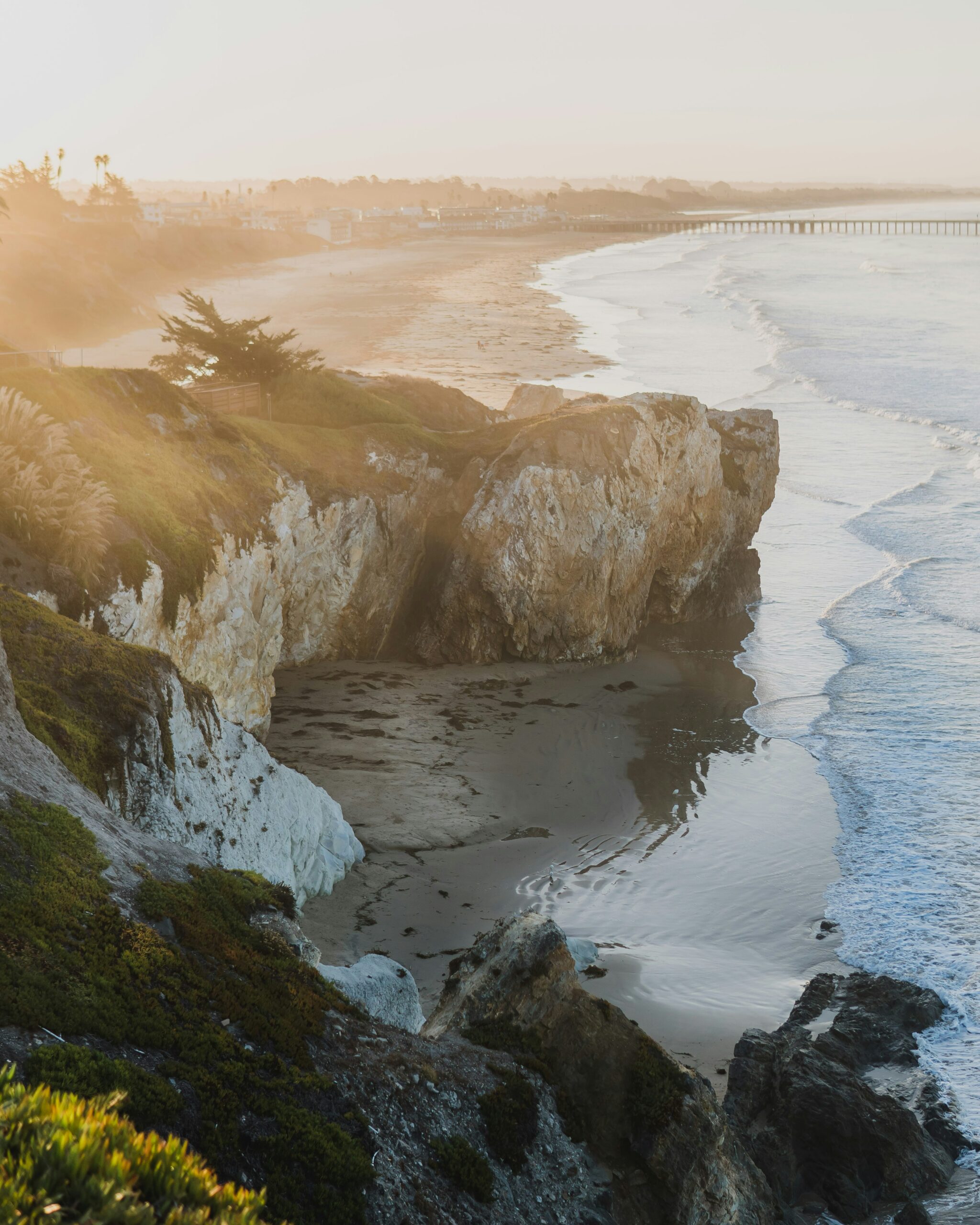
Pismo Beach is my go-to for classic beach town activities. I walk the pier, watch for monarch butterflies in the eucalyptus groves during their winter clustering season, and eat clam chowder at the waterfront restaurants.
Avila Beach gives me a quieter alternative just a few miles south. The smaller beach and laid-back promenade lined with shops always feel like a nice change of pace.
Cambria is where I end most of my Central Coast trips. The town's Main Street has art galleries and restaurants, but honestly, I go mainly for Hearst Castle—the hilltop estate a few miles north that's worth touring for its wild architecture and coastline views.
High Country and National Park Escapes
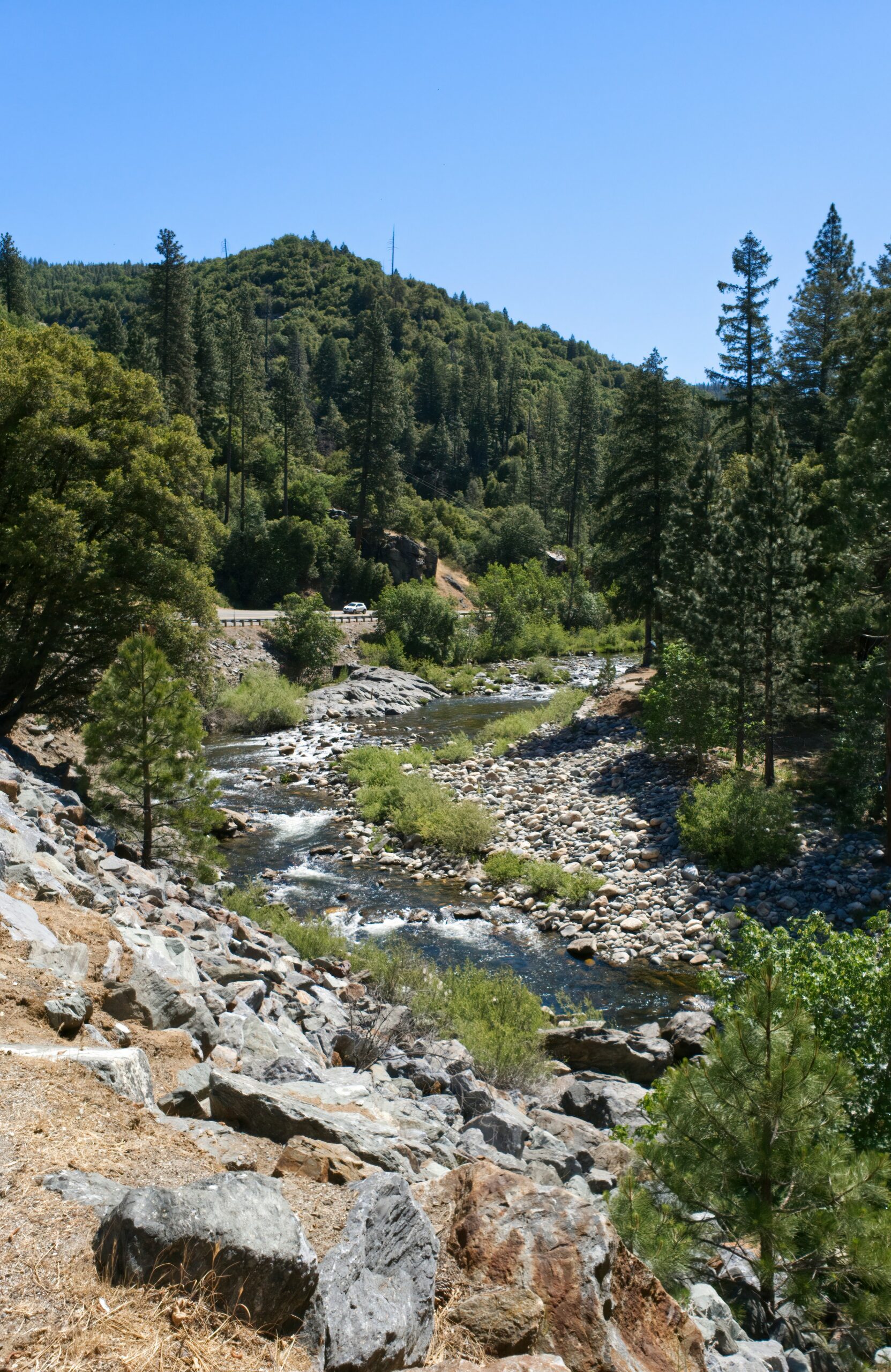
When late summer hits and the valley heat gets old, I send travelers toward higher elevation. Cooler air, granite peaks, alpine lakes, and quieter historic towns make the mountains my top pick for an August or September trip.
Yosemite Valley and Glacier Point
I never skip Yosemite when I want dramatic scenery without a long flight. Half Dome dominates the valley skyline, and I always stop at Glacier Point for the wide view over the granite walls and waterfalls below.
By late summer, the waterfalls slow down. The hiking trails stay open, and the crowds thin a bit compared to July.
Driving out to Tenaya Lake for a swim break is something I look forward to, even if the water is freezing. The granite shoreline just makes it worth the stop.
If you want to attempt the cables on Half Dome, book a permit early—those spots go fast, even into September.
South Lake Tahoe and Emerald Bay
I keep coming back to South Lake Tahoe because it balances a resort feel with real outdoor access. Emerald Bay is the spot I point people toward first, since the turquoise water and pine-covered cliffs make it one of the most photographed corners of the lake.
Sand Harbor on the Nevada side is my choice for a calmer beach day with clear water for swimming or paddleboarding. I also spend time boating on Lake Tahoe when the weather holds, since the water stays smooth in the early morning hours.
Heavenly's gondola gives me a fast way to get above the tree line for a lake view without a long hike. I can't really skip it if I'm in the area.
Big Bear and the Eastern Sierra
I treat Big Bear as a shorter mountain trip from Southern California, good for a weekend without a long drive. The lake stays busy with boats and fishing through late summer, and the surrounding pine forest keeps temperatures lower than the valley floor.
For a longer trip, I head further out to the Eastern Sierra, where the scenery gets more dramatic fast. Towns like Bishop and Lone Pine sit right below jagged peaks, and I use them as a base for day hikes or drives up toward alpine lakes before the fall snow arrives.
Gold Country Towns for a Quieter Retreat
When I want a slower pace, I drive into Gold Country. Grass Valley and Nevada City are my top picks here, since both towns keep their original 1800s buildings intact along walkable main streets.
I spend my time browsing local shops, eating at small cafes, and checking out old mining sites nearby. Late summer works well in this region because the heat has usually started to ease by September, and the towns stay far less crowded than the national parks a few hours away.
Desert, Island, and City Breaks
The final weeks of summer feel like the right time to trade crowded beaches for desert stillness, island quiet, or city energy. I’ve picked four escapes below, each with its own pace and setting.
Palm Springs for Pools, Design, and Mountain Views
I always tell people that Palm Springs works well in late summer if they plan around the heat. Mornings and evenings are pleasant, and pool-centered resorts make midday manageable.
The city is known for its mid-century modern architecture, and I recommend a self-guided drive through the Movie Colony and Vista Las Palmas neighborhoods to see the style up close. I also make time for the Palm Springs Aerial Tramway, which climbs to Mount San Jacinto State Park, where temperatures drop by 30 to 40 degrees compared to the valley floor.
For a broader look at desert escapes and other Southern California options within a few hours of LA, these weekend getaways from Los Angeles cover several routes worth considering.
Joshua Tree and Death Valley for Desert Landscapes
I visit Joshua Tree National Park for its boulder formations, its namesake trees, and its dark skies, which make it a strong choice for stargazing after sunset. Early morning hikes let me avoid peak heat while still covering ground.
Death Valley is a different kind of desert experience, and I only recommend it in late summer for short, well-planned visits due to extreme temperatures. Badwater Basin, the lowest point in North America at 282 feet below sea level, is one stop I always make, along with Zabriskie Point for the eroded badlands view.
I plan both trips with plenty of water and avoid midday exposure. Desert heat in August and September remains intense, even if evenings cool off a bit.
Catalina Island for a Car-Free Escape
I like Catalina Island for a weekend that feels removed from the mainland without a long flight or drive. A ferry from Long Beach or San Pedro gets me to Avalon in about an hour.
Once there, I get around by golf cart, bike, or on foot, since most visitors leave their cars behind. I spend time snorkeling in the clear coastal water, hiking the interior hills, or just walking along Avalon's harbor-front streets.
The pace is slower than a typical coastal town, and I find that appealing after a busy summer. I never mind slowing down here.
San Francisco and Los Angeles for Culture and Dining
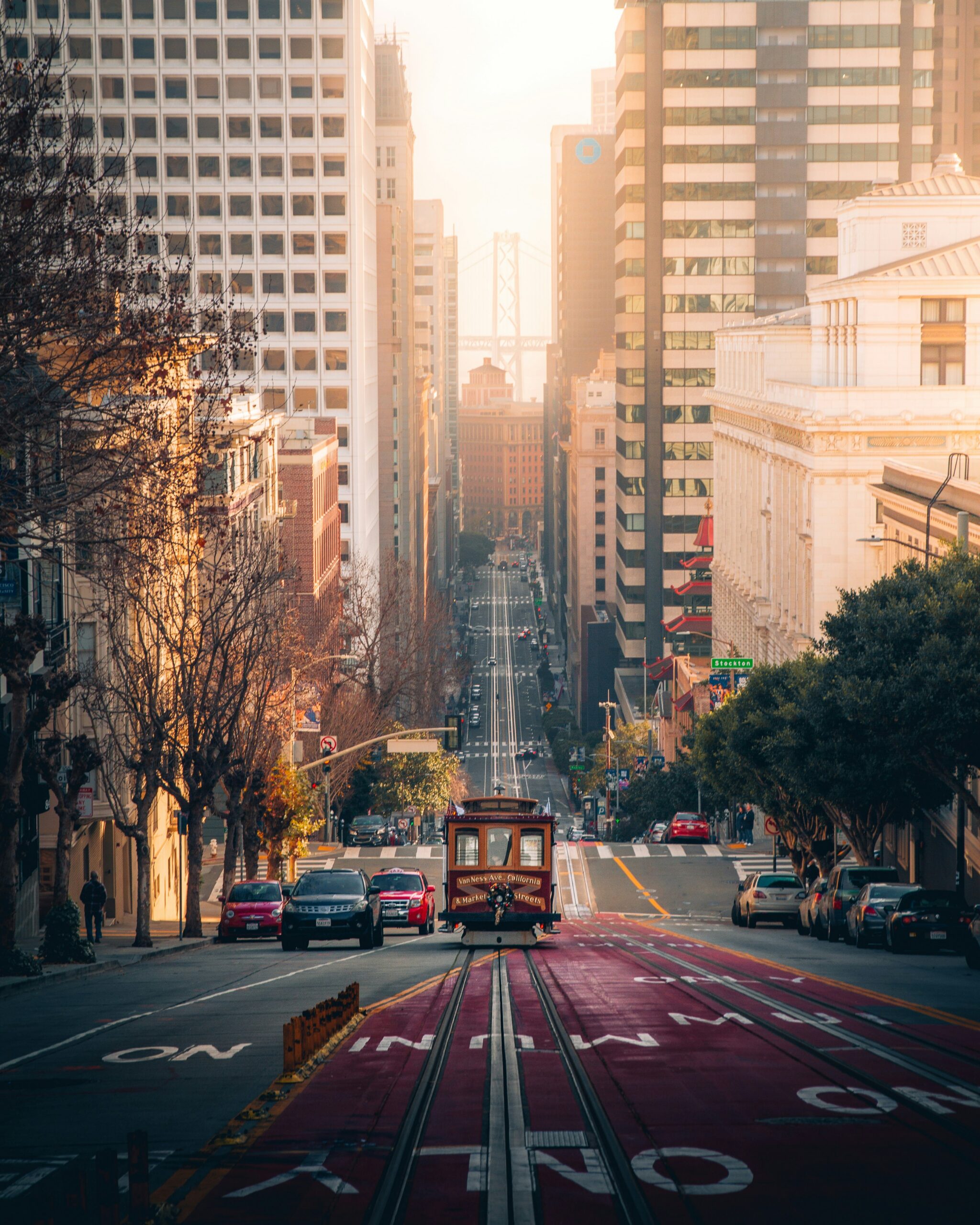
San Francisco gives me museums, gardens, and strong dining options in a compact area. I always walk or bike across the Golden Gate Bridge, tour Alcatraz, and grab food along Fisherman's Wharf before exploring neighborhoods like Chinatown and the Mission. This guide to California weekend getaways covers the city in more depth, including specific brunch spots I return to.
Los Angeles offers a different mix. I split time between Hollywood landmarks, beach towns like Santa Monica and Malibu, and drives up the coast toward Laguna Beach. For a broader set of city and coastal ideas near LA, this list of driveable getaways is a useful reference.
Build a Two- or Three-Day Itinerary
A short trip works best when I limit driving time, book key reservations early, and pack for temperature swings between fog and sun. Here's how I structure a two- or three-day California getaway so I spend more time exploring and less time backtracking.
Choose a Base Instead of Overpacking the Route
I pick one town or small coastal area as my home base rather than trying to hit five destinations in three days. This approach works well for California weekend getaways because it cuts down on packing and unpacking, and I get to know one place instead of skimming several.
For a coastal base, I look at towns along the California weekend getaways route that offer easy access to beaches, hiking trails, and a walkable downtown. From a single base, I can plan day trips of 30-60 minutes rather than multi-hour drives.
This also gives me flexibility if weather changes or I find a hidden gem worth an extra hour. I don't like feeling rushed, so this just works better for me.
Plan Scenic Drives Around Traffic and Road Conditions
Highway 1 is one of my favorite routes for a California road trip, but I always check for construction closures or seasonal restrictions before I go. Certain stretches near Big Sur have experienced landslide-related closures in past years, so I confirm current road status the week of my trip.
I aim to drive the most scenic sections of Highway 1 in the early morning or late afternoon, avoiding midday traffic near popular overlooks. If I'm short on time, I limit my drive to one direction along the coast rather than a full loop.
This keeps my itinerary realistic and leaves room for stops at beaches or viewpoints without rushing. Plans always seem to work out better when I leave space for the unexpected.
Reserve Popular Activities Before Leaving
I book kayaking tours, boating excursions, and wine tasting appointments before I leave home, especially during peak summer weekends. Popular spots along the coast and inland wine regions fill up fast, and walk-in availability is rarely guaranteed in August.
For water activities on the Pacific Ocean, I reserve kayaking or boating slots at least a week in advance, particularly near coves with limited launch permits. Wine tasting rooms in smaller wine country towns often require reservations too, even for casual afternoon visits.
I also check hiking trail permits if I'm visiting a state park, since some require day-use passes purchased online ahead of time.
Pack for Coastal Fog, Heat, and Cool Evenings
California's coast loves to keep you guessing. One minute, it's foggy and damp; the next, you're baking in the sun or shivering as the evening rolls in.
I usually throw in a light jacket for those chilly, misty mornings. Breathable clothes make hiking or beach wandering a lot more comfortable, and I never skip a warmer layer for when the ocean breeze picks up after sunset.
I've learned to always pack sunscreen and a hat, even if the sky looks gray at breakfast. That fog tends to vanish by midday, and it's way too easy to get burned.
Closed-toe shoes save my feet on rough trails, but for a lazy day on the sand, sandals are just fine. The night before, I check the marine layer forecast—sometimes obsessively—so I know what to toss in my bag for wherever I'm headed next.