Detour Across California Counties: Most Scenic Roadside Viewpoints & Quick Road Trip Ideas
California's longest highways are full of those blink-and-you-miss-it turnoffs—little side roads that suddenly open up to wild viewpoints, hidden beaches, and natural wonders you’d never spot from the main drag. Most scenic detours in California take less than five minutes but offer dramatic coastal overlooks, alpine lake views, and desert vistas that rival the state's famous destinations.

I’ve spent years poking around California’s backroads, and honestly, some of my favorite memories happened during those random, unplanned stops. Each of the state’s 58 counties hides roadside gems that most folks just zip past, never knowing what they’re missing out on.
From Highway 1 along the Big Sur coastline to Highway 395 through the Eastern Sierra, here are the quick pullouts and brief detours that can totally change the vibe of an ordinary drive. These are the stops I hit when I need to stretch, snap a photo, or just want to see something cool without blowing up my whole schedule.
Detour Across California Counties: Most Scenic Roadside Viewpoints & Quick Road Trip Ideas
How to Plan Scenic 5-Minute Detours in California
Planning these quick stops is honestly more about curiosity than logistics, but it helps to know where the good viewpoints are, how to pull over safely, and which apps actually work in the middle of nowhere. My goal? Maximum scenery, minimum detour.
Choosing the Right Routes for Quick Detours
I keep an eye out for those blue-and-white scenic overlook signs—usually means there’s a parking area just steps from the view. California's scenic drives are peppered with these official pullouts made for quick photos or a breath of fresh air.
State highways and byways are way better for detours than interstates. Highway 1, 395, and 49 are packed with ocean views, mountain lookouts, and quirky historic markers. If a road says “Scenic Byway,” I’m probably on it, since those routes are chosen for their visual punch.
County roads near national forests and state parks can have great, unmarked viewpoints. I’ll sometimes check satellite maps ahead of time, hunting for spots where the road hugs a cliff or ridgeline. Anything with a waterfall, wild rock formation, or lake view that you can see from the road is fair game for a five-minute stop.
Long walks from the car? Nope. If it’s more than a quarter-mile, I’m probably skipping it. The best stops are right off the road or within a quick stroll—sometimes those highway rest areas surprise you with a killer view, too.
Safety Tips for Short Roadside Stops
I’m always careful to get completely off the pavement into a real turnout or parking spot. Just pulling onto the shoulder is risky and honestly just stresses everyone out. I try to pick places where I can see traffic both ways before getting out.
If I end up somewhere less than ideal, I’ll flip on my flashers. No crossing traffic lanes for a photo—ever. And if I’ve got to walk along the road, I face the cars coming at me. Kids and pets? They stay close, no exceptions.
Weather can make or break these stops. If it’s foggy, icy, or pouring rain, especially on a twisty mountain road, I’ll just keep driving. No view is worth sliding off a cliff.
During busy times, I keep stops short. Some viewpoints get crowded fast, especially in summer or on weekends. Early mornings or late afternoons are usually quieter—I prefer that anyway.
Navigation Apps and Real-Time Traffic Insights
I rely on Google Maps or Waze to keep tabs on traffic and any weird detours that might pop up. If there’s a wreck or backup, a five-minute stop can turn into a half-hour mess. I don’t love surprises like that.
Cell service drops out all the time in the mountains or along the coast, so I’ll download offline maps before I leave. It’s saved me more than once, especially in those remote stretches where your phone turns into a brick.
The Roadtrippers app is pretty handy for finding interesting stuff along the way. I’ll filter for natural landmarks or viewpoints within a few miles of my route—sometimes that’s how I stumble onto the best spots.
For official road updates, CalTrans QuickMap is clutch. Live cameras and incident reports help me figure out if my chosen detour is even open, especially in winter or after storms. I always check it before heading into the mountains or along Highway 1.

Top Pacific Coast Highway and California Coast Detours
Highway 1 is just packed with coastal detours—seriously, you could stop every five minutes and never get bored. From Leggett all the way down to Dana Point, there are so many quick pullouts and side roads that’ll make you want to linger.
Iconic Viewpoints from Leggett to Dana Point
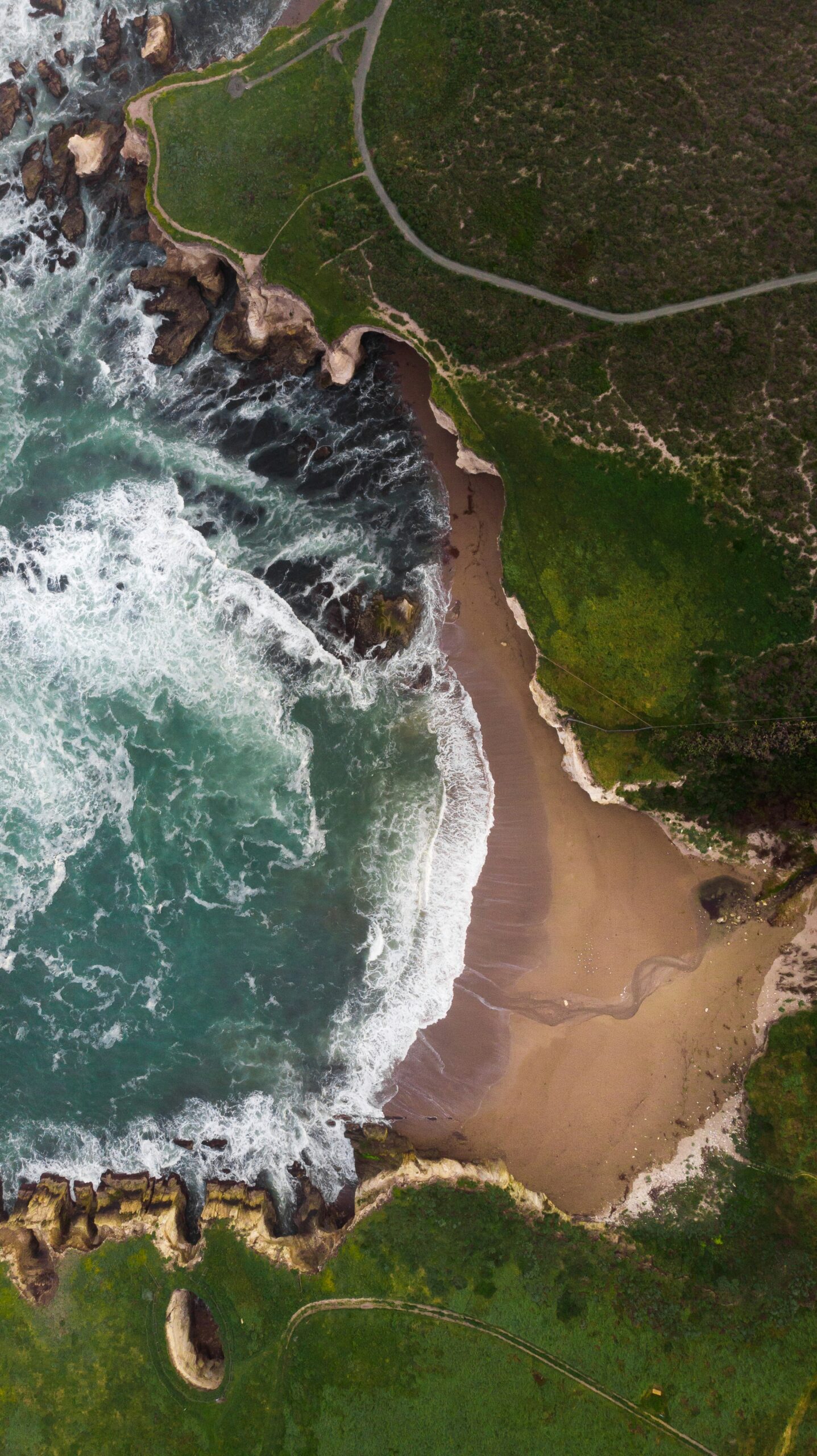
The full Pacific Coast Highway stretch from Dana Point to Leggett is about 655 miles, and it feels like there’s a new viewpoint every time you blink. Up near Leggett in Mendocino County, the highway leaves the redwoods and suddenly you’re on coastal cliffs. I always hit the pullout at Westport-Union Landing State Beach—it’s perfect for ocean views and, if you’re lucky, whale-watching in winter and spring.
Heading south, Point Arena Lighthouse is a bit off Highway 1—maybe a 10-minute detour—but worth it. The lighthouse is perched right on the edge, and you get these epic 360-degree views. Fun fact: it’s the closest point to Hawaii in California.
Bodega Bay (north of San Francisco) has quick harbor stops where you can watch fishing boats come and go. The headlands have that classic, rugged coastline you see in old movies—Hitchcock filmed “The Birds” here, if you’re into that.
Just south of the Golden Gate, Pacifica’s Devil's Slide Trail is a paved walk along the old highway, hanging right above the ocean. Half Moon Bay is great for a fast beach stop at Francis Beach—tide pools, harbor views, and if you’re hungry, some solid seafood spots nearby.
Between Santa Cruz and Monterey, Natural Bridges State Beach has those wild rock arches. Further down, Pigeon Point Lighthouse is a classic—tall, dramatic, and there’s a hostel and tidepools if you want to poke around.
Must-See Spots Around Big Sur and Bixby Bridge
Big Sur is just ridiculous—90 miles of jaw-dropping views. Bixby Bridge (mile marker 13) is the spot everyone wants their photo at. I park at the north end and walk out for that straight-down view into Bixby Creek Canyon. It’s a little nerve-wracking, honestly, but worth it.
McWay Falls at Julia Pfeiffer Burns State Park is a short, paved walk to a waterfall that drops right onto the beach—one of the most photographed spots in California, for good reason.
I never skip Pfeiffer Beach, even though finding the turnoff (Sycamore Canyon Road) is a little tricky. The sand has this weird purple tint, and the Keyhole Arch lights up at sunset in winter. It’s a narrow drive and costs $15, but totally worth it if you have the time.
Garrapata State Park (north of Big Sur) has a few pullouts with trails down to a wild, rocky beach. There’s usually space to park, and the tide pools are fun if you time it right.
Quick Stops in Santa Cruz, Malibu, and Santa Barbara
Santa Cruz is all about that classic beach town vibe. Natural Bridges State Beach has tide pools and, if you visit in the right season, monarch butterflies everywhere. The Santa Cruz Beach Boardwalk is pure nostalgia—wooden roller coasters and carnival snacks.
West Cliff Drive is a three-mile stretch with bike paths, a lighthouse, and surfer viewpoints. I usually park once and walk—it’s less hassle than trying to stop every few blocks.
Malibu’s Point Dume State Beach is a quick climb for a sweeping view of the coastline and, on clear days, the Channel Islands. El Matador State Beach is tucked away with sea caves and dramatic rocks—just be ready for steep stairs and full parking lots if you’re not there early.
In Santa Barbara, Stearns Wharf juts out into the harbor, lined with restaurants and shops. Butterfly Beach in Montecito is low-key but sometimes you’ll spot a celebrity. The Santa Barbara County Courthouse has a free tower with some of the best views in town—red roofs, palm trees, and the Pacific in the distance.
Secret Beaches and Unique Coastal Landmarks
Point Lobos State Natural Reserve near Carmel-by-the-Sea is packed with crazy coastal scenery—weathered cypress trees, granite cliffs, and barking sea lions. Honestly, you could spend an hour here, but even a quick walk on the Cypress Grove Trail is worth it.
Carmel Beach is all white sand and cypress trees—sunsets are unreal. I like to wander north to the rocky tide pools if the timing’s right.
In Pacific Grove, Lovers Point Park is a sweet spot for a picnic or a quick swim in a sheltered cove. The 17-Mile Drive (through Pebble Beach) costs $11.25, but you get a look at coastal mansions, golf courses, and the famous Lone Cypress.
South of Big Sur, Sand Dollar Beach is the longest sandy stretch around and easier to get to than some others. Salmon Creek Falls is right off Highway 1—park in the dirt pullout and you’re at the falls in about a minute.
Near Pismo Beach, the Monarch Butterfly Grove is packed with butterflies October through February. It’s right off the highway, and rangers sometimes give free talks about the migration—pretty cool if you’ve never seen it.

Quick Roadside Viewpoints and Attractions by Region
California’s coastline is wild and varied—steep cliffs, sleepy towns, and seafood shacks all within minutes of the highway. These quick detours are perfect if you want to see something new without turning your road trip into an all-day affair.
Northern Coast: Mendocino to Bodega Bay
Up north, the coast is all rugged bluffs and tiny fishing towns—great for quick pit stops. Mendocino Headlands State Park is a favorite; you can park close and wander to ocean views in no time.
Point Arena’s lighthouse is dramatic, and Mendocino’s old Victorian houses are basically made for Instagram.
Bodega Bay is a solid spot for scenery and a snack. Bodega Head is a short drive up for whale watching, and Spud Point Crab Company is right there for a fresh crab sandwich with a harbor view. You barely have to leave the main road for any of it.
Central Coast: Monterey and Pismo Beach
Monterey delivers numerous scenic viewpoints along its coastal route. Point Lobos State Natural Reserve sits just south of Carmel and offers parking areas with immediate ocean access. I find the cypress groves and turquoise coves visible from roadside pullouts.
Pismo Beach provides easy beach access with multiple parking areas along the pier. The downtown area concentrates shops and restaurants within walking distance of oceanfront viewpoints. I can stop for clam chowder or just watch surfers from benches overlooking the water.
Big Sur offers dramatic coastal scenery with plenty of turnouts. McWay Falls becomes visible from a short trail at Julia Pfeiffer Burns State Park, requiring only ten minutes total from parking to viewpoint and back.
Southern California: Huntington Beach to San Diego
Huntington Beach features the iconic pier with adjacent parking structures for quick beach visits. I can walk onto the pier for 360-degree ocean views or grab food from nearby vendors.
San Clemente presents Spanish Colonial architecture and beach access through various stairways along the bluffs. The pier area concentrates roadside attractions within a compact zone.
San Diego's coastline includes La Jolla Cove with parking directly adjacent to seal-viewing areas. Sunset Cliffs Natural Park provides multiple pullouts where I can park and view the ocean within steps. The tide pools at Cabrillo National Monument require minimal walking from designated parking areas.

Sierra Nevada & Eastern California's Scenic Detours
The Eastern Sierra along Highway 395 delivers dramatic mountain vistas and high-desert landscapes with minimal effort required. Quick pulloffs near Mono Lake and alpine viewpoints between Lone Pine and Mammoth Lakes offer immediate visual rewards.
Highway 395: Lone Pine to Lake Tahoe
Highway 395 runs along the eastern flank of the Sierra Nevada, providing a 250-mile stretch of continuously impressive scenery. I've found that the section from Lone Pine northward offers the most dramatic views because the mountains rise abruptly from the valley floor with no foothills to soften the impact.
The Alabama Hills near Lone Pine create an instant detour opportunity. A 5-minute turn off the highway puts you among rust-colored boulders with Mount Whitney towering 10,000 feet above. Movie Road through the Alabama Hills takes about 10 minutes to drive and passes several filming locations from classic westerns.
North of Lone Pine, the divided highway between Lone Pine and Bridgeport features minimal traffic and multiple scenic pullouts. I stop at the roadside viewpoint near Big Pine where the entire Palisade Glacier comes into view. Another quick stop near Bishop reveals the volcanic tablelands stretching eastward.
Near Mammoth Lakes, the turnoff to Convict Lake takes 5 minutes and leads to one of the most photogenic alpine lakes in California. The lake sits in a dramatic glacial basin with sheer granite walls rising on all sides.
5-Minute Side Trips near Yosemite and Mono Lake
The South Tufa area at Mono Lake requires only a 5-minute drive from Highway 395 near Lee Vining. These limestone formations rising from the alkaline water create an otherworldly landscape. I walk the short boardwalk trail in under 15 minutes for close-up views of the tufa towers.
Tioga Pass Road connects Highway 395 to Yosemite National Park when open from June through November. Just inside the eastern entrance, Ellery Lake appears immediately with crystal-clear water reflecting the surrounding peaks. The pullout takes seconds to access.
Quick Mono Basin Stops:
- Panum Crater: 10-minute drive from 395, short trail to volcanic crater rim
- Navy Beach: Direct lake access with tufa formations visible from shore
- Mono Lake County Park: Boardwalk viewing area, no hiking required
The ghost town of Bodie sits 13 miles from Highway 395 on a maintained dirt road. While the full drive takes 30 minutes, the final approach offers sweeping views across Bodie Bluff worth a brief photo stop.
Alpine Lakes and Mountain Road Viewpoints
The Ancient Bristlecone Pine Forest near Big Pine requires a 23-mile drive up into the White Mountains, but roadside viewpoints appear within the first 10 minutes. These pullouts face directly toward the Sierra Nevada crest across the Owens Valley.
Rock Creek Road near Mammoth Lakes climbs to several alpine lakes within minutes of the highway. I prefer the lower viewpoints where Rock Creek Lake comes into view after just a 5-minute drive. The road continues higher to more lakes, but the initial lake appears quickly.
Devils Postpile National Monument sits 15 minutes from Mammoth Lakes via shuttle in summer. The hexagonal basalt columns require only a short walk from the bus stop. Rainbow Falls adds another 10 minutes of walking downstream if time allows.
Eastern Sierra Lake Access Times from Highway 395:
| Lake | Drive Time | Features |
|---|---|---|
| Convict Lake | 3 minutes | Glacial basin, mountain reflections |
| June Lake | 5 minutes | Loop road with multiple lake views |
| Lake Sabrina | 18 minutes | High alpine setting, trailhead access |
| South Lake | 20 minutes | Bishop Creek drainage, multiple lakes nearby |
Near Bridgeport, the scenic byway continues north with turnouts revealing the Sawtooth Range. Twin Lakes Road branches west after a 5-minute detour, leading to a reservoir backed by dramatic granite spires. I find the view from the dam particularly striking and easily accessible from the parking area.

Unique Road Trip Ideas and Offbeat Stops
California's backroads lead to peculiar landscapes and unexpected discoveries that most travelers miss. From metal sculptures rising from desert sand to coastline art installations and geothermal wonders, these detours reward curiosity with memorable experiences.
Desert Routes: Palm Springs and Joshua Tree National Park
The drive between Palm Springs and Joshua Tree National Park offers striking contrasts within a short distance. I recommend taking Pinto Basin Road through the park's less-visited southern section, where the transition between the Mojave and Colorado deserts creates unique plant communities.
Just outside the park boundary, the Anza-Borrego desert features massive metal sculptures scattered around Borrego Springs, including dinosaurs and dragons that emerge from the landscape. These installations create an outdoor museum accessible by car.
Further north, the Trona Pinnacles present otherworldly tufa formations that tower above the desert floor. These ancient spires formed underwater millions of years ago and now stand as ghostly reminders of California's geological past.
The Salton Sea area provides another unconventional stop, where Bombay Beach showcases colorful art installationsagainst a backdrop of desert meeting water. This surreal location combines natural oddities with human creativity in ways few other California destinations match.
Seasonal Wildlife and Nature Detours
Carrizo Plain National Monument transforms each spring when wildflowers blanket the golden hills. I find this quiet grassland offers ancient petroglyphs and tule elk sightings without the crowds found at more popular destinations.
Monarch butterflies cluster along California's coast during winter migration. Pacific Grove, Pismo Beach, and several Santa Barbara County locations host thousands of butterflies from October through February. These viewing spots require only brief stops to witness one of nature's remarkable gatherings.
The Eastern Sierra corridor supports diverse wildlife year-round. Mono Lake's ghostly tufa towers and alkaline waters attract migratory birds in massive numbers, particularly during spring and fall migrations. The lake's unique ecosystem creates habitat found nowhere else in California.
Elkhorn Slough near Monterey lets visitors observe sea otters, harbor seals, and numerous bird species within a protected estuary. Quick kayak trips or boat tours provide close encounters with marine mammals in their natural environment.
Redwoods and North State Forest Drives
The Avenue of the Giants in Humboldt County winds through ancient redwood groves that tower overhead. I consider this 31-mile stretch one of California's most accessible old-growth forest experiences, with numerous pullouts for short walks among the giants.
Lava Beds National Monument near the Oregon border contains miles of underground lava tubes to explore. This volcanic landscape requires flashlights and sturdy footwear but rewards adventurers with geological features unlike anything found in SoCal or coastal regions.
Mount Shasta draws visitors to its volcanic slopes and surrounding wilderness. The nearby McCloud Falls provides three distinct waterfalls within a short drive, offering cooling relief after mountain exploration. Both locations showcase Northern California's dramatic terrain.
Lassen Volcanic National Park combines geothermal features with alpine scenery. Steaming fumaroles, boiling springs, and clear mountain lakes concentrate in one accessible park that rivals better-known destinations for geological diversity.
Historic Landmarks and Photogenic Stops
The Santa Barbara County Courthouse stands out as an architectural gem with Spanish-Moorish design. Free admission and an observation tower provide views across the city and coastline. I recommend spending 20-30 minutes exploring the hand-painted ceilings and tiled corridors.
Fort Bragg's Glass Beach demonstrates nature's ability to transform human debris into beauty. Decades of wave action smoothed broken glass into colorful pebbles that sparkle along the shore. This former dump site now attracts photographers and collectors.
Point Arena-Stornetta Public Lands along the Mendocino Coast feature dramatic sea arches and ocean bluffs. These protected lands offer stunning coastal views without Big Sur's traffic congestion.
Alabama Hills outside Lone Pine creates a stark contrast between rounded rock formations and the sharp Sierra Nevada peaks behind them. This location served as backdrop for countless Western films and continues attracting photographers chasing sunrise and sunset light. The short drive from Highway 395 makes it an easy addition between Los Angeles and points north.

Tips for Maximizing Short Scenic Detours
Planning ahead and knowing what to bring transforms a quick pullover into a memorable experience. The right timing and a few essentials make all the difference when exploring California's scenic drives and quick roadside stops.
Packing and Timing for Fast Roadside Exploration
I always keep a car kit stashed for those unplanned stops. My go-tos: a light jacket, shoes I can actually walk in, sunscreen, and a water bottle that isn’t destined for the trash.
Binoculars? Absolutely worth the glove compartment space, especially at coastal pullouts. I cram in a mini first aid kit and hand sanitizer too—never know what you’ll touch out there.
Optimal timing windows:
- Early morning (6-9 AM): fewer people, more critters, and the light’s just better
- Golden hour (one hour before sunset): that dramatic, glowy light and it’s finally not blazing hot
- Weekdays: honestly, weekends are a zoo at the best spots
Midday? Nope. Between 11 and 2, sunlight’s harsh, the crowds are thick, and parking’s a headache. For coast trips, I’ll peek at tide charts—low tide’s when tide pools and wide beaches actually show up.
A portable phone charger lives in my kit now. I’ve definitely lost out on great shots because my battery tanked at the worst time.
Photography Tips for Viewpoints on the Go
I shoot bursts instead of single frames—way easier to grab a keeper before the moment’s gone. My phone’s in landscape for most views, but I’ll crouch down to get those more dramatic, sweeping shots.
Quick composition techniques:
- Foreground: wildflowers, rocks, whatever’s handy—makes the shot pop
- Keep the horizon high or low, never dead center (seriously, it’s just better)
- Go vertical for waterfalls and tall trees—horizontal just doesn’t do them justice
- People in the frame give those big landscapes some scale
I try to remember to wipe my lens before shooting—smudges have ruined too many good photos.
For moving stuff like waves or birds, burst mode’s a lifesaver. I’ll move around too, not just shoot from where I hopped out—sometimes the best angle’s a few steps away.
Where to Find Food, Restrooms, and Local Flavors
I usually map out facilities before heading out—lots of California scenic routes go for miles without much in the way of services. State parks tend to have decent restrooms, and highway rest stops pop up every 30-50 miles or so on the bigger roads, but don’t expect much beyond the basics.
Honestly, the food in small towns near the good viewpoints is almost always better than anything you’ll get at a chain. I’m always on the lookout for taco trucks, farm stands, or a local bakery within five miles of wherever I plan to pull over.
Reliable facility locations:
- Visitor centers at state and national parks
- Gas stations in small towns (they’re usually cleaner than the ones at highway stops)
- Wineries and breweries if you’re cruising through wine country
- Beach parking lots with public restrooms
I keep wet wipes and tissues on hand, just in case. A lot of the more remote viewpoints have nothing at all, so I try to hit a bathroom in the last town before driving into the sticks.
Farmers markets and roadside fruit stands are clutch for fresh snacks. I usually toss a cooler in the trunk to stash anything perishable I pick up during morning stops.