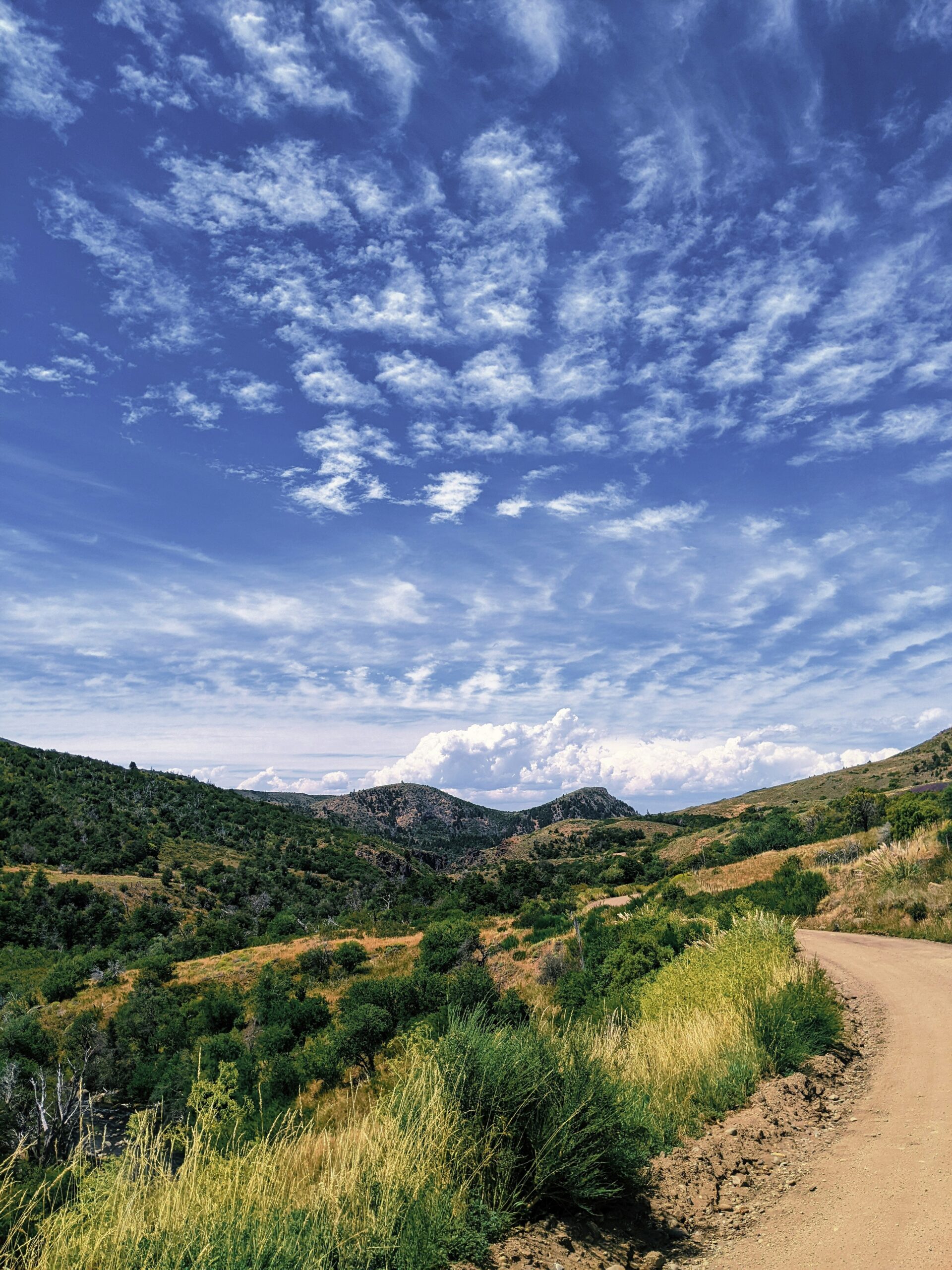
Sierra Nevada August Sunset: Ultimate Sierras Sunset Photography Guide
August transforms the Sierra Nevada into a photographer's paradise, where the combination of clear skies, dramatic mountain silhouettes, and extended daylight hours creates ideal conditions for capturing spectacular sunsets. The month offers some of the most reliable weather patterns of the year, with minimal cloud cover that allows the sun's warm hues to paint the granite peaks in brilliant oranges and deep purples.

The Sierra Nevada's August sunsets provide photographers with the perfect balance of accessibility and dramatic lighting, as warmer temperatures make high-altitude locations more reachable while the golden hour creates magical conditions for capturing the range's towering peaks. Professional and amateur photographers alike find this season particularly rewarding, as the stable weather patterns reduce the unpredictability that can plague mountain photography during other months.
Understanding the technical aspects of sunset photography in this alpine environment, combined with knowledge of prime viewing locations and proper timing, can elevate ordinary landscape shots into extraordinary works of art. The key lies in preparation, patience, and recognizing how the Sierra's unique geography interacts with late summer light conditions.
Sierra Nevada August Sunset: Ultimate Sierras Sunset Photography Guide
Sierra Nevada August Sunset Essentials
August delivers the Sierra Nevada's most reliable sunset conditions with stable weather patterns and extended daylight hours. The month offers photographers optimal lighting angles and minimal atmospheric interference for capturing the mountain range's dramatic evening displays.
When and Why August Is Sunset Season in the Sierras
August provides the Sierra Nevada mountain range with its longest stretch of clear evening skies. High-pressure systems dominate the region during this month, pushing away the marine layer that often obscures coastal mountain views.
The sun sets between 7:45 PM and 8:15 PM throughout August in the Sierra Nevada. This timing allows photographers to reach remote locations after work while maintaining enough light for setup and composition.
Peak Sunset Conditions:
- First two weeks of August: Latest sunset times
- Mid-August: Most stable weather patterns
- Late August: Optimal temperature balance
Monsoon activity typically stays south of the Sierra Nevada mountain range during August. This weather pattern creates consistently dry conditions that eliminate the haze and humidity found in other summer months.
The Eastern Sierra locations receive optimal morning light, but August evenings provide equally dramatic western-facing perspectives. Ridge lines and granite formations catch the last light with exceptional clarity during this period.
Unique Lighting and Colors of August Sunsets
August sunsets in the Sierra Nevada produce distinct color temperatures ranging from 2,200K to 3,500K. The dry atmosphere creates intense oranges and deep purples that contrast sharply against granite peaks and alpine lakes.
Color Progression Timeline:
- Golden Hour (45 minutes before sunset): Warm yellows illuminate east-facing slopes
- Magic Hour (30 minutes before): Deep oranges saturate the landscape
- Alpenglow (15 minutes after): Pink and purple hues reflect off snow-capped summits
The Sierra Nevada's high elevation reduces atmospheric particles that typically scatter blue light. This results in more saturated warm tones and longer-lasting color displays compared to lower elevation ranges.
Granite formations unique to this mountain range create natural reflectors that bounce warm light into shadowed valleys. Lakes and streams amplify these effects by mirroring the sky's colors across the landscapes.
Wildfire smoke occasionally adds dramatic red filters to August sunsets. While not ideal for every photograph, controlled amounts of distant smoke can create otherworldly color combinations across the Sierra Nevada.
How Weather Impacts Sunset Conditions
August weather patterns in the Sierra Nevada follow predictable cycles that directly influence sunset quality. Morning temperatures typically range from 45°F to 65°F, rising to 75°F to 85°F by evening at higher elevations.
Weather Factor Impact:
| Condition | Effect on Sunset | Photography Advantage |
|---|---|---|
| Clear skies | Intense direct light | Sharp mountain silhouettes |
| High thin clouds | Diffused color spread | Even landscape illumination |
| Afternoon thunderstorms | Dramatic cloud formations | Dynamic sky compositions |
Wind patterns remain light during August evenings in the Sierra Nevada mountain range. Calm conditions create mirror-like reflections on alpine lakes and prevent camera shake during longer exposures.
Humidity levels stay below 30% throughout most August days. This dry air enhances visibility across distant ridgelines and prevents the atmospheric haze that reduces contrast in sunset photographs.
Temperature inversions occur regularly in Sierra Nevada valleys during August nights. These create distinct layers of air that can produce unusual lighting effects and enhance the separation between foreground landscapes and background peaks.
Occasional afternoon thunderstorms build over the highest peaks but typically dissipate by evening. When present, these storm systems create compelling cloud formations that add drama to sunset compositions.

Best Locations for Sierras Sunset Photography
The Sierra Nevada offers photographers exceptional sunset opportunities across diverse terrains and elevations. From Yosemite's iconic granite formations to Lake Tahoe's alpine waters, each location provides unique lighting conditions and compositional elements for capturing the region's golden hour magic.
Top Spots in Yosemite for Golden Hour Views
Tuolumne Meadows stands as one of the most accessible sunset locations within Yosemite proper. Located along Tioga Road, this expansive meadow provides photographers with flowing streams and distant peaks as foreground elements.
The best Sierra sunset photography locations include areas where golden sunbursts appear just as the sun dips below the horizon. Tuolumne River's pools create natural leading lines toward the setting sun.
Glacier Point offers elevated views of Half Dome and Yosemite Valley during sunset hours. The granite formations create dramatic silhouettes against colorful evening skies.
Olmsted Point provides a different perspective of Half Dome's backside. This location works particularly well when clouds appear in spring months, typically around April when conditions balance cloud coverage with clear visibility.
Capturing Sunsets at Lake Tahoe
Lake Tahoe's west shore delivers consistent sunset photography opportunities throughout August. The lake's surface acts as a natural reflector, doubling the visual impact of evening colors.
Emerald Bay ranks among the most photographed sunset locations at Lake Tahoe. The bay's unique shape and Fannette Island create compelling foreground elements. Photographers can position themselves along Highway 89 for elevated perspectives.
Sand Harbor on the east shore offers granite boulder formations that complement sunset reflections on the water. These natural sculptures provide interesting compositional elements during the golden hour.
Kings Beach and Crystal Bay feature wide sandy areas that allow photographers to capture expansive sunset views across the lake's full width.
Scenic Overlooks Along the Sierra Nevada Mountain Range
The Eastern Sierra region provides numerous elevated vantage points for sunset photography. These locations offer expansive views of the mountain range's dramatic landscape changes.
Minaret Vista near Mammoth Lakes showcases the Ansel Adams Wilderness peaks during sunset hours. This overlook provides unobstructed views of jagged mountain silhouettes.
Conway Summit along Highway 395 offers photographers views of Mono Lake and the surrounding volcanic landscape. The high elevation provides clear atmospheric conditions for distant mountain photography.
Priest Grade Road near Groveland features steep terrain with views across Don Pedro Lake. The Jacksonville Road bridge area works well for long exposure techniques when traffic subsides.
Tioga Pass at 9,943 feet elevation delivers alpine sunset conditions with scattered lakes and granite formations extending toward the horizon.

Techniques and Tips for Photographing Sierra Nevada Sunsets
Successful Sierra Nevada sunset photography requires specific gear choices, precise camera settings, and strategic composition techniques. The region's dramatic elevation changes and alpine conditions demand careful attention to lighting management and specialized post-processing approaches.
Choosing the Right Gear and Camera Settings
Sierra Nevada photographers need sturdy tripods to handle mountain winds and uneven terrain. A robust carbon fiber tripod provides stability while remaining lightweight for hiking to remote locations.
Wide-angle lenses between 14-24mm capture expansive mountain vistas effectively. Telephoto lenses around 70-200mm compress distant peaks and create dramatic silhouettes against colorful skies.
Essential Camera Settings:
- ISO: 100-400 for clean images
- Aperture: f/8-f/11 for sharp foreground and background
- Shutter Speed: 1/60s or faster to prevent camera shake
- Shooting Mode: Manual or Aperture Priority
Graduated neutral density filters balance exposure between bright skies and darker foregrounds. A 3-stop GND filter typically works well for most Sierra Nevada sunset conditions.
Camera settings for sunset photography require adjustments as light changes rapidly. Photographers should bracket exposures to capture the full dynamic range of mountain sunsets.
Composition Strategies for Striking Sunset Photographs
Leading lines from ridgelines and valley floors guide viewers toward the setting sun. Rock formations and tree silhouettes create strong foreground elements that add depth to sunset photographs.
The rule of thirds places the horizon line in the lower third when dramatic skies dominate. Conversely, positioning the horizon higher emphasizes interesting foreground landscapes.
Key Composition Elements:
- Granite peaks as natural frames
- Alpine lakes for reflections
- Ancient bristlecone pines as silhouettes
- Snow-covered ridges for contrast
Photographers should arrive early to scout compositions before golden hour begins. Multiple vantage points allow for different perspectives as lighting conditions change throughout the sunset sequence.
Finding the perfect sunset location involves understanding how the sun's position changes with elevation and terrain features unique to the Sierra Nevada range.
Managing Changing Light and Shadow in the Sierras
Sierra Nevada sunsets progress through distinct lighting phases requiring different exposure approaches. The initial golden hour provides warm, even illumination across mountain faces and valleys.
Lighting Phases:
- Golden Hour: Warm light, moderate contrast
- Magic Hour: Intense colors, high contrast
- Blue Hour: Cool tones, minimal contrast
Shadow management becomes critical as the sun drops behind peaks. Photographers must decide whether to expose for highlights or shadows based on their creative vision.
Spot metering on the brightest part of the sky prevents overexposure of colorful sunset clouds. Matrix metering works better when foreground detail is essential to the composition.
Capturing the rapidly changing light conditions requires constant attention to histogram readings and highlight warnings on camera displays.
High-altitude locations experience faster light transitions than lower elevations. Photographers have shorter windows to capture optimal lighting conditions.
Post-Processing for Sunset Images
Sierra Nevada sunset photographs benefit from careful highlight and shadow adjustments. Raw files capture more dynamic range than JPEGs, allowing greater flexibility in post-processing.
Essential Adjustments:
- Highlights: -50 to -100
- Shadows: +30 to +70
- Vibrance: +20 to +40
- Clarity: +10 to +25
Graduated filters in post-processing software replicate the effect of physical ND filters. These digital tools help balance exposure between sky and landscape elements.
Color grading enhances the natural warm tones of Sierra Nevada sunsets. Photographers should avoid oversaturating images, maintaining realistic color rendition of granite and alpine vegetation.
Luminosity masking allows precise control over specific brightness ranges. This technique helps photographers enhance sunset colors without affecting neutral mountain tones.
Local adjustments using radial filters can emphasize the sun's position and create subtle vignetting effects that draw attention to the main subject.

3-Day Sierra Nevada Sunset Road Trip Itinerary
Day 1 – Yosemite High Country
- Tuolumne Meadows – Golden hour lights up the alpine meadows and domes.
- Olmsted Point – Incredible sunset over Half Dome with granite foregrounds.
- Overnight: Yosemite/Tioga Pass area.
Day 2 – Tahoe’s East Shore
- Morning: Scenic drive over Tioga Pass with mountain vistas.
- Emerald Bay – Vibrant reflections during late afternoon light.
- Sand Harbor – Sunset over turquoise waters and rocky coves.
- Overnight: Incline Village or Kings Beach.
Day 3 – Tahoe’s North Shore & Back
- Kings Beach & Crystal Bay – Early evening glow on the shoreline.
- Return via Tioga Pass for one last alpenglow moment.
Pro Tip: Bring a tripod for low-light shots and layer up—August nights can get chilly.
Download and print our 3-Day Sierra Nevada Sunset Road Trip Itinerary here!

Frequently Asked Questions
August presents ideal conditions for sunset photography in the Sierra Nevada, with clear skies and optimal lighting between 7:30-8:00 PM. Professional results require specific camera settings, strategic location selection, and proper safety preparation for high-altitude mountain environments.
What are the optimal times for photographing sunsets in the Sierra Nevada during August?
The golden hour for Sierra Nevada sunset photography in August typically begins around 7:30 PM and extends until approximately 8:15 PM. This timing provides the most dramatic lighting conditions as the sun descends behind the mountain peaks.
August offers particularly favorable conditions due to minimal cloud cover and stable weather patterns. Photographers should arrive at their chosen location at least 30 minutes before sunset to set up equipment and compose shots.
The sweet spot finally arrives around April, in the spring when just the right amount of clouds appear in the sky, but August provides more predictable clear conditions for consistent results. Late summer timing allows for easier access to higher elevation viewpoints before darkness falls.
Which locations in the Sierra Nevada offer the best views for sunset photography?
Elevated viewpoints at 2,500 meters provide exceptional perspectives for capturing Sierra Nevada sunsets. The highest point on the Iberian Peninsula offers hiking trips from Granada with dramatic mountain vistas.
Alpine lakes serve as natural reflectors, doubling the visual impact of sunset colors in photographs. These water features create mirror-like surfaces that enhance the overall composition.
Ridge lines and exposed granite formations offer unobstructed western views essential for sunset photography. Photographers should scout locations during daylight hours to identify the most promising vantage points.
What camera settings are recommended for capturing the vibrant colors of a Sierra Nevada sunset?
Manual exposure mode provides the greatest control over sunset photography in challenging mountain lighting conditions. ISO settings between 100-400 maintain image quality while reducing digital noise in shadow areas.
Aperture settings of f/8 to f/11 ensure sharp focus across the entire landscape while maintaining adequate depth of field. Shutter speeds typically range from 1/60 to 1/250 second depending on wind conditions and desired effects.
Bracketing exposures captures the full dynamic range of sunset lighting. Taking multiple shots at different exposure values allows for HDR processing or selective blending of the best elements from each frame.
Are there any specific weather conditions that enhance the sunset photography experience in the Sierra Nevada?
Partial cloud cover creates the most dramatic sunset photography conditions by providing texture and reflecting vibrant colors across the sky. High cirrus clouds often produce spectacular color displays without obscuring the sun completely.
Clear atmospheric conditions following weather fronts offer exceptional visibility and color saturation. These post-storm periods frequently produce some of the most memorable sunset photography opportunities.
Light winds help maintain camera stability while preventing excessive movement in foreground vegetation. Calm conditions also preserve the mirror-like quality of alpine lakes used as compositional elements.
Can you suggest any techniques for reducing glare and enhancing shadows when photographing sunsets in the mountains?
Polarizing filters significantly reduce glare from reflective surfaces like water and wet granite while enhancing sky contrast. These filters work most effectively when positioned at 90-degree angles to the sun's position.
Graduated neutral density filters balance exposure between bright sky areas and darker foreground elements. These filters prevent overexposure in highlight areas while maintaining detail in shadow regions.
Strategic positioning behind natural features like rocks or trees provides shade for equipment while reducing lens flare. This technique also adds compositional depth through foreground framing elements.
What safety precautions should photographers take when shooting during sunset in the remote areas of the Sierra Nevada?
Headlamps and backup lighting become essential as darkness falls quickly in mountain environments. Photographers should carry multiple light sources and fresh batteries for the descent back to vehicles or base camps.
Trail markers and GPS devices help maintain orientation in diminishing light conditions. Familiar routes become challenging to navigate once sunset transitions to complete darkness.
Emergency communication devices provide critical safety backup in remote Sierra Nevada locations. Cell phone coverage remains unreliable at high elevations, making satellite communicators valuable for emergency situations.