The Rise of Noctourism: Where Night Tourism Is Booming in California
California after dark turns into a playground for unexpected adventures and nocturnal surprises. Most folks stick to the Golden State’s daytime sights, but honestly, night tours show off a side of California you just can’t get with the sun up. Urban landmarks feel different, and wild places get, well, wilder.

The best night tours in California run the gamut—guided astronomy sessions in dark sky preserves, moonlit hikes along the coast, food tours through glowing markets, and wildlife outings where you might spot critters you’d never see at noon. Noctourism is catching on as more travelers look for what’s out there after sunset instead of just ticking off daytime attractions.
From the stargazing deserts of Joshua Tree to the buzzing streets of San Francisco at night, California keeps things interesting for just about anyone. Maybe you want to watch nocturnal animals, learn your constellations from a pro, or just wander city streets sampling tacos under neon lights. There’s a nighttime option for you, whether you’re drawn to inland nights or breezy coastal evenings.
The Rise of Noctourism: Where Night Tourism Is Booming in California
Ultimate California Night Tours: Noctourism Hotspots
The big cities and wine regions in California have their own after-dark personalities, from the bridges lighting up San Francisco Bay to beach adventures in San Diego and vineyard tastings under the moon in Sonoma. These spots have built up their night tourism game, bringing in crowds and cash, all while showing off the state’s scenery in a whole new light.
San Francisco City Lights and Bridge Night Tours
San Francisco night tours really deliver some of California’s most classic city-after-dark moments. The Golden Gate Bridge just pops after sunset—those towers glowing against the night sky? Can’t beat it.
Plenty of companies run bay cruises that swing by Alcatraz after dark. The old prison’s silhouette, plus those audio stories, set a mood you don’t get during the day. You’ll want to snag tickets early, though—these cruises book up fast when it’s busy.
Most city lights tours swing by Twin Peaks for sweeping nighttime views. The skyscrapers downtown, the Bay Bridge, and the waterfront all sparkle. The Ferry Building and Fisherman’s Wharf stay lively, with late-night eats and music.
These tours usually last 1.5 to 3 hours and run from $45 to $120 per person, depending on what’s included. Some tours mix in bridge views with strolls through North Beach or along the Embarcadero. That’s a solid way to see the city’s neighborhoods after dark.
San Diego Coastal Night Excursions
San Diego’s night tours highlight the city’s maritime roots and coastal sights once the sun’s gone. These 1.5-hour trips usually kick off in the Gaslamp Quarter, wind through Balboa Park, and finish up at the Embarcadero.
The USS Midway Museum and Star of India ship look especially dramatic all lit up. Most tours include the Coronado Bridge, where you can catch city lights and even see Tijuana twinkling in the distance. The San Diego County Administration Center? It’s surprisingly photogenic at night.
Harbor cruises switch up the perspective, letting you drift past naval ships and the city skyline from the water. Most leave from Broadway Pier. Some even toss in dinner or wine tastings if you’re feeling fancy.
You’re looking at $35 to $95 per person for these. Spring and fall seem best—nights are cooler but not cold, so you can actually enjoy being outside.
Moonlit Sonoma Wine Tasting Experiences
Sonoma Valley wineries have really leaned into nighttime tastings, making the most of the region’s clear skies and rolling hills. These aren’t your usual tastings—they often include stargazing, walks through the vines by moonlight, and smaller groups.
Some places offer sunset-to-evening tastings on patios, so you can sip wine while the sun dips behind the hills. Cooler evenings can actually make certain wines—lighter reds, aromatic whites—taste better. Some wineries set out blankets or light fire pits to keep things cozy.
Guided moonlight walks through the vineyards let you learn about grape growing while soaking up the nighttime vibe. They usually pair wine with food, and the whole thing lasts a couple hours.
Book ahead—these tours are small, maybe 8 to 15 people. Prices range from $85 to $200 per person, depending on the winery and what’s included. It’s a splurge, but these unique nights help wineries bring in extra income and offer something totally different.

Guided Astronomy Tours & Stargazing in California
California’s geography sets the stage for some incredible stargazing, from the Milky Way’s bright center to far-off star clusters. Guides run night sky programs at designated dark sky spots, and meteor shower parties bring out astronomy fans during big celestial events.
Stargazing in Joshua Tree: Milky Way and Dark Skies
Joshua Tree National Park is probably the easiest place in SoCal to find real dark skies. Up in the high desert, far from city lights, the stars come out in force. I’d say check out the Cottonwood Campground area—rangers there run weekly stargazing programs with big telescopes every April.
Milky Way season runs March through October, when the galaxy’s core climbs above the horizon. Go during a new moon for the darkest skies—you’ll see nebulae and galaxies you’d never spot from the city.
Those weird Joshua trees make awesome foregrounds for night photos. I like Keys View and Skull Rock for dramatic silhouettes. Rangers hand out free star charts at visitor centers, which makes finding constellations and planets a lot easier.
Death Valley National Park Night Sky Programs
Death Valley has Gold Tier status from the International Dark-Sky Association—basically, it’s as dark as it gets. Super low humidity and clear air mean you can see deep into space, even in winter. Rangers lead astronomy programs at Furnace Creek and Mesquite Flat Sand Dunes when the weather’s cool enough to stay out late.
I try to hit the annual Night Sky Festival in winter. There’s telescope viewing, talks by astronomers, and crowds gathering to spot planets and star clusters through shared scopes.
Death Valley’s wide-open spaces give you 360-degree views, perfect for watching satellites and meteor showers. Badwater Basin and Harmony Borax Works are good self-guided stargazing spots—just get away from campground lights.
Meteor Showers and Celestial Events
The Perseids meteor shower peaks in August, sometimes with up to 60 meteors an hour if you’re lucky. I drive out to dark places like Anza-Borrego Desert State Park or the Alabama Hills for the best views. The Geminids in December are also strong, but you’ll need to bundle up.
California astronomy clubs throw viewing parties for big events like lunar eclipses or planetary lineups. These are great for using fancy telescopes and learning from experts.
I keep an eye on space weather alerts—sometimes, if there’s a strong geomagnetic storm, you can spot the aurora from Northern California. When comets swing by, astronomy groups send out alerts so you can plan a trip to see them.
Telescope and Equipment Recommendations
Tour operators bring their own gear, usually computerized telescopes that track stars for you. I always pack my binoculars (10x50s are my go-to) for scanning star fields and catching satellites.
Must-have Gear for DIY Stargazing:
- Red LED flashlight (keeps your night vision intact)
- Paper star chart or an astronomy app you can use offline
- Blanket or folding chair for comfort
- Warm layers—even summer nights can get chilly
- Camera with manual settings (if you want to try astrophotography)
If you’re buying your own scope, 6-8 inch models strike a good balance between size and performance. I’d skip the cheap ones at big-box stores—they’re usually junk. Local astronomy clubs often sell used gear that’s way better for the money.
Apps like SkySafari or Stellarium help you ID stars and track satellites. And California observatories run public nights where you can peek through pro-level telescopes with someone who knows what’s what.

Moonlit Hikes, Night Walks & Wildlife Watching
California’s landscapes take on a whole new vibe after dark—nocturnal animals come out, and the trails feel different. Whether it’s a desert walk under a full moon or spotting wildlife in a quiet park, nighttime adventures offer a mix of calm and surprise.
Nature Night Walks in California National Parks
Death Valley National Park sets up guided full moon hikes and stargazing tours as part of its Dark Sky Park status. With almost no light pollution and huge horizons, it’s perfect for evening hikes—plus, it cools off fast at night.
Check with rangers about what’s on. A lot of California’s national parks run night walks led by naturalists, especially in summer when the days are long.
Joshua Tree does something similar. Boulder trails look totally different by moonlight, and you might see nocturnal animals that hide during the day.
What you get on national park night walks:
- Ranger-led programs with cool facts and stories
- Clearly marked trails for safe exploring
- Chances to spot wildlife
- Little to no artificial light—just real darkness
Moonlit Hikes for Families and Adventurers
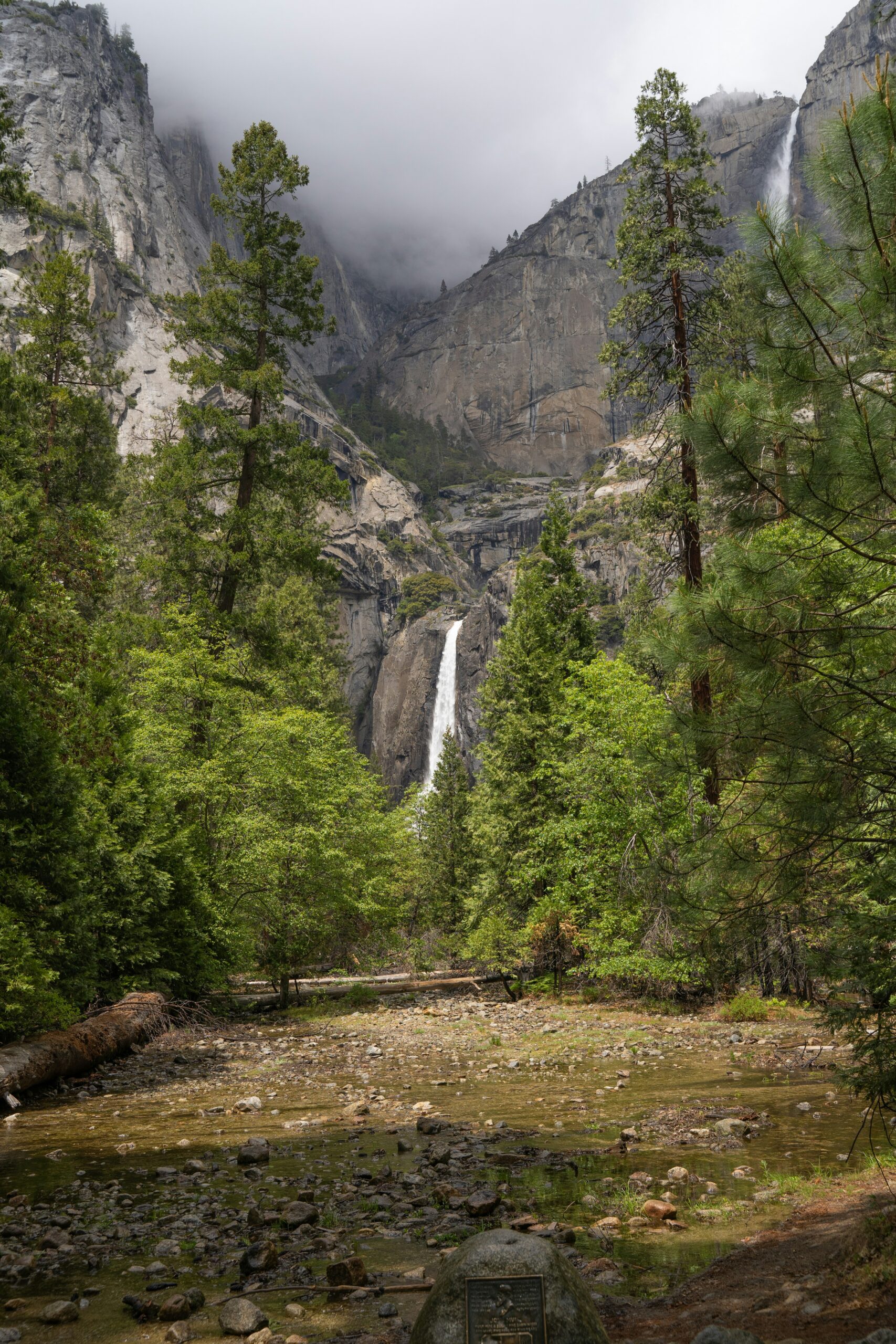
Yosemite's moonlit hikes let you see granite walls and waterfalls under the glow of the moon. Half Dome and El Capitan look almost otherworldly at night. These guided walks help you dodge daytime crowds and snap some pretty unique photos.
Honestly, full moon phases work best for these hikes. You get enough light to walk without blasting your eyes with headlamps, and you can still stargaze without ruining your night vision.
Family-friendly hikes usually stick to paved or well-marked trails. If you want more adventure, some routes head into the backcountry, so you’ll need to trust your sense of direction and the moonlight.
Essential gear for moonlit hikes:
- Red-light headlamp to protect your night vision
- Layered clothing for chilly nights
- Trail map and compass or GPS
- Water and snacks to keep you going
Nocturnal Wildlife Watching Tours
California’s wild places come alive at night. Owls, bats, bobcats, and all sorts of desert creatures start moving after sundown. Wildlife tours give you a chance to see these animals during their prime hours, without bothering them too much.
On the coast, you might spot marine mammals or shorebirds working the night tides. Inland, you can hear coyotes, watch bats pour out of their roosts, or spot kangaroo rats darting around.
It’s best to go with guides who know animal habits and use red-filtered lights or dim illumination. That way, you can actually see what’s out there without scaring it off or messing with its routine.
Desert parks, in particular, buzz with activity after dark. Lots of reptiles, rodents, and predators avoid the heat and do all their hunting and foraging at night.

Night Markets, Food Tours & Cultural Experiences
California’s after-dark scene isn’t just about nature. Food markets and cultural events light up the evenings. From Asian-inspired night markets to guided culinary adventures through city streets, you get a real taste of the state’s mix of communities and flavors once the sun goes down.
Vibrant California Night Markets
California’s night markets mash up the classic Asian market vibe with local twists. The 626 Night Market in Southern California stands out—it’s massive, with hundreds of food stalls, artists, and live entertainment. It’s a bit overwhelming, honestly, but in a good way.
San Francisco throws regular night market events in spots like the Mission District and Chinatown. You’ll find these mostly from spring through fall, with street eats and handmade crafts everywhere.
San Diego’s Night Market at the Quartyard keeps things going year-round. I’ve noticed they pack in live music, local food vendors, and even craft beer gardens. It feels more like a festival than just a market.
Common Night Market Features:
- Street food from all over the world
- Local artisan booths
- Live music and entertainment
- Stuff for families to do
- Evening hours (usually 5 PM to midnight)
Nighttime Food Tours in Major Cities
Los Angeles night tours wind through neighborhoods where you can try street food and check out trendy spots. I’d say these tours are great for tasting the wild mix of flavors that make LA unique.
San Francisco’s food tours zero in on certain areas. North Beach Italian walks or Mission District taco tours let you sample neighborhood favorites with the city lights as your backdrop.
In San Diego, Gaslamp Quarter tours mix historic architecture with modern eats. I’ve seen these tours include five to seven stops at local restaurants and bars—plenty to fill you up.
Many guided night market tours give you a peek behind the curtain, so you taste hidden gems and get cultural tidbits you’d probably miss on your own.
Cultural and Historic Night Time Experiences
Ghost tours run in historic California cities like San Francisco, Sacramento, and San Diego. These walking tours mix local history with evening storytelling as you wander through Victorian neighborhoods and old districts. Honestly, there’s something a bit eerie but fascinating about hearing ghost stories where they supposedly happened.
The Alcatraz Night Tour in San Francisco gives you a fresh angle on the notorious prison. With evening departures, you avoid the daytime crowds and get access to special ranger programs you won’t find earlier in the day.
Old Town San Diego lights up at night with candlelight tours that bring 19th-century life back to the streets. You’ll see costumed guides, watch period demonstrations, and step inside historic buildings glowing with traditional lanterns. It’s a little like time travel—if you squint.