Best Places to See Wildflowers in California (April 2026 Road Trip Guide)
California's 2026 wildflower season looks promising, with early word of vibrant displays stretching from the deserts to the coast and up into the mountains. The best places to see wildflowers in California include Antelope Valley California Poppy Reserve, Carrizo Plain National Monument, Anza-Borrego Desert State Park, Death Valley National Park, and a bunch of Central Coast spots. Peak blooms usually show up between March and May, but it depends a lot on elevation and region.
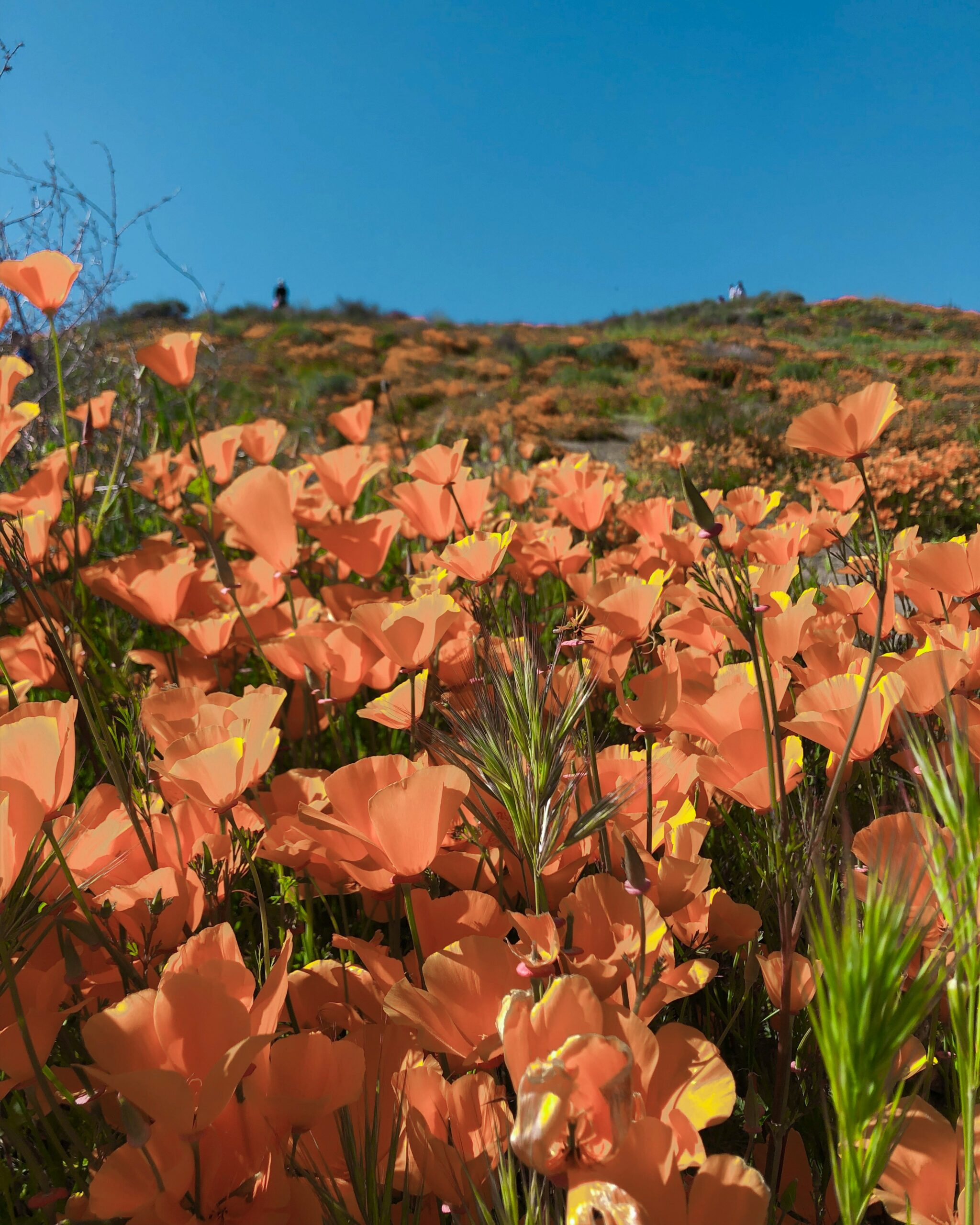
I put this guide together to help you plan your wildflower viewing trips this spring. Timing really varies—desert spots like Antelope Valley and Anza-Borrego tend to pop in March and April, while the Sierra Nevada's higher elevations don't get going until June or even July.
Whether you're chasing California's iconic poppies for photos or just want to wander through blooming meadows you haven't heard of, I've got the basics here: when to go, where to look, and how to do it all without trampling the flowers. The article breaks things down by region and includes updates for the 2026 bloom.
Best Places to See Wildflowers in California (April 2026 Road Trip Guide)
Best Times and Regions for California Wildflower Viewing
The wildflower season here can stretch from February to August, depending on where you go and how high up you get. March to May is usually the sweet spot for the deserts and coast. I’ve learned that nailing your timing and picking the right areas for reliable blooms makes all the difference if you want to see something truly special.
2026 Bloom Forecast and Seasonality
California’s landscapes are already putting on a show this year, and some folks think 2026 could bring a superbloomacross the state. Still, not every region hit that technical “superbloom” threshold, but the rainfall was good enough to spark impressive displays in a lot of spots.
The bloom season climbs with elevation. Deserts at lower elevations usually peak first, from mid-February through April. The coast and valleys follow, with their best color from March to May. Up in the high Sierra, you’re looking at June or July before things really get going.
Northern California's inland hills and canyons look especially good this year. Along U.S. 395 in the Eastern Sierra, wildflower season can run a full six months—starting as early as February in the Owens Valley around Bishop, and stretching all the way to August above 10,000 feet near Tioga Pass.
Wildflower Hotspots by Month
February to March
I'd point you to Santa Rosa Plateau Ecological Reserve for February and March—it's one of Southern California's last bunchgrass prairies, and the vernal pools get ringed with yellow goldfields and purple downingia. The Central Coast is easy to reach too; Shell Creek Road near Santa Margarita lights up with orange poppies and sky-blue lupine.
March to April
Point Mugu State Park out by Malibu is a sure thing in March and April, with purple lupine, golden poppies, white mariposa lilies, and those giant yellow coreopsis. Chino Hills State Park puts on a pretty impressive show too. March is usually best, but you can sometimes catch poppies there as late as September.
April to May
Figueroa Mountain is a reliable pick in April and May. Its 4,528-foot peak catches the rain and brings out buttercups, milk maids, sky lupines, and, of course, California poppies.
What Makes a Superbloom in California
For a super bloom, you need three things to line up: good winter rain, that rain coming at the right time, and a warm spring. Too much rain at once? Erosion. Not enough? Seeds just sit there. It’s a balancing act.
When the weather hits just right, seeds that have been waiting in desert soils for years finally wake up. Some of these seeds can hang on for decades. You need several inches of rain, but spread out over a few storms—not dumped all at once.
Once the soil’s wet and the rains stop, warm spring weather pushes the flowers to grow fast. If it heats up too soon, the young plants get stressed. If it stays cold, the bloom gets delayed. California’s terrain is so varied that a superbloom might happen in one region and not in another—local rain and microclimates decide a lot.
Antelope Valley California Poppy Reserve Wildflowers in April
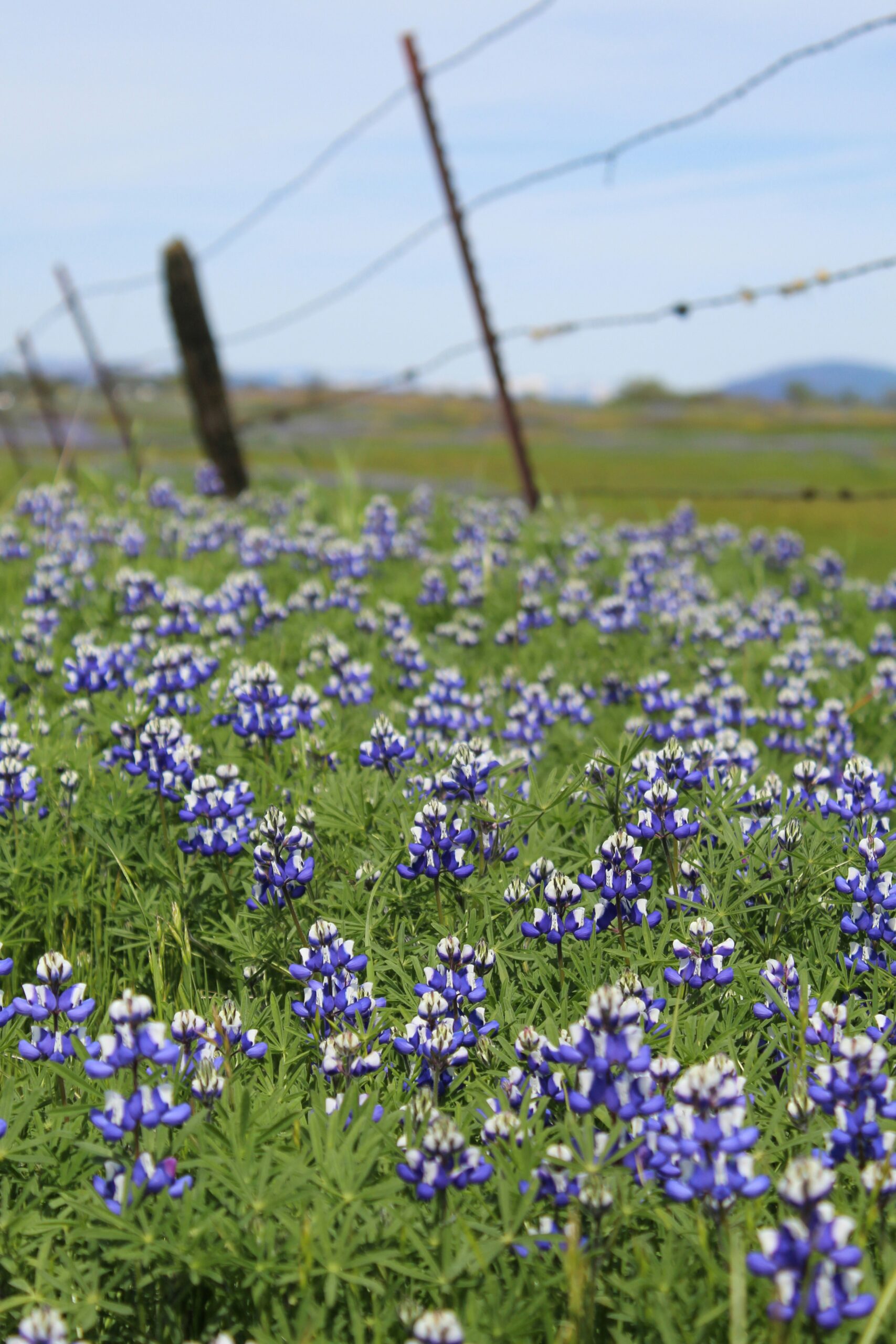
The Antelope Valley California Poppy Reserve usually peaks in April, with bright orange poppies blanketing the hills along with goldfields, owl’s clover, and other desert flowers. I love wandering the reserve’s eight miles of trails—they’re easy to access and the views are fantastic during the height of the season.
Current 2026 Bloom Update
In 2026, California poppies started blooming weeks ahead of schedule thanks to winter rain and sunny February days. By early April, most of the park was seeing strong blooms. Besides poppies, you’ll spot goldfields, owl's clover, lupine, cream cups, and coreopsis—all mixing together in a pretty wild color show.
I always check the live PoppyCam before heading out, just to see what’s happening. You can stop by the Jane S. Pinheiro Interpretive Center through Mother’s Day for exhibits and some cool botanical art. Best viewing is in the mornings when the poppies open up—if it’s cold or windy, they’ll stay curled.
Top Trails and Viewing Areas
There are eight miles of trails, some paved and wheelchair-friendly. I usually start with the shorter loops near the entrance for the best sweeping views. The Antelope Butte Vista Point trail gives you a higher vantage for looking out over the valley and toward the San Gabriels.
You’ll find benches along the way if you want to watch for wildlife. I’ve spotted meadowlarks, lizards, gopher snakes, and sometimes even coyotes or bobcats. Stick to the trails—stepping off crushes the plants and damages the soil. Picking flowers is off-limits; poppies wilt right away, and the seeds are needed for next year.
Mornings are usually calmer before the wind picks up. I always bring extra water—the high desert air at 2,600–3,000 feet dries you out fast.
Nearby Attractions and Visitor Tips
It’s $10 per vehicle to get in, and that covers you for other California State Parks the same day. The gates open at sunrise and close at sunset. You can park along Lancaster Road, just make sure you’re 100 feet from the entrance gate.
No dogs allowed (except service animals), and drones aren’t permitted. If you’re up for more exploring, Arthur B. Ripley Desert Woodland State Park is just seven miles west—free to visit and full of Joshua trees and junipers.
Be careful on Lancaster Road during bloom season. There are a lot of photographers and people on foot, so cars sometimes stop unexpectedly. Rattlesnakes come out in warm weather, so watch your step and give them space if you see one.
Carrizo Plain National Monument Wildflower Bloom 2026
The 2026 wildflower season at Carrizo Plain kicked off earlier than usual, with most of the color showing up on the Temblor Mountains instead of the valley floor early in the spring.
Carrizo Plain 2026 Bloom Update
Wildflowers started blooming in early March 2026 at Carrizo Plain after a wet winter. Monument Manager Johna Hurl pointed out that the Temblor Mountains are where to look for wildflowers this year—mostly yellows with some orange mixed in.
Early winter rains and warm temps pushed the bloom ahead of schedule. Most of the flowers popped up on the Temblor Mountains, while the valley floor stayed pretty quiet through early April. Some parts of the valley floor were so wet, the roads turned impassable.
By March 25, conditions looked great for viewing, with blue skies and more flowers coming up every day.
Iconic Species and Viewing Spots
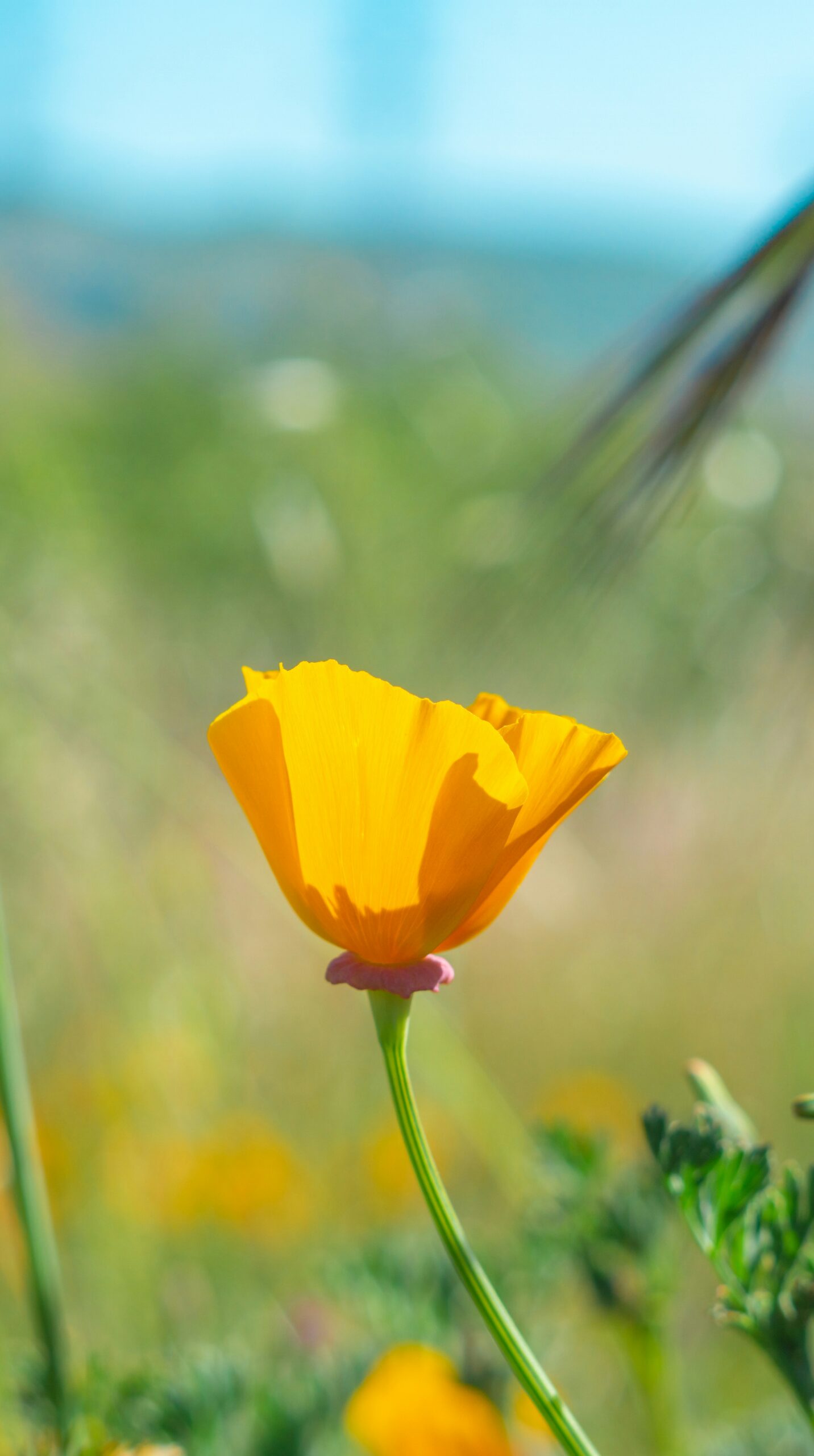
The Temblor Mountains offered the best wildflower displays in 2026. Goldfields turned the hillsides yellow, broken up by orange tidy tips and owl’s clover.
Common species you’ll see:
- Goldfields – thick yellow patches all over the hills
- Tidy tips – white and yellow daisy-like flowers
- Owl's clover – bright pink and purple clusters
- Lupines – blue and purple spikes along the slopes
- Phacelia – delicate purple blooms in rocky areas
The valley floor usually puts on a big show in peak years, but in early 2026 it mostly stayed dormant because of all the water.
Planning a Trip: Access and Facilities
I can’t stress this enough: Carrizo Plain has zero services within 70 miles. Make sure your car is charged or your tank is full before you go. You won’t find water, food, fuel, or charging stations out there.
Most roads are dirt, and if it’s wet, forget about it—they can stay muddy and closed for weeks after rain. You’ve got to keep your vehicle street legal and stick to the marked roads. Cell service is spotty, and you can’t count on roadside help.
The Goodwin Education and Visitors Center is open Thursday to Sunday, 9 am to 4 pm. Call 661-391-6193 for updates or 661-391-6000 if you want to talk to someone about road conditions.
Parking lots fill up early, sometimes by 7 am on weekends. Camping and parking work on a first-come, first-serve basis. Don’t park in unauthorized spots, on private land, or block any roads.
Anza-Borrego, Death Valley, and Desert Wildflower Blooms
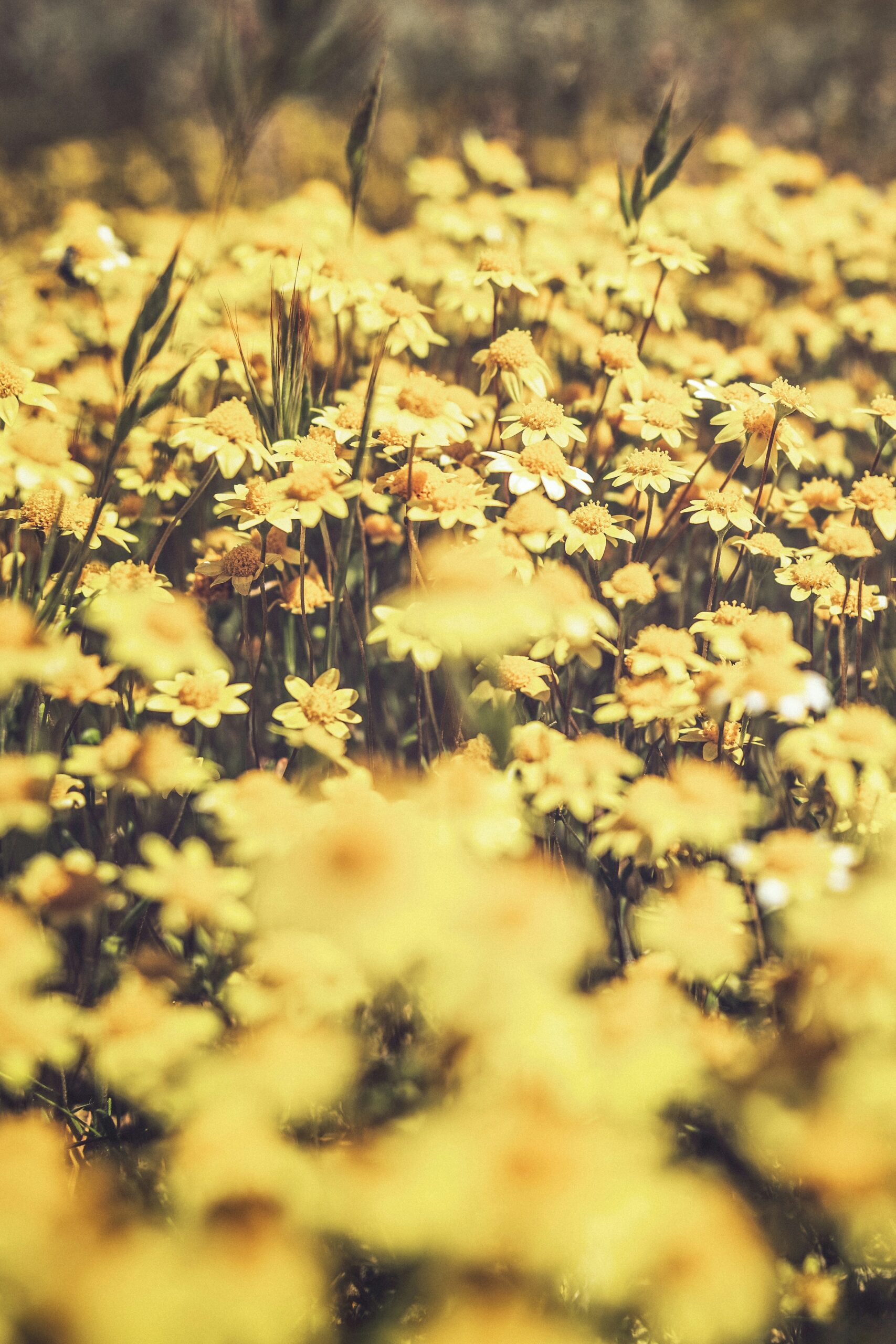
Every spring, the California desert can explode with color—if the weather cooperates. Right now, Anza-Borrego Desert State Park's wildflower bloom already peaked because of recent heat, but cactus blooms are still going strong.
Anza-Borrego Desert State Park Wildflower Bloom April
Wildflower season at Anza-Borrego Desert State Park ended sooner than usual in 2026. A stretch of extreme heat shut down the early bloom, and now the lower elevation fields at Henderson Canyon Road and Coyote Canyon have dried up and faded.
Cactus blooms have taken over where the wildflowers left off. Beavertail, cholla, hedgehog, and barrel cactus put out vibrant flowers in waves lasting several weeks. The Cactus Loop Trail is probably your best bet for catching these desert blooms right now.
During the peak, desert sand verbena, desert sunflower, and desert lilies covered places like Henderson Canyon Road and the Badlands. This park hosts 92 plant families and hundreds of flowering species. Park scientists said the park got over 4 inches of rain, but it still didn’t count as a super bloom—there just wasn’t enough steady rain, and the temperatures bounced around too much.
If you go, try to get there early in the morning. Cactus flowers open up before the heat really hits, and then they close up again once it gets hot.
Death Valley Wildflowers 2026 Peak Bloom
Death Valley usually sees wildflower blooms from February to May, depending on how much rain fell in winter and how warm it is in spring. The park’s elevation ranges from below sea level up to over 11,000 feet, so different areas bloom at different times.
Lower elevations bloom first, often in February and March, while higher elevations peak in April and May. The timing really depends on winter rain and temperature swings. I always check desert wildflower viewing locations before heading out to get a sense of what’s blooming where.
You’ll see species like desert gold, sand verbena, and a variety of asters. The flowers usually pop up in scattered patches rather than forming endless carpets.
Desert Wildflower Species and Viewing Etiquette
Desert wildflowers don’t have it easy—they’ve adapted to survive tough conditions and only bloom for short windows. When the temperature shoots into the 80s or 90s, petals dry out fast and the plants start focusing on making seeds instead of more flowers.
Viewing Guidelines:
- Stick to marked trails to protect fragile plants
- Keep dogs leashed—they’re only allowed on dirt roads, not trails
- Start hikes before 10am if it’s going to be hot
- Bring at least a gallon of water per person for hikes
- Be alert for rattlesnakes—they like the flowers too
You’ll find desert sand verbena (Abronia villosa), brown-eyed primrose, desert sunflower (Geraea canescens), and desert lilies (Hesperocallis undulata) out there. Brittlebush lights up the hillsides with yellow, and fishhook cactus adds some cool shapes to the mix.
Individual blooms might last just a few days or a couple weeks, but the overall season can stretch across months as different elevations bloom at different times. I always double-check current conditions before making the drive—desert flowers can come and go in a flash if the weather shifts.
Central Coast and Northern California Wildflower Destinations
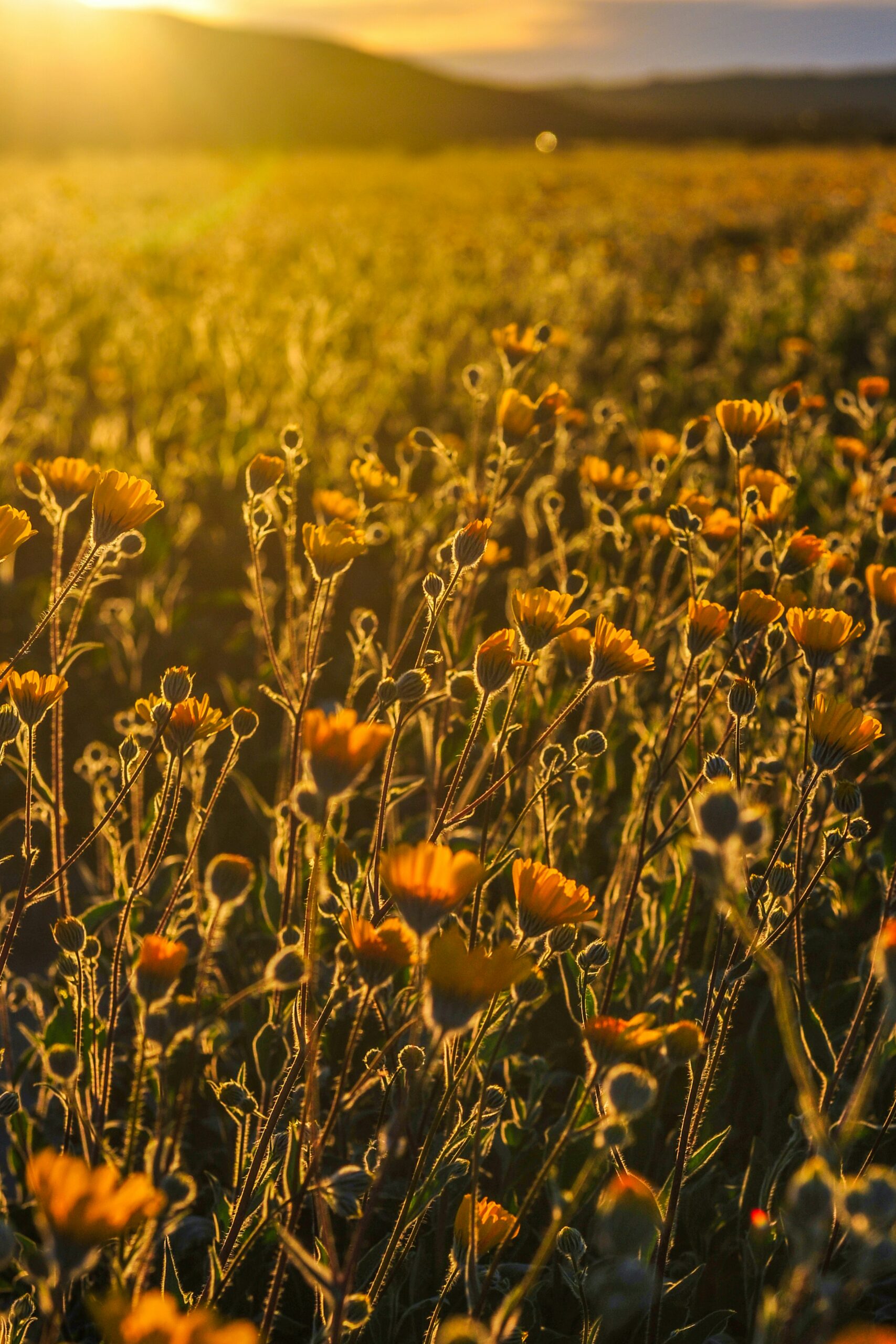
From the bluffs by the ocean to rolling inland prairies, California’s central and northern regions really shine for wildflower viewing from late February through May. I’ve found these spots offer a wild mix of blooms, from golden hills to rare vernal pools you just don’t see elsewhere.
Central Coast Wildflowers: March to April
The Central Coast is one of the easiest and most photogenic places for wildflowers in California. At Montaña de Oro State Park near San Luis Obispo, those “mountains of gold” are no joke—California poppies cover the hills in orange.
Shell Creek Road in Santa Margarita is a favorite drive for me, with poppies and blue lupine right along the road. The Fiscalini Ranch Preserve in Cambria has coastal wildflowers like seaside daisy, bush lupine, and California sea pinks.
If you’re up for a full day out, Carrizo Plain National Monument is about 60 miles east of the coast. The Temblor Range gets wild with lupines, goldfields, tidy tips, owl’s clover, and hillside daisies. In Santa Barbara County, Figueroa Mountain almost always puts on a good show at 4,528 feet, with buttercups, milk maids, sky lupines, and poppies you can spot right from the road out of Solvang or Los Olivos.
Bay Area and Mount Diablo State Park
Point Reyes National Seashore is a go-to for wildflowers in the Bay Area. The Chimney Rock Trail runs along a dramatic peninsula above Drakes Bay, and it’s easy to spot poppies, owl’s clover, tidy tips, purple lupine, and mule’s ears there. Keep an eye out for pussy’s ears at the end of the trail—these light purple flowers have dense, fuzzy hairs that help them survive the cold and keep from drying out.
Russian Ridge Preserve on the Peninsula gives you those classic orange poppies and blue lupine in grassy meadows. The Bay Area Ridge Trail up to Borel Hill’s summit is the best stretch for wildflowers. At Sonoma Coast State Park, the Kortum Trail and Pomo Canyon Trail to Red Hill show off a bunch of coastal grassland species with ocean views that are hard to beat.
Mount Tamalpais State Park mixes old redwoods with bright wildflowers along its mountain trails. You’ll see mariposa lilies, coreopsis, and arroyo lupine scattered through different habitats.
Other Notable Wildflower Hotspots
North Table Mountain Ecological Reserve near Oroville stands out for wildflowers on a raised basalt mesa. The porous volcanic rock holds rainwater, so you get vernal pools full of goldfields, California poppies, sky lupine, meadowfoam, and owl’s clover. And if you time it right, there’s a waterfall too.
Jepson Prairie Preserve, about 35 miles southwest of Sacramento, protects one of the last native bunchgrass prairies left in California. Over 400 plant species grow here, and in spring, the vernal pools are rimmed with tiny, colorful flowers in yellow, purple, and white.
Stevens Trail near Colfax is a solid pick for foothill blooms. The 4.5-mile trail down to the North Fork American River passes Chinese houses, bush monkeyflower, poppies, and a bunch of lupine types. Auburn State Recreation Area is easy to access for wildflowers—just pull over by the river—or hike Stagecoach Trail, Windy Point Trail, or Codfish Falls Trail for dozens of species, including red paintbrush.
Responsible Wildflower Viewing and Additional Resources
If you want to help protect California’s wildflower spots, stick to the paths, check bloom updates before you go, and bring enough water and supplies for wherever you’re headed.
Staying on Trails and Bloom Preservation
I always stay on established trails to avoid trampling delicate plants. Walking off-trail compacts the soil and messes up roots, which means fewer flowers next year.
At busy places like the Bane Ridge Trail in Chino Hills State Park, I’ve noticed that sticking to the marked paths really does keep the blooms healthy while still giving you great views. Walker Canyon near Lake Elsinore has set up similar trail rules during peak bloom.
I never pick wildflowers—taking them means they can’t make seeds or put on a show for the next visitor. The Santa Rosa Plateau Ecological Reserve actually bans picking flowers to protect its rare vernal pool plants.
Key preservation rules I follow:
- Stay on designated trails—always
- Don’t step on flowers for photos
- Leash your pets and keep them away from blooms
- Pack out all your trash and gear
Tracking Blooms and Seasonal Updates
I use the Theodore Payne Foundation’s wildflower hotline (818-768-1802 ext. 7) for the latest Southern California updates. They update the recording every Friday from March through May with what’s blooming and where.
For up-to-the-minute info, I check official park social media before heading out. Chino Hills State Park posts updates on Facebook and Instagram all season.
Bloom timing can be all over the place depending on elevation and location. Carlsbad Ranch usually peaks earlier than the mountains, and desert spots like Anza-Borrego can bloom anytime from February to April, depending on the winter rain.
Packing and Visitor Preparation Tips
I always pack plenty of water for trips to remote wildflower spots—most of these places don’t have any facilities, and you won’t find much shade out in the desert or on the prairie, either.
Here’s what I toss in my bag:
- Wide-brimmed hat and sunscreen
- Sturdy walking shoes with solid tread
- Extra layers, just in case the weather flips
- Snacks and lunch if I’m out all day
- Camera and a couple of charged batteries
I try to get there early, especially at the more popular spots. Parking lots can fill up fast—sometimes before noon—when the wildflowers are really going off.


