Best California Food Road Trips: Ultimate Culinary Guide
A California road trip built around meals hits different than one built around mileage. I have watched friends map a route by drive times alone, then wonder why every stop feels the same: gas, bathroom, snack, repeat. Swap that pattern out and the whole trip changes shape.

California cuisine is regional in a way few states can match, so the smartest food-focused itineraries let geography set the menu instead of the other way around. Sourdough belongs to San Francisco fog. Fish tacos belong to the Southern California coast. Tri-tip belongs to Santa Maria's oak-smoke pits. The California coastline alone stretches over 800 miles, and locally sourced ingredients shift block by block as farmland gives way to fishing docks, then to desert orchards.
Planning around food does not mean abandoning the classic sights. It means treating a farmers market stop with the same respect as a scenic overlook, and building in enough slack to follow a good smell down a side street.
Best California Food Road Trips: Ultimate Culinary Guide
How to Build a Food-Focused California Itinerary
A good food-focused California road trip itinerary starts with an honest look at how many days are available, then works backward to pick regions instead of trying to cover the whole state. Food-focused California road trip routes work best when they follow natural travel corridors, like Highway 1 or the Pacific Coast Highway, since those roads already string together farm stands, wine tasting rooms, and fishing towns without much detour.
Choose a Route That Matches Your Available Time
A weekend supports one region done well: Napa and Sonoma, or Santa Barbara and the Santa Ynez Valley. A five- to seven-day trip can string together a full stretch of the California coast, from San Francisco down through Big Sur to San Luis Obispo. Trying to squeeze Northern and Southern California into one short trip usually means rushed meals and missed farm-to-table cuisine along the way.
Pair Signature Dishes With Their Regions
Some California foods travel statewide, like the classic burger stand or a solid fish taco. Others are tied to a single place, the way Santa Maria-style barbecue belongs to the Central Coast or cioppino belongs to old fishing ports. Planning a route around place-specific dishes gives a trip more identity than chasing the same chain from city to city.
Plan Meals Around Scenic Drives and Overnight Stops
A coastal drive along Highway 1 rewards travelers who time lunch near a pullout with ocean views, not a strip mall. Booking overnight stops in towns with a real food scene, rather than just cheap gas, turns a driving day into a tasting day. This matters most on longer stretches of the pacific coast highway road trip, where towns can be 40 or 50 miles apart.
Know When Reservations, Hours, and Seasonal Menus Matter
Wine tasting rooms often require reservations on weekends, especially in Napa and Sonoma during harvest season. Small-town restaurants along Highway 1 sometimes close midweek or shift hours by season, so checking ahead saves a wasted stop. Farm stands and seasonal menus follow the harvest calendar, meaning a dish available in July might vanish by October.
Northern California: Bay Area, Wine Country, and Redwood Routes
Northern California food road trips move through four distinct food worlds: San Francisco's bayside classics, Napa and Sonoma's wine country tables, the redwood coast's seafood and cheese, and the mountain towns feeding travelers headed toward Tahoe and Shasta. Each stretch calls for a different pace, since city traffic, winding wine-country lanes, and mountain grades all move at their own speed.
San Francisco to Santa Cruz: Sourdough, Chinatown, and Monterey Bay Seafood
San Francisco sourdough traces back to the Gold Rush era around 1849, and bakeries near the Golden Gate Bridge still bake it with that same tang, a history noted in this California food travel guide. Chinatown offers dim sum in tight little dumpling houses that feel worlds away from the waterfront. Fisherman's Wharf gets crowded, but clam chowder in a sourdough bowl there is a fair trade for the tourist bustle.
Heading south toward Santa Cruz and Monterey Bay, the food shifts toward fresh seafood pulled straight from the water. Monterey Bay Aquarium sits close enough to the wharf that a family can combine tide pool viewing with a seafood lunch. Whale watching trips out of Monterey often wrap up right around dinner time, which makes fresh catch feel earned rather than just convenient.
Napa and Sonoma: Wine Country Drives With Seasonal Farm Flavors
Napa Valley pairs food with wine at a level few regions can match, and fall harvest season brings menus built entirely around what came off the vine that week. Sonoma and Sonoma County move at a gentler pace, with smaller family-run wineries and farm-driven kitchens leaning on local cheese and olive oil. A short loop through both areas fits easily into a long weekend.
The North Coast to Crescent City: Seafood, Cheese, and Redwood Detours
North of Sonoma, the coast road narrows and the towns get smaller, but the food stays worth the detour. Fort Bragg's Glass Beach draws visitors for its sea glass, and nearby diners serve up simple, hearty seafood plates that fit the mood. The Skunk Train out of Fort Bragg makes a fun midday break between meals.
Farther north, Redwood National Park and the drive toward Crescent City pass through small towns with cheese producers and crab shacks that rarely show up on a typical tourist map. Expect simple menus built around what the boats brought in that morning.
Sierra and Shasta Routes: Mountain Provisions and Roadside Stops
Lake Tahoe and South Lake Tahoe offer hearty mountain-town cooking, the kind that fits a day of hiking or a winter ski trip. Heading toward Sonora and the Sierra Nevada foothills, small-town diners echo the region's mining history with simple, filling plates, a theme explored further in this California Gold Country road trip guide.
Farther north, Mount Shasta and Lassen Volcanic National Park sit along quieter routes where roadside stops matter more, since restaurant options thin out fast once the highway climbs.

Central Coast: Seafood, Wine, and Highway 1 Stops
The Central Coast pairs some of California's most dramatic scenery with its most consistent seafood and wine towns, stretching from Monterey down through Santa Barbara. This stretch of the California Central Coast rewards travelers who slow down, since Highway 1's curves and cliffside views practically demand it.
Monterey and Carmel-by-the-Sea: Ocean Views and Peninsula Tastes
Monterey and Carmel-by-the-Sea sit close enough together to combine into one relaxed day. The 17-Mile Drive through Pebble Beach passes the Lone Cypress and several spots worth a picnic stop. Carmel-by-the-Sea's compact downtown mixes bakeries and seafood counters within a few blocks of the beach, making it easy to graze rather than commit to one sit-down meal.
Big Sur to San Simeon: Dramatic Scenery and Essential Meal Breaks
Big Sur has few dining options, which makes the ones that exist important to plan around rather than assume will be open. Bixby Bridge, Garrapata State Park, Pfeiffer Beach, and McWay Falls in Julia Pfeiffer Burns State Park all sit along this stretch, and Nepenthe remains one of the few reliable stops for a meal with a view. Reopened sections of Highway 1 through this area, following years of reconstruction work, have brought a fresh wave of dining options along the route.
Continuing south toward San Simeon, Hearst Castle draws a detour inland, while Cambria offers a walkable downtown with local bakeries and casual seafood spots that make a good lunch stop before or after the castle tour.
San Luis Obispo County: Farm Stands, Coastal Towns, and Wine
San Luis Obispo County rewards travelers with a mix of coastal towns and inland wine country within a short drive of each other. Morro Bay and Avila Beach offer fresh seafood right on the water, while Pismo Beach adds its Monarch Butterfly Grove as a seasonal detour worth timing a visit around. San Luis Obispo itself has a lively downtown, and the Madonna Inn remains a quirky landmark stop even for travelers not staying overnight.
Inland, Paso Robles anchors a wine region tucked against the Santa Lucia Mountains, with tasting rooms spread across a wider, less crowded footprint than Napa.
Santa Barbara and Santa Ynez Valley: Urban Tastings and Ranch-Driven Cooking
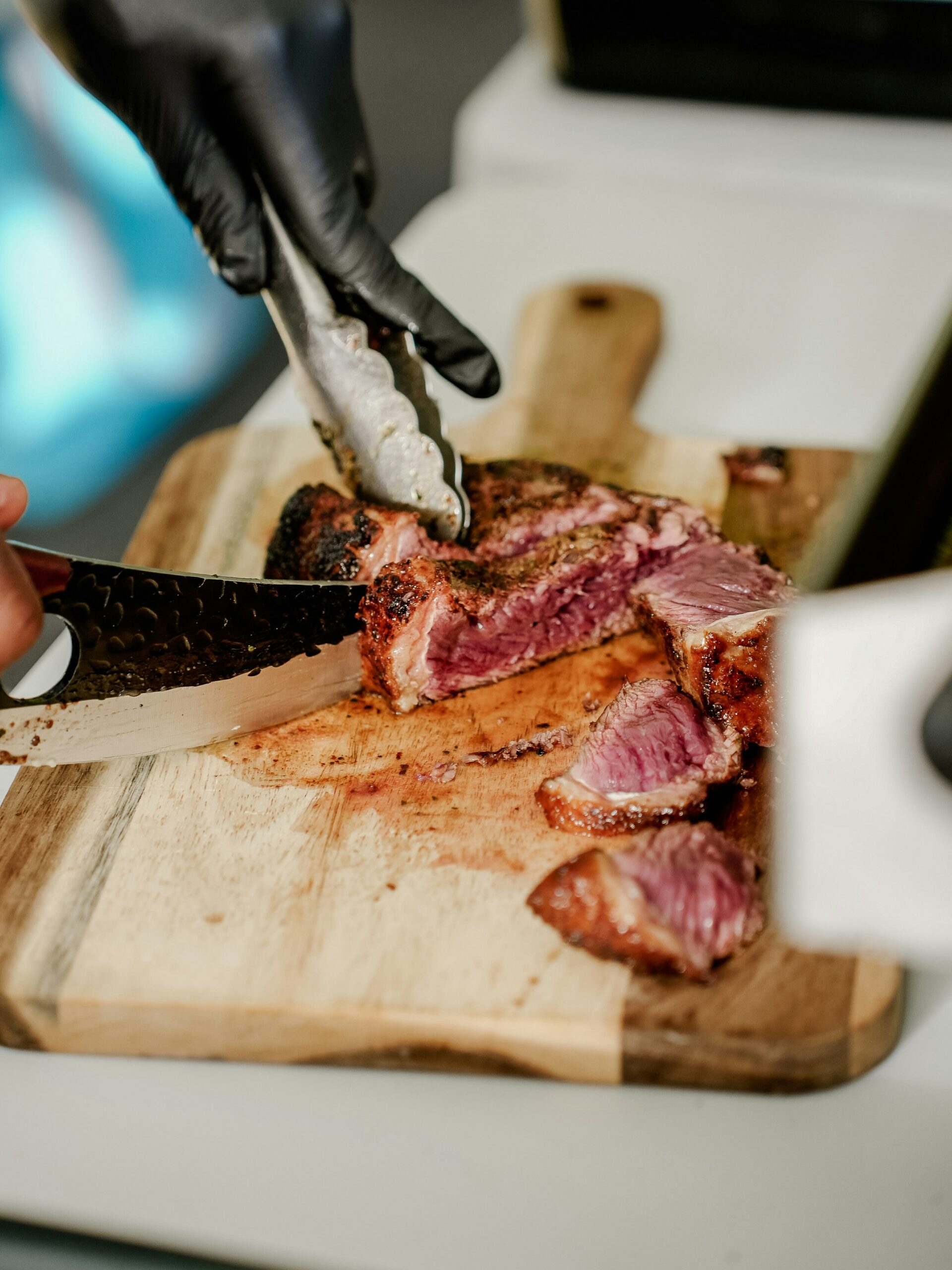
Santa Barbara's Funk Zone packs wine tasting rooms, breweries, and casual restaurants into a walkable waterfront district. A short drive inland leads to the Santa Ynez Valley, where towns like Los Olivos offer a quieter, ranch-driven take on wine country dining. This region pairs well with a stop for Santa Maria-style barbecue, where tri-tip is grilled over red oak in a tradition specific to this stretch of California.
Southern California: Tacos, Global Flavors, and Desert Detours
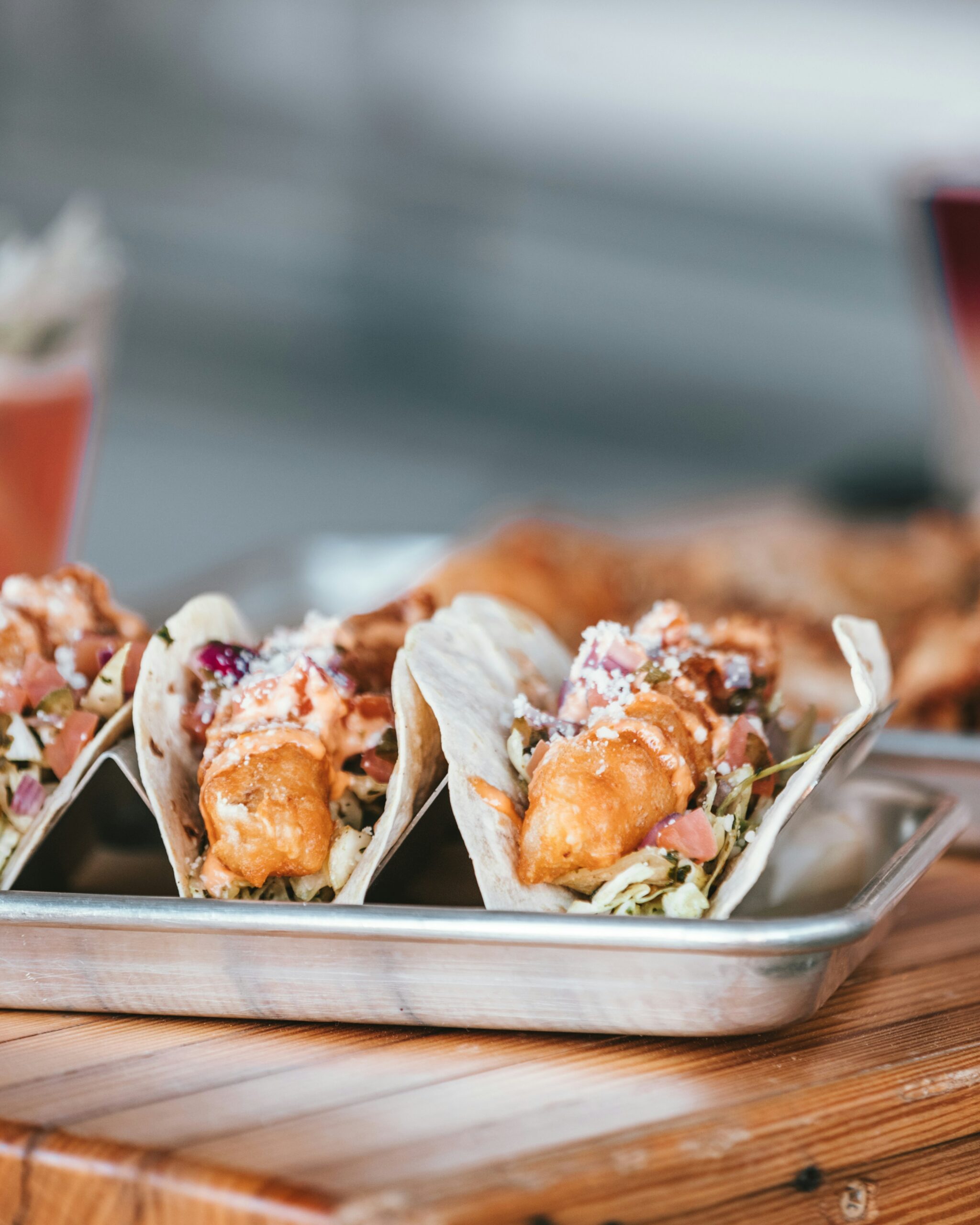
Southern California food road trips move between beach towns, dense city neighborhoods, and desert landscapes, each with its own food identity. Fish tacos and carne asada anchor much of the region's food culture, but the range runs from Rodeo Drive fine dining to roadside stands near Joshua Tree.
Los Angeles: Neighborhood Eats From Beach Communities to City Icons
Los Angeles spreads its food scene across beach towns and city neighborhoods that each feel distinct. Santa Monica, Venice Beach, and Malibu offer coastal dining with ocean views, while Rodeo Drive represents the polished, upscale side of the city. Universal Studios sits inland as a family-friendly detour that can anchor a full day away from the coast.
Los Angeles works well as a starting or ending point for a longer food-focused trip, since it connects easily to both the Central Coast heading north and Orange County or San Diego heading south.
Orange County and San Diego: Surf Town Meals and Borderland Flavors
Orange County's Laguna Beach and Huntington Beach, known as Surf City USA, pair casual beachfront dining with a laid-back pace. San Diego pushes further into bold, borderland flavors, with fish tacos and carne asada reflecting the city's proximity to Mexico. A taco-focused stretch through this region works well as a standalone weekend trip or as the closing leg of a longer Southern California itinerary, an idea Visit California highlights in its Southern California taco tour.
Palm Springs, Joshua Tree, and Death Valley: Desert Road Trip Fuel
Desert routes demand more planning than coastal ones, since towns thin out fast past Palm Springs. Joshua Tree National Park has limited dining inside the park itself, so stocking up beforehand matters. Death Valley National Park pushes this further, with long stretches between towns near Zabriskie Point and Badwater Basin, making a cooler of food and water a practical need rather than an extra.
Rancho Cucamonga makes a reasonable staging stop for travelers heading from Los Angeles toward the desert, offering a last chance for a full grocery run.
How to Add Family Attractions Without Losing the Food Focus
Family attractions and food stops can share a day without competing for attention. Building a visit to Universal Studios or a beach day at Venice Beach around a nearby lunch stop, rather than treating food as an afterthought, keeps the trip feeling intentional.
California Food Trails and Smart Road Trip Planning
California food trails give structure to a trip by connecting a theme, whether that is cheese, wine, or barbecue, across a set of towns along one general route. These self-guided trails work well layered onto an existing road trip rather than treated as a separate vacation.
Which Self-Guided Food Trails Are Worth Adding to Your Route?
The California Cheese Trail winds through several Northern California producers and pairs naturally with a wine country trip. Highway 1 itself functions as an informal seafood trail, stringing together clam chowder stops, oyster shacks, and crab stands from Mendocino down to San Luis Obispo. Travelers headed inland toward the Eastern Sierra can build a mountain-town food trail through Bishop and Mammoth Lakes, useful before or after driving Tioga Road into Yosemite.
When to Go for Harvests, Whale Seasons, and Coastal Produce
Timing shapes what shows up on a plate. Fall brings wine harvest season to Sonoma and Santa Barbara, while summer delivers peak stone fruit and berries inland. Whale watching season along the coast overlaps with fresh seafood availability in towns like Monterey, since colder water months tend to bring both together.
| Season | What to Expect |
|---|---|
| Spring | Blossom viewing, early produce |
| Summer | Peak stone fruit and berries |
| Fall | Wine harvest in Sonoma and Santa Barbara |
| Winter | Citrus season, whale watching along the coast |
How to Drive Safely Through Remote Coasts, Mountains, and Deserts
Highway 1 sees periodic closures near Big Sur due to landslides, so checking road conditions before departure saves a wasted detour. Mountain routes like Tioga Road into Yosemite close seasonally, usually reopening late spring depending on snowpack. Desert routes near Death Valley demand extra water and fuel planning, since services can be sparse for long stretches.
Ways to Make a Flexible Weekend Food Escape
A weekend trip does not need a full statewide itinerary to feel worthwhile. Picking one region, like Paso Robles or the Santa Ynez Valley, and building a loose schedule around two or three meals a day leaves room for spontaneous stops.