Hidden California Food Towns That Are Better Than LA (Local Favorite Spots Revealed)
California’s most memorable meals usually hide in places you’d never expect. Small towns across California offer exceptional dining experiences that can easily rival big-city restaurants—think Danish bakeries tucked in wine valleys or border-town taquerias serving up recipes passed down for generations. I’ve found that hidden foodie towns in California bring authentic flavors and a kind of personal service that tourist-packed spots just don’t have.
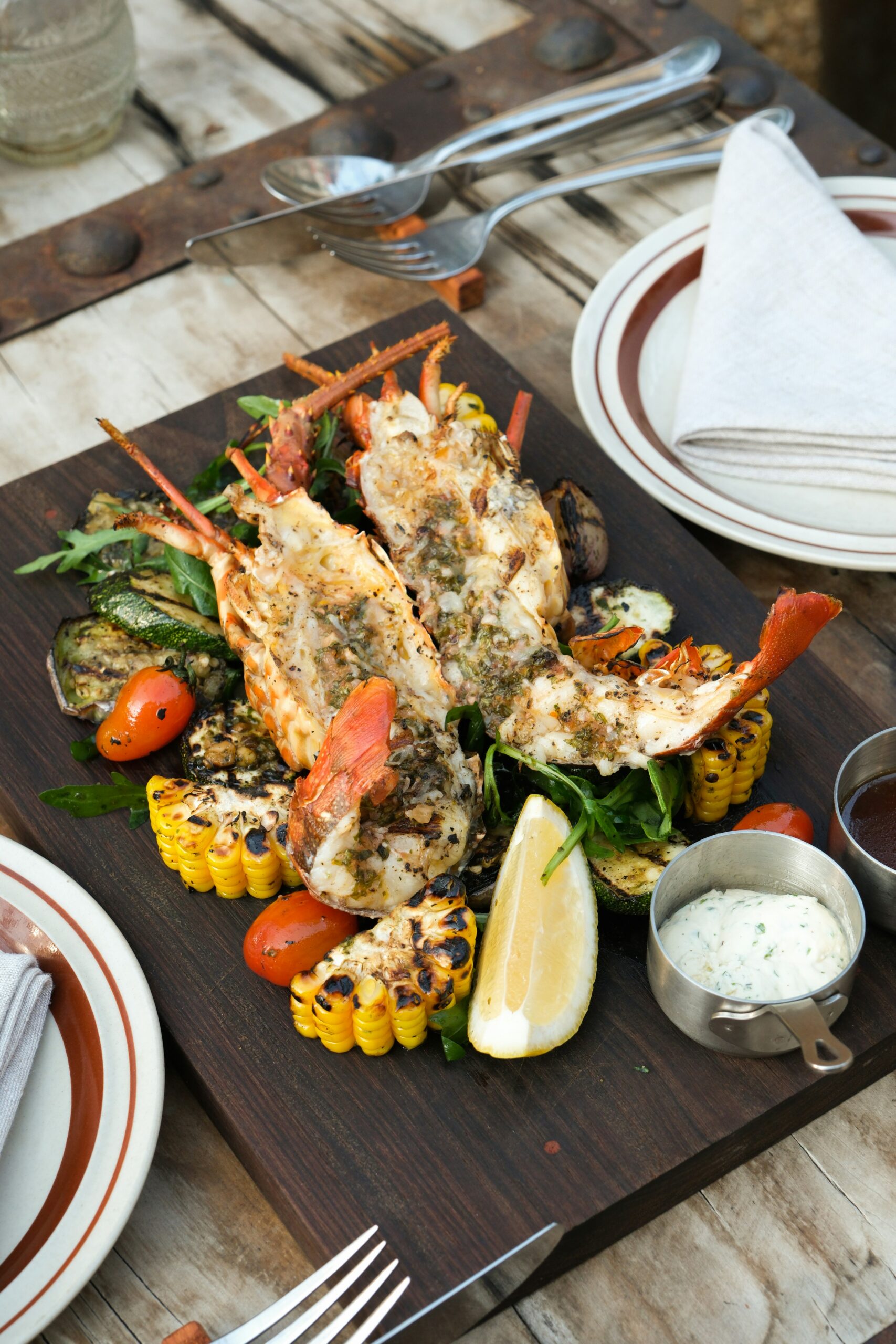
These culinary destinations dot every region of the state, each shaped by its own geography and cultural roots. In the mountains, you’ll get hearty comfort food made from ingredients foraged in the forests. Along the coast, villages serve seafood caught that morning by local fishermen. The focus on hyperlocal sourcing and old-school cooking methods means you’ll taste dishes you can’t find anywhere else.
Planning a food-focused road trip through California’s lesser-known towns? Get ready for genuine hospitality and some pretty unforgettable meals. I’ll share signature local specialties, coastal culinary gems, historic bites, and scenic pit stops that make the drive as satisfying as the destination.
Hidden California Food Towns That Are Better Than LA (Local Favorite Spots Revealed)
Signature Eats: Iconic Local Specialties
California’s small food towns really nail signature dishes that show off their heritage and local ingredients. From Danish breakfast treats to rare citrus and old-fashioned fruit pies, these communities serve up flavors you just won’t find elsewhere in the state.
Traditional Danish Pastries and aebleskiver in Solvang
Solvang owes its food scene to Danish traditions brought over by immigrants in the early 1900s. Bakeries here turn out traditional aebleskiver—those round pancake balls, hot and fluffy, dusted with powdered sugar and served with raspberry jam for dipping.
I usually spot these breakfast treats at several bakeries along the main street, each swearing by its own secret recipe. The Danish Mill Bakery stands out, with bakers making aebleskiver fresh all morning in those classic cast iron pans with the little rounded wells.
Essential Danish treats to try:
- Aebleskiver with homemade jam
- Flaky butter cookies
- Fresh kringle pastries
- European-style rye bread
Solvang’s bakeries also bake seasonal kringle flavors, switching things up through the year depending on what fruits are around and the Danish holidays on the calendar.
Pixie Tangerines and Olive Oil in Ojai
Ojai’s Mediterranean climate is just right for Pixie tangerines—a seedless variety you’ll only find from March to May. Locals and visitors really go out of their way for these sweet citrus fruits during the short harvest window.
I suggest hitting the Ojai Certified Farmers Market on Sundays to buy Pixies straight from the growers. While you’re there, check out the olive oil from local orchards—those trees thrive in the valley’s warm days and cool nights.
Restaurants in town work both specialties into their seasonal menus. Chefs whip up Pixie tangerine vinaigrettes and drizzle locally pressed olive oil over dishes that really highlight the area’s agricultural roots.
Apple Pie and Gold Rush Treats in Julian
Julian turned its gold rush past into a booming apple pie business that draws thousands every fall. The mountain town’s climate produces apples like Granny Smith and Gala, which end up in pies from several fiercely competitive bakeries.
Locals here are loyal to their favorite pie shops, and they’ll argue over crust styles and filling recipes. Mom’s Pies and Julian Pie Company are the big names, both sticking to recipes handed down for generations.
What makes Julian apple pie special:
- Fresh-picked apples from local orchards
- Hand-rolled crusts made daily
- Traditional double-crust and Dutch crumb varieties
- Served warm with optional vanilla ice cream
Julian also has apple cider, caramel apples, and other treats that add to the gold rush charm you feel all over town.
Olallieberry Pie and Seafood in Cambria
Cambria is known for olallieberry pie, made with a blackberry hybrid that thrives along the Central Coast. The Olallieberry Inn and other local bakeries serve up this regional classic, which, honestly, most folks outside the area have never even heard of.
I love how Cambria pairs its berry tradition with seafood straight from nearby waters. Restaurants get fish and shellfish delivered daily from local fishermen who work the waters around Moonstone Beach.
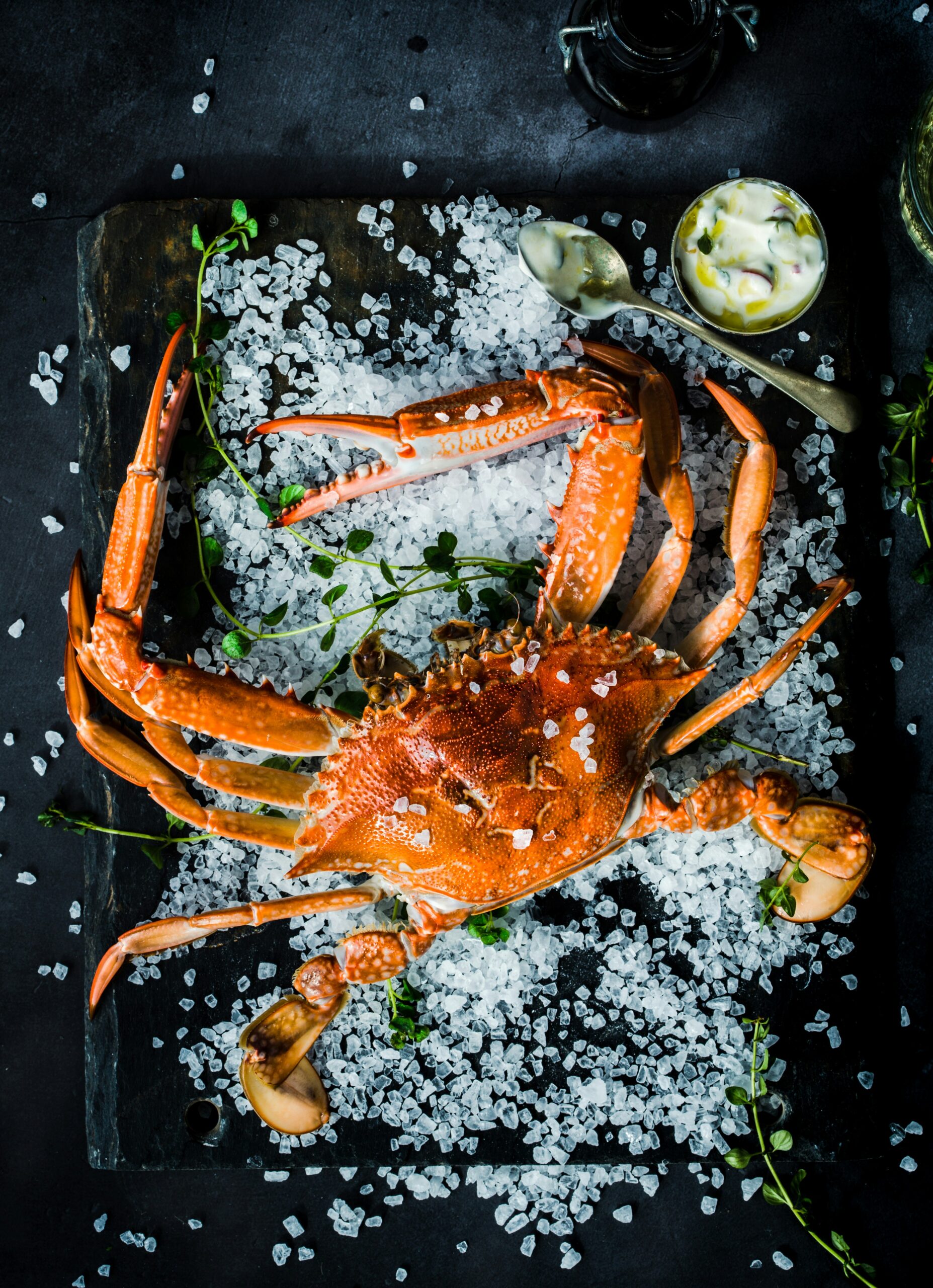
The Moonstone Beach boardwalk gives you easy access to tide pools and ocean views, and it links up several restaurants focused on ocean-to-table dining. Wild About Otters and other spots keep it simple—think rockfish, halibut, and crab prepared to let the freshness shine.
Coastal Flavors: Culinary Destinations by the Sea
California’s coastline hides some real food gems where ocean views and fresh seafood go hand in hand. These Highway 1 towns blend scenic beauty with culinary traditions rooted in coastal farming and fishing.
Moonstone Beach and Coastal Cafés in Cambria
Cambria sits along the Central Coast, and the Moonstone Beach Boardwalk gives you sweeping ocean views right alongside cozy cafés. I’ve noticed these spots put the spotlight on seafood caught by local fishermen and produce from nearby farms.
Restaurants in the Moonstone Beach area make the most of those Pacific views while serving up dishes like wild-caught salmon and Dungeness crab. Menus shift with the seasons, showing off the region’s cool coastal climate and easy access to fishing ports.
- Oceanfront cafés serving breakfast with panoramic views
- Fresh abalone and rockfish from Central Coast waters
- Wine pairings featuring Paso Robles selections
Since Cambria sits between Big Sur and San Luis Obispo, it’s a great stop for travelers chasing real coastal flavors. Many restaurants keep things interesting by operating out of historic buildings, which adds a little extra character to the meal.
Arcangeli Grocery and Artichoke Bread in Pescadero
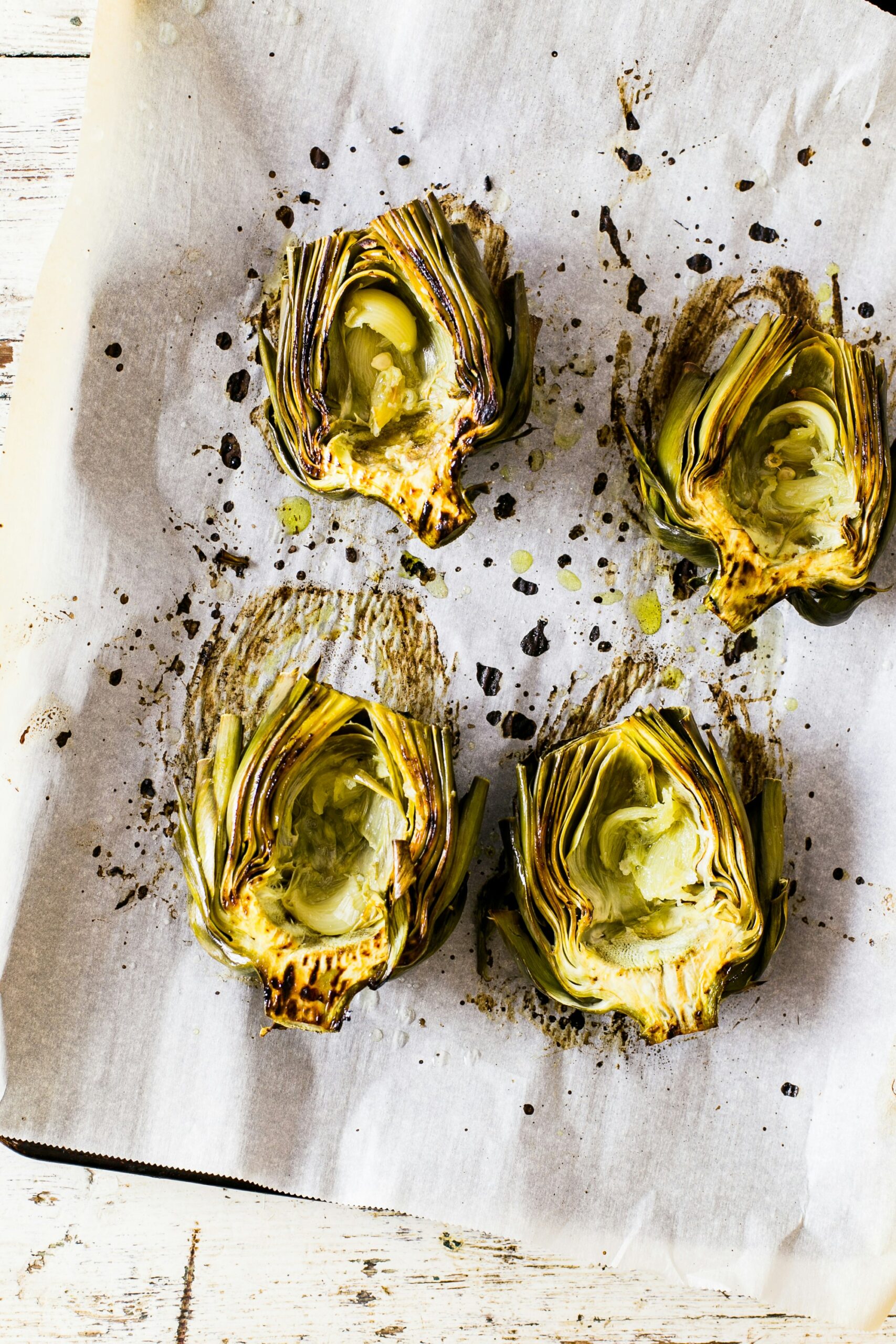
Pescadero, just off Highway 1, is famous for its Arcangeli Grocery and artichoke bread—a specialty that brings in food lovers from all over California. This little coastal town keeps its farming roots alive, blending agriculture with its seaside setting.
At Arcangeli Grocery, bakers turn out fresh artichoke bread every day using artichokes grown in nearby fields. The garlic-herb version is especially good, thanks to ingredients straight from the coastal valley’s farms.
Pescadero specialties:
- Warm artichoke bread with garlic butter
- Fresh-baked pies using local berries
- Traditional Portuguese sweet bread
Pescadero’s Portuguese heritage shows up in plenty of recipes, with family-run spots sticking to techniques passed down for ages. Local farms fill restaurant kitchens with fresh produce for seasonal dishes all year.
Farm-to-Table Experiences in Half Moon Bay
Half Moon Bay shines when it comes to farm-to-table dining, thanks to its fields and fishing boats just minutes from the kitchen. I love how restaurants here pull vegetables from nearby farms and seafood from the local harbor, often on the same day it’s served.
The town’s pumpkin patches and artichoke fields set the tone for seasonal menus. Chefs build dishes around Brussels sprouts, lettuces, and root veggies grown in that foggy, mineral-rich soil.
Seafood options include Dungeness crab in winter and rockfish and salmon year-round. Many places cure their own fish and pickle veggies the old-fashioned way, stretching out the best flavors of each season.
Mountain and Valley Towns: Comfort Food and Local Fare
California’s mountain and valley towns serve up hearty meals that match their dramatic surroundings. Pine-scented retreats and sun-soaked valleys have built food cultures around big portions and what’s grown nearby.
Rock Climbing and Dining in Idyllwild
Idyllwild sits in the San Jacinto Mountains at 5,400 feet, drawing climbers headed for Tahquitz Rock and hikers on the local trails. Restaurants here know their customers come hungry, so breakfast is always generous.
The local cafes stack up oversized pancakes, Belgian waffles, and French toast to fuel morning adventures. Coffee shops roast beans right in town, pairing espresso drinks with fresh pastries. On chilly evenings, several places have working fireplaces—it’s a vibe.
Pizza joints go for New York-style pies with mountain-inspired toppings. Mexican restaurants pile on the fresh salsa and serve hefty plates. And honestly, the atmosphere is a big part of the draw—outdoor patios sit under pine trees, and sometimes you’ll see deer wander by during dinner. No chains here; every spot is run by locals who care about what they’re serving.
Hearty Plates and Culinary Heritage in Nevada City
Nevada City keeps its Gold Rush architecture and serves up modern comfort food. The historic downtown is packed with restaurants in 1850s buildings near the Miners Foundry Cultural Center.
Breakfast places whip up big omelets and burritos that could feed a miner—though these days, it’s mostly tourists and locals digging in. Farm-to-table spots grab ingredients from Sierra Nevada farms, so menus change with the month.
Bakeries churn out artisan breads and pastries every day. I’ve noticed pizza places here use wood-fired ovens and locally milled flour. Wine bars pour Nevada County vintages and serve up small plates of charcuterie and cheese. The scene strikes a nice balance: historic charm with a modern twist. Exposed brick walls and wooden beams meet creative, up-to-date cooking.
Wine and Ranch Cuisine in Santa Ynez Valley
Santa Ynez Valley blends ranching roots with wine country flair. On the valley floor, small towns have restaurants serving beef from nearby ranches and wines from local vineyards.
Farm-to-table spots rewrite their menus depending on what’s in season. Steakhouses grill up grass-fed beef the old-school way, while tasting rooms pair food with local wines. I’ve noticed restaurants here keep things friendly—staff explain wine choices without any snobbery.
Breakfasts are hearty, with eggs from local farms. Lunchtime means sandwiches on fresh-baked bread and meats from just down the road. At dinner, you can go for casual barbecue or splurge on a multi-course meal. Thanks to the valley’s farm diversity, kitchens get the best produce, meat, and wine without ever needing to look far.
Historic Roots and Cultural Fusion
California’s small food towns owe their unique flavors to gold rush settlements and waves of European immigrants, all layered over indigenous cooking traditions. This blend has created regional specialties you just can’t find anywhere else.
Preserved Gold Rush History and Victorian-Era Influences
Turns out, Julian's gold rush heritage still weaves through its food scene—restaurants here live inside old 1800s buildings. Miners planted those apple orchards back in the day, hoping for extra cash, and now those same trees give us the apples for Julian’s pies, which are still baked with Victorian-era methods.
Nevada City feels a lot like that, too. Its historic district has spots to eat tucked into preserved Victorian buildings. Here, you’ll find meals cooked with old-school techniques—wood-fired ovens, cast iron pans—the sort of stuff that just makes food taste different. Modern kitchens can’t really match it.
Local bakeries keep using sourdough starters that go back more than a hundred years. That kind of patience and tradition gives the bread a depth you rarely find elsewhere.
European and Indigenous Culinary Traditions
Solvang is a great example of how Danish immigrants left their mark on California’s food. Bakeries there still make aebleskiver and pastries with recipes their families brought over from Denmark in the early 1900s—nothing feels mass-produced or rushed.
I’ve noticed that German settlers started breweries and sausage-making traditions in the Northern California mountains, sticking to the original equipment and aging methods. Portuguese communities along the coast keep their linguica recipes alive, too, and you can taste the difference—it’s not generic at all.
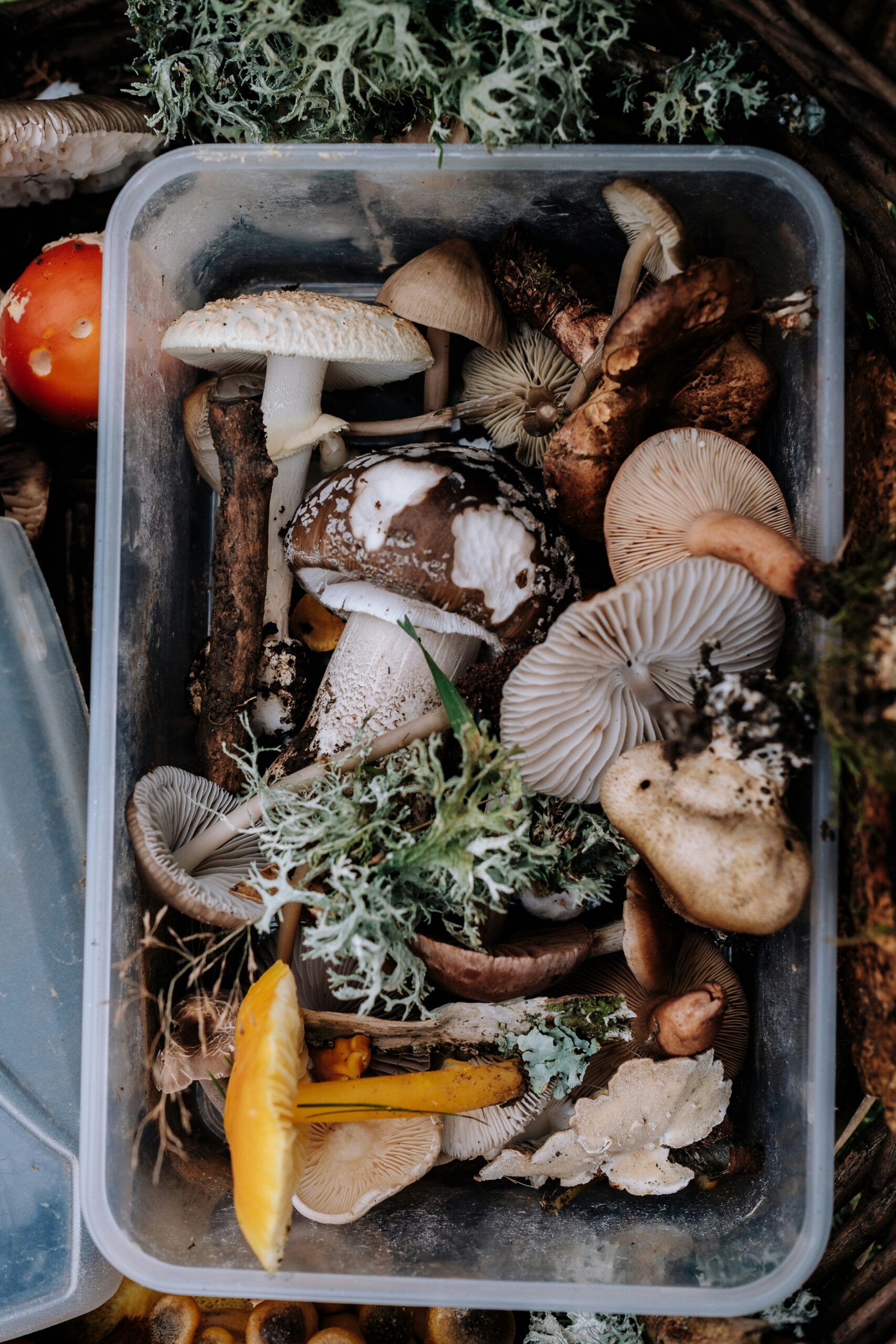
Native American communities still use local ingredients like manzanita berries, acorns, and wild mushrooms in modern dishes. Those old acorn processing and wild game techniques bring in flavors you just don’t get in typical California restaurants. Carmel-by-the-Sea, for example, has places that mix European flair with native ingredients, and it’s honestly a refreshing change.
Scenic Attractions and Food Stops Worth the Drive
The central coast has this cool mix of grand old architecture and small artisan food producers. Highway 1 ties together oceanfront restaurants and family-run markets that have fed travelers for ages.
Hearst Castle and Central Coast Food Trails
If you’re heading out, I’d say start at Hearst Castle, perched above San Simeon. After wandering through those 165 rooms and gardens, drive a few miles south to Cambria. Honestly, the food scene there can stand up to what you’ll find in much bigger cities.
Main Street in Cambria is lined with bakeries, wine tasting rooms, and farm-to-table restaurants using ingredients from nearby ranches. I can’t skip Moonstone Beach—the boardwalk there connects a handful of seafood spots where you can watch elephant seals while you eat. It’s a little surreal, in the best way.
The towns in Sonoma County show off that same small-town food energy you’ll find all over California’s wine regions. In Cambria, you can wander from cheese makers to olive oil tasting rooms in just a few minutes, so sampling the local specialties doesn’t feel like a chore—it’s honestly half the fun.
Hidden Finds on California's Highway 1
Highway 1 south of Cambria winds up to Carmel-by-the-Sea, where European-style buildings hide away some pretty inventive restaurants and quirky food shops. Whenever I’m in the area, I swing by Arcangeli Grocery in nearby Pescadero. It’s a fourth-generation Italian bakery, and honestly, their artichoke garlic herb bread is worth the detour.
The scenic drives in California roll through fishing villages dotted with fresh catch markets and old-school family diners. Along the stretch between Carmel and Santa Cruz, Highway 1 snakes past little farmstands loaded with artichokes, strawberries, and Brussels sprouts—all thriving in that cool coastal fog. Pulling over, you’ll usually find homemade jams, local honey, and baked treats that really show off the area’s farming roots.


