20 Best Small Towns in California to Visit in the Fall
California saves its best color for a handful of small towns, and timing matters as much as the destination. Mid-September through early November covers most of it, but the window shifts by elevation. Aspens in the Eastern Sierra often turn weeks before the maples in Gold Country even think about changing.
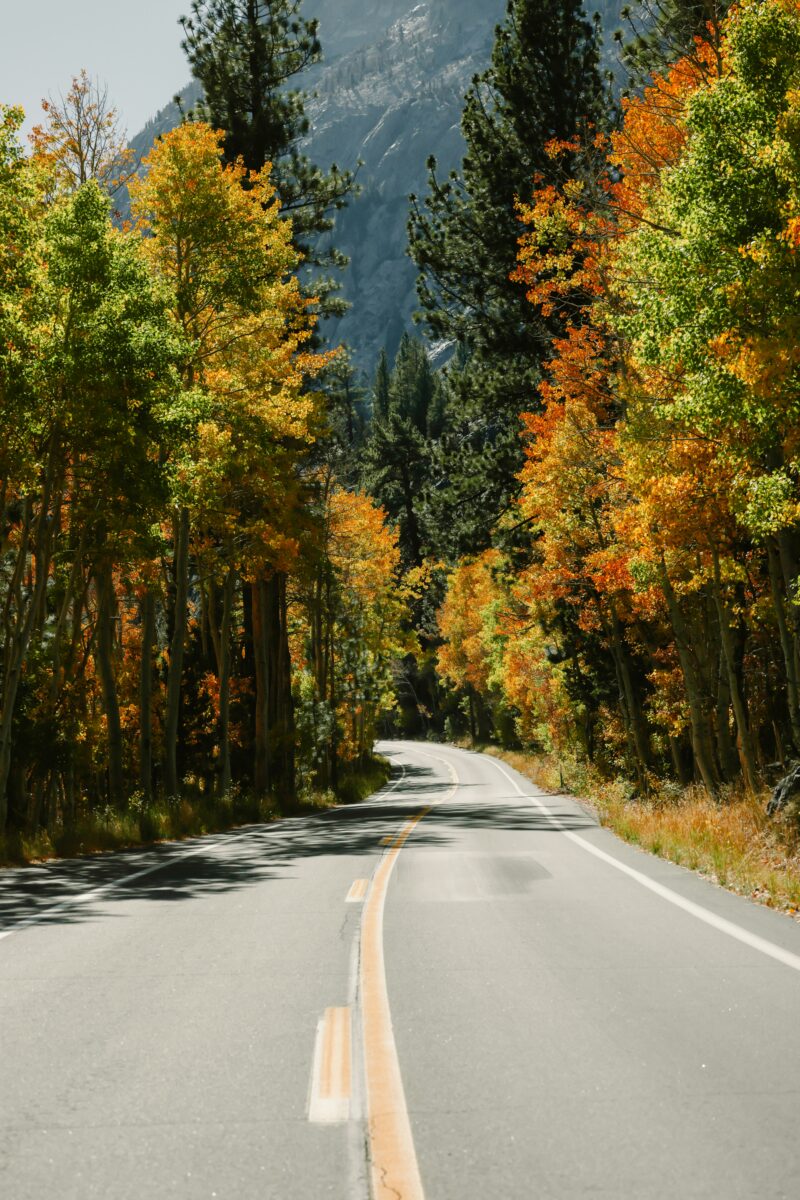
The best small towns in California to visit in the fall are Nevada City, June Lake, Julian, and Calistoga, each offering a distinct kind of autumn: historic foliage, high-elevation aspen groves, orchard harvests, and vineyard color. Pick your town based on what kind of fall you want, not just a date on the calendar.
A Gold Country weekend gives you century-old maples lining Victorian streets. The Eastern Sierra delivers some of the most reliable aspen displays in the western United States. Southern California's mountain towns and orchard valleys offer a milder, food-driven autumn. Wine Country layers harvest activity on top of changing vineyard leaves. Each region has its own rhythm, and planning around that rhythm is the difference between a postcard weekend and a trip where half the trees are already bare.
20 Best Small Towns in California to Visit in the Fall
Gold Country Towns for Colorful Streets and Apple Harvests
Gold Country pairs historic charm with some of Northern California's most dependable street-level foliage. Nevada City and Grass Valley hold onto Gold Rush-era architecture and tree-lined neighborhoods, while Placerville and Camino turn into an apple-picking destination each fall.
Nevada City: Historic Neighborhoods and Fall Color on Foot
Nevada City rewards a slow walk more than a drive. The Victorian neighborhoods around its downtown historic district are lined with century-old maples planted by early settlers, alongside birch, oak, and amber-toned trees that put on what locals consider one of the state's best leaf-peeping shows. Peak color is hard to pin down exactly, but it typically runs from mid-October to mid-November.
Beyond downtown, the South Yuba River canyon offers longer hikes, and the Tahoe National Forest's Grouse Ridge area has higher-country trails for those who want to extend the day. Nevada County fall color maps are available locally for anyone who wants a specific route rather than a wander.
Grass Valley: a Relaxed Downtown Base for a Foothill Weekend
Grass Valley sits a few minutes from Nevada City and shares the same Gold Rush backdrop and foliage season. Its downtown has a slower pace, with Victorian homes shaded by the same mature maple and oak canopy. It works well as a quieter lodging base for travelers who want to spend their days in Nevada City but prefer a calmer place to park the car at night.
The two towns are often grouped together in regional fall color guides because their foliage calendar and historic character line up so closely. Anyone planning a broader loop through the foothills might also look at a California Gold Country road trip that strings several of these towns together.
Placerville and Camino: Apple Hill Orchards, Cider, and Farm Stops
Placerville anchors the Apple Hill growing region, where dozens of family farms open for picking, cider, and pie starting in September. Harvest dates vary by a few weeks each year depending on weather, so it's worth calling ahead before a special trips.
Downtown Placerville adds its own fall tradition: Oktoberfest and the Dachshund Dash, run by the merchants' association along Historic Main Street, according to Visit El Dorado. Families looking for a lower-key orchard day might prefer the family-friendly side of Apple Hill, while those road-tripping from the Bay Area or Sacramento can treat Apple Hill as a natural add-on to a Nevada City weekend.
Eastern Sierra Towns for Golden Aspens and Alpine Lakes
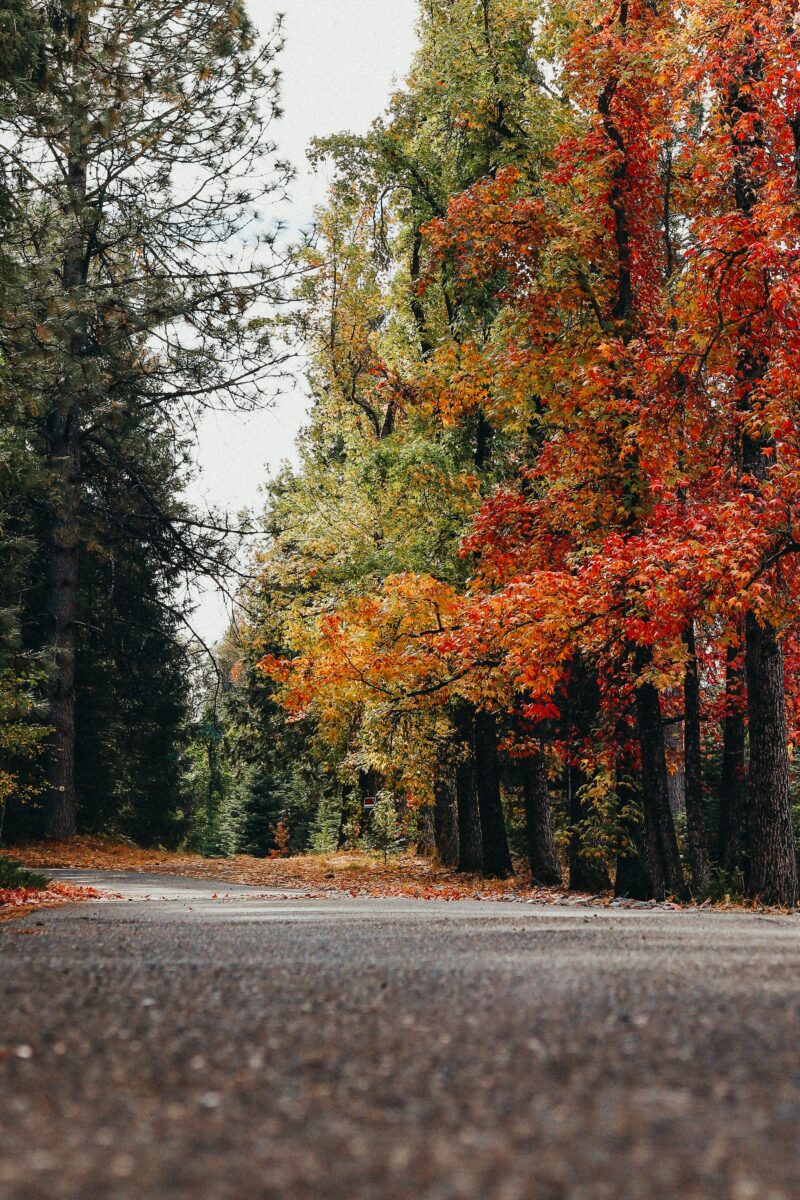
The Eastern Sierra produces the most reliable aspen color in California, and Mono County calls it one of the best fall foliage regions in the western United States. Color moves from high elevation to low starting in mid-September and continuing through October, tracking along US 395 through June Lake, Mammoth Lakes, Bridgeport, and Lee Vining.
June Lake: Follow the June Lake Loop to Silver Lake
June Lake sits on the June Lake Loop (Highway 158), an aspen-lined drive connecting four lakes that's considered one of the region's best photography routes. As of the October 14, 2026 fall color report, the loop was holding around 75 percent color, with Silver Lake and Rush Creek still showing strong displays even as some groves thinned from wind.
The small village at June Lake makes a good overnight base, close enough to walk or drive the loop slowly without rushing.
Bishop: Explore Bishop Creek and Lake Sabrina
Bishop sits south of Mammoth Lakes and gives access to Bishop Creek Canyon, where aspen groves climb toward Lake Sabrina at higher elevation. The canyon's color generally arrives earlier than lower-elevation spots nearby, similar to the early turn seen at Rock Creek Canyon, which Mono County notes is “often the first of the season to turn orange and yellow” among Eastern Sierra fall color drives.
Bishop itself is a practical town base, with services that smaller Eastern Sierra communities don't always have.
Mammoth Lakes: Pair Town Comforts with Convict Lake
Mammoth Lakes combines a full-service mountain town with some of the region's most photographed fall scenery. Mid-September through early October is typically the best window for peak foliage, according to Visit Mammoth. Convict Lake, a short drive from town, was still near peak in mid-October 2026, with yellow color holding around the lake, resort, and campground even as the classic back-of-lake grove had dropped its leaves.
Easy trails near town, like Heart Lake and Mammoth Rock, let visitors see aspen color without a long drive, as described by Visit Mammoth's hiking guide.
Bridgeport and Lee Vining: Quieter Bases for High-Country Detours
Bridgeport and Lee Vining see far fewer visitors than Mammoth Lakes but sit closer to some of the region's standout drives. Twin Lakes near Bridgeport and Conway Summit were both at peak color in mid-October 2026, while Lundy Canyon near Lee Vining was still putting on a strong late-season show despite wind damage.
Mono Lake and Bodie State Historic Park make easy detours from either town, and Yosemite's Tioga Pass entrance connects directly from Lee Vining when the road is open for the season. The Inyo National Forest periodically closes sections of nearby roads for maintenance, such as a planned closure of Rock Creek Road from October 19 to 23, 2026, so checking current conditions before a high-country detour is worth the extra few minutes. Travelers mapping a broader loop through this region might also look at small towns in Northern California for additional stops along the way.
Northern Mountain Towns for Lakeside Walks and Cabin Stays
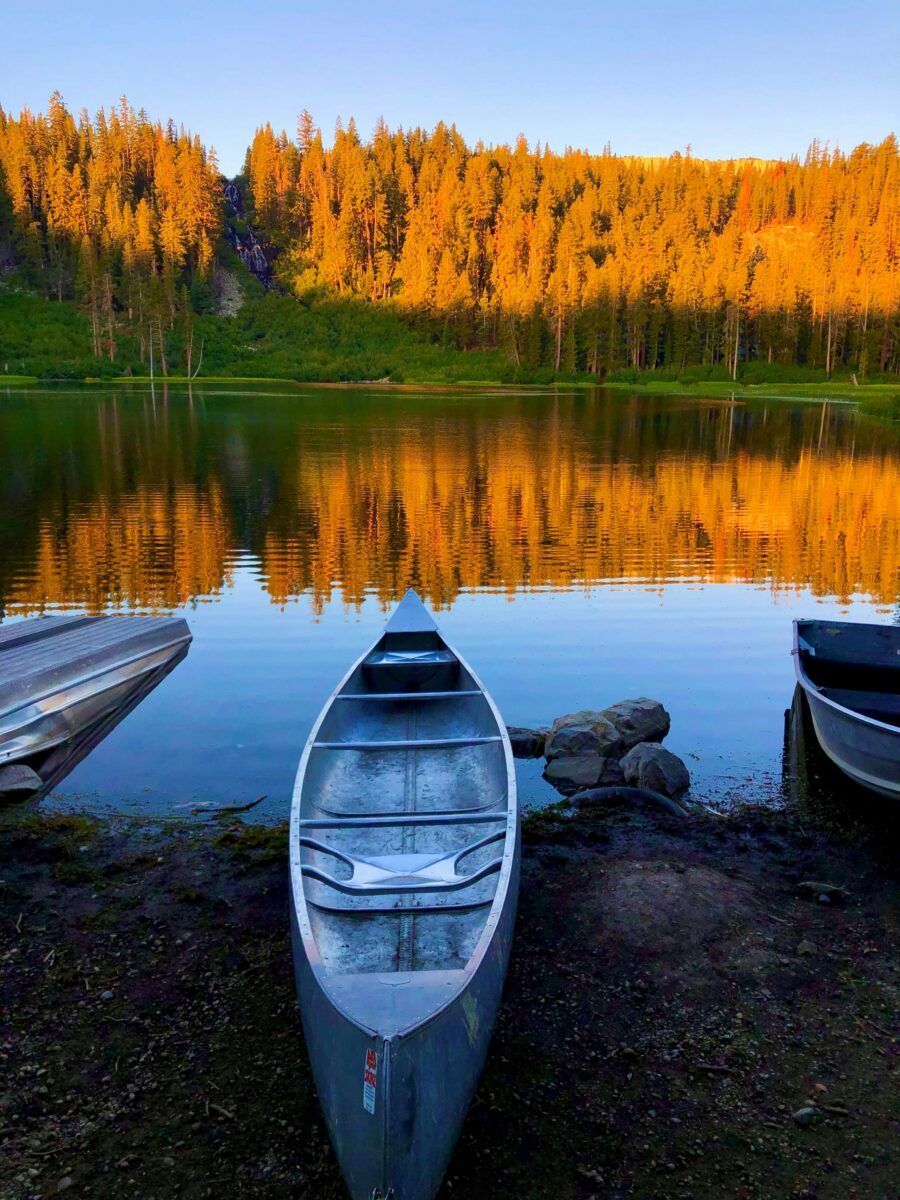
Tahoe City, Truckee, Markleeville, and Mount Shasta each offer a different flavor of mountain fall, from paved lakeside trails to quiet alpine meadows. These towns work well for travelers who want cabin comfort alongside walkable foliage.
Tahoe City and Truckee: Lake Views with Aspen Side Trips
Truckee's fall color shows up along paved, low-effort trails right near downtown. The Truckee River Legacy Trail and Trout Creek Trail both pass stands of aspen close to the historic downtown core. For a longer walk, the paved route between Palisades Tahoe and Tahoe City stretches 14 miles round trip and passes through Martis Valley, known for its gold and brown grasses against deep green pine forest.
Fall in Truckee also means fewer crowds and cooler mornings, a season Visit Truckee Tahoe describes as “calm, colorful, and cozy.”
Markleeville: a Quiet Base for Hope Valley
Markleeville, the Alpine County seat, sits near Hope Valley, known for large groves of quaking aspen and protected as one of the largest alpine meadows in the Sierra Nevada, according to the Alpine County Chamber of Commerce. The valley's fall color draws far fewer visitors than Tahoe, and Highway 88 through the area connects to Kirkwood and Caples Lake for a longer scenic drive.
This is a good pick for travelers who want aspen color without the Tahoe basin's weekend traffic.
Mount Shasta: Mountain Scenery and Lower-Elevation Fall Walks
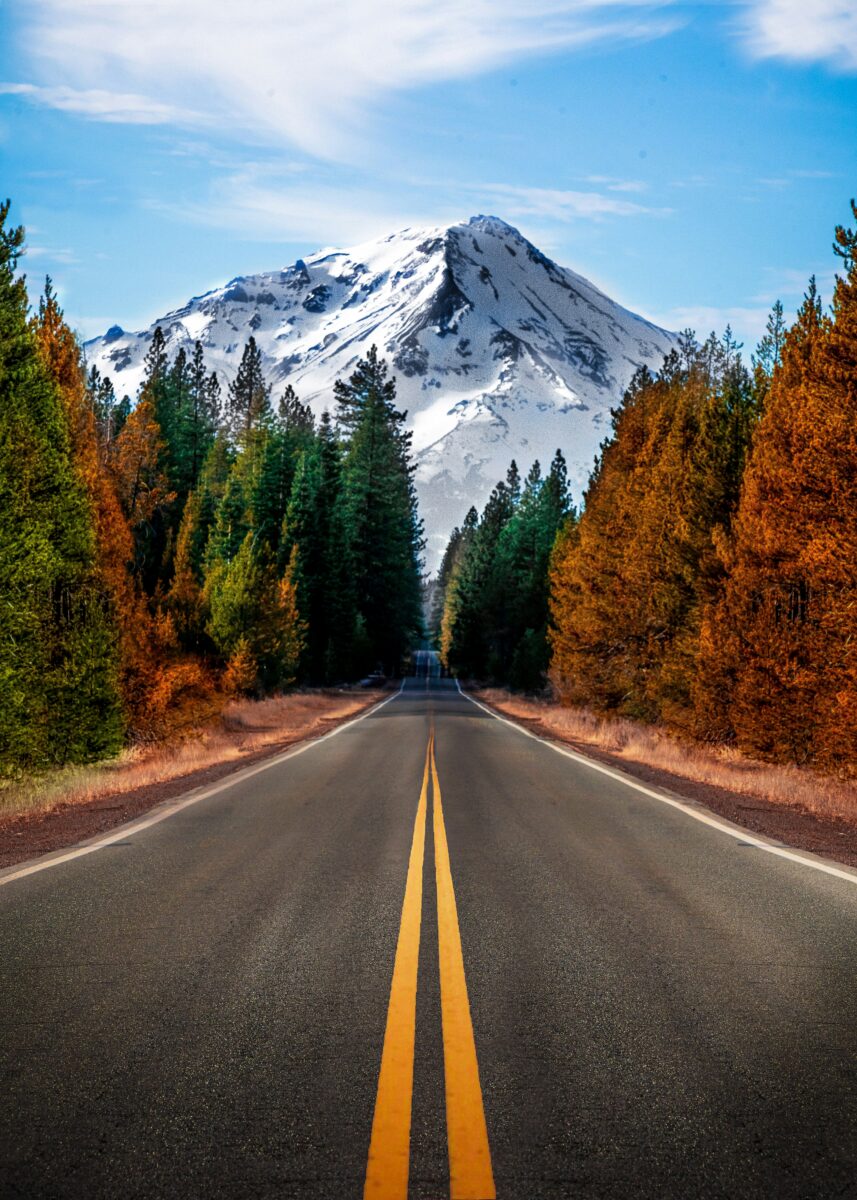
Mount Shasta offers dramatic mountain views as a backdrop to a small, walkable downtown. Fall here leans more on mild weather and scenery than guaranteed foliage displays, since much of the surrounding forest is evergreen. It pairs naturally with a broader Northern California loop, and travelers heading further north might consider beautiful fall destinations in Northern California for additional stops.
Southern California Orchard Towns for Pie and Oak Woodlands
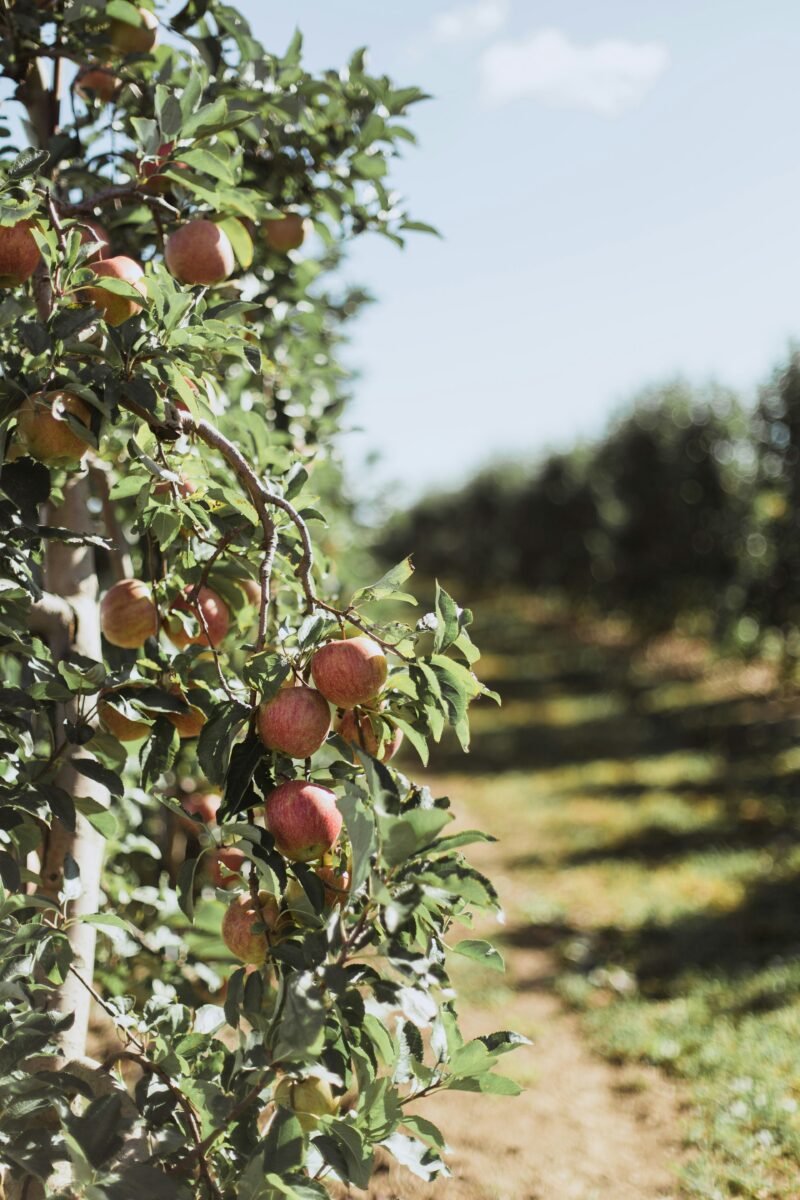
Julian and Oak Glen anchor Southern California's orchard country, where fall means apple picking and pie more than dramatic foliage. Oak woodlands here turn a muted yellow and orange rather than the bright reds found at higher elevation.
Julian: Apple Pie, Lake Cuyamaca, and Late-Season Oaks
Julian is known first for apple pie, and its historic Main Street bakeries draw weekend crowds through the fall harvest season. Just outside town, Cuyamaca Rancho State Park offers oak woodland forest mixed with pines and meadows, along with more than 100 miles of trails for hikers, bikers, and equestrians. Lake Cuyamaca sits within the park and makes an easy add-on to a pie-focused day in town.
The Volcan Mountain Wilderness Preserve, just north of Julian, adds oak and pine forest trails for travelers who want a longer walk than the town itself offers.
Oak Glen: Orchard Visits and Walks at Oak Glen Preserve
Oak Glen centers on its working apple farms, especially the 114-year-old Los Rios Rancho, which sits inside the 909-acre Oak Glen Preserve managed by The Wildlands Conservancy. More than 600,000 visitors make the drive each year to picnic, hike, and pick apples. The preserve includes oak and pine forest, chaparral, and wetland habitat, and admission is free.
Preserve hours run 8 a.m. to 4:30 p.m. from November through March and 8 a.m. to 5:30 p.m. from April through October, so an October visit gets the longer hours while a November trip means planning around an earlier closing time. Families planning an orchard day might also check apple picking in California for other regional options.
Which Nearby Trails Are Worth Adding to an Orchard Weekend?
Palomar Mountain State Park, within range of Julian, adds higher-elevation pine and oak forest for travelers extending their stay. The Five Oaks Trail near Oak Glen gives a shorter, family-friendly walk through oak woodland without a full day commitment. Pairing either orchard town with a short trail keeps the day from being only about shopping and pie.
Southern California Retreats for Cozy Mountain and Valley Weekends
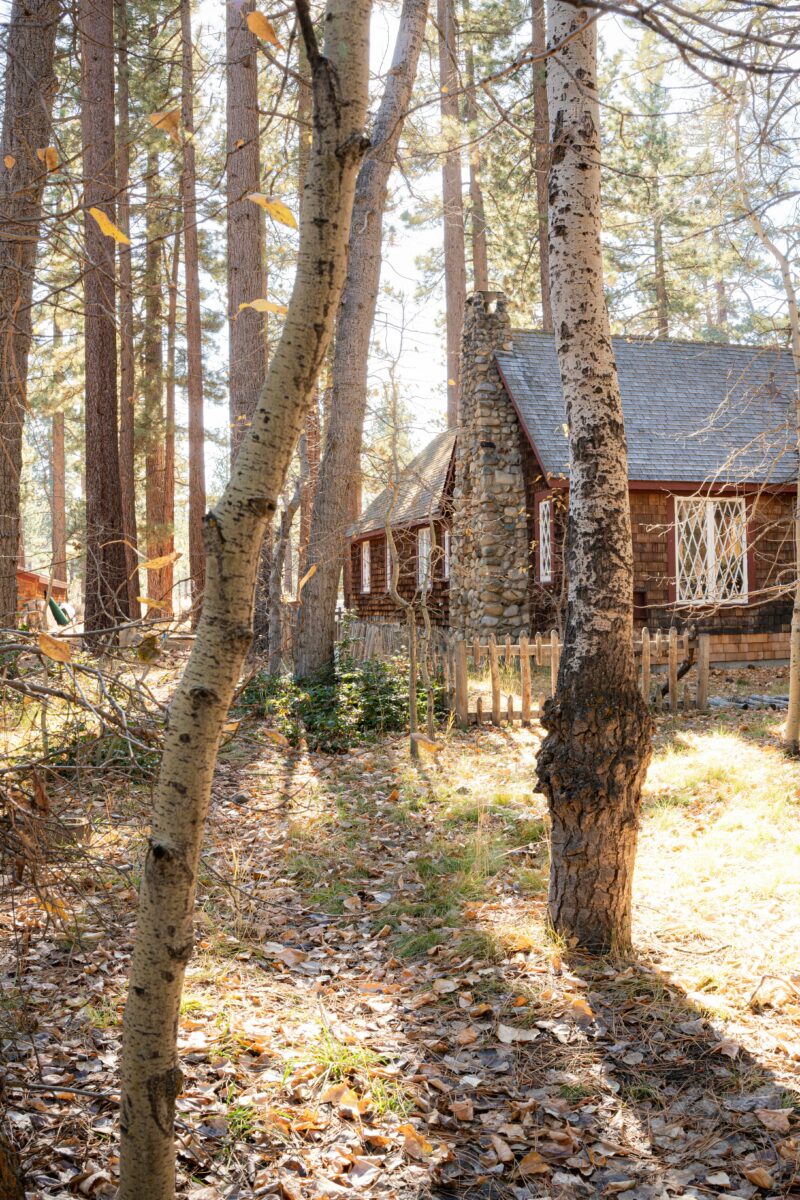
Big Bear Lake, Idyllwild, and Ojai give Southern California travelers three very different cozy-weekend options: a lake town with cabin rentals, a mountain village built around galleries and woodland trails, and a valley town known for soft light rather than cold weather.
Big Bear Lake: Cabin Stays and Easy Neighborhood Color
Big Bear Lake turns into one of the few places in Southern California with a real autumn look, as aspens, maples, and oaks shift to gold, crimson, amber, and yellow from mid-October to early November, according to Big Bear's own fall color guide. The Village area shows off foliage alongside wooden animal carvings and evening lights.
For an easy walk, the Alpine Pedal Path is a flat, fully paved 7-mile round trip along the lake's north shore, while Towne Trail offers a 3-mile round trip through gold, amber, and orange color near the Village, per the same guide. Castle Rock Trail, a 2-mile round trip, climbs through pine and oak forest to panoramic lake views, though visitors should note a parking change: Castle Rock users must now park in the dedicated Castle Rock Trailhead lot at Big Bear Boulevard and Talbot Drive, with a $100 fine for parking along the highway.
Idyllwild: Woodland Walks, Galleries, and Mountain Air
Idyllwild offers a smaller, artsier mountain retreat than Big Bear, built around a walkable village of galleries and shops tucked into pine and oak forest. The town sits at higher elevation than much of surrounding Riverside County, which gives it cooler fall air even when the valleys below stay warm.
Ojai: Golden Light and a Gentler Kind of Autumn
Ojai trades dramatic foliage for golden valley light and a slower pace. Its appeal in fall leans on mild weather, citrus and olive groves, and a walkable downtown rather than changing leaves, making it a good match for travelers who want a relaxed valley weekend over a mountain hike. Those comparing Southern California mountain and valley options might look at beautiful fall destinations in Southern California for more picks.
Wine Country Towns for Harvest Flavors and Vineyard Color
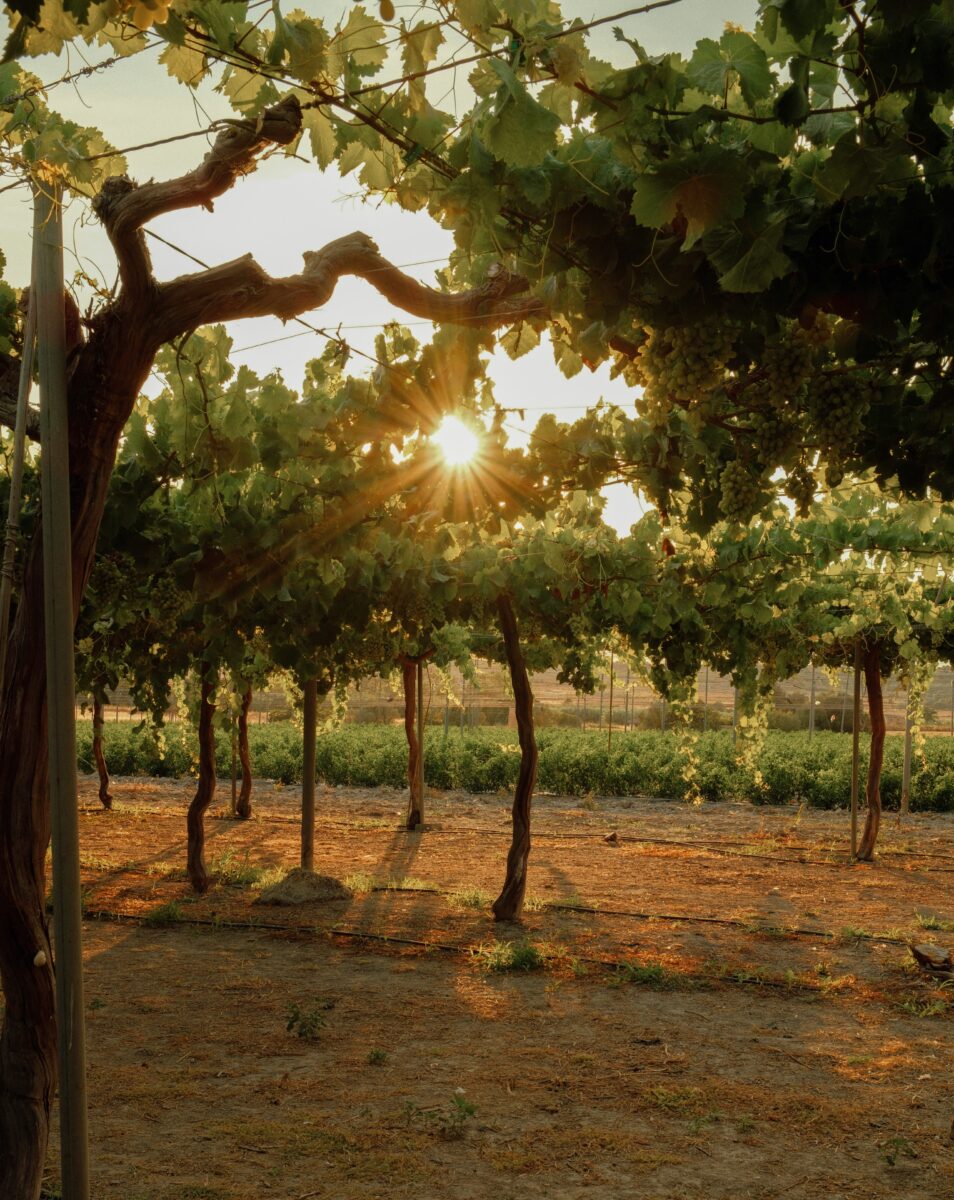
Napa Valley and Sonoma County layer harvest activity, from grape picking to crush parties, on top of vineyards that turn red and gold through October and November. Santa Barbara's wine towns offer a milder, more low-key version of the same harvest season.
Calistoga and St. Helena: Small-Town Bases in Napa Valley
Calistoga and St. Helena give travelers walkable small-town bases at opposite ends of Napa Valley. The 2026 harvest started unusually early, with Round Pond Estate picking its first Chardonnay on July 21 and Chandon in Yountville logging the earliest first pick in its 53-year history three days later. Because of that early start, September became the prime month to catch active crush activity in 2026.
Fall temperatures in Napa Valley average highs near 83°F in September, dropping to 77°F in October and 66°F in November, with lows falling from 53°F to 43°F over the same stretch. November brings fewer crowds and the best display of autumn color, even after the harvest parties wind down.
Glen Ellen and Healdsburg: Sonoma Harvest Escapes
Glen Ellen and Healdsburg anchor two of Sonoma County's quieter wine towns, each close to vineyards that turn bright red and sometimes burnt orange by fall. Fall color in Sonoma County typically peaks from mid-October to early November, with oaks and vineyard leaves shifting from green to yellow to deep orange across Sonoma Valley, Dry Creek Valley, Alexander Valley, and Russian River Valley.
October is considered the best month to combine harvest events with foliage, since it's also the warmest month of the off-season along the Sonoma Coast, per the same source. Travelers planning an orchard-and-vineyard combination trip might also check apple picking in Sonoma County.
Guerneville: River Walks and a Quieter Sonoma County Stay
Guerneville sits along the Russian River and offers a quieter, more rural Sonoma County base than the valley's wine towns. Redwood forests and river walks nearby make it a good complement to a harvest weekend spent mostly among vineyards.
Los Olivos and Solvang: Bakery Stops and Vineyard Drives
Los Olivos and Solvang give Santa Barbara's wine country a Danish-village and small-town character rarely found elsewhere in the state. Santa Maria Valley nearby holds more than a dozen tasting rooms set among rolling hills, with Pinot Noir, Chardonnay, and Syrah suited to its coastal, transverse-valley climate, according to the Santa Maria Valley Wine Trail. Fall here brings milder harvest activity than Napa or Sonoma, with warm days and marine-influenced evenings extending well into October.
Coastal Towns for Autumn Atmosphere Rather Than Peak Foliage
Cambria, Mendocino, and the Central Coast towns around San Luis Obispo offer fall atmosphere built on mild weather and fewer summer crowds, not changing leaves. Their evergreen forests and coastal scrub stay green year-round, so the appeal here is calmer beaches and shoulder-season quiet rather than foliage.
Cambria: Moonstone Beach Walks and Seasonal Village Charm
Cambria pairs a walkable village with the Moonstone Beach boardwalk, a flat coastal path good for a slow morning walk. Hearst Castle sits a short drive north in San Simeon, with vehicle day-use free and tours departing from the visitor center throughout the day. The park closes only on Thanksgiving, Christmas, and New Year's Day, making a fall visit easy to plan around other stops.
Mendocino: Ocean Bluffs, Historic Inns, and Evergreen Scenery
Mendocino sits on coastal bluffs above the Pacific, surrounded by ancient redwood groves rather than deciduous forest. Fall here means historic inns, quiet trails, and mild weather more than color change, and the town markets its autumn season around harvest-adjacent food and wine experiences.
Avila Beach and Nearby Paso Robles: Orchards, Coast, and Wine
Avila Beach offers calm coastal scenery a short drive from San Luis Obispo, while Paso Robles inland brings wine tasting and warmer fall days. San Luis Obispo itself sits roughly 200 miles north of Los Angeles and 230 miles south of San Francisco, making it a natural midpoint stop. The Downtown SLO Farmers' Market runs weekly and gives visitors a reliable harvest-season food stop even without foliage.
Capitola: a Seaside Base for Santa Cruz Area Fall Outings
Capitola gives Santa Cruz County visitors a small, colorful beach town base with easy access to the broader Santa Cruz coastline. Fall weather along this stretch tends to be calmer than summer, with fewer crowds on the beach and boardwalk, making it a reasonable shoulder-season coastal stop for a road trip that also includes redwood parks inland.
When Should You Go for the Best Fall Colors?
Timing depends entirely on elevation. Higher mountain towns peak first, in mid-September, while lower valleys and orchard country don't turn until November, so matching the month to the destination matters more than picking a single “best” week.
September: Start with Higher-Elevation Aspen Groves
September is early-season territory for the Eastern Sierra's highest canyons. Rock Creek Canyon's aspen groves are often the first in the region to turn. Mammoth Lakes typically sees its best color from mid-September through early October. September is also when Napa Valley's harvest activity is often in full swing, especially in years with an early crush.
October: Match Mountain Towns and Gold Country to Local Conditions
October is the broadest peak window across the state. Sonoma County's color typically peaks mid-October to early November, and Big Bear Lake's foliage runs mid-October into early November as well. Gold Country's Nevada City and Grass Valley usually peak mid-October to mid-November. Conditions shift week to week in the mountains, so checking a current local report before driving several hours is worth the five minutes it takes.
November: Look to Orchard Country, Vineyards, and Southern Oaks
November favors lower-elevation destinations. Napa Valley's best overall color display often arrives in November, after the harvest parties wind down and crowds thin out. Southern California's oak woodlands around Julian and Oak Glen also hold color later into the season than the high Sierra, since their lower elevation delays the turn.
How Do You Check Current Foliage and Road Conditions?
Mono County publishes a weekly fall color report, updated every Wednesday by 6 p.m. throughout the season, with location-by-location ratings from “just starting” to “past peak,”. Visit Mammoth runs a similar weekly report and map specific to the Mammoth Lakes area. Checking these before a long drive helps avoid arriving after a windstorm has already stripped a grove, which the Mono County report notes happened to several locations in October 2026.
How Do You Plan a Practical Small-Town Fall Road Trip?
Build the trip around one region rather than trying to chain Gold Country, the Sierra, and Southern California into a single loop. Each area has its own driving distances and seasonal quirks, and matching your starting city to a nearby region keeps the drive realistic.
From Sacramento or San Francisco: a Gold Country Weekend
Sacramento and San Francisco both sit within about two hours of Nevada City, Grass Valley, and Placerville, making Gold Country the easiest weekend loop for Northern California travelers. A simple route links all three towns with Apple Hill as a natural stop between Placerville and the foothills.
From Los Angeles: Choose One Southern California Mountain Base
Los Angeles travelers do better picking one mountain base, either Big Bear Lake, Idyllwild, or Julian, rather than trying to hit all three in a single weekend. Each sits roughly two to three hours from the city, and mountain roads can slow down considerably on fall weekends when orchard and foliage traffic peaks.
Along US 395: Link Eastern Sierra Towns Without Rushing
US 395 connects Bishop, Mammoth Lakes, June Lake, Lee Vining, and Bridgeport in a single north-south corridor, and Mono County recommends traveling this route specifically to catch the color progression from higher to lower elevation. Give this corridor at least two full days; the driving itself is scenic, but stopping at each canyon adds up quickly.
Which Park and City Detours Fit Your Route?
Yosemite National Park connects directly to the Eastern Sierra route through Tioga Road, which is typically open to vehicles from late May or June until sometime in November, according to the National Park Service. Lassen Volcanic National Park and the town of Chico, home to Bidwell Park, offer a northern detour for travelers coming from Sacramento or the Bay Area who want to extend a Gold Country trip further north.
What Should You Reserve and Check Before Leaving?
Camping and lodging reservations through California State Parks follow a cancellation schedule that forfeits the first night's fee for cancellations made two to six days before arrival, and the full reservation for cancellations made within 48 hours. Wineries and restaurants in Napa Valley fill quickly during harvest season, so booking ahead matters more there than in quieter mountain towns. Checking a current fall color or road report the week of travel, rather than relying on a general calendar date, remains the most reliable way to avoid driving hours to a grove that already lost its leaves.


