Everyone Flocks to Big Sur—But San Luis Obispo’s North Coast Is Where the Smart Travelers Go
Big Sur‘s dramatic coastline draws millions every year, but honestly, the crowds and those random road closures can really take the shine off. The San Luis Obispo North Coast gives you those same jaw-dropping Pacific views, quirky beach towns, and wild natural landmarks—minus the mob scene that Big Sur’s become known for. This stretch of Highway 1 between Ragged Point and Edna Valley even snagged a National Scenic Byway and All-American Road designation, which feels well-earned if you ask me.
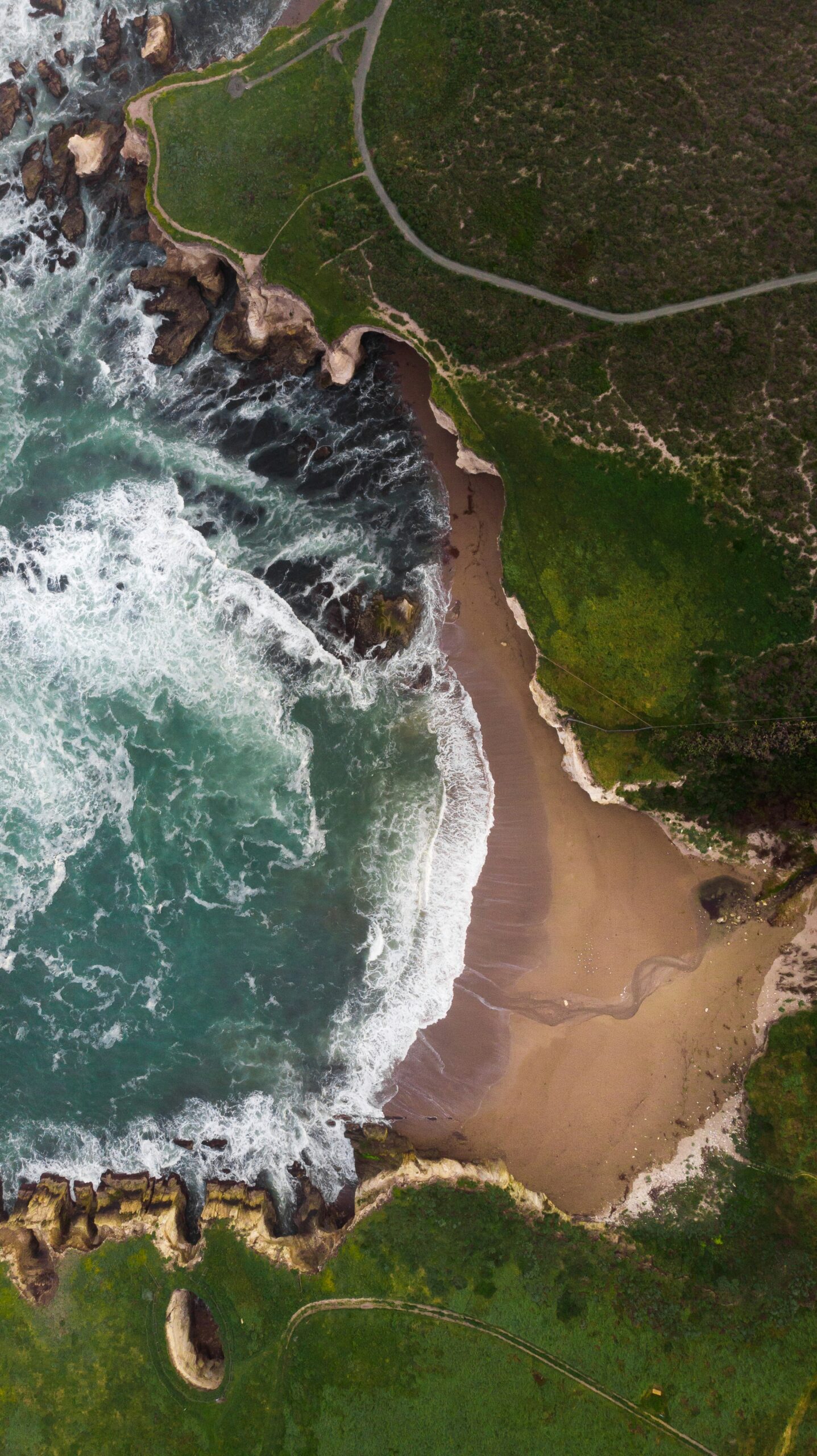
I’ve spent time exploring this 80-mile coastal corridor, and it’s wild how each little town feels totally distinct. You can hang with elephant seals at Piedras Blancas, then skip over to Cambria for beaches covered in moonstones. The whole area still flies under the radar compared to its glitzy neighbor up north.
Whether you’re plotting a day trip from San Luis Obispo or a multi-day coastal road trip, I’ve pulled together the must-see stops, favorite food finds, and a few hidden viewpoints that make this stretch a seriously good alternative. I’ll share what’s worth your time in Morro Bay, why Ragged Point is way underrated, and how to soak up the best of this coastline.
Everyone Flocks to Big Sur—But San Luis Obispo’s North Coast Is Where the Smart Travelers Go
Why Choose the San Luis Obispo North Coast Over Big Sur
Honestly, the San Luis Obispo North Coast gives you those classic Pacific Coast Highway scenes just like Big Sur, except the roads stay open, the crowds are thinner, and you get more to do, no matter the season.
Accessibility and Year-Round Travel Advantages
The San Luis Obispo North Coast Byway covers 57 miles from Ragged Point down to San Luis Obispo, and I can count on driving it pretty much any time. Big Sur, on the other hand, often gets hit by landslides or storms that block the road for months—sometimes even longer.
Highway 1 through SLO CAL usually stays open because the terrain isn’t quite as dramatic (or unstable). I don’t find myself glued to Caltrans updates every time I want to head out.
The location just makes sense. San Luis Obispo County sits almost exactly halfway between San Francisco and Los Angeles, so it’s a much easier weekend getaway—no need to tack on another hour or two of driving like you would for Big Sur.
Stunning Coastal Scenery Without the Crowds
I get the same rugged coastline, dramatic cliffs, and endless Pacific views here, but I don’t have to fight for parking or weave through tour buses. The 100 miles of Pacific coastline in San Luis Obispo County—with about half of it protected—really keeps the landscape pristine.
The scenic drives here deliver those classic California coast moments at places like Ragged Point and Cambria. I can pull over at viewpoints, snap some photos, and just take it in—without the usual chaos.
Big Sur’s gotten so busy that even grabbing a meal or finding a spot on the beach can turn into a whole operation. Here, the San Luis Obispo North Coast still feels like a bit of a secret.
Diverse Activities Along the Central Coast
The San Luis Obispo North Coast Byway corridor offers more variety than Big Sur, which mostly sticks to hiking. Here, I can tour Hearst Castle, wander the Morro Estuary, kayak in calm bays, or bike along the coast.
Every town brings something new. Cambria’s packed with antique shops and tasting rooms. Cayucos still channels that old-school surf vibe. Morro Bay’s all about its massive rock and bustling waterfront, with some of the best seafood around.
I can hop over to inland wine country just minutes from the ocean—something you won’t find in Big Sur. Outdoor fun ranges from hiking and biking to kayaking, all packed into a driveable area. No need for marathon drives between stops like in Big Sur, where everything’s so spread out.
Essential Stops Between Cambria, Cayucos, and Beyond
This stretch of Highway 1 through San Luis Obispo County's North Coast serves up wild coastal views, beach towns with real personality, and some surprises you’d never expect. Every stop has its own flavor, from surf breaks to cliffside overlooks that honestly rival anything up north.
Cambria: Moonstone Beach and Local Cuisine
Cambria feels like an artist’s hideout on the coast, with Moonstone Beach as the main draw—named for the smooth, glassy stones that roll in with the tide. The Moonstone Beach Boardwalk runs about a mile along the bluffs, so you get ocean views without the crowds you’d find further south.
The boardwalk’s a great place to spot wildlife. Harbor seals hang out on the rocks, and if you’re lucky during migration season, you’ll catch gray whales passing close to shore.
The town’s got a thing for olallieberry pie—a local favorite made from a berry that tastes like blackberries met raspberries. Several bakeries and restaurants serve it up, and honestly, it’s worth a try at one of the farm-to-table spots that highlight Central Coast ingredients.
Cambria also has tidepools at low tide and a slower pace that’s a breath of fresh air compared to the busier beaches. You’ll find art galleries, antique stores, and a good mix of cozy B&Bs and coastal inns.
Cayucos: Surf Culture and Historic Pier
Cayucos keeps its surfer soul alive, anchored by a pier that stretches 940 feet into the Pacific. The beach here is wide and sandy—perfect for swimming, surfing, or just hanging out.
Local surfers paddle out year-round, since Cayucos Beach offers steady waves for all skill levels. The town hasn’t gotten overbuilt, so it’s still got that easygoing, small-town vibe.
The pier, built back in 1875, lets anyone fish (no license needed) and gives you sweeping views up and down the coast. At the base, you’ll find Cayucos Beach, which is way less crowded than Pismo Beach down the road.
Notable features:
- Consistent surf breaks
- Wide sandy beach
- Working fishing pier
- Small-town atmosphere
The drive from Cambria to Cayucos takes about 20 minutes along Highway 1, with ocean views the whole way.
Ragged Point: The Million Dollar View
Ragged Point doesn’t get nearly the attention it deserves. Sitting at the northern tip of San Luis Obispo County, this clifftop spot delivers sweeping views from 300 feet above the ocean.
A wooden staircase drops about 0.3 miles down to a waterfall and a tucked-away beach. The hike down feels steep but doable, and you get rewarded with up-close coastline views and a hidden cove at the bottom.
The lookout up top doesn’t require any hiking, so you can just step out and take in the scene. On clear days, the views stretch for miles in both directions. This is one of those classic Highway 1 stops that doesn’t need much planning or permits.
Ragged Point marks where the easygoing North Coast gives way to the wilder, more remote Big Sur. You’ll also spot the southernmost redwoods along the coast here.
Baywood-Los Osos and Montaña de Oro State Park
Baywood-Los Osos sits on the quiet side of Morro Bay, a laid-back coastal community with direct access to one of California’s best state parks. Montaña de Oro State Park protects over 8,000 acres of coastline, bluffs, and wilderness.
I wandered down to Spooner’s Cove, the main beach, where dramatic rocks frame a sandy inlet. The Bluff Trail hugs the cliffs with nonstop ocean views, and in spring, wildflowers turn the headlands gold.
What to explore at Montaña de Oro:
- Spooner's Cove – Sheltered beach with picnic spots
- Bluff Trail – Three-mile coastal path with ocean views
- Tidepools – Easy to reach at low tide near the cove
- Hiking trails – Over 50 miles of trails, from mellow to challenging
The park’s name means “Mountain of Gold,” thanks to those wildflowers. Facilities are minimal, so even during busy times, it stays pretty mellow.
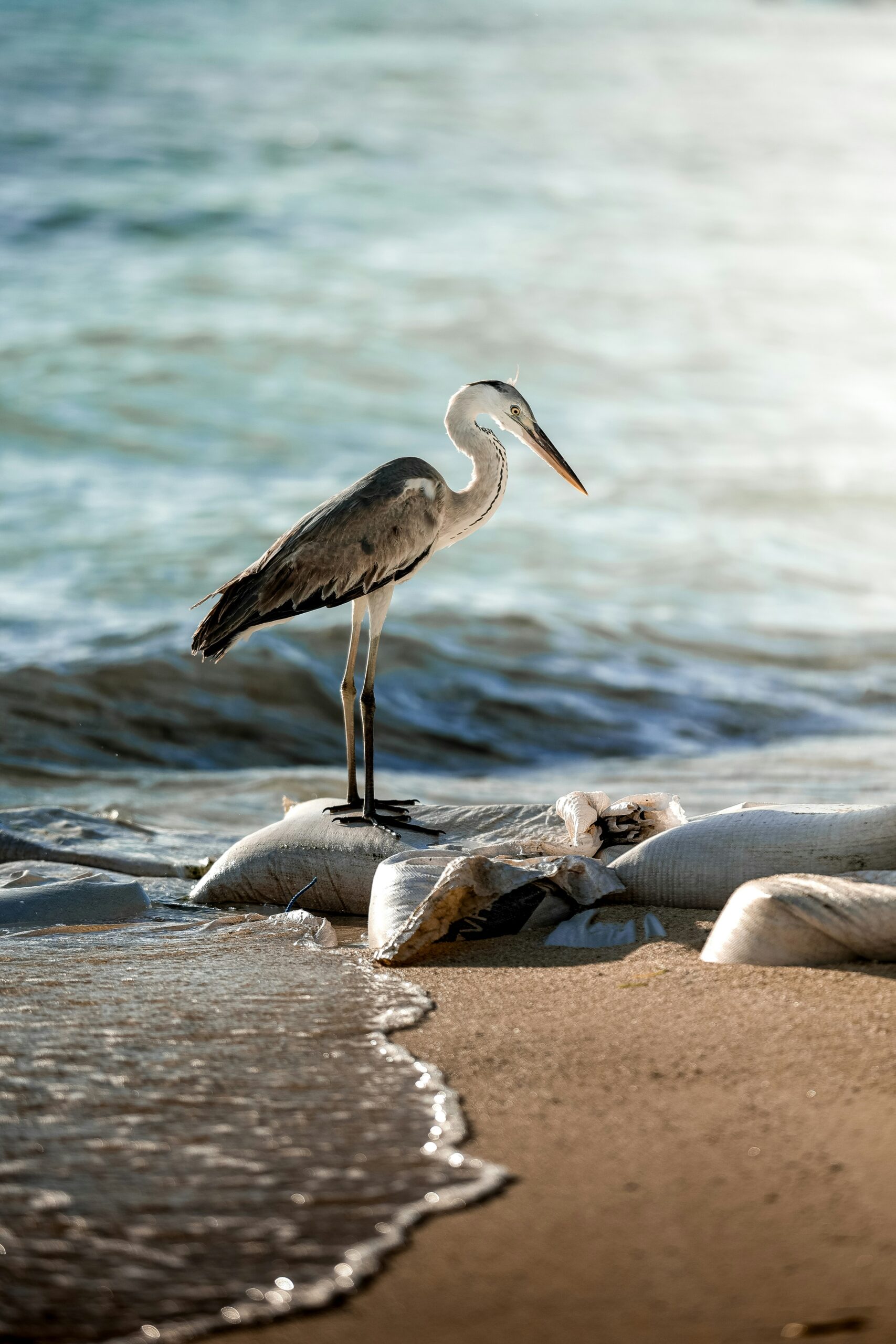
Baywood itself has waterfront dining and kayaking in Morro Bay’s back bay. I’ve spotted sea otters, herons, and other wildlife drifting through the calm estuary.
Morro Bay Travel Guide: Activities, Dining, and Local Gems
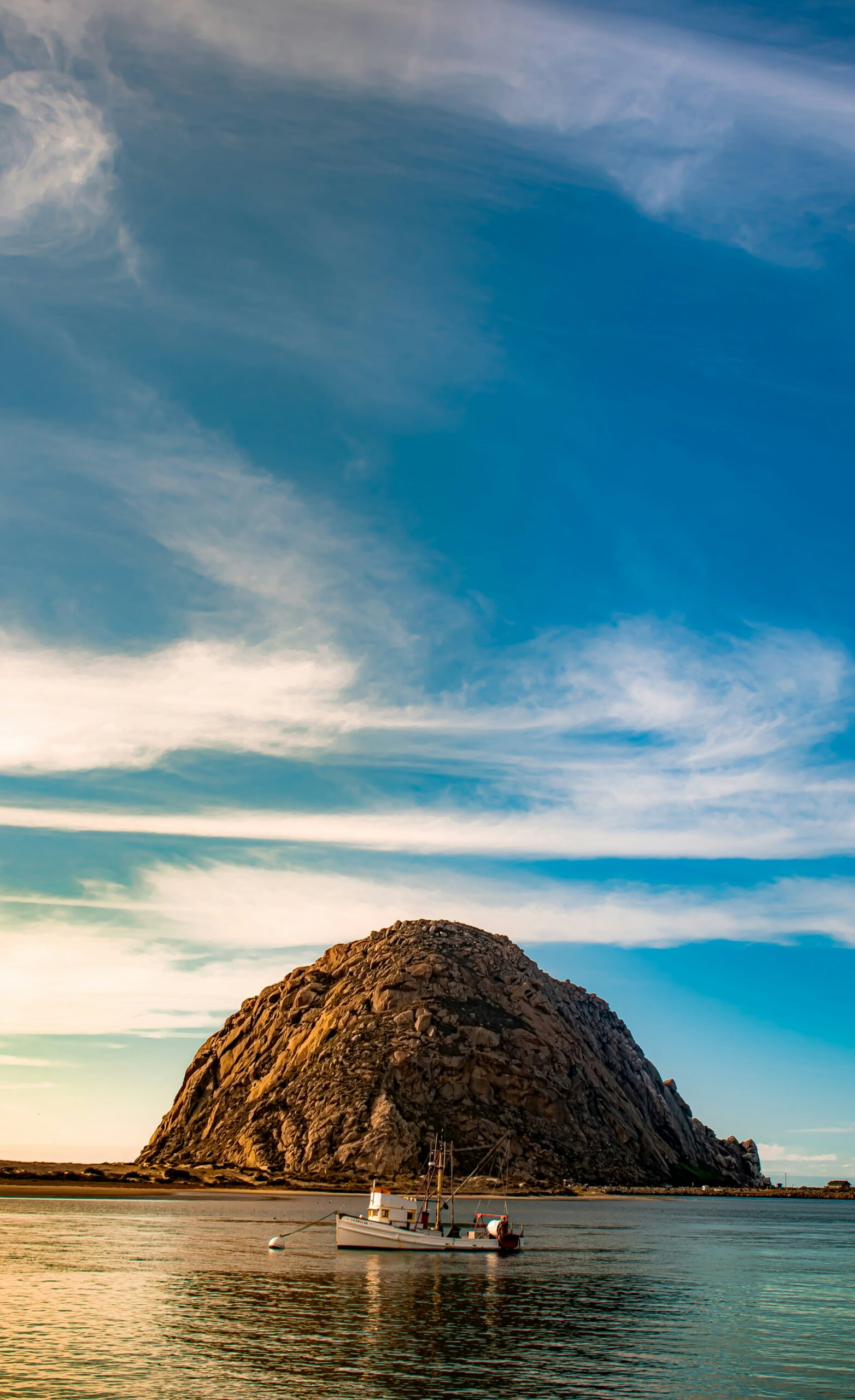
Morro Bay centers around its iconic volcanic rock and working waterfront, where I’ve watched sea otters floating in the kelp and harbor seals sunning themselves on the docks. The town mixes outdoor fun with a laid-back fishing village feel—think kayaking the estuary, hiking Morro Bay State Park, and fresh seafood joints along the harbor.
Exploring Morro Rock and Embarcadero
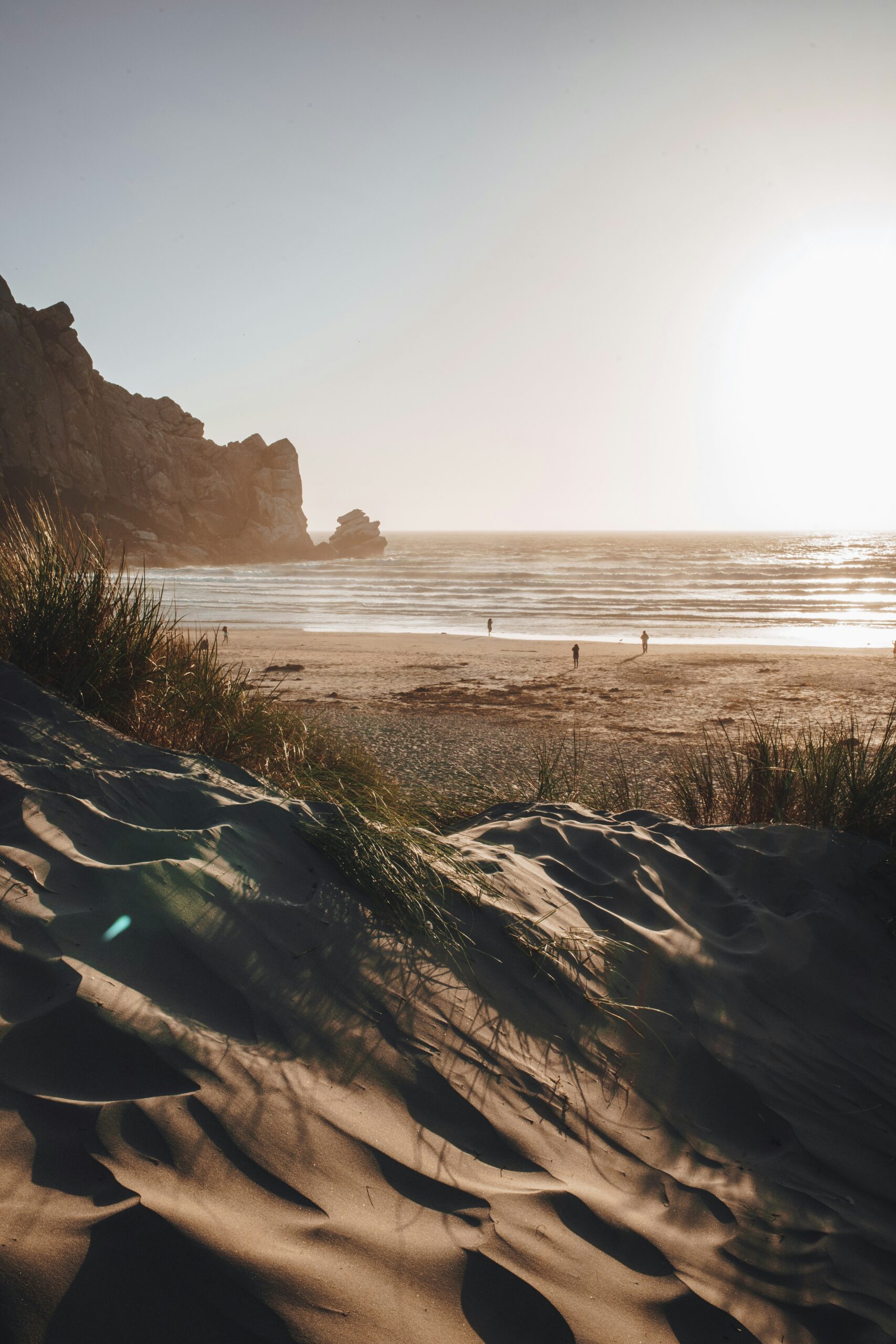
Morro Rock towers 581 feet above the water and gives peregrine falcons a nesting spot. You can walk around the base (climbing’s off-limits to protect the birds), and the Embarcadero runs right along the waterfront, lined with antique shops, restaurants, and harbor views.
From the Embarcadero, I often spot sea otters tangled in kelp and harbor seals lounging on floating docks. Early mornings and late afternoons seem best for wildlife. The waterfront path links up with the marina, where fishing boats bring in the day’s catch.
Embarcadero Highlights:
- Platforms for watching sea otters and seals
- Kayak and paddleboard rentals
- Active fishing harbor
- Scenic waterfront walkway
Morro Bay State Park and Outdoor Adventures
Morro Bay State Park sprawls across tidal wetlands, eucalyptus groves, and Black Hill—one of the Nine Sisters volcanic peaks. I usually take the Black Hill Trail to catch those wide-open views of the bay and Morro Rock. The park packs in kayaking, bird-watching, fishing, sailing, hiking, and biking over 2,700 acres of coastal habitat.
The bay stays calm, so even if you’re new to kayaking, you’ll feel right at home. I like paddling through the estuary, keeping an eye out for herons, egrets, and all kinds of shorebirds in the marsh. You’ll also find mountain biking trails weaving through the park’s hills.
In winter, gray whales pass by the coast, and you can try your luck at whale watching. The Museum of Natural History sits inside the park and gives you the backstory on local volcanic formations and marine life.
Top Restaurants and Seafood Picks
Tognazzini's Dockside sits right on the harbor, where fishing boats unload their catch. I usually just order whatever came in that morning—rockfish, salmon, sometimes halibut. You can actually see the boats that brought in your meal from the dining room.
Recommended Restaurants:
- Tognazzini's Dockside: Fresh fish from local boats, clam chowder in sourdough bowls
- Dutchman's Seafood House: Abalone when they have it, ocean views
- Giovanni's Fish Market: Take-out fish and chips, smoked fish
- The Libertine Brewing Company: Pub food and local craft beer
Most spots cluster along the Embarcadero and Morro Bay Boulevard. I’ve found better deals at fish markets that do prepared meals too. If you want more variety, downtown San Luis Obispo is just 15 minutes south.
Iconic Sights and Experiences: San Simeon, Hearst Castle, and More
The San Simeon area brings together some of California’s most unique attractions, from Hearst Castle’s 165 roomsperched on a hilltop to massive elephant seals lounging on coastal beaches. I’ve noticed this stretch of coastline mixes architectural grandeur, easy wildlife viewing, and quick access to wine country.
Historic Attractions: Hearst Castle and Piedras Blancas
William Randolph Hearst started building his estate in 1919, calling it “La Cuesta Encantada,” or The Enchanted Hill. By 1947, he’d added the twin-towered Casa Grande, three guesthouses, and 127 acres of gardens, fountains, and pools.
Architect Julia Morgan turned Hearst’s vision into reality—she was the first female architect in California to design a project this huge. The estate has 165 rooms, with highlights like the Gothic Study where Hearst read his newspapers and the Neptune Pool, which they refilled in August 2018 after restoration.
I’d suggest booking one of the tours up to 60 days ahead. The Grand Rooms Tour shows off the main guest spaces, while the Upstairs Suites Tour takes you through Casa Grande’s upper floors. If you’re into architecture, the Julia Morgan Tour digs deeper into her work (it’s seasonal and runs about two hours).
The Piedras Blancas Light Station stands just north of San Simeon. You can take a guided tour of this 1875 lighthouse and get a glimpse into California’s maritime history.
Wildlife Watching: Elephant Seals, Monarch Butterflies, and Tide Pools
The Piedras Blancas elephant seal rookery gives you a front-row seat to these giant marine mammals year-round from roadside pullouts. December to March is peak breeding season—bulls weighing up to 5,000 pounds fight for territory while females give birth and nurse pups.
April to August is molting season, so you’ll see seals shedding their skin in patches. From September through November, juveniles hang out and practice their social skills before the adults come back for breeding. The viewing area has signs and docents around to answer questions during the busy months.
Monarch butterflies cluster in eucalyptus groves along the coast from October to February. I usually spot them in Cambria’s pine and eucalyptus trees—thousands of butterflies bunch together during their winter migration. It’s kind of magical.
Tide pools line the rocky shoreline, full of starfish, anemones, crabs, and sea urchins at low tide. I always check the tide tables before heading out—timing is everything for the best views.
Wine Regions and Charming Inland Towns
Paso Robles sits about 30 miles inland from San Simeon and anchors a wine region packed with more than 200 wineries. Around here, folks produce bold Zinfandels, Cabernet Sauvignons, and Rhône-style blends. The area's microclimates split it in two: west side stays cooler, while the east side gets warmer—perfect for different grape varieties.
Templeton and Atascadero border Paso Robles, each with their own smaller tasting rooms and family-run vineyards. Edna Valley and Arroyo Grande Valley hug the coast near San Luis Obispo, specializing in Chardonnay and Pinot Noir that soak up the marine influence.
Honestly, I usually keep wine tasting trips to a half-day from wherever I'm staying on the coast. That way, I can hit three or four wineries and still have energy left for the beach. Just a heads up: lots of wineries want reservations, especially on weekends.
These inland towns slow things down a bit with farm-to-table restaurants, quirky antique shops, and a pace that's nothing like the busy coast. Templeton's Main Street hangs onto its old-school charm, and Atascadero circles around a sunken garden and a downtown that's got a colony vibe.


