Best Places to Camp in California (2026 Guide + Hidden Gems)
California’s got an almost ridiculous range of camping—from 800 miles of wild coastline and alpine forests to dry valleys and mountain hideaways. The best camping in California covers everything: beach sites where you drift off to waves, high-up forests with ancient trees, clear lakeside spots, and desert outposts with more stars than you can count. After years of bouncing between campgrounds from the Oregon border down to San Diego, I’ve realized picking the right spot really comes down to knowing what each region actually offers, and when to go.
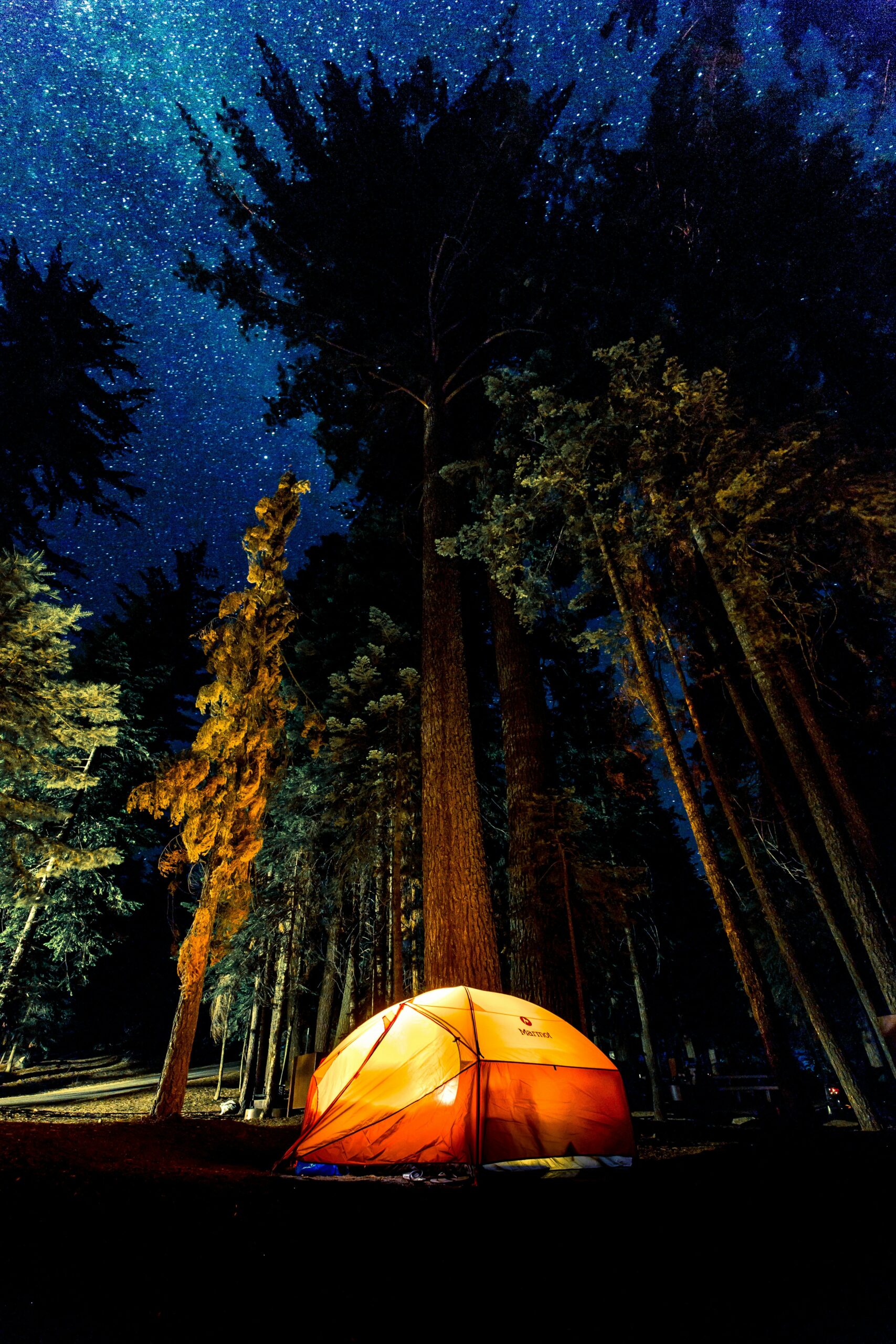
Honestly, camping in California can feel overwhelming—hundreds of killer locations, but only so many weekends. The best coastal campgrounds? They’re gone six months out. Meanwhile, some forest gems let you walk in and claim a spot if you time it right. You’ll find everything from full-blown amenities (think hot showers and fire rings) to wilderness sites where you’re totally on your own.
This guide breaks down California’s best camping by landscape—beaches, forests, deserts, lakes. I’ll throw in some specific campground picks, how to actually book them, the best times to go, and what you’re getting for your money (or not). I’ll also talk about amenities, costs, and what makes each spot stand out.
Best Places to Camp in California (2026 Guide + Hidden Gems)
Essential Criteria for Choosing Campgrounds
California campgrounds are all over the map when it comes to setting, amenities, and how easy they are to reach. You’ve got to figure out what matters most for your trip, or you’ll end up with something that doesn’t fit what you wanted.
How to Select the Right Campground for Your Adventure
I always start with what I want to do. Beach camping’s a whole different animal compared to forest or desert trips. If surfing’s the plan, I look for campgrounds where I can walk to the waves. For hiking, I care way more about trail access than being right on the ocean.
RV camping brings its own set of quirks. I check max vehicle length, pad type, and if sites fit slide-outs—lots of gorgeous spots cap RVs at 25-31 feet, so big rigs are out.
If I’m after lake camping, water access is key. I look for boat ramps, beaches, or fishing piers depending on what I’m hoping to do. Forest campgrounds call to me when I want shade, cooler air, and easy hiking. Desert camping is my move when I want peace, dark skies, and warm winter nights.
For longer trips, I pay attention to how close I’ll be to groceries, gas, or a burger. Remote campgrounds feel more wild, but you’ve got to bring everything with you.
Seasonality and Reservations in California
California's camping season never really stops, but timing changes everything. Summer weekends at coastal campgrounds? You’ll need to book right when reservations open at ReserveCalifornia.com—six months out, on the dot.
I’ve found shoulder seasons (April-May, September-October) hit the sweet spot: nice weather, fewer people, and sometimes you can even score a last-minute spot. It’s just more relaxed.
Winter camping in Southern California’s deserts is honestly perfect—cool nights, comfortable days. Summer in the desert? Forget it, unless you like baking. Mountain campgrounds usually shut down November through April because of snow.
First-come, first-served sites exist at some campgrounds, but I only try for those if I can arrive midweek or off-season. I never risk it on peak weekends.
Key Amenities: Hookups, Playgrounds, and Campfire Rules
Hookups make a huge difference for RV folks. Full hookups mean water, electric (30 or 50 amp), and sewer. Most California state parks don’t offer them, but private RV parks usually do—for a price.
I always double-check what’s included. Sometimes you get water and electric, but no sewer. Other times, it’s just electric. Dry camping (no hookups) is cheaper, but you need to be self-sufficient.
Playgrounds are a must if you’ve got kids. Big campgrounds usually have them, but the smaller or wilder spots often don’t. I always check the map before booking a family trip.
Campfire rules change constantly. Fire bans pop up all summer and fall when wildfire risk climbs. I check every time before I go. Some places have fire rings at each site, others make you use a shared area. You can’t collect firewood in most places—I buy heat-treated wood nearby to avoid spreading bugs and diseases.
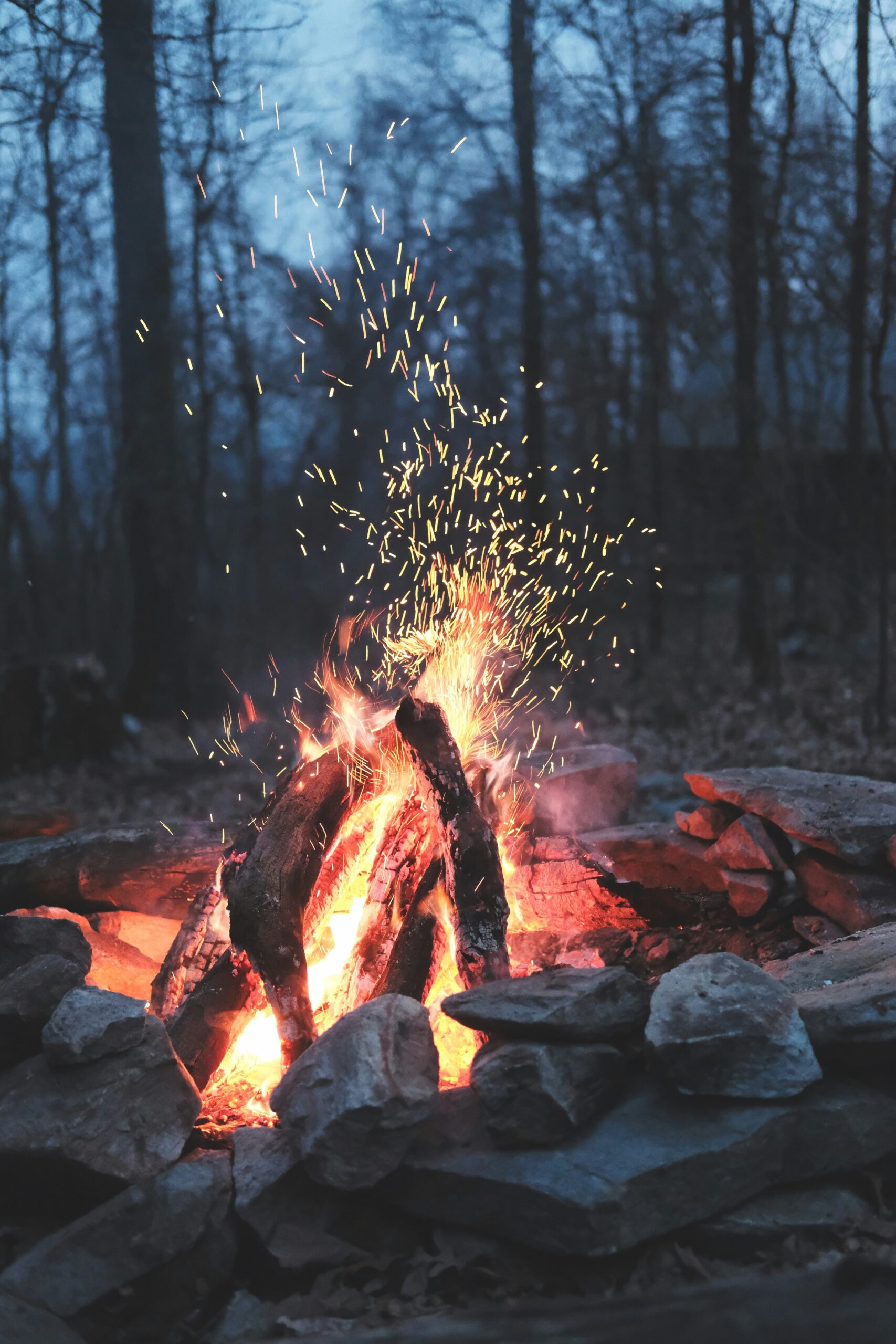
Unmissable Coastal Camping Experiences
California’s 840-mile coast hands out some wild camping options, from cliffside Big Sur spots to laid-back family beaches in the south. Coastal camping experiences run the gamut—barebones tent sites with killer views to glamping setups with all the comforts.
Dramatic Cliffside and Beachfront Sites
Kirk Creek Campground is my personal favorite for jaw-dropping ocean views. All 33 sites (tent and RV) sit right off Highway 1, and every spot gets a panorama. Plus, your permit covers Sand Dollar Beach and Pfeiffer Beach—huge bonus.
MacKerricher State Park, up by Fort Bragg, has 140 sites tucked into a crazy mix of tide pools, dunes, forest, and wetlands. I’ve seen harbor seals here and caught glimpses of migrating gray whales right from camp.
Refugio State Beach in Goleta offers 66 dry campsites on a perfect crescent beach, with Channel Islands views. You get picnic tables and fire pits, and it’s only 20 minutes from Santa Barbara’s wine scene. Not bad.
Family-Friendly Beaches and California Hot Spots
San Elijo State Beach in Cardiff-by-the-Sea is a magnet for surfers from March to November. Families love it because you can walk to Seaside Market or VG Donut & Bakery. The on-site Eli Howard Surf School is worth checking out if you want lessons.
Doran Regional Park, up in Bodega Bay, has 120 sites right next to a mellow, sandy beach. It’s perfect for dog walks, birding, or hunting for sand dollars. The jetty’s a local spot for fishing and crabbing, too.
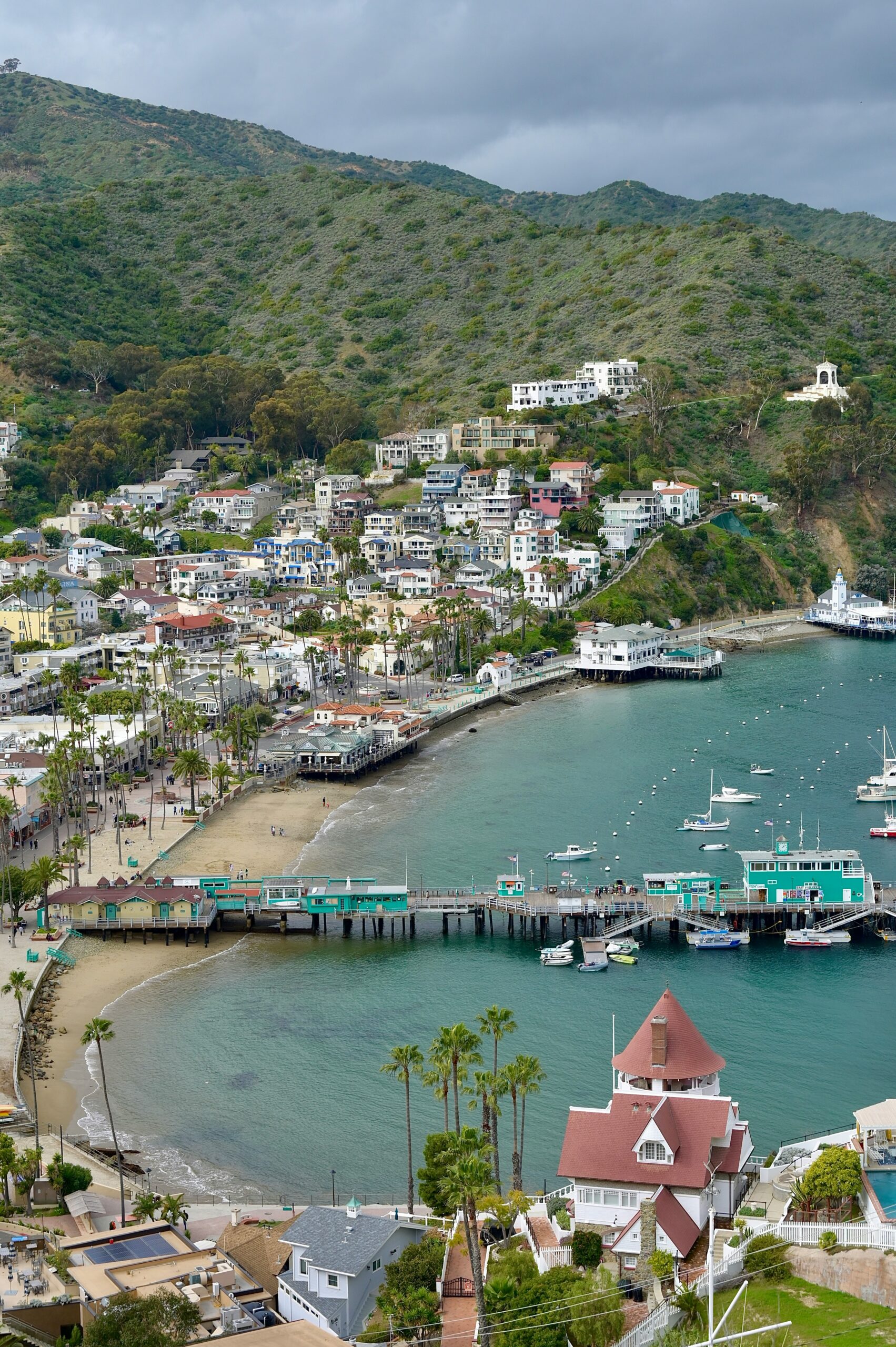
Two Harbors Campground on Catalina Island gives you 42 sites, 13 canvas tents, and three group areas. Ferries from Newport, Dana Point, Long Beach, or San Pedro make it easy to get there. I usually rent kayaks or snorkel gear on site—super convenient.
Coastal Glamping: Comfort Meets Ocean Views
Crystal Cove State Beach has 32 rustic backcountry sites, but the Historic District cottages take it up a notch. They range from studios to two-bedroom houses, and honestly, the interpretive programs—tidepooling, birding, sea glass jewelry—add something special.
Glamping Amenities at Crystal Cove:
- Fully furnished beach cottages
- Kitchen facilities
- Ocean-view porches
- Access to Moro Canyon trails
- On-site interpretive programs
Most oceanfront campsites book up to a year out. If you can, go midweek in autumn—the crowds are gone but the weather’s still great. North of Santa Cruz, pack layers; coastal fog and wind can roll in any time, no matter what the forecast says.
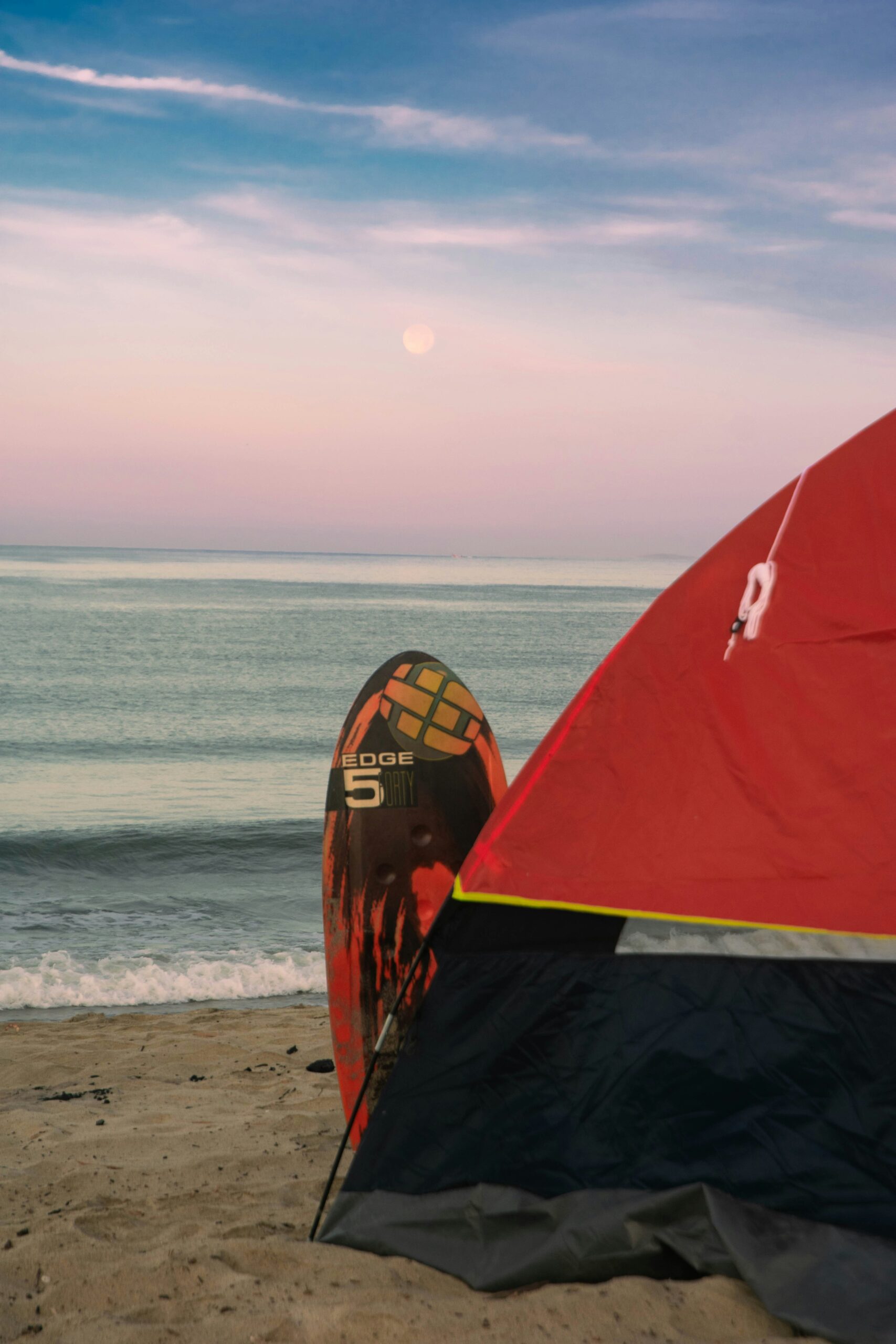
Top Forest and Mountain Retreats
California’s mountain campgrounds are a lifesaver in summer—cool, shady, and packed with wildlife. These elevated spots let you escape the heat and get right into the thick of the state’s wildest places.
Camping Among Redwoods and Oak Trees
The forested campgrounds here cover everything from coastal redwoods to inland oak woods and mountain pines. Best forest camping in California means pitching your tent under ancient trees that keep it cool and calm year-round.
Mendocino Grove is a glamping favorite—big canvas tents (12′ x 14′ or 16′ x 20′) on wooden decks, furnished with beds, blankets, and lights. You get fully stocked bathrooms with organic toiletries and hot showers. Not exactly roughing it.
Chimney Creek Campground sits at 5,700 feet, surrounded by pines and oaks. It’s pretty basic—picnic tables, restrooms—but feels remote and rarely crowded. When I want solitude, I head here.
Pineknot Campground (6,900 feet) sits among fir, oak, and pine at the base of Snow Summit Ski Resort. It’s reliably cool in summer, and when the snow melts, you can ride bikes on old ski trails.
Iconic National Park Campgrounds
Yosemite and Sequoia-Kings Canyon have the state’s most famous mountain campgrounds. North Pines Campground in Yosemite Valley sits at 4,000 feet, wedged between granite walls and waterfalls. Each site has a paved slab, picnic table, food locker, and fire pit.
Lodgepole and Dorst Creek Campgrounds are both tucked inside Sequoia National Park’s giant sequoia groves. Trails to lakes, rivers, and streams start right from camp. Sunset Campground has 157 sites and two group areas, with Tokopah Falls and the General Sherman Tree nearby.
Cold Springs Campground is a bit of a trek—about 90 minutes from Sequoia’s entrance—but you get tent-only sites right on the Kaweah River. Aspen and evergreens dominate here, and the vibe’s quiet, even though amenities are pretty limited.
Accessible Hiking Trails and Wildlife Encounters
Mountain campgrounds give you direct trail access for all skill levels. From what I've seen, if you're near a stream or lake, your odds of spotting wildlife go way up—especially around dawn and dusk. Deer, black bears, squirrels, and all sorts of birds hang out in these forests.
Many campgrounds link up with day hikes, from mellow lakeside strolls to tough climbs. The Giant Forest area has paved paths that work for everyone, but if you want to head into the backcountry, you'll need a permit and to plan ahead. Trail conditions change with the seasons—snow often blocks higher trails from November through May.
If you want to see wildlife, you need to use the bear lockers for food storage. I always keep my distance and never feed animals—it's better for everyone that way.
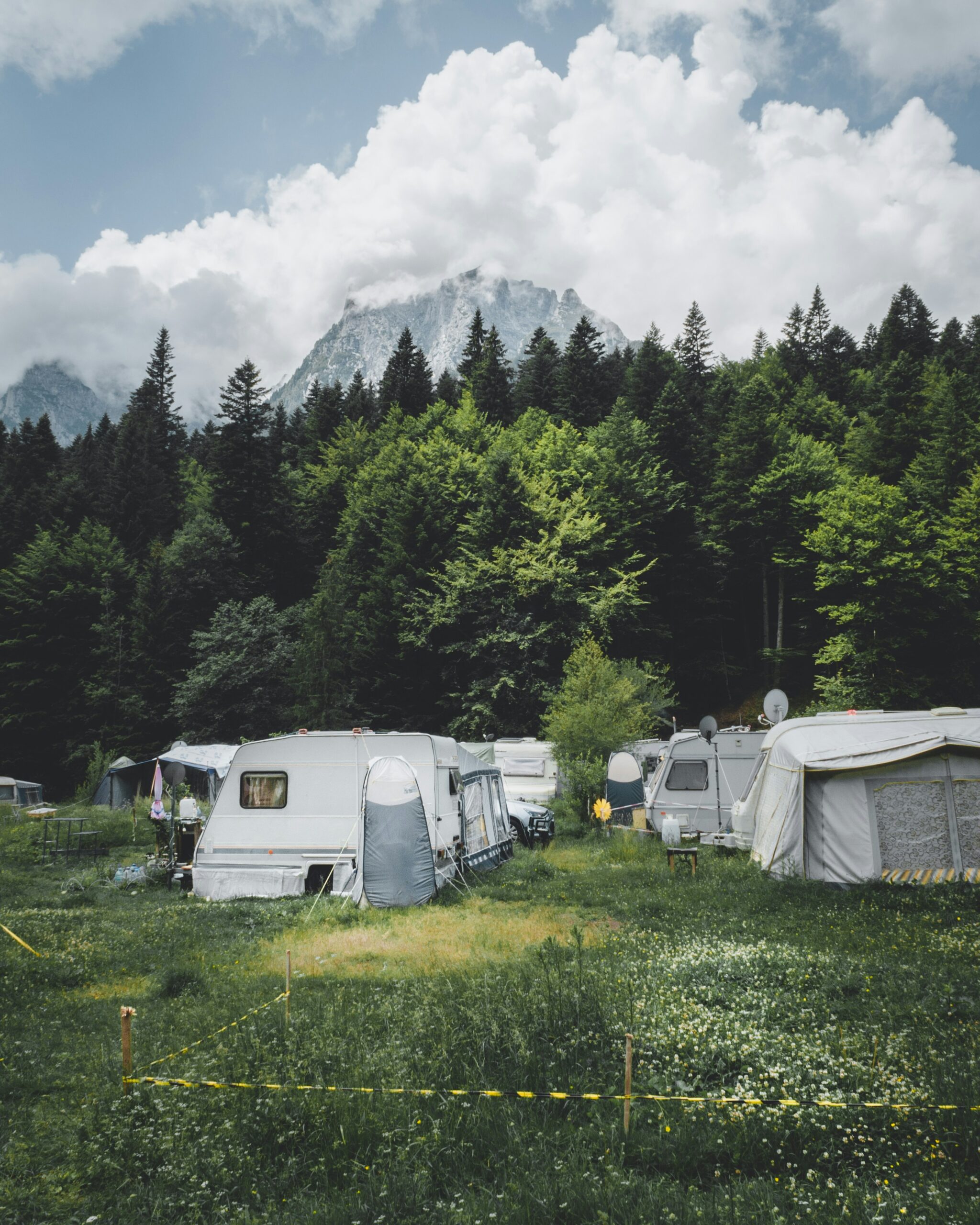
Epic Lake and River Camping Locations
California's freshwater campgrounds put you right by lakes and rivers where paddleboarding, fishing, and swimming become part of the daily rhythm. I've found everything from busy lakeside resorts to hidden riverside spots deep in the national forests.
Best Lakeside Campgrounds for Nature Lovers
Big Bear Lake campgrounds offer year-round fun near the San Bernardino National Forest. Serrano Campground stands out for its modern amenities and easy lake access.
Lake Siskiyou Camp Resort sits on the southwest shore and gives you those big Mount Shasta views. There are fishing docks, cabin rentals, and a laid-back vibe that's great for families.
Shasta Lake camping covers several spots along the Sacramento River arm. Antlers Campground and Lakeshore East have reliable facilities, while Bailey Cove, which takes reservations, is right near the Holiday Harbor Resort marina.
Lake Berryessa, not far from San Francisco Bay, lets you camp on houseboats or pitch a tent. The 160-mile shoreline at Lake Don Pedro means you can explore for days in the Sierra Nevada Foothills.
Paddleboarding and Water Recreation Retreats
Clear Lake State Park in Kelseyville has 149 developed campsites spread across four campgrounds. The lake's no-wake zone along Cole Creek is perfect for kayaking and paddleboarding.
June Lake camping areas really come alive in summer, with top-notch trout fishing, sailing, and boating. Silver Lake Campground on June Lake has a boat ramp and creekside campsites.
Lake Almanor's North Shore Campground runs along more than a mile of shoreline. The recently updated resort rents out watercraft and has all the gear you'll need.
Trinity Lake's Alpine View Campground is a favorite among boaters, with good trails and bear-proof lockers. Lake Nacimiento, about 30 miles from Paso Robles, charges an entrance fee that covers the swimming pool, boat launches, and sports courts.
Hidden Freshwater Camping Gems
Blue Lakes Campgrounds near Eldorado National Forest pull in anglers and kayakers with paved parking and accessible sites. You get bear boxes, vault toilets, and piped water, plus boat ramps at both Upper and Lower Blue Lakes.
Lake Alpine Recreation Area covers 180 acres along State Highway 4 in Bear Valley. You can swim and fish in summer, then come back in winter when it turns into Lake Alpine SNO-PARK for snowmobiling.
Holcomb Valley Campground at Big Bear Lake runs first-come, first-served from May through October. The family sites fit eight people and have picnic tables, fire rings, and bear boxes.
Lake Isabella sits along Sequoia National Forest and hosts events like Whiskey Flat Days and the Isabella Lake Fishing Derby. Lassen Campgrounds along Hat Creek near Lassen National Forest come with fire rings, barbeques, and easy access to Fishermen's Trails.
Desert Landscapes and Unique Hidden Spots
California's deserts serve up some of the most dramatic camping around, from campgrounds tucked beside wild rock formations to remote sites where you can crash under ridiculously dark skies. These dry places are all about wild geology, epic stargazing, and actually getting away from crowds for once.
Iconic Desert Campgrounds: Joshua Tree and Beyond
Joshua Tree National Park has several great campgrounds spread across its 800,000 acres. Jumbo Rocks Campground is a standout, with 124 sites tucked among huge boulders that give you a bit of privacy. I love how close it is to the climbing routes and trails like Skull Rock.
The park offers about 500 campsites across eight campgrounds, and most need reservations up to six months ahead on recreation.gov. Hidden Valley Campground is another solid pick, close to climbing and just 14 miles from Joshua Tree town.
Death Valley National Park feels like a whole different planet. Furnace Creek Campground runs year-round with 136 sites and has full hookups, so it's the most built-out option. If you want more solitude, Texas Spring and Wildrose campgrounds are simpler and quieter.
Solitude and Stargazing Destinations
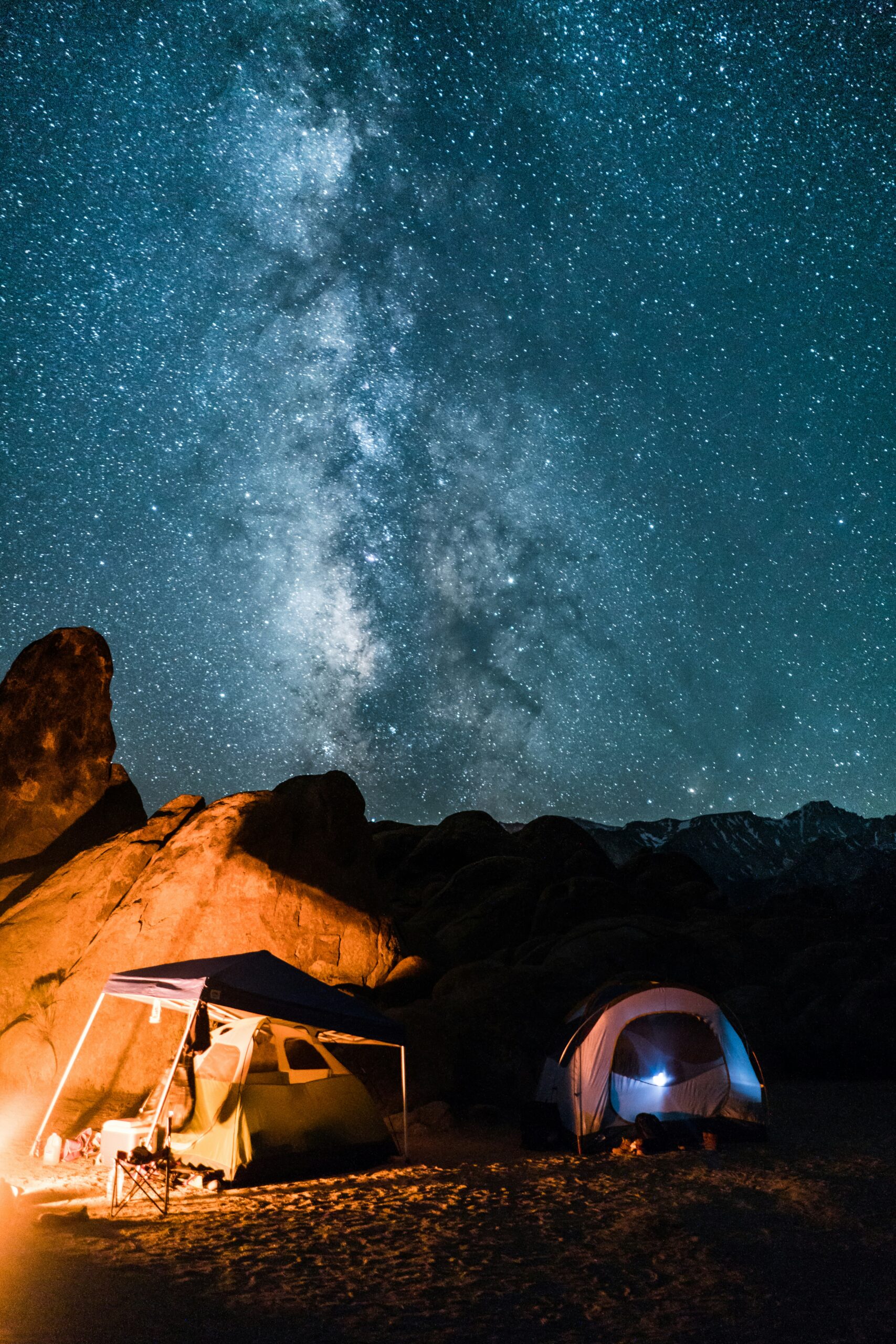
Anza-Borrego Desert State Park nails dispersed camping and stargazing thanks to barely any light pollution across its 600,000 acres. I really like that you can do primitive camping in designated areas—there's real freedom to find your own quiet spot away from everyone else.
Red Rock Canyon State Park keeps about 50 campsites at Ricardo Campground right under crazy sandstone cliffs. The park's small size means you won't run into big crowds, and the open desert gives you killer night skies.
Mojave National Preserve has over a dozen camping areas, from developed sites to roadside dispersed camping for 4WD vehicles. Kelso Dunes Campground puts you right by the famous singing dunes, but don't expect hookups—just basic tent and RV spots.
Desert Glamping and Off-the-Grid Experiences
More desert areas now have glamping options that mix comfort with remote locations. You might get a furnished tent or cabin with a bed, electricity, and sometimes even AC, so you don’t have to haul all the usual gear.
If you want a truly off-grid adventure, Mojave National Preserve and the BLM lands around the main parks have hidden camping spots you can reach if you have a high-clearance vehicle. Bring extra water—desert camping in California often means no services for miles.
Havasu National Wildlife Refuge along the Colorado River mixes desert and riparian habitat across 30 miles. You can camp near Topock Marsh, watch for migratory birds and desert bighorn sheep, and still avoid the big crowds.
Insider Tips for a Memorable California Camping Trip
Camping in California takes a little planning, good timing, and some respect for the outdoors. Knowing what to pack, when to book, and how to leave no trace helps keep things safe and fun.
Packing Essentials and Safety Considerations
I always throw in layers no matter the season—California’s microclimates mean you could be sweating one minute and shivering the next. My sleeping bag is rated 10-15 degrees colder than the forecast, just in case those desert nights or foggy mornings sneak up on me.
Water storage is huge. I bring at least a gallon per person per day, plus extra for cooking and cleaning. Some remote campgrounds don’t have potable water at all.
Essential Safety Items:
- Bear canister or bear-proof food storage
- First aid kit with blister treatment
- Headlamp and extra batteries
- Topographic map and compass
- Sun protection (SPF 30+, hat, sunglasses)
I always check fire restrictions before heading out—California’s rules can change fast. I keep a portable stove as my backup for cooking when campfires are banned.
Wildlife is always on my mind. I stash anything scented in a bear canister, even if bears aren’t common in the area, and I never approach or feed wild animals.
Best Times and Strategies for Booking Popular Sites
I try to book coastal campgrounds six months out on Recreation.gov, right when reservations open. Spots like Half Moon Bay and Point Mugu fill up fast—sometimes within hours.
Optimal Camping Seasons by Region:
| Region | Best Months | Why |
|---|---|---|
| Coast | April-October | Warmer, less fog |
| Sierra Nevada | June-September | Snow cleared, accessible |
| Desert | October-April | Tolerable temperatures |
| Forests | May-October | Dry conditions, open roads |
I aim for midweek trips—Tuesday through Thursday is usually way less crowded. First-come, first-served campgrounds are easier to snag on those days.
If I’m planning last-minute, I check for cancellations on Recreation.gov about 48 hours before I want to go. People drop reservations pretty often, so you can get lucky with a spot that just opened up.
Connecting With Nature: Responsible Camping Practices
I stick to Leave No Trace principles to help protect the best places to camp in California for everyone who comes after me. I pack out everything I bring, even the tiny stuff—bottle caps, food wrappers, those annoying little bits you almost want to ignore.
I set up camp only in designated spots so I don't trample plants or mess up the ground. Making new sites or stretching out old ones just wrecks native plants and drives wildlife away.
When nature calls, I dig a cathole about 6-8 inches deep, always at least 200 feet from water, trails, or camp. I never burn toilet paper—too risky—so I seal it up and pack it out.
I keep things quiet, especially between 10 PM and 6 AM. It's wild how far sound can travel out there, and nobody wants their night wrecked by loud voices or music—not people, not animals.
For firewood, I only take sticks from the ground, nothing thicker than my wrist, and I leave living trees alone. I let my fire burn down to ash and double-check that it's cold before heading out. Better safe than sorry, right?