The Ultimate Budget Backpacking Guide to California’s Trails & Campsites
California's wild spaces are just begging to be explored—and honestly, you don't need to spend a fortune to do it. With a little know-how and some budget tricks, you can hit some of the best trails and campsites in the state for just $20-30 a day. From those ancient redwoods up north to the surreal Joshua Tree desert, budget backpacking in California is totally doable if you know where to camp for cheap and how to pick trails that really deliver for your buck.

After years wandering all over California's crazy mix of landscapes, I've realized that some of the most jaw-dropping backpacking trips are actually pretty affordable. It really comes down to understanding those confusing permit systems, sniffing out free or low-fee campsites, and choosing routes that give you the most epic scenery without draining your wallet. Whether you want easy starter trails or something that’ll really test your legs, a little planning can make almost any California trip work on a tight budget.
This guide pulls together my favorite money-saving hacks, plus specific trail suggestions from all over the state. I’ll go over permit stuff, logistics, and highlight the best backpacking spots where you’ll get the most adventure for your cash.
The Ultimate Budget Backpacking Guide to California’s Trails & Campsites
Essential Budget Backpacking Tips for California
Honestly, a bit of smart planning and picking the right gear can save you a ton—without skimping on safety or fun. Think about your route, your stuff, and the local rules to squeeze the most out of your adventure fund.
Planning Your Route and Itinerary
If you’re just getting started, I’d say check out beginner-friendly Sierra Nevada trails first. They’re usually well-marked, not too long, and you won’t need a mountain of fancy gear. Plus, you’ll dodge the risk (and cost) of needing a rescue.
California is massive—like, way bigger than most people realize—so I usually stick to one region per trip. It’s way easier on your wallet when you don’t have to drive (or fly) all over the state.
Peak Season Avoidance Strategy:
- Hit Yosemite or other hotspots in the middle of the week
- Plan Sierra Nevada trips for September or October—fewer crowds, better deals
- Go coastal in the winter months (it’s less busy and still beautiful)
I try to snag campground reservations the second they open on Recreation.gov. Some places, like Desolation Wilderness, are gone in minutes—no joke.
Permits for groups cost the same whether you’re solo or with a few friends. I usually round up 2-4 people so we can split the fees and share a ride.
Budget Route Planning:
| Route Type | Best Months | Permit Cost | Difficulty |
|---|---|---|---|
| Coastal trails | Nov-Mar | Free-$15 | Easy-Moderate |
| Sierra Nevada | Sep-Oct | $15-25 | Moderate-Hard |
| Desert regions | Dec-Feb | $10-20 | Easy-Moderate |
Saving on Gear and Supplies
I’m all about hunting for used gear—REI Co-op garage sales, Facebook Marketplace, you name it. Good backpacking stuff is often half the price if you don’t mind a little wear.
My trick is to pick gear that does double (or triple) duty. Trekking poles that work as tent poles? Yes, please. Lightweight pots that do everything? Even better.
Food Budget Optimization: Trader Joe’s and Costco are my go-tos for bulk trail snacks and dehydrated meals. Buying big really cuts the per-trip cost.
I even make my own dehydrated meals at home. A cheap dehydrator pays for itself fast—my meals end up about $3-4 each, way cheaper than those $8-12 store packets.
Water Strategy: For short trips, I just bring purification tablets instead of a bulky filter. Less weight, less cash spent.
Gear Rental Options:
- REI Co-op rents out sleeping bags, tents, packs—pretty much everything
- Local shops near trailheads can be a steal, especially if you call ahead
- University outdoor clubs often have gear for members at a discount
I try to take care of my gear—simple stuff like cleaning and re-waterproofing keeps it going for years. Replacing stuff is the real budget killer.
Safety Precautions and Regulations
I always leave a trip plan with the rangers and bring some kind of emergency beacon (cell coverage is a joke in most wild areas here). Better safe than sorry.
Required Permits and Fees: Most wilderness spots want you to get a permit in advance—usually $15-25 for a group. I set reminders for lottery openings so I don’t miss the best trails.
Fire rules change all the time in California. I check the latest before every trip and always have a tiny camp stove as a backup.
Wildlife Safety Essentials: Forget buying an $80 bear canister—I just rent one from the ranger station for $5. Most trailheads have them, and you give it back at the end.
Mountain lions are rare, but I still stick to daylight hiking and make noise in brushy spots—just in case.
Weather Monitoring: Sierra weather can turn nasty fast, especially above treeline. I keep tabs on NOAA forecasts and always have a backup exit plan for each camp.
A basic first aid kit and some wilderness medicine skills are must-haves. In the backcountry here, you’re usually your own rescue team.
Don’t trust any water source, even way up high—giardia is everywhere. I always treat my water, no exceptions.

Top Budget-Friendly Trails & Campsites Across California
California’s packed with epic backpacking spots that won’t empty your wallet. You can camp for free at Orr Lake Campground with Mount Shasta views, or hit up affordable adventures around Cleveland National Forest. Up north, there’s coastal hiking at Point Reyes and easy Sierra access. Down south, you get desert magic and mountain hideouts.
Notable Spots in Northern California
Point Reyes National Seashore is hands-down one of my favorites for budget trips. You get wild coastal trails and freebackcountry camping permits if you snag one up to three months out.
The Coast Trail there is just awesome—16 miles of cliffs, beaches, and crazy scenery. Wildcat Beach and Coast Camp are my picks for camping, and they’ve got the basics covered.
Orr Lake Campground near Mount Shasta is a gem for free camping and fishing (trout, bass, catfish if you’re lucky). Picnic tables and vault toilets, all at zero cost.
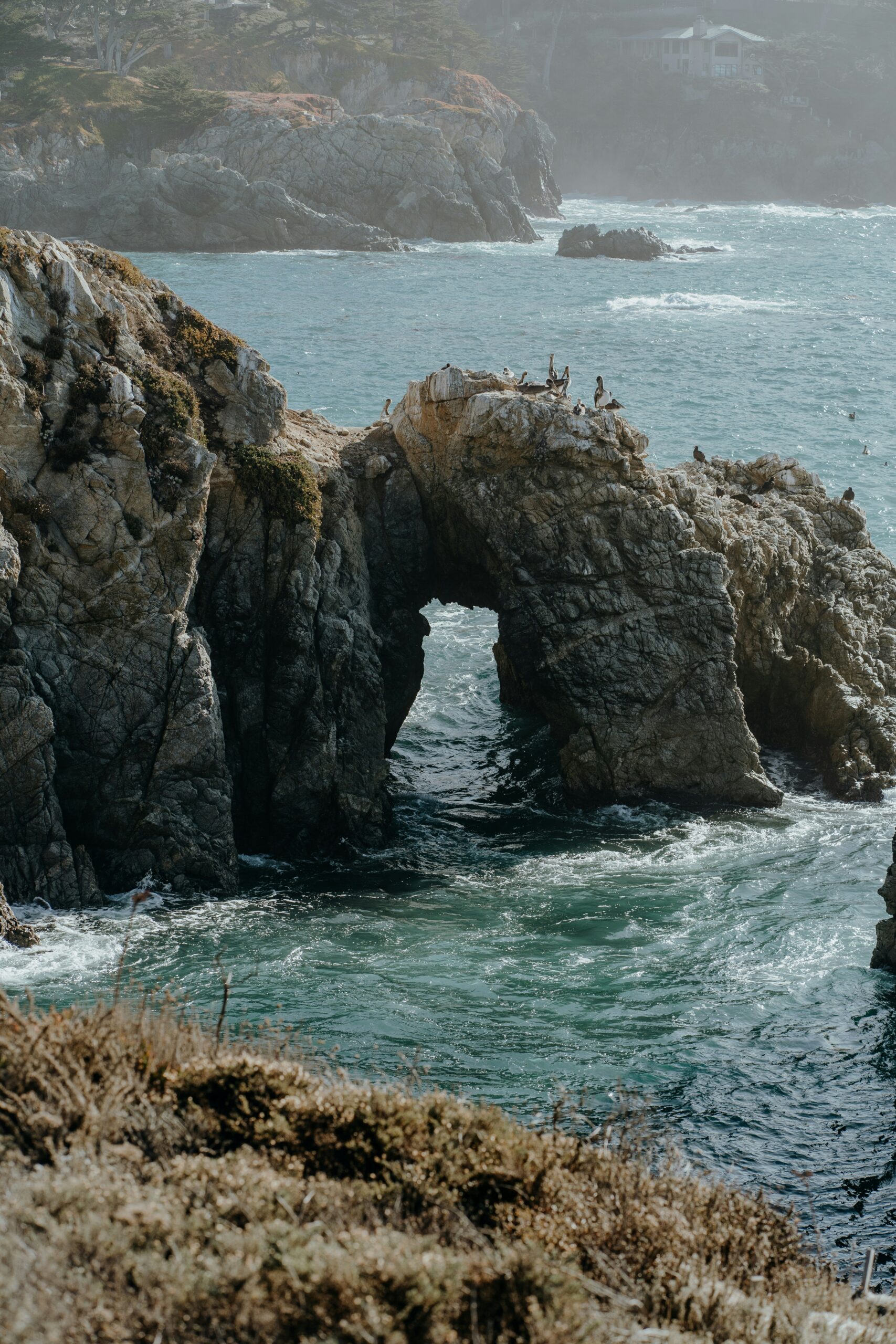
Big Sur’s backcountry is surprisingly affordable if you stick to state parks. Julia Pfeiffer Burns and McWay Falls are good for day hikes, but Los Padres National Forest nearby lets you camp almost anywhere for free if you follow their rules.
The Sierra Nevada foothills are packed with beginner-friendly trails that don’t gouge you on permits. Desolation Wilderness near Tahoe is way cheaper than the big-name spots.
Adventures in Southern California
Cleveland National Forest is a budget backpacker’s dream—tons of trails across San Diego, Riverside, and Orange counties. Parking’s just $5 a day and you can camp for free in certain areas if you play by the rules.
Santa Rosa Plateau Ecological Reserve near Murrieta is awesome for cheap day hikes. It’s 9,000 acres of oak woodlands and grasslands, and the entrance fee is almost nothing.
Joshua Tree National Park is a winter classic. Campsites are $15-25 per night, but there’s loads of free BLM land just outside the park gates if you don’t mind a short drive in.
Anza-Borrego Desert State Park is gigantic—600,000 acres—and free backcountry camping is allowed. The California Riding and Hiking Trail is my go-to for a real desert adventure.
Santa Cruz Mountains have some solid deals too. Big Basin Redwoods State Park has trail camps for $35 a night, and you get to sleep among giant redwoods—worth every penny.
The Angeles and San Bernardino National Forests are full of free camping spots. Deep Creek Hot Springs and stretches of the Pacific Crest Trail are especially popular with budget hikers.
Best Time to Visit for Backpackers
Spring (March-May) is probably the sweet spot almost everywhere. Up north, you get wildflowers and mild temps. Down south, the deserts are still cool enough to enjoy.
For the Sierra, I’m all about fall (September-November). Less crowded after Labor Day, but the weather is still on your side. Plus, water sources hang around thanks to snowmelt.
Winter backpacking is best in the deserts or along the coast. Point Reyes and Big Sur are awesome when the mountains are snowed in, and Anza-Borrego’s weather is perfect.
Summer can be rough if you’re not careful. Stick to the coast (Santa Cruz is always nice) or aim for high-elevation spots up north to escape the heat.
Permit seasons are all over the place. Yosemite starts reservations in March, but lesser-known places have walk-up permits year-round—if you’re flexible, you’ll find something.
Rain’s mostly a November-to-March thing, and it hits the north harder than the south. Deserts stay dry almost all year, but always check before you go.

Highlight Trails and Wilderness Destinations
California’s got it all—iconic granite in Yosemite, wild Big Sur coastlines, and desert wilderness out in Joshua Tree. The trail network runs from sea-level beaches to alpine peaks over 10,000 feet. There’s really something for everyone.
Iconic National Parks and Wilderness Areas
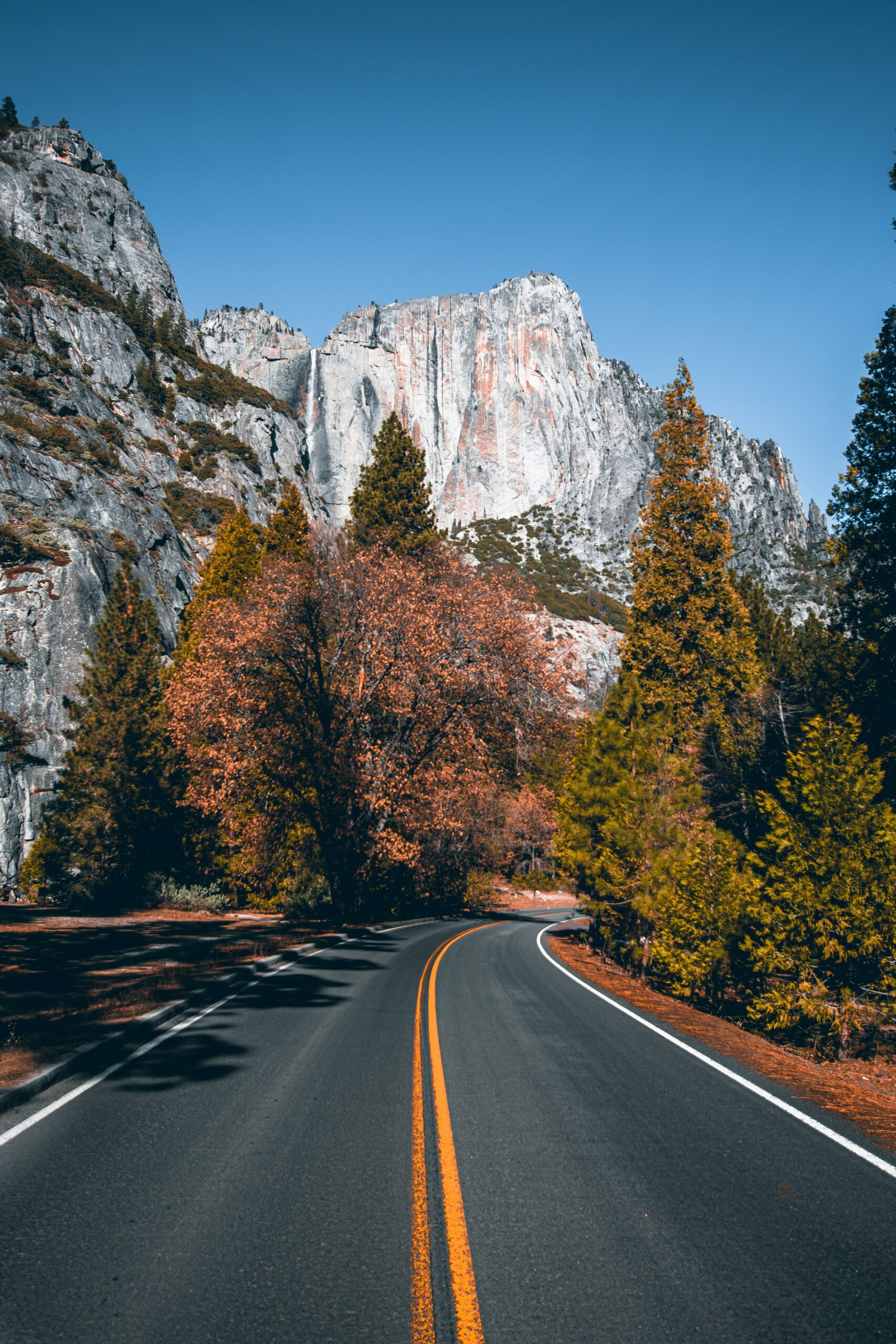
Yosemite is the showstopper for backpackers. The Half Dome cables route is tough but the views are unreal (permits required, so plan ahead). If you’re just starting out, try the Mist Trail to Vernal Falls for a taste of the big stuff.
The John Muir Trail is legendary—211 miles from Yosemite to Mount Whitney, winding through wild Sierra backcountry like Ansel Adams and John Muir Wilderness. It’s a serious trip but so worth it.
Carson-Iceberg Wilderness is a quieter alternative to Yosemite, but still has insane alpine views. You’ll find volcanic peaks, clear lakes, and granite domes, all spread over 160,000 acres.
Joshua Tree National Park is where the Mojave and Colorado Deserts meet. Beginner-friendly backpacking here is legit—Boy Scout Trail and Desert Queen Mine are good starting points.
Coastal and Beach Backpacking Escapes
Pfeiffer Beach in Big Sur is a stunner. You can backpack through Los Padres National Forest, camp near purple sand, and check out those crazy keyhole rocks along Highway 1.
The Ventana Wilderness doesn’t require permits and takes you through chaparral, redwoods, and even to some hot springs. Trails link the coast to hidden forest camps—can’t beat it.
Point Reyes has four backcountry camps perched on the bluffs. Wildcat Camp sits right on the sand, with nothing but waves for company.
The Lost Coast Trail up in Humboldt County is 25 miles of pure, roadless coastline. You’ll need to watch the tides, but the isolation is next-level.
Mountain and Forest Exploration
The Sierra Nevada has the state’s biggest network of trails. Desolation Wilderness near Tahoe is packed with granite peaks and alpine lakes, and it’s not far from the city, which is a bonus.
Sequoia and Kings Canyon National Parks have the High Sierra Camps and some of the tallest peaks around. Giant sequoias, 14,000-footers, and permit systems to keep things from getting too crowded.
Mount Whitney is a bucket-list hike—the tallest in the lower 48. Permits are tough to get (lottery only), but it’s worth trying.
Ansel Adams Wilderness is all about dramatic volcanic spires and alpine lakes. Thousand Island Lake is a killer basecamp if you want to explore the Minarets under Mount Ritter.

Backpacking Permits, Logistics, and Budget Planning
Planning ahead is everything in California’s wilderness. Permits usually run $10 to $50 per person or group, and snagging the right campsite at the right time can make or break your budget. Set reminders, be flexible, and you’ll get the adventure without the sticker shock.
Understanding California's Permit System
California’s permit system—it’s honestly all over the place depending on the wilderness area or national park you’re heading to. In my experience, the most popular spots keep their pricing strict to help protect the environment, so planning ahead isn’t just smart, it’s basically required.
Yosemite National Park uses a weekly lottery system for permits, which kicks off November 10, 2024. The lottery’s on a rolling 24-week schedule, and you’ll pay a $10 entry fee (non-refundable, of course) plus $5 per person if you actually snag a permit.
If you’re looking at the Sierra Nevada, Inyo National Forest drops permits on a rolling 6-month basis starting November 1, 2024. Permits run $6 plus $5 per person, but if you’re eyeing Mt. Whitney, that jumps to $15 per person. Ouch, but it’s Whitney.
Sequoia-Kings Canyon does a daily release starting November 23, 2024. Permits are $15 plus $5 per person. They do save a handful for walk-ups at ranger stations, though, if you’re feeling lucky or just forgot to book.
Key timing for 2025:
- King Range (Lost Coast): October 1, 2024 – rolling 3-month basis
- Desolation Wilderness: November 23, 2024 – rolling 6-month basis
- Joshua Tree: Ongoing – rolling 6-month basis
Campsite Reservations and Regulations
Most California wilderness areas set quotas during peak season (think May through September). Honestly, if you want a shot at the best trails, you’ve got to book the moment reservations open—sometimes they’re gone in minutes, not hours.
Reservation strategies:
- Set an alarm for release dates and times (usually 7:00 AM PT, but double-check!)
- Line up backup dates and alternate trailheads—you’ll thank yourself later
- Consider going in the shoulder seasons; it’s quieter and easier to snag a spot
Desolation Wilderness has walk-up permits starting at 8:00 AM, but if you want a popular spot, you’d better show up by 6 or 7. This works if you can be flexible or are just feeling spontaneous.
Important regulations:
- Bear canisters are a must in most Sierra Nevada areas
- Group size is capped (usually 8–15 people max, depending on the place)
- Campfire bans are common during high fire danger—don’t risk it
- Leave No Trace isn’t optional
Some places, like Lassen Volcanic National Park, don’t have quotas but still require $6 permits year-round, and you can book up to 90 days ahead.
Budget Breakdown and Money-Saving Insights
Permit fees are just the tip of the iceberg when it comes to backpacking expenses in California. Gear can get pricey fast, but there are a few ways to keep costs down if you’re willing to get creative.
Typical permit costs:
- Yosemite: $10 lottery entry + $5 per person
- Sequoia-Kings Canyon: $15 permit + $5 per person
- Inyo National Forest: $6 permit + $5–15 per person
- Desolation Wilderness: $6 permit + $5–10 per person
Money-saving strategies:
- Go during non-quota periods—permits are cheaper and easier to get
- Pick less popular trailheads; you might discover a hidden gem
- Split permit fees with friends—group trips are fun anyway
- Use walk-up permits if you want to dodge online booking fees
Honestly, getting to the trailhead can cost more than the permit itself. Carpooling saves cash (and stress), and camping at a nearby campground the night before makes those early starts way less brutal. A lot of ranger stations have free permit pickup, which is handy.
Budget planning tips:
- Book permits as soon as they open—waiting is risky
- Don’t forget gas, food, and gear in your budget
- Weigh multi-day permits vs. a bunch of single-day ones; sometimes it makes a difference
- Check for discounts if you’re a senior, military, or have a disability—it’s worth asking

Frequently Asked Questions
If you’re backpacking in California, you’ll run into all sorts of permit rules, gear quirks, and campsite dos and don’ts—each trail or region has its own vibe. Most beginner-friendly trips need permits you’ll want to plan ahead for, and budget gear should be versatile enough for everything from foggy coasts to chilly alpine nights.
What are the top recommended 3-day backpacking trips in California?
I’d put the Rae Lakes Loop in Kings Canyon National Park at the top of the list—alpine lakes, granite peaks, and classic Sierra scenery. It’s a 41-mile loop, so not exactly a cakewalk, but the campsites are solid and the views are worth it.
The Lost Coast Trail is another favorite—25 miles of wild, rugged coastline. You’re hiking by the tides, camping on beaches, and it’s about as “untamed California” as it gets.
For something shorter, Point Reyes National Seashore is great. The Coast Camp to Wildcat Camp stretch is 12 miles, with ocean views and legit campgrounds. Perfect for a mellow weekend.
How do I obtain permits for backpacking on the Lost Coast Trail?
Lost Coast Trail permits are through California State Parks’ online system—$5 per person, per night, and you need them all year. No exceptions.
Permits open five months out, and summer weekends disappear fast. I try to book the moment dates drop if I want a shot at prime weather.
Don’t forget: you need to check tide charts before applying. Some sections are totally impassable at high tide, so timing is everything.
What are some beginner-friendly backpacking routes in California?
If you’re new, I’d start with trails made for beginners—shorter distances, easy navigation, and usually some facilities. The Mist Trail to Half Dome base camp is about 7 miles and super well-marked.
Big Sur’s McWay Falls Trail is 8 miles, moderate climb, and the ocean views are unreal. No sketchy scrambling, just steady hiking.
Desolation Wilderness by Tahoe is packed with 2–3 day options. Eagle Lake is a classic—6 miles, good campsites, and water’s never far away.
Can you provide a list of essential gear for budget backpacking in California?
I always bring a three-season sleeping bag (20°F is usually enough for California’s mountains). A lightweight tent with a rain fly is a must—coastal fog or random storms can sneak up on you.
Water purification tablets or a simple filter are cheap and effective. I go with a 2-liter hydration bladder and toss in a couple backup bottles just in case.
For clothes, merino wool shirts and synthetic hiking pants are budget-friendly and versatile. A packable down jacket is worth it—works for chilly mornings or sudden drops in temp.
What are the guidelines for camping at trail campsites in California's backcountry?
Leave No Trace always applies, no matter where you camp. Trail camps usually have pit toilets and sometimes picnic tables, but you’re packing out all your trash—no exceptions.
Campfires are often banned from May through October (fire season), so I always double-check restrictions before heading out and bring a lightweight stove for cooking.
Bears are a real thing in the Sierra—bear canisters are required. On the coast, I hang food bags since raccoons and other critters are the main concern, but don’t get sloppy. They’ll find your snacks if you do.
How does one navigate the Trans-Catalina Trail and are there designated campsites?
Honestly, I stick with the official Catalina Island Conservancy trail map for the 38.5-mile Trans-Catalina Trail—it’s reliable and pretty much essential. The path links up five main campgrounds, stretching all the way from Avalon to Two Harbors.
You do have to book your campsites ahead of time—no way around it. Reservations are required for every campground, and I always go through the Catalina Island Conservancy’s website. If you’re thinking about hiking in the summer, don’t wait too long—those spots can disappear fast.
Each campground has water, but between them? Not so much. I usually haul around 3 to 4 liters, especially for the longer stretches between Blackjack and Little Harbor. Better safe than sorry, right?