Perseid Meteor Shower California: 8 Dark-Sky Road Trips
The Perseid meteor shower will peak on the night of Aug. 12 into the early morning of Aug. 13, 2026, and I'm already mapping out my stargazing road trip around it. This is one of the most active meteor showers of the year, and California’s dark sky locations make it a prime spot to watch the show.
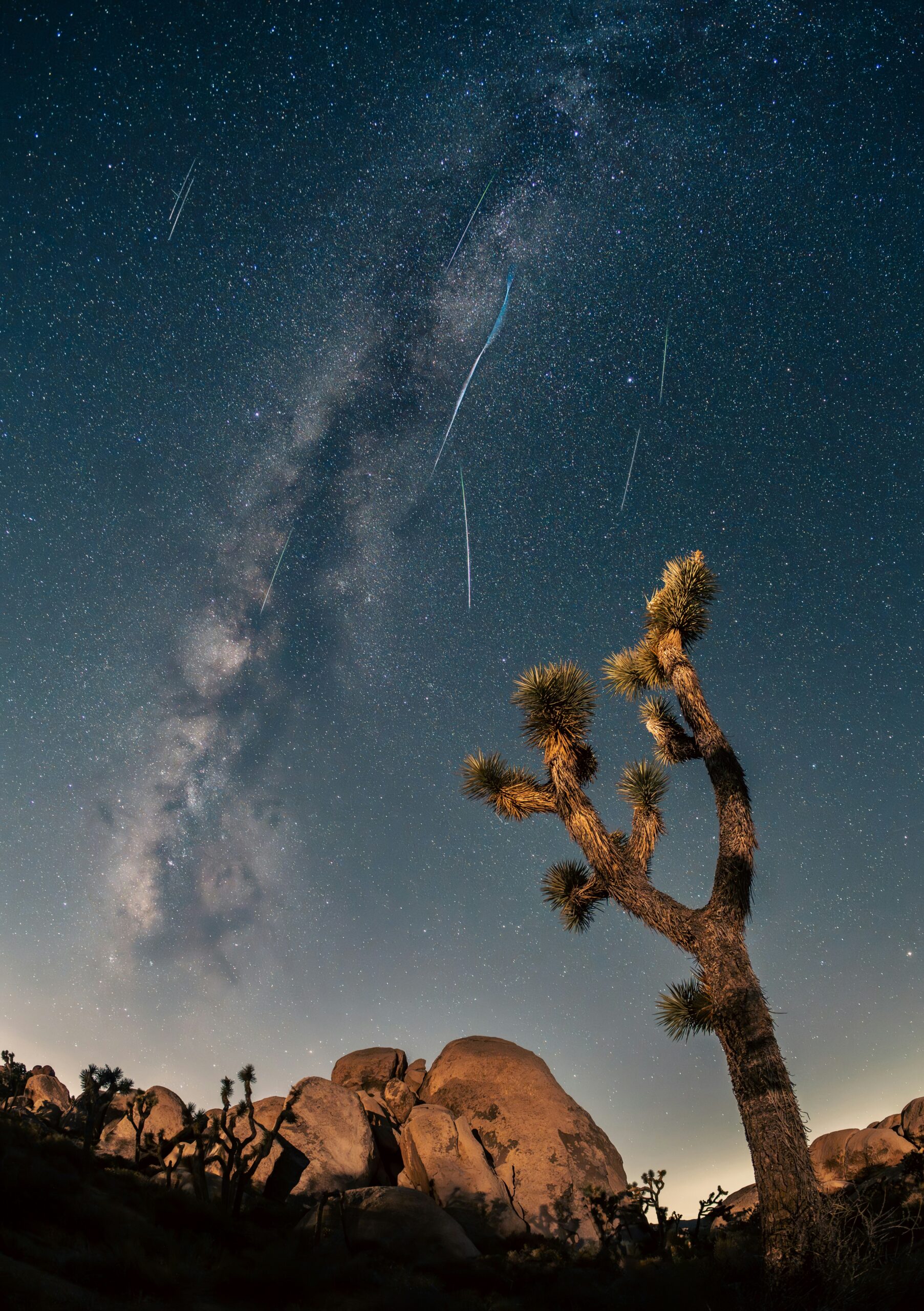
From desert parks to mountain overlooks, I’ve got a list of places where city lights won’t ruin the view. If you want the best Perseid experience, you’ll have to get away from urban glow and stake out a true dark sky site before the peak night sneaks up.
I’m focusing on spots near Los Angeles, San Diego, and San Francisco, so you don’t have to drive all day just to get to a decent viewing area. Some of these require more prep, but when those meteors start zipping overhead, you’ll know it was worth it.
I’ve added practical tips on timing, since the Perseids hang around for weeks but only really peak for a short stretch. Ideally, this guide helps you turn a single night under the stars into a whole road trip, with stops that let you chase the shower at its best.
Perseid Meteor Shower California: 8 Dark-Sky Road Trips
When And How to See the 2026 Perseids
I’ve learned that timing, viewing angle, and knowing the shower’s origin all make a difference if you want to catch a good meteor count. Here’s what I’ve dug up about the peak, the best hours, and a bit of science behind those streaks.
Peak Timing, Moon Phase, and Expected Activity
The Perseids hit their peak on the night of August 12-13, 2026, and I’d call this the prime window for meteor watching this year.
We get a new moon on the same date, so there’s no moonlight to drown out the fainter meteors—finally, right? That’s a rare treat. Even better, the Perseids peak lines up with a total solar eclipse this year, so August 12 is shaping up to be a wild day for sky fans everywhere.
Don’t expect the usual numbers, though. While people love to quote a zenithal hourly rate of 100, the International Meteor Organization forecasts a ZHR of about 30-50 for 2026, since Earth will cut through a thinner part of the debris trail this time.
Where to Look and Why Predawn Is Best
You don’t have to lock your eyes on one patch of sky—Perseid meteors can show up anywhere overhead. Still, they all trace back to a single point.
This point, the radiant point, sits in the constellation Perseus (hence the name). I usually face northeast, away from any nearby lights, to up my odds.
Anyone in the Northern Hemisphere gets the best view because the radiant climbs higher up there. If you’re south of the equator, you might catch a few, but it’s not quite the same.
Timing is everything. I always plan to watch after midnight, especially in those last few hours before dawn when the radiant is highest and the Earth’s rotation puts us right into the meteor stream.
What Causes the Perseids and Their Bright Fireballs
The source of this shower is pretty straightforward. The Perseids come from Comet 109P/Swift-Tuttle, which leaves a trail of dust and rock—meteoroids—along its orbit.
Every August, Earth plows through this debris. The bits burn up in our atmosphere, creating those classic shooting stars.
Italian astronomer Giovanni Schiaparelli figured out the Swift-Tuttle connection back in the 1860s. I like that the Perseids are known for bright, fast meteors and the occasional fireball—sometimes you’ll even spot yellow, green, or blue colors, depending on what’s burning up. NASA and the American Meteor Society keep tabs on the shower every year.
Top Dark-Sky Stops for a California Road Trip
I’ve mapped out dark sky destinations across five California regions, from Mojave Desert basins to the Sierra foothills. You can find a spot within a few hours of wherever you’re starting. Each stop balances drive time, elevation, and how much you’ll have to fight light pollution.
Desert Parks: Joshua Tree, Death Valley, and the Mojave
Joshua Tree National Park is my top pick for reliable dark skies. Hidden Valley, Skull Rock, and Quail Springs all have pullouts that stay pretty quiet after dark.
Death Valley National Park has Gold Tier International Dark Sky Park status, which is about as dark as it gets. I like Mesquite Flat Sand Dunes for those wide, open horizons.
The Mojave Desert beyond the big parks has even more options. Mojave National Preserve and Red Rock Canyon State Park both sit far from city light domes, and honestly, I rarely see another car at either spot past 10 p.m.
| Location | Distance from LA | Notable Feature |
|---|---|---|
| Joshua Tree NP | ~2.5 hours | Boulder formations, Bortle 2-3 skies |
| Death Valley NP | ~4.5 hours | Bortle 1 skies, extreme summer heat |
| Mojave National Preserve | ~3 hours | Low visitor volume |
Mountain Escapes Near Los Angeles
The San Gabriel Mountains give me the fastest escape from LA’s light pollution without a huge drive. Mt. Wilson Observatory sits up high, but I usually pick less busy spots like Chilao Campground or Mt. Pacifico Campground.
Vetter Mountain Lookout is a short hike and rewards you with a 360-degree view once you clear the trees.
Big Bear Lake works if I want a weekend base with food and a bed nearby. I just drive a few minutes out of town for darker skies. These mountain spots aren’t as dark as Death Valley, but the easy drive makes them worth it for a quick trip.
San Diego County Dark Skies
Anza-Borrego Desert State Park anchors my San Diego picks. Borrego Springs, the town in the middle, is an International Dark Sky Community, so they’re serious about keeping lights low.
Mount Laguna and Palomar Mountain, both in Cleveland National Forest, offer higher elevation and cooler summer nights. Palomar Observatory and its Hale Telescope are up there too, and you can tour the place during the day.
I’ve camped at Observatory Campground by Palomar a few times—it’s close enough to walk to a great viewpoint after you’ve set up. San Diego locals honestly have a lot of dark sky options within a short drive.
Coastal and Orange County Alternatives
Coastal skies never quite match the desert or mountains for darkness, but I do have a few quick-trip favorites.
- Laguna Beach: Crescent Bay and Crescent Bay Beach let you watch meteors rise over the ocean—can’t beat that view.
- Top of the World: An inland Laguna Beach spot with less fog than the shore.
- Topanga State Park: Musch Trail Camp in the Santa Monica Mountains, not far from Calabasas or Malibu.
- Leo Carrillo State Park: A Malibu beach that’s darker than most of the local coastline.
I treat these as backup plans when a desert or mountain run just isn’t in the cards. The marine layer and city glow can really mess with visibility some nights.
Northern California Options Near San Francisco
San Francisco folks have to drive farther for true dark skies than people in SoCal. I usually suggest heading northeast, where higher elevation and distance from the coast cut down on light pollution.
Lassen Volcanic National Park is about as dark as it gets on the Bortle scale. I’ve had my best Perseid nights there when I’ve timed it with a new moon. It’s a longer drive from the Bay Area than LA-to-desert trips, so I plan to stay overnight instead of trying to do it all in one night.
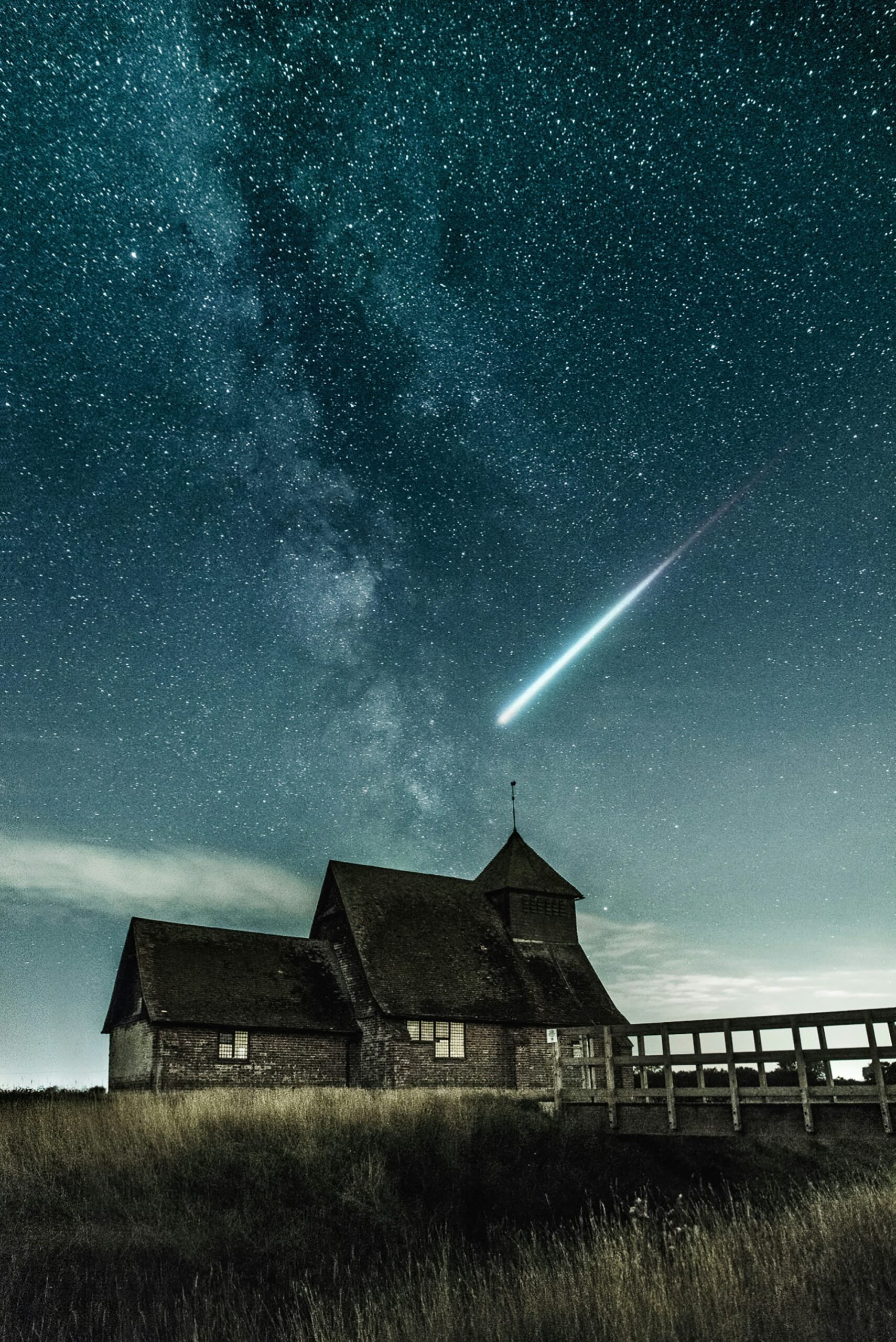
Plan a Safe, Comfortable Night Under the Stars
I pack the right gear, reserve my spot ahead of time, and watch the forecast before I head out. Those three things really make the difference between a rough night and a great one under the stars.
Essential Gear and Night-Vision Practices
I always bring a red-light flashlight—white light kills your night vision, and it takes a good 20-30 minutes for your eyes to really adjust.
I toss in a reclining chair or blanket, warm layers, and usually a thermos of something hot since it gets chilly fast after sunset. If you’re into astrophotography, bring a solid tripod, a wide-angle lens, and a remote shutter—shaky hands don’t help when you’re trying to catch the Milky Way.
I’ve found local photography workshops and star parties from groups like the Los Angeles Astronomical Society are great for picking up tips before heading out solo.
Camping, Access, and Crowd Considerations
I usually book campsites through recreation.gov weeks ahead of time. Spots near popular viewing areas fill up ridiculously fast during peak Perseid nights.
I stick to Leave No Trace principles wherever I set up. Packing out every scrap of trash and staying on marked trails just feels right—those desert skies ecosystems are pretty fragile.
Crowds at well-known overlooks? Yeah, they're real. I try to show up early to grab a parking spot and carve out a bit of space for myself.
Honestly, I've had the best luck finding quieter dark sky places near Los Angeles and San Diego. Sometimes near San Francisco too, but it's hit or miss.
Before heading out, I check maps for public land access points. Saves a lot of stress later.
Weather, Heat, Wildlife, and Road Safety
The forecast can make or break the trip, so I check it the day before. Desert nights swing wildly—from baking hot afternoons to freezing cold before dawn.
I always bring extra water. Even when it feels cool, dehydration sneaks up fast at higher elevations.
Wildlife's out there, too. I keep an eye out for rattlesnakes and scorpions when I'm stumbling around after dark, flashlight aimed low just in case.
Those mountain roads leading to overlooks? They're usually unpaved or barely lit. I top off the tank and download offline maps since cell service drops out more often than you'd think.
Before I leave, I tell someone my plans and when I expect to be back. Can't hurt.
Set Realistic Expectations for Meteor Viewing
Every year, I see folks quoting huge peak activity numbers for the Perseids. I want to share what I actually see compared to the hype, why elevation doesn't matter as much as people think, and what I do if the weather turns on me.
How Many Meteors You May Actually See
Honestly, I've never seen 100 meteors an hour, even though that's the number floating around for the 2026 Perseid meteor shower peak. That kind of count assumes a perfectly dark sky and the radiant directly overhead—pretty rare in California.
Most places I go, I see maybe 20 to 60 meteors per hour during the best window. If there's even a little light pollution, that number drops to a dozen or less.
I like to check the American Meteor Society for real-time counts from other skywatchers. Robert Quimby at San Diego State University says that from darker spots like East County, you'll probably see a few meteors per hour instead of a big flurry.
Why Darker Locations Matter More Than Elevation
I used to think climbing to a higher elevation would guarantee a better view. Turns out, it doesn't—unless you also escape the light pollution.
A mountain overlook just fifteen miles from a city still glows with that skyward haze. All that light washes out the fainter meteors in a hurry.
What really matters is finding truly dark skies, meaning barely any artificial light anywhere on the horizon. I've honestly had better luck at low-elevation desert sites with wide-open darkness than at higher spots near suburban sprawl.
NASA backs this up: their meteor shower advice says sky darkness, not altitude, decides how many faint meteors you'll spot during the Perseid meteor shower. I care a lot more about getting far from cities than gaining a few thousand feet.
When to Try Again if Peak Night Is Cloudy
I don't panic if clouds cover the sky on August 12 or 13. The Perseids stick around for weeks, so I just shift my plans a day or two earlier or later.
Quimby points out that meteor showers aren't single-night events. Since Earth passes through the debris stream over an extended period, Aug. 11 or Aug. 13 still work well if the peak night gets clouded out.
I also keep an eye out for a new moon window. Moonlight washes out faint meteors just like city lights do.
If the skies stay clear during a new moon phase near the peak, I treat that as my best shot, even if it's not the exact peak date.