Best Free Things to Do in California: Beaches, Hikes & Hidden Gems
California’s packed with attractions that don’t cost a thing. From wild coastlines and scenic overlooks to hands-on science centers and lush gardens, you’ll find plenty of ways to get out and explore without pulling out your wallet.
Honestly, some of the best California memories I’ve made didn’t cost me anything—oceanfront trails, stargazing at observatories, waterfall lookouts, and wandering through preserves from Southern California all the way north.The trick is figuring out which spots stay free all year and which ones only offer free entry at certain times.
If you’re after coastal escapes, epic hiking trails, stargazing, or cultural gems, a little planning goes a long way for a budget-friendly California adventure. Knowing what to expect and when to go helps you squeeze the most out of these free experiences.
Best Free Things to Do in California: Beaches, Hikes & Hidden Gems
1) California Science Center (Los Angeles) — free admission days and permanent exhibits
The California Science Center gives free general admission to its permanent exhibits all year. No need to wait for a special day—the core galleries won’t cost you anything.
Inside, you’ll find World of Life, Creative World, and Ecosystems galleries. These interactive exhibits cover everything from how our bodies work to wild tech innovations.
The real showstopper? Space Shuttle Endeavour, now standing upright in the Samuel Oschin Pavilion with its fuel tank and rocket boosters attached (as of 2024). Honestly, it's hard not to feel a little awestruck seeing it up close.
Groups of 15 or more need to call ahead to book. You’ll find the center in Exposition Park near downtown Los Angeles, open almost every day of the year.
Just a heads up—the IMAX Theater and special exhibitions aren’t free. The IMAX movies are family-friendly and worth checking out, but you’ll need to buy a ticket for those.
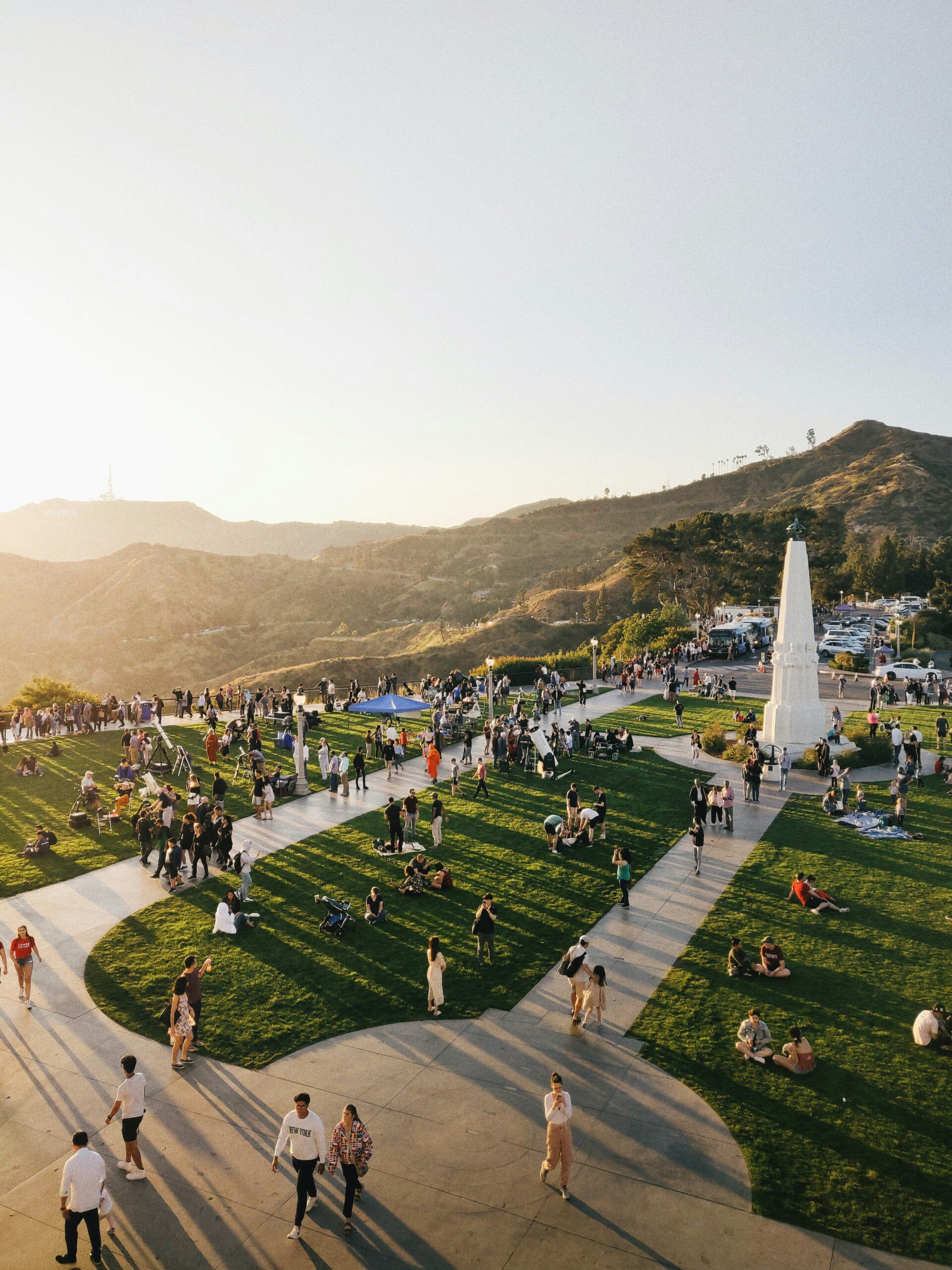
2) Griffith Observatory (Los Angeles) — free public telescopes and exhibits
Griffith Observatory is Southern California’s gateway to the stars—and it’s totally free. You can wander the exhibits, look through public telescopes, and soak up those classic LA and Hollywood Sign views, all without dropping a dollar.
The observatory opened back in 1935 and still honors its founder’s wish to keep it free. You can walk the grounds, check out the exhibits, and use the telescopes whenever it’s open.
Inside, astronomy displays make science feel approachable no matter your age. The Samuel Oschin Planetarium has live shows (those do cost money), but honestly, the exhibits and telescopes alone can keep you busy for hours.
Perched on Mount Hollywood in Griffith Park, the observatory serves up some of the city’s best views. Sunset’s my favorite time for photos. The DASH Observatory Bus runs every day, so you don’t have to stress about parking.
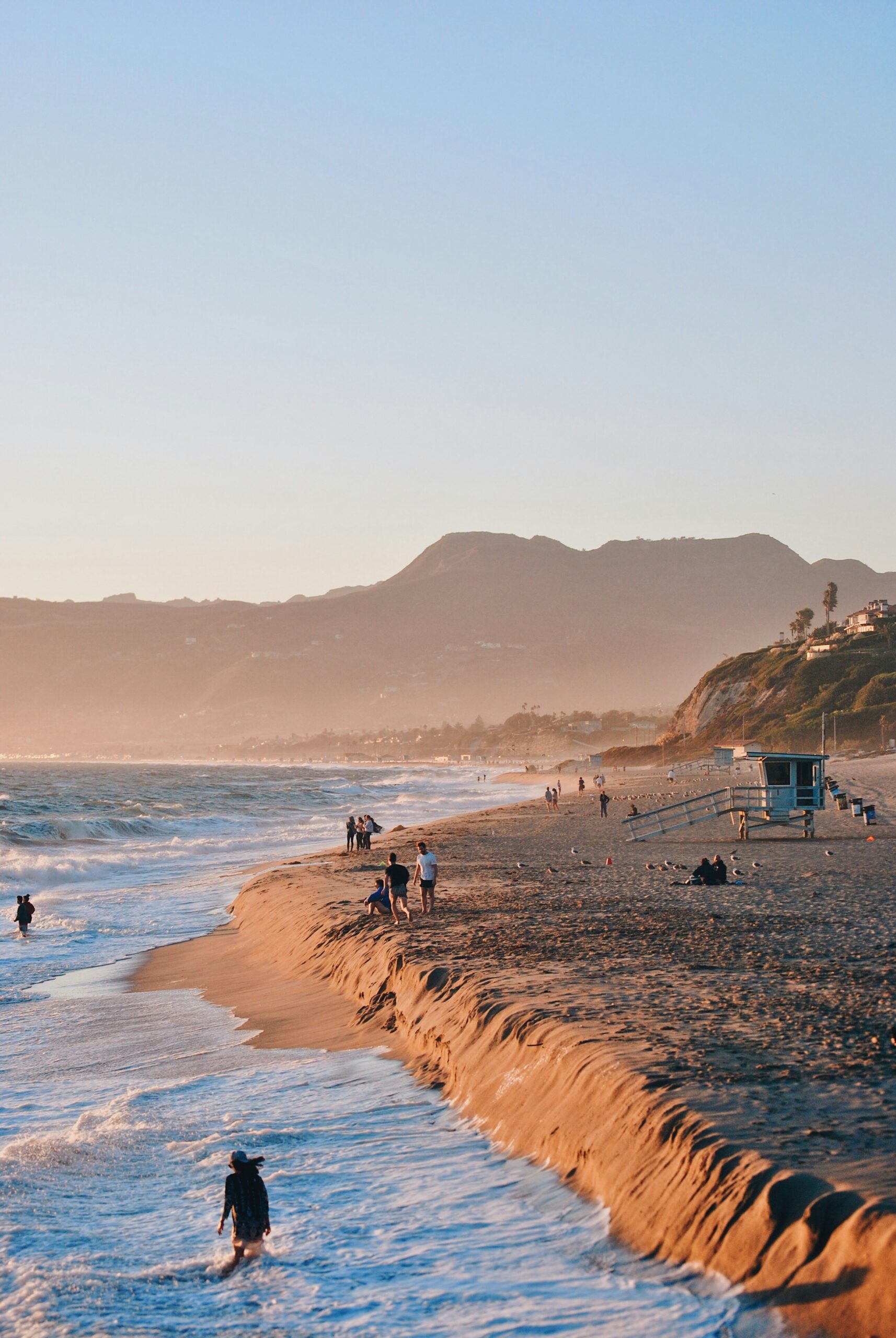
3) Point Dume Nature Preserve (Malibu) — coastal cliffs and tidepools
Point Dume Nature Preserve is one of my favorite free coastal escapes in Southern California. It’s a 32-acre spot perched on dramatic bluffs, with rocky coves and beaches waiting below.
I usually start at the main parking lot and take the gentle trail up to the old coastal bluff. The trail at Point Dume gives you 360-degree views of the coastline on a clear day. It’s a stunner.
The tidepools are easy to reach from either the main lot or the smaller one on Cliffside Drive. I’ve spotted all sorts of marine life there during low tide—always a fun surprise.
December to mid-April is peak whale watching when gray whales cruise by the point. You’ll find the preserve about 8 miles northwest of Malibu’s center, right off Pacific Coast Highway, with more than a mile of coastline to roam.
4) Torrey Pines State Natural Reserve (La Jolla) — free coastal hikes with ocean views
Torrey Pines State Natural Reserve is easily one of the top free coastal hiking spots in California. Set between La Jolla and Del Mar, this 2,000-acre preserve has trails with unreal ocean views.
You’ve got six different trails to choose from, ranging from easy strolls to moderate hikes. Each one winds past dramatic bluffs, rare Torrey pine trees, and sweeping vistas.
These endangered Torrey pines only grow here and in one other spot on Earth, which makes this place feel extra special. The trails twist through cool rock formations and drop you right into classic coastal scenery.
If you’re driving, exit Highway 5 at Carmel Valley Road and head west about a mile and a half to Coast Highway 101. Parking costs a bit, but the trails themselves are free once you’re in.
5) Big Sur Scenic Drive on Highway 1 — free viewpoints like Bixby Creek Bridge
The Big Sur section of Highway 1 has to be one of California’s most jaw-dropping free drives. Dozens of pullouts and viewpoints let you take it all in without paying a cent.
Bixby Creek Bridge is the iconic stop—just park at the north turnout and snap a photo of the concrete arch spanning a deep canyon. The dramatic coastline makes it a must for Instagram and Big Sur lovers.
McWay Falls is another free highlight, with its 80-foot waterfall tumbling onto a postcard-perfect beach. Along the way, you’ll hit scenic viewpoints where the ocean and cliffs steal the show.
The drive from Carmel to San Simeon is about 90 miles—sure, you could do it in a few hours, but I always end up stopping for photos. If you want to dodge the crowds, go early or late; tour buses swarm the area between 10am and 3pm.
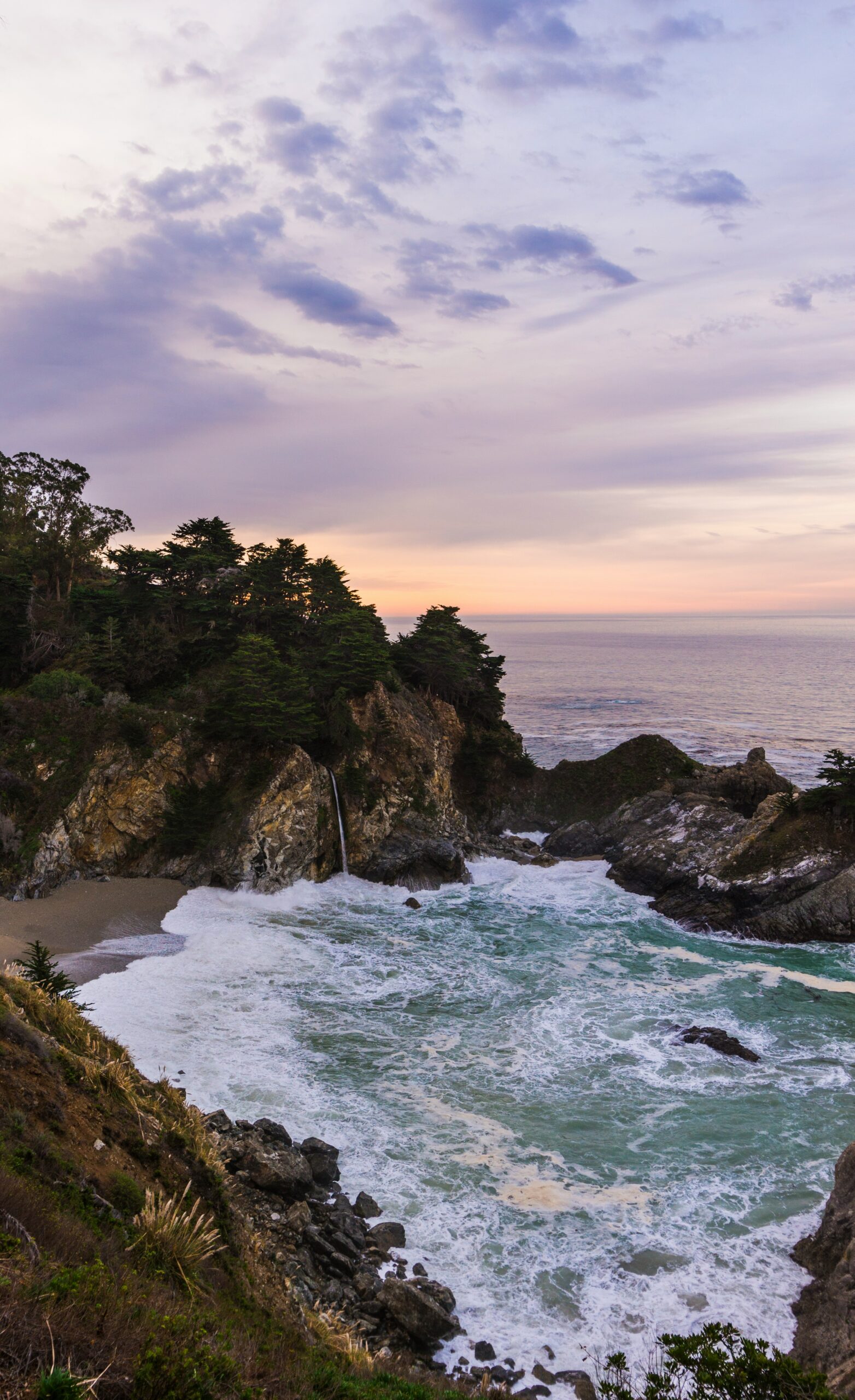
6) McWay Falls at Julia Pfeiffer Burns State Park (viewpoint) — free waterfall overlook
McWay Falls is, hands down, one of California’s most photogenic spots—and you can see it for free. The waterfall drops 80 feet onto a pristine beach or straight into the Pacific, depending on the tide.
The overlook is easy to reach—a flat, half-mile round trip that just about anyone can handle.
McWay Falls is one of only two named tidefalls in California, so it’s a rare sight. The waterfall flows all year, so you don’t have to worry about timing your visit.
You can’t get down to the beach, but the overlook gives you perfect views of the falls and McWay Cove. The trail also shows off coastal scenery to the north and south along Highway 1.
Parking at Julia Pfeiffer Burns State Park might cost a few bucks, but the waterfall overlook itself is free once you’re in. For such a short, easy walk, the view is absolutely worth it if you’re driving Big Sur.
7) Balboa Park (San Diego) — free gardens and weekday museum gardens access
I always tell people to check out Balboa Park—it’s a Southern California classic and one of the best free spots around. The park covers 1,200 acres and you can wander the grounds and gardens without paying a thing.
The Botanical Building and Lily Pond are always free. The Spanish Colonial Revival buildings all over the park make for killer photo ops, too.
The Timken Museum of Art doesn’t charge for admission, which is pretty rare among museums here. If you’re a San Diego local, you get free entry to 15 cultural spots on select Tuesdays throughout the year.
Parking and the park shuttle won’t cost you anything. The Spreckels Organ Pavilion and Spanish Village Art Center are also free to visit.
There are 18 different gardens scattered across the park. I love grabbing a picnic or just chilling on the lawns between attractions—it’s a great way to soak up the atmosphere.
8) Golden Gate Park Japanese Tea Garden (San Francisco) — free grounds on select days
The Japanese Tea Garden in Golden Gate Park lets you in for free during certain hours each week. Honestly, it’s one of the best ways to enjoy a classic Japanese garden without opening your wallet.
This spot is the oldest public Japanese garden in the U.S., built for the 1894 California Midwinter International Exposition. You’ll find winding paths, koi ponds, pagodas, and azalea-draped waterfalls throughout the grounds.
Try to go during the free admission hours if you can. The Golden Gate Park Shuttle runs every day and stops right near the entrance, so getting there’s pretty straightforward.
Every time I visit, I’m struck by how peaceful it feels compared to the city outside. It’s a great place for a slow stroll, snapping photos, or just soaking in the tranquil landscaping.
9) Ano Nuevo State Park (Pescadero) — free coastal seal-viewing public areas
Ano Nuevo State Park stands out for its free elephant seal viewing along the San Mateo coast. The park protects the first mainland breeding colony of northern elephant seals, which makes it a one-of-a-kind wildlife spot.
Although you’ll need a permit for guided tours during the peak breeding season, you can use the public viewing areas for free all year. The seal viewing areas reopened in April 2026 after a closure, and every winter, thousands of seals gather here to breed.
Keep a safe 30-foot distance from the seals. There are also trails and plenty of other wildlife to check out—birdwatching here is top-notch.
The ocean views are hard to beat, and I like that you can watch the seals for free, even if some areas need advance reservations at certain times.
10) Muir Woods National Monument (Marin County) — free access on designated shuttle/visitor days
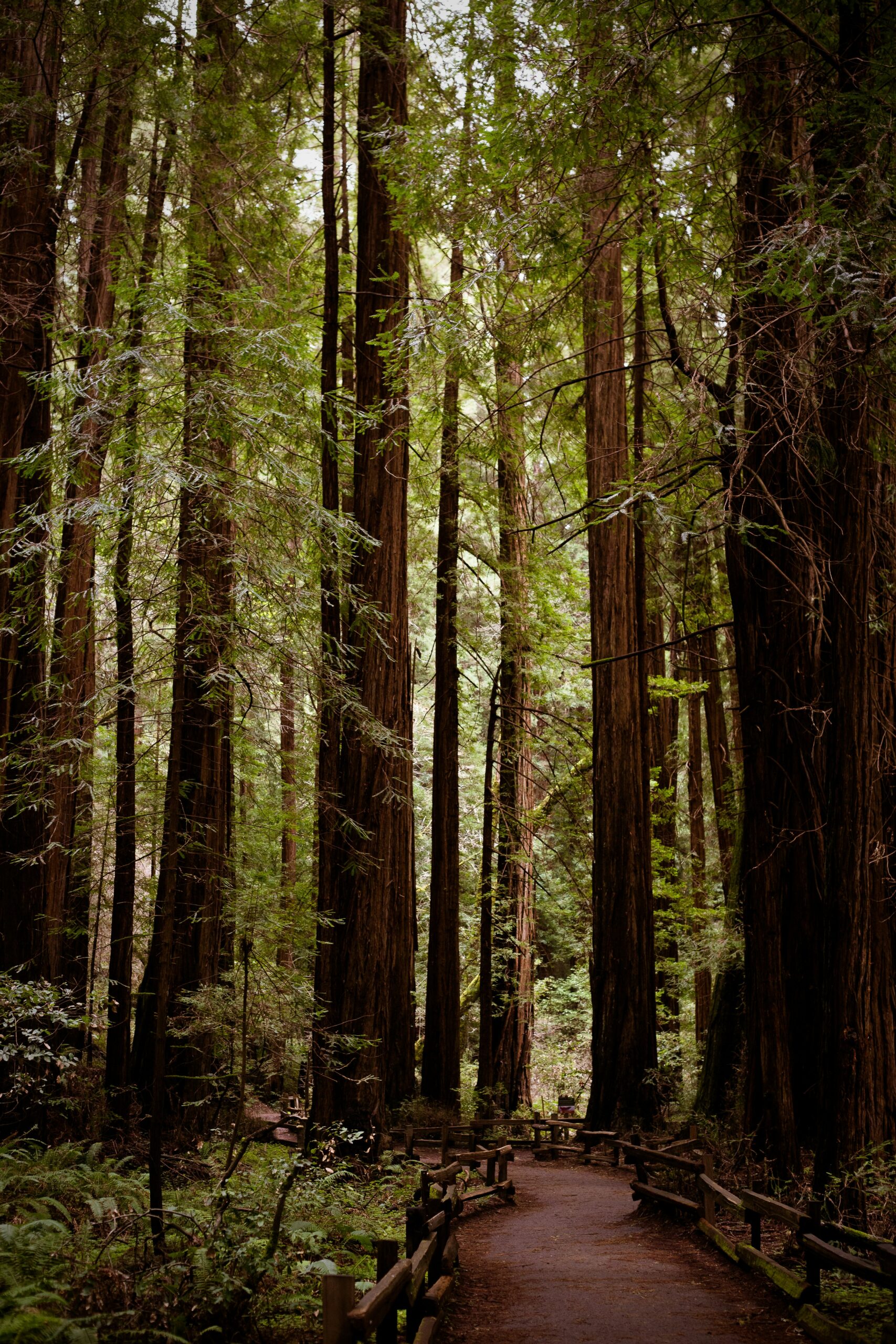
Muir Woods gives you free entry on eight special days in 2026 when the National Park Service drops admission fees. Just 12 miles north of the Golden Gate Bridge, this redwood forest has trees towering up to 260 feet and some are over a thousand years old.
On fee-free days, you don’t pay the usual per-person fee, but you still need a parking reservation. Or, you can take the Muir Woods Shuttle for $4 per adult (kids 15 and under ride free)—no parking reservation needed if you go that route.
The shuttle runs weekends and holidays from Larkspur Landing. I’ve found it super convenient since you can park for free at the Larkspur Ferry terminal and catch the shuttle, making your visit totally free on those special days.
11) Heisler Park (Laguna Beach) — free oceanfront trails and Instagram viewpoints
Heisler Park has to be one of the most photogenic free spots in Orange County. This oceanfront park runs along the bluffs on Cliff Drive from Aster Street to Diver’s Cove, with paved paths and constant ocean views.
You can get to several beaches from here—Picnic Beach, Rockpile Beach, and Diver’s Cove. The walking trails hug the coastline and are easy to follow, all without an entrance fee.
Heisler Park has gardens, picnic tables, and barbecue spots, plus tide pools when the water’s calm. The park stretches about 1.1 miles, so you’ll find plenty of places to snap photos of the Pacific and the rocky shore.
I’ve noticed it gets busy around sunset, and the whale-watching during migration is surprisingly good. Monument Point and the gazebo are especially popular for pictures. There are restrooms scattered around, so you can stay awhile without hassle.
12) Shoreline Lake and Shoreline Amphitheatre (Mountain View) — free waterfront walking paths and picnic spots
Shoreline Lake has free waterfront paths that are perfect for a laid-back day outside. It’s tucked into a nature preserve in Silicon Valley, so you get nice views without paying anything.
The walking paths circle the lake and wetlands. I like bringing my own food and using the picnic tables spread through the park.
The Shoreline Amphitheatre is right there too—concerts cost money, but the park itself is free. You can wander the trails and relax in the open space.
The lake is good for birdwatching and spotting local wildlife. There’s parking, so it’s easy to swing by for a quick walk or hang out for the afternoon.
This is a solid pick for families. The flat, paved trails make it accessible for just about everyone.
Planning Your Free California Adventure
Getting the most out of free adventures takes some planning, the right gear, and a bit of environmental know-how. That way, you can enjoy California’s natural beauty and help keep it around for others.
How to Maximize a Free Day Out
I always check parking and arrival times before heading out. Lots of places—like Point Dume or some state beaches—charge for parking, but I’ve found street parking nearby or arrived early enough that fees weren’t enforced. It’s worth double-checking current rules before you leave.
Timing really matters. I try to hit beaches and trails on weekdays to dodge crowds, and I plan museum stops around free admission days—a lot of places offer them monthly. The California Science Center in LA is always free, which makes things easier.
I pack my own food and refillable water bottles because eating out adds up fast. I also download offline maps and trail guides before heading somewhere remote where cell service might drop.
Essential Packing Tips for Budget Explorers
My go-to packing list always includes layers—the coast can go from foggy to sunny in a few hours. I bring a light jacket, sunscreen, and a hat no matter what the forecast says.
For beach days, I toss in a blanket, towel, and some bags for wet stuff. I carry a small first-aid kit with bandages and meds I might need.
I always have my reusable water bottle, snacks, and a little trash bag to pack out my stuff. A portable phone charger is a lifesaver for maps and photos. I keep some cash on hand for meters or in case a spot doesn’t take cards.
Responsible Travel and Leave No Trace Practices
I stick to Leave No Trace basics—I stay on marked trails and skip shortcuts that could damage the area. Everything I bring in, I take out, even stuff like apple cores or banana peels that don’t really belong in the local ecosystem.
At beach bonfires, I use established fire rings and make sure the fire’s out before I leave. I don’t collect rocks, shells, or plants—taking them can mess up the environment for everyone else.
I keep my distance from wildlife and never feed them. It changes their behavior and just isn’t good for them. I pay attention to any closures or rules, especially for nesting birds or sensitive spots. If I’m at a popular Instagram location, I stay behind the ropes and avoid stomping on plants just to get a photo.
Seasonal Considerations and Local Events
California’s mild weather means you can get outside year-round, but some seasons are just better for certain things. Local festivals and events also pop up all over, and they’re often free—perfect for soaking up some culture or seasonal fun.
Best Times of Year for Outdoor Activities
Spring (March to May) is my favorite for hiking and waterfalls. Wildflowers take over places like Anza-Borrego, and the Sierra Nevada waterfalls are at their best from snowmelt.
Summer’s great for beach days and coastal exploring, but I try to go early to beat the crowds and avoid parking headaches. Inland, it gets hot, so the coast is usually more comfortable.
Fall (September to November) is ideal for hiking—cooler weather and clear skies make for great stargazing. The marine layer usually clears out too, so views are better at overlooks and Instagram-friendly spots.
Winter can be tough for mountain trails, but it’s prime whale-watching time along the coast from December to April. I’ve watched gray whales pass by Point Dume and other preserves during these months, and I didn’t have to pay a thing.
Finding Free Festivals and Community Events
I usually poke around local city websites and community calendars to find free festivals before heading to California spots. Chinatown in Los Angeles hosts free events all year, tucked inside those iconic Pagoda-style buildings.
Lots of museums throw in free admission days each month. The California Science Center in Los Angeles lets you in for free every day, so you don’t have to stress about timing your visit.


