California Food Travel Guide: Best Foods & Experiences
California is easily one of the best places in the country to plan a trip around food, and after years exploring what makes California cuisine unique, I still find surprises. From fresh seafood hugging the Pacific Coast to farm-to-table meals built on hyper-local ingredients, the state’s flavors reflect its wild geography and deep agricultural roots. A California road trip lets me taste these differences up close, region by region.
Here’s my take on the foods you absolutely need to try to really get California’s culinary identity, plus where to find them. There are iconic dishes, wine and food pairings, quirky markets, breweries, and food festivals that show off what each corner of the state does best. I’ll also point out a few restaurants—some even have Michelin recognition—for anyone who wants a more mapped-out dining plan.
Honestly, I just want your trip to fit what you’re hungry for, whether that’s chasing the best fish tacos on the coast or plotting a vineyard crawl inland. I’m sharing the details I wish I’d known sooner, so you can skip the guesswork and focus on eating well.
California Food Travel Guide: Best Foods & Experiences
Plan a Food-First California Itinerary
I build my California itineraries around three things: which region and season I’m after, how much I want to plan versus just wing it, and a budget that’s honest about everything from taco trucks to a splurge on a Michelin-starred tasting menu.
Choosing a Route by Region and Season
I pick my route based on what’s in season and which region matches my cravings. A Los Angeles-to-Monterey drive along the Pacific Coast? That’s wineries, fresh seafood, and coastal views all rolled into one trip.
If I’m craving fruit at its peak, I’ll aim for the Central Valley from mid-June through September. On a Southern California road trip, I focus on taco culture and food halls in cities like Oxnard, where I can hunt down fish tacos and aguachiles at local taquerias.
I always check regional specialties before I lock in dates:
- Spring: blossom viewing in Fresno County, early-season produce
- Summer: stone fruit and berries at their peak
- Fall: wine harvest in Sonoma and Santa Barbara
- Winter: citrus season and indoor food hall visits
Balancing Reservations, Markets, and Casual Stops
I book Michelin Guide restaurants weeks ahead—those tables go fast, especially in LA and San Francisco. I treat these as anchors, shaping my day around them.
Between reservations, farmers markets and spontaneous stops fill the gaps. I don’t plan every meal. Some of my best bites come from wandering into a food hall or taco stand I hadn’t even heard of.
My typical day looks something like:
- Morning: farmers market or a solid coffee stop
- Midday: quick lunch, food truck, or whatever smells good
- Evening: dinner reservation at a spot I’m excited about
This keeps things relaxed but still gets me to the places I’ve mapped out.
Budgeting for Street Food, Tastings, and Fine Dining
I set a daily food budget that covers the wild price swings you’ll hit on a California road trip. A taco or ramen bowl might be $10-15, but a wine tasting can run $20-40 per person, depending on where you are.
Fine dining? That changes everything. I plan for $100-300+ per person for a Michelin-level tasting menu, and that’s before wine pairings if I go for it.
I mix it up on purpose—street food one day, splurge the next—so I don’t blow my budget or miss out on the casual eats that really define a place.
Iconic Dishes Worth Traveling For
California’s food identity really comes down to a handful of regional specialties: sourdough bread from San Francisco, tacos and burritos from the south, and seafood along the coast. Each region’s take is shaped by immigration, geography, and decades of local tradition. It’s a lot to chew on, honestly.
San Francisco Sourdough, Dim Sum, and Mission Burritos
I always kick off a San Francisco food trip with sourdough bread. The city’s sourdough goes all the way back to the Gold Rush era around 1849, and Boudin Bakery never lets me down for that classic tang.
Chinatown is my go-to for dim sum—small plates like dumplings and buns that reflect the city’s deep Chinese roots.
The Mission District? That’s where you’ll find the Mission burrito. It’s an oversized flour tortilla, tightly wrapped around rice, beans, meat, and salsa. Heavier and more filling than burritos elsewhere in the state, for sure.
Southern California Tacos, Burritos, and Ceviche
Southern California’s food scene is all about Mexican cuisine, and I plan my days around it down here. Street tacos are everywhere, but I keep an eye out for:
- Fish tacos – battered or grilled fish, cabbage, and a citrusy crema
- Shrimp tacos – usually grilled, similar toppings
- Breakfast burritos – eggs, potatoes, cheese, salsa, all wrapped up for the road
Ceviche is another must, especially near the coast where fresh seafood is easy to find. Citrus-cured fish or shrimp, mixed with onion, cilantro, and chili, gives me a lighter break from the fried stuff.
And yeah, I always hit In-N-Out at least once. It’s not a regional dish, but it’s a Southern California classic, and I’d feel weird skipping it on a road trip.
Coastal Seafood and Regional Comfort Foods
Along the California coast, I put seafood at the top of my list. Clam chowder in a sourdough bread bowl? That’s pure San Francisco Bay Area. I almost never skip it when I’m near the water.
Cioppino, a tomato-based seafood stew, is another one I hunt down, especially in port towns with a real fishing history.
Once I head inland, I start looking for comfort food. Brisket pops up on menus where Texas-style barbecue has taken root. It’s a total shift from the seafood-heavy coast and kind of rounds out how wildly varied California’s food scene actually is.

Northern California Food Stops
From San Francisco’s bayside markets to Napa’s vineyards and the diners of Gold Country, Northern California throws out distinct food experiences at nearly every turn. Each region shows off its own agricultural strengths, from seafood and sourdough near the coast to wine country tasting menus and hearty mountain-town classics.
San Francisco Markets, Bakeries, and Waterfront Classics
I always start a San Francisco food stop at the Ferry Building Marketplace. Local vendors there sell everything from fresh oysters to artisan cheese and bread. It’s a great spot for a picnic or just a quick bite between whatever else you’re doing.
Fisherman’s Wharf is still the city’s classic tourist food stop. I know it’s touristy, but it’s worth it. Clam chowder in a sourdough bread bowl draws the crowds, and the seafood stands nearby dish out fresh crab when it’s in season.
When I want something less crowded, I search out the older bakeries—many have been baking sourdough since the Gold Rush. Pairing a bakery run with a stroll through the Ferry Building just feels right for getting the city’s food vibe.
Napa and Sonoma Wine Country Dining
Napa Valley is where I go for serious food and wine pairings. The French Laundry in Yountville is still one of the most famous fine dining spots in the country, with its multi-course menus and tough-to-get reservations.
Sonoma and Sonoma County feel more laid-back, with farm-driven menus and smaller, family-run wineries. I notice the food here leans on local produce, cheese, and olive oil, usually sourced from just down the road.
Both places reward a slower pace. I’d plan meals around winery visits, since many restaurants create menus to match local vintages.
Sacramento, Gold Country, and Mountain Roadside Stops
Sacramento calls itself the Farm-to-Fork Capital, and honestly, I think it lives up to the hype. The city sits right next to the Central Valley, so restaurants build menus around whatever’s coming out of the fields that week.
In Gold Country, I look for small-town cafes and diners with menus that echo the region’s mining-era history. These places usually serve simple, hearty food—perfect for travelers heading into the Sierra foothills.
Farther north, Dunsmuir is a solid pit stop for drivers on I-5, with burger joints and local diners for a quick break. If you love cheese, the California Cheese Trail winds through several Northern California producers, and it’s worth the detour—especially if you want to taste regional dairy with your wine and produce.
Central Coast Flavors and Wine Routes
The Central Coast, for me, is a mix of fresh seafood, local produce, and a surprisingly wide range of wine styles along the Pacific Coast from Monterey to Santa Barbara. Every stop on this stretch offers its own blend of coastal ingredients and wine tasting rooms that are honestly worth planning a day around.
Monterey Seafood and Coastal Produce
I always kick off my Central Coast trips in Monterey, where seafood lands straight from the bay. Local menus lean into sablefish, Dungeness crab, and squid—all caught just a few miles out.
The farmland nearby shapes what ends up on my plate too. Salinas Valley, just inland, sends over tons of lettuce, strawberries, and artichokes that pop up on restaurant menus all over town.
I usually carve out time for the River Road Wine Trail in the Santa Lucia Highlands. Vineyards sit shoulder-to-shoulder with working farms, and it’s a reminder that grapes are just one piece of the region’s story.
Santa Barbara's Funk Zone and Urban Tastings
Santa Barbara’s Funk Zone keeps me busy for at least half a day. The old warehouses here now house tasting rooms, so I can sample a handful of wineries without ever getting back in the car.
The mix is handy for a quick visit:
- Urban tasting rooms pouring small-production California wine
- Art galleries all within easy walking distance
- Hip, low-key eateries for a snack between pours
I like starting in the Funk Zone before heading north into the valleys. Once I park, I’m set—no need to drive.
Pinot Noir Trails and Farm-Based Experiences
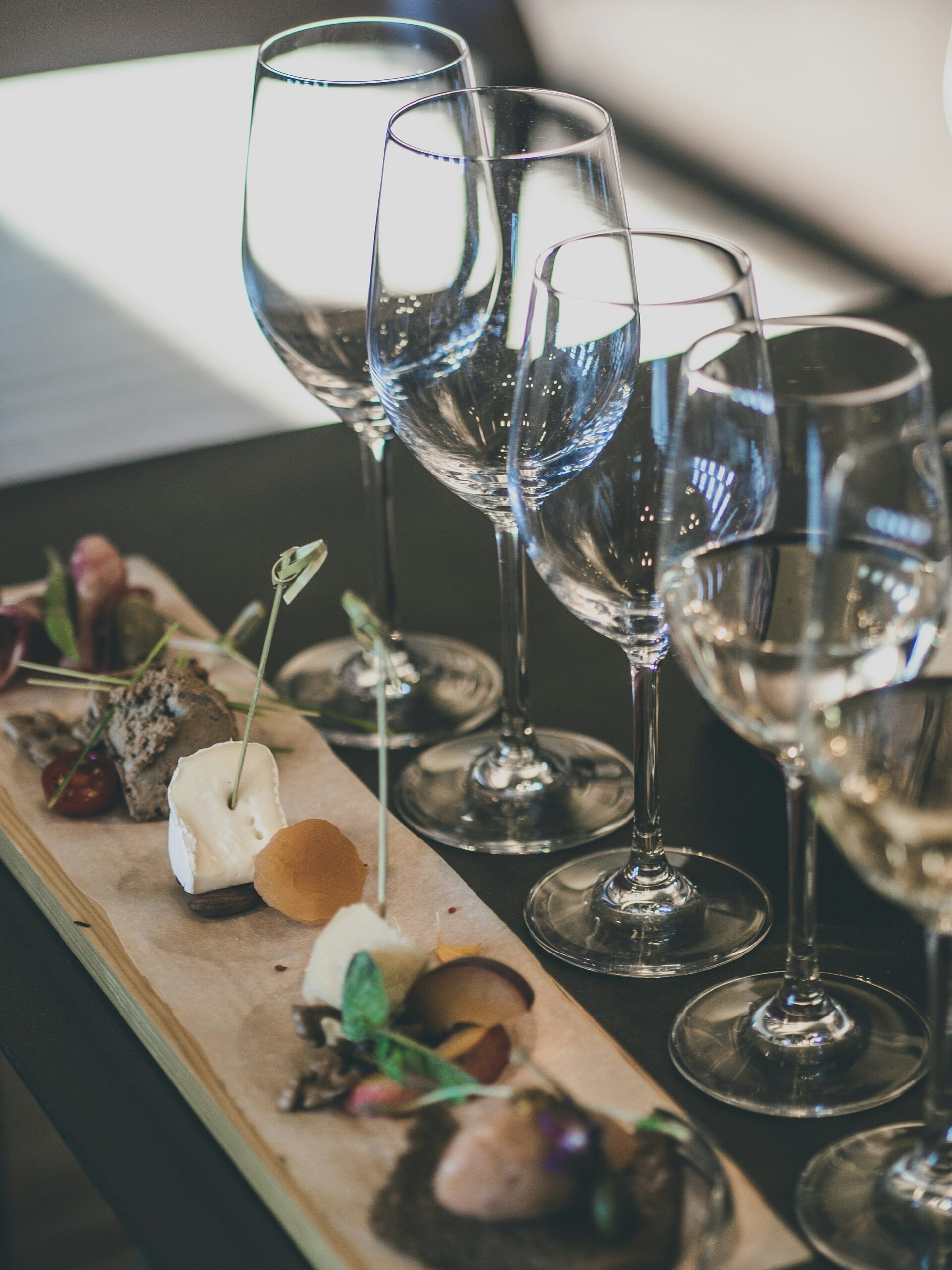
North of Santa Barbara, I trace the Santa Ynez Valley for its Pinot Noir. The valley runs east-west, letting coastal fog drift inland and cool the vineyards. I swear you can taste that structure and acidity in the wine.
Santa Maria Valley calls for a stop—ranching history, a barbecue style all its own, and the Santa Maria Wine Trolley lets me hop between tasting rooms without worrying about a designated driver.
Further south on Highway 246, I usually drop into Los Olivos for Grenache. Depending on the producer, I get both red and white styles—always a surprise.
Southern California's Diverse Food Scene
Southern California owes its food identity to decades of immigration, agriculture, and coastal geography. Each region brings its own flavor, from bustling food halls downtown to taco shops hugging the border.
Los Angeles Markets and Global Neighborhood Dining
My Los Angeles food trips always start at Grand Central Market. Dozens of vendors serve everything from ramen to Oaxacan tlayudas, so if I’m short on time, it’s my go-to for sampling the city’s range.
But for depth, I head to specific neighborhoods. Glendale’s Armenian restaurants grill kabobs from family-run kitchens. Artesia’s Little India crams dosas and jalebi into a single block of storefronts.
I can’t skip Koreatown either—late-night barbecue and ramen counters stay busy long after midnight. It almost feels like each neighborhood is its own little city inside LA.
Orange County Food Halls and Casual Favorites
Orange County’s food scene stays laid-back, and honestly, that’s a big part of why I like it. The Anaheim Packing District is a restored citrus warehouse turned food hall, packed with stalls offering everything from grilled cheese to poke bowls.
Food halls have really taken over here, and I appreciate being able to try a bunch of cuisines without picking just one spot. It works especially well if I’m with a group and nobody can agree.
Little Saigon, straddling Garden Grove and Westminster, is my destination for Vietnamese food that rivals anything I’ve had outside Vietnam. Family-run joints plate up pork-filled rice rolls and fried catfish that blow away most formal restaurants.
San Diego Tacos, Seafood, and Border Influences
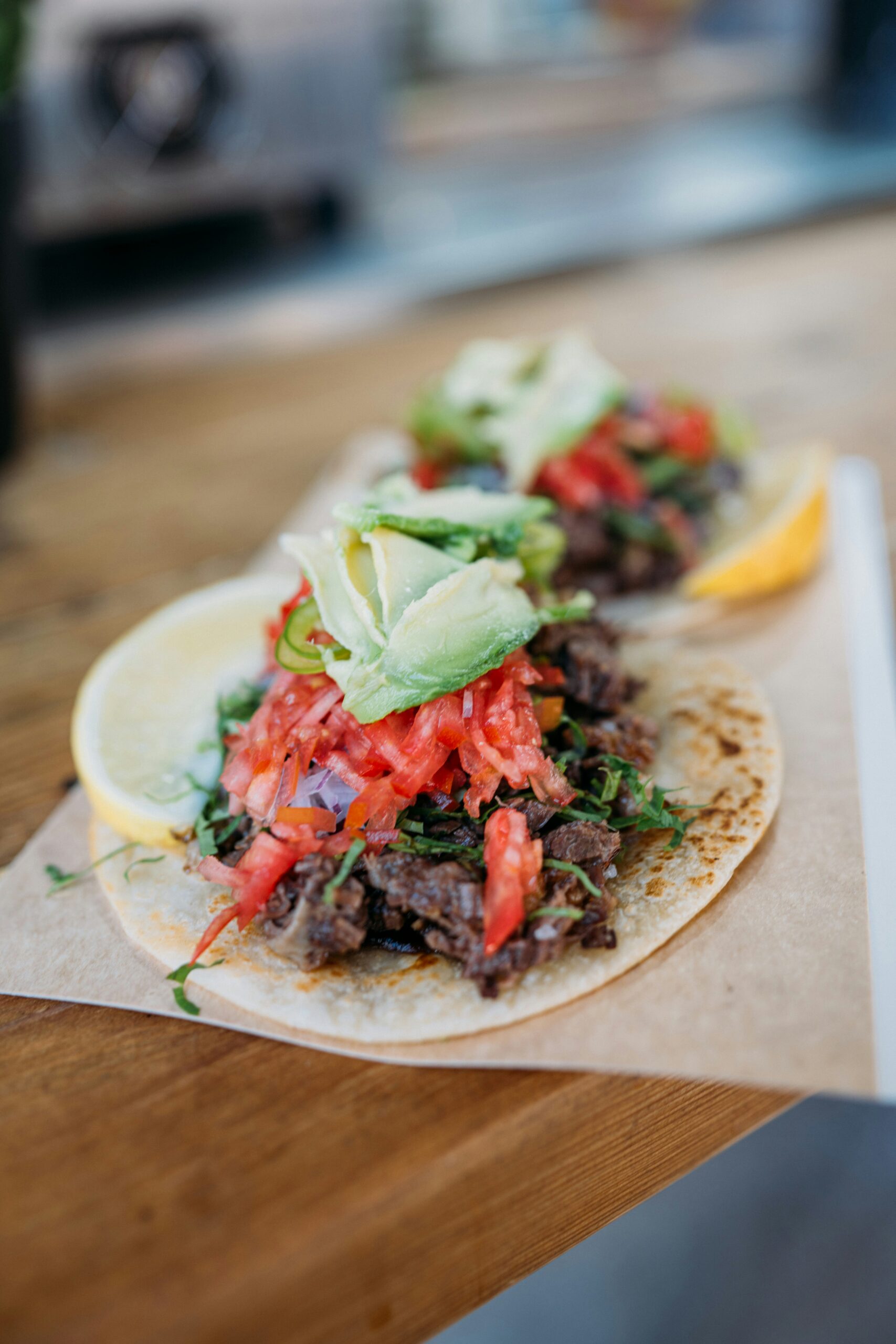
San Diego’s proximity to the border shows up on every plate. I order fish or shrimp tacos at almost every stop—the seafood’s fresh, and prices stay reasonable thanks to the coastal location.
The taco shop is a San Diego institution I rely on for street tacos, carne asada fries, and California burritos. No-frills counters, but the food is always solid.
In neighborhoods like University Heights and La Jolla, I find more polished dining rooms. Still, I always swing by Oceanside for beachfront taco stands. That mix of casual and refined options within a short drive? I don’t see it as much elsewhere in California.
Farm-to-Table Experiences and Farmers Markets
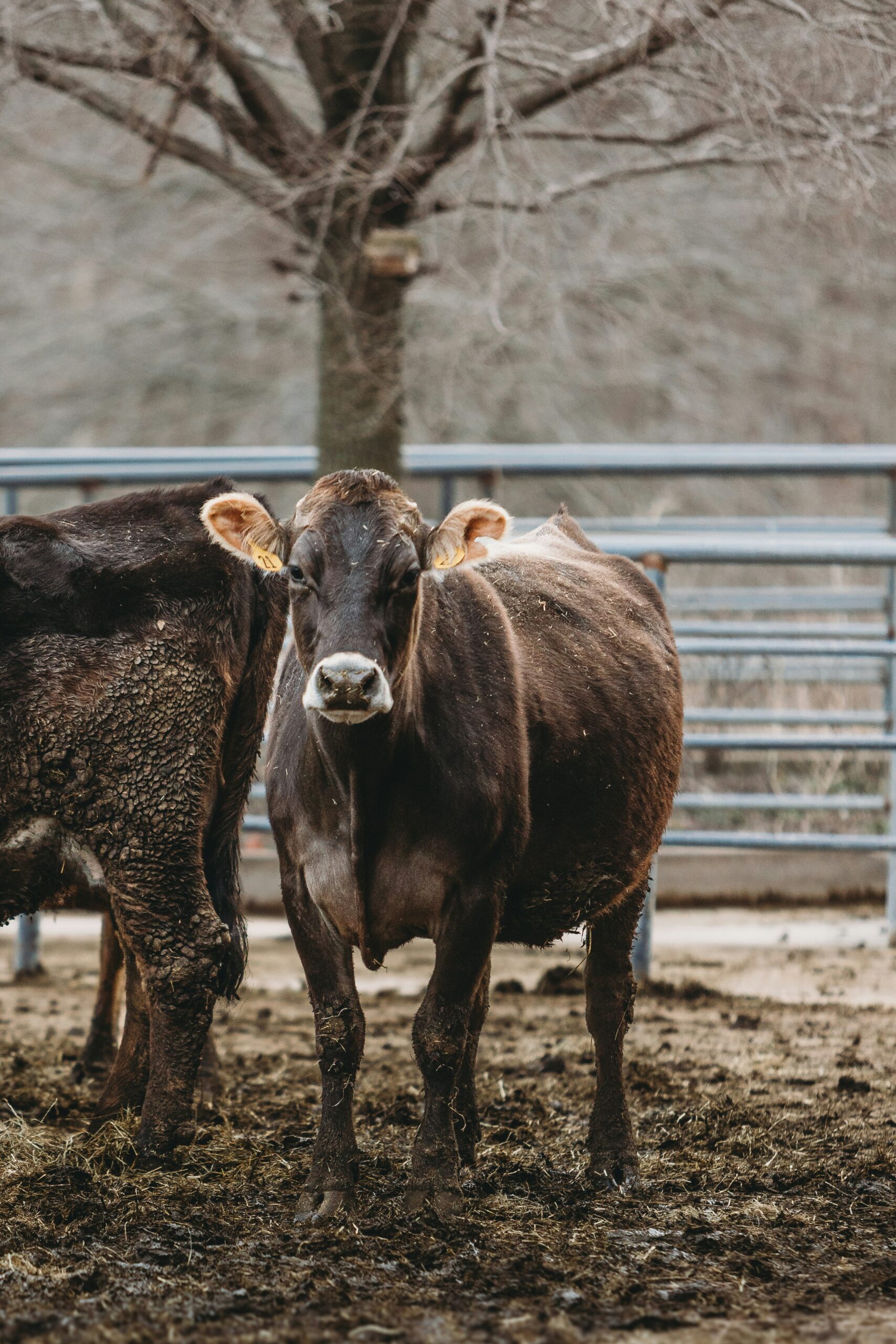
California’s agricultural output shapes what I eat, whether I’m wandering a farmers market or reading a menu at dinner. I see the state’s farm-to-table culture as a direct line from the fields and creameries to my plate.
How California Agriculture Shapes Restaurant Menus
California cuisine shifts with the seasons because chefs actually build menus around what’s growing nearby. The state produces over a third of the country’s vegetables and two-thirds of its fruits and nuts, so menus almost always reflect that bounty.
Sometimes, I’ll see the farm’s name right next to the dish. That kind of transparency tells me the kitchen works directly with growers, not just some big distributor.
Sacramento calls itself the farm-to-fork capital, and when I walk through its restaurant scene, I get it. Menus change fast, sometimes week to week, based on what’s coming out of the ground.
Finding Seasonal Produce, Cheese, and Artisan Goods
I time my market visits to what’s in season—spring for strawberries and artichokes, summer for stone fruit and corn, then citrus and root veggies in winter.
Big-city farmers markets usually offer more than just produce. I’ll find:
- Fresh-pressed juices and cold brew
- House-made jams and preserves
- Artisan bread and pastries
- Locally produced honey
California cheese deserves its own mention. I try to hunt down small-batch producers when I travel. Sonoma County is a favorite—I can follow the California cheese trail and sample goat, cow, and sheep milk cheeses straight from the source.
Visiting Farms, Creameries, and Agricultural Trails
I’ve picked my own fruit at farms and even stayed overnight at places where I collected eggs for breakfast. The Fresno County Fruit Trail links dozens of family farms and fruit stands across the county, and it’s a route I’d recommend to anyone who likes to snack while they explore.
Near Sacramento, I’ve visited working farms that blend agriculture and education. Guided walks and seasonal harvest days give me a better sense of how food makes its way to my table.
Creameries add another dimension, especially in Sonoma County, where I can pair cheese tastings with a drive through vineyard country. These agricultural trails work best when I plan around harvest calendars—timing really does matter if I want to catch a farm at its peak.
Wine, Beer, and Other California Drinks
I’ve spent years tasting my way across California’s beverage scene, and honestly, the variety still catches me off guard. Wine regions from Napa to Temecula each have their own vibe, while craft breweries stretch from San Diego up to the mountains near Dunsmuir.
Napa Valley and Sonoma Tasting Strategies
I always tell folks to split their days between Napa Valley and Sonoma County instead of trying to cram both into one trip. Napa leans toward appointment-only tastings at smaller estates, so I book at least two stops ahead of time.
Sonoma feels more laid-back, with walkable tasting rooms and a focus on Pinot Noir and Chardonnay. I try to stick to three or four wineries a day—any more, and everything starts to blur together.
Weekdays are the secret for avoiding crowds. If I want some variety without a bunch of driving, I check out Sonoma County’s Farm Trail for farm stays and tastings all rolled into one.
Temecula Valley and Central Coast Wine Regions
Temecula Valley sits about 90 minutes from San Diego and Orange County, so it’s my quick escape for a day trip. The warmer climate means bolder reds, and I rarely see Napa-level crowds.
Head north, and the Central Coast offers something else entirely. Los Olivos is my pick for Pinot Noir, since this Santa Barbara-area trail connects a bunch of wineries specializing in the grape.
Santa Barbara’s Funk Zone is perfect when I don’t feel like driving. I can taste sparkling wines and reserve-only bottles all within a few blocks.
Brewery Stops From San Diego to Northern California
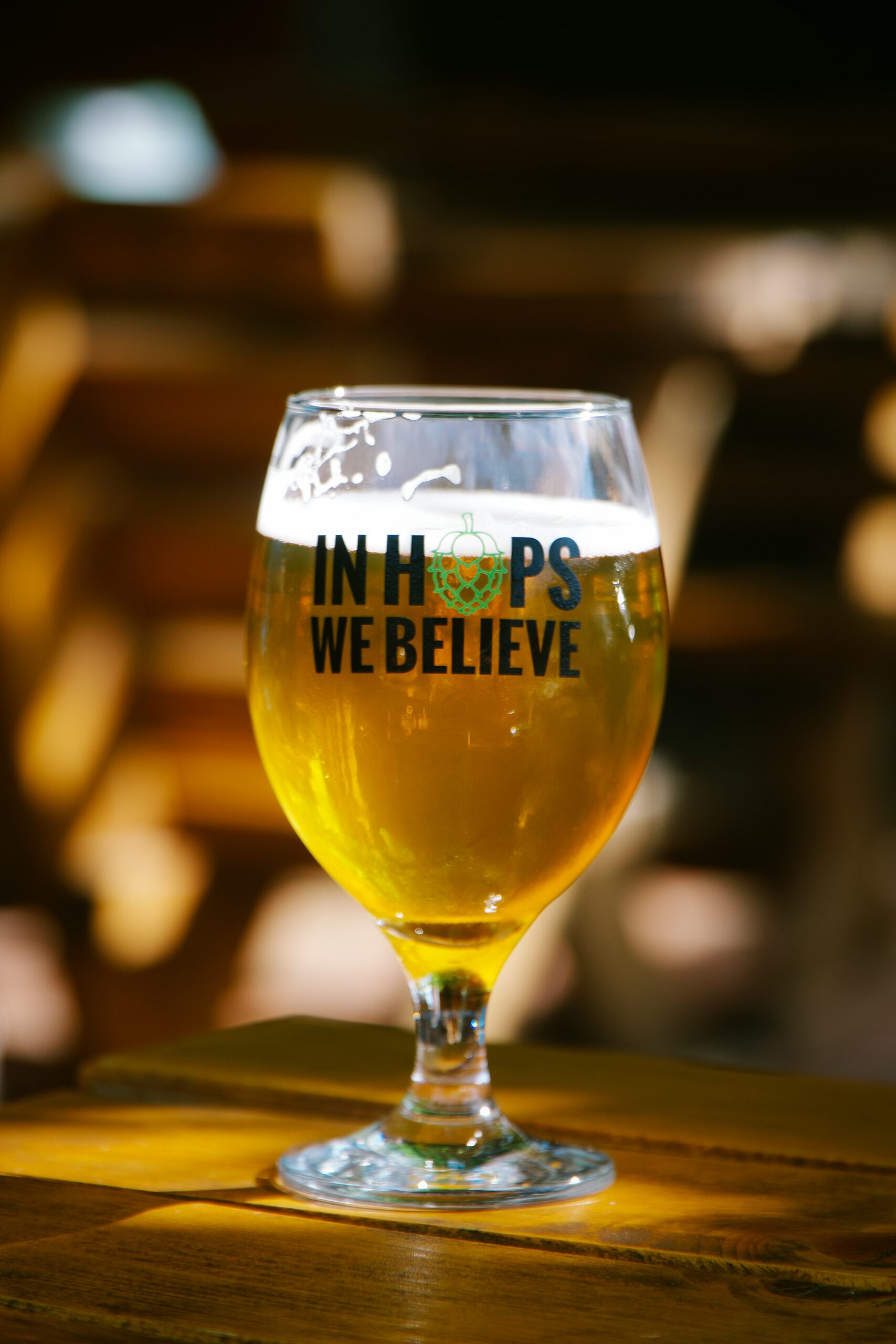
San Diego is my launchpad for California beer—so many breweries, especially if you love hoppy West Coast IPAs. I can easily hit several taprooms on foot in one afternoon.
Further north, I find smaller beer trails worth a detour. Around Mt. Shasta, I’ve tried a British-style porter in McCloud and a jalapeño ale in Weed. It’s a compact regional trail, with stops near Dunsmuir too.
I treat these northern breweries as scenic pit stops during longer road trips—the towns are tiny and pretty spread out, so I wouldn’t call them standalone destinations.
Food Tours, Festivals, and Destination Dining
I build my California trips around three things: joining a guided food tour or trail, timing my visit for a regional festival, or snagging a reservation at a Michelin-recognized spot. Each approach gives me a different slice of the state’s food culture.
Choosing Guided Food Tours and Self-Guided Trails
I usually pick guided tours when I want context I can't get on my own. A good guide walking me through a neighborhood market or a historic food district points out details I'd just walk right by. Sometimes they know stories or local characters I'd never stumble across solo.
But when I want a slower pace, or maybe just to wander without a schedule, I go for self-guided trails. The California Cheese Trail is a favorite—I can stop at creameries and farms all over the state, whenever the mood strikes or I need a snack.
- Guided tours: I lean toward these in cities I don't know, on group trips, or when I want someone else to handle the planning.
- Self-guided trails: I like these for road trips, when my timing is unpredictable, or if I'm chasing one ingredient or food obsession.
In San Francisco and Los Angeles, I've tried both approaches. Honestly, what works best really depends on how much time I have and my mood that day.
Seasonal Festivals and Regional Food Events
I try to plan at least one trip a year around a food festival. California's full of events tied to local crops and dishes, and these gatherings have become my favorite way to taste a region’s specialty all at once.
San Diego and Santa Barbara host festivals with local produce and seafood—I always check event calendars before I book flights. Timing is everything, though. If I want a festival built around strawberries or artichokes, I've got to catch it during the harvest window, or it’s just not the same.
Honestly, I keep an eye out for smaller town festivals too, not just the big city ones. They're usually less crowded, and I've had way better luck chatting with growers and small producers at these more laid-back events.
Using the Michelin Guide for Special-Occasion Meals
I lean on the Michelin Guide when I’m after a meal that’ll actually stick in my memory. California’s stacked with more Michelin-starred restaurants than anywhere else in the US, so honestly, I’m spoiled for choice no matter where I end up.
In Napa Valley, I try to snag a table at The French Laundry—but that’s a whole operation. If you want to get in, you’re looking at planning months ahead. Down in Los Angeles or over in San Francisco, I’ve stumbled on everything from one-star gems to those rare three-star spots that everyone seems to talk about.
Sometimes I just want a good meal without all the fuss or sticker shock, so I’ll check out the Bib Gourmand list. That’s how I’ve lucked into some surprisingly great dinners in cities where I barely even unpack my bag.


